
Ancient Egyptian tombs held more than gold—their walls bore elaborate curses promising crocodile attacks, divine plagues, and spiritual annihilation. Some threats were so terrifying that robbers chiseled them off rather than risk eternal damnation.
1. The Crocodile God’s Vengeance
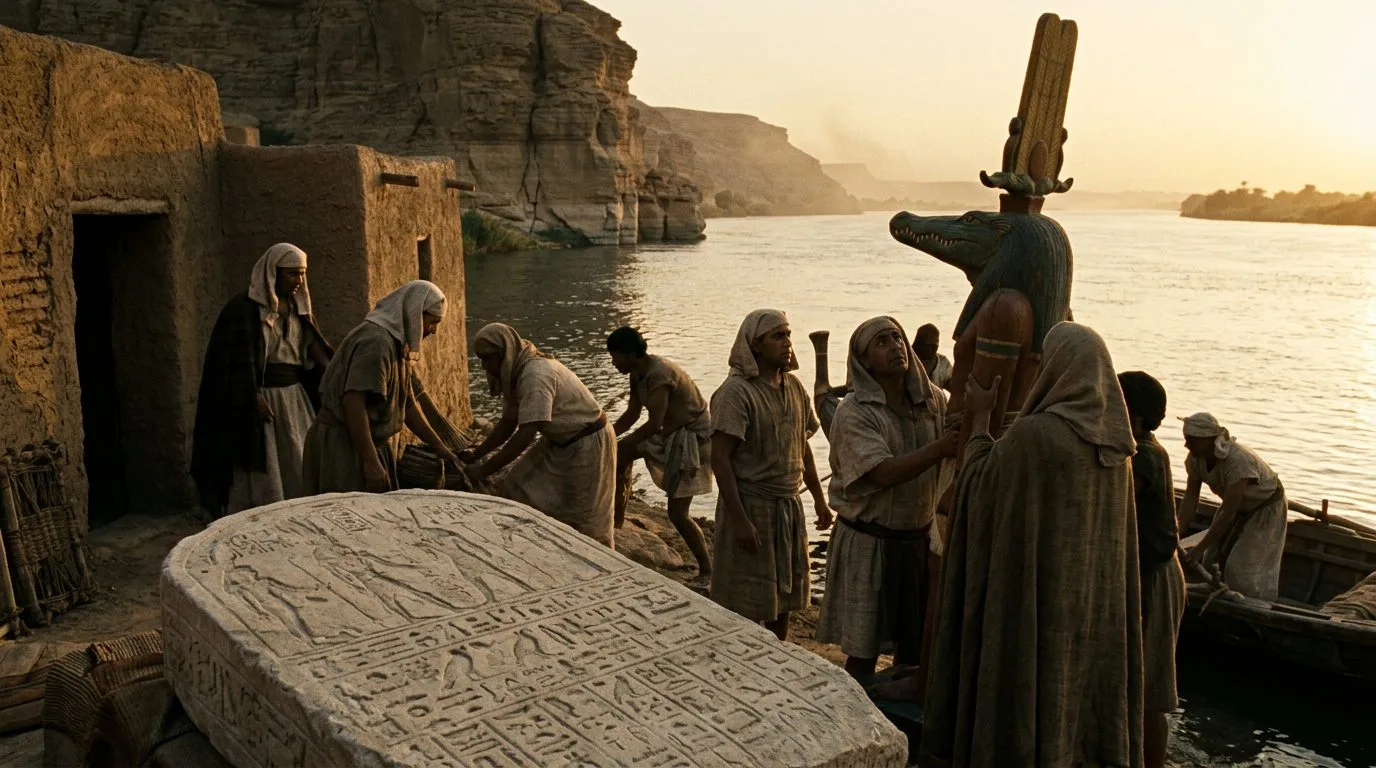
The Crocodile God’s Vengeance
A limestone stela from Abydos, dated to 1850 BCE, warned violators that Sobek would drag them into the Nile’s depths. The crocodile-headed god guarded waterways and tomb entrances, making this threat particularly visceral for ancient Egyptians who witnessed real crocodile attacks regularly. The inscription specifically promised: “Sobek shall seize him in the water, the crocodile shall be against him.” Priests enhanced these curses by placing crocodile teeth and scales in tomb doorways. This psychological warfare worked—tomb robbers often avoided sites near the Nile’s edge where Sobek’s temples stood, even when they contained obvious wealth.
Source: britannica.com
2. Sekhmet’s Disease-Bringing Arrows
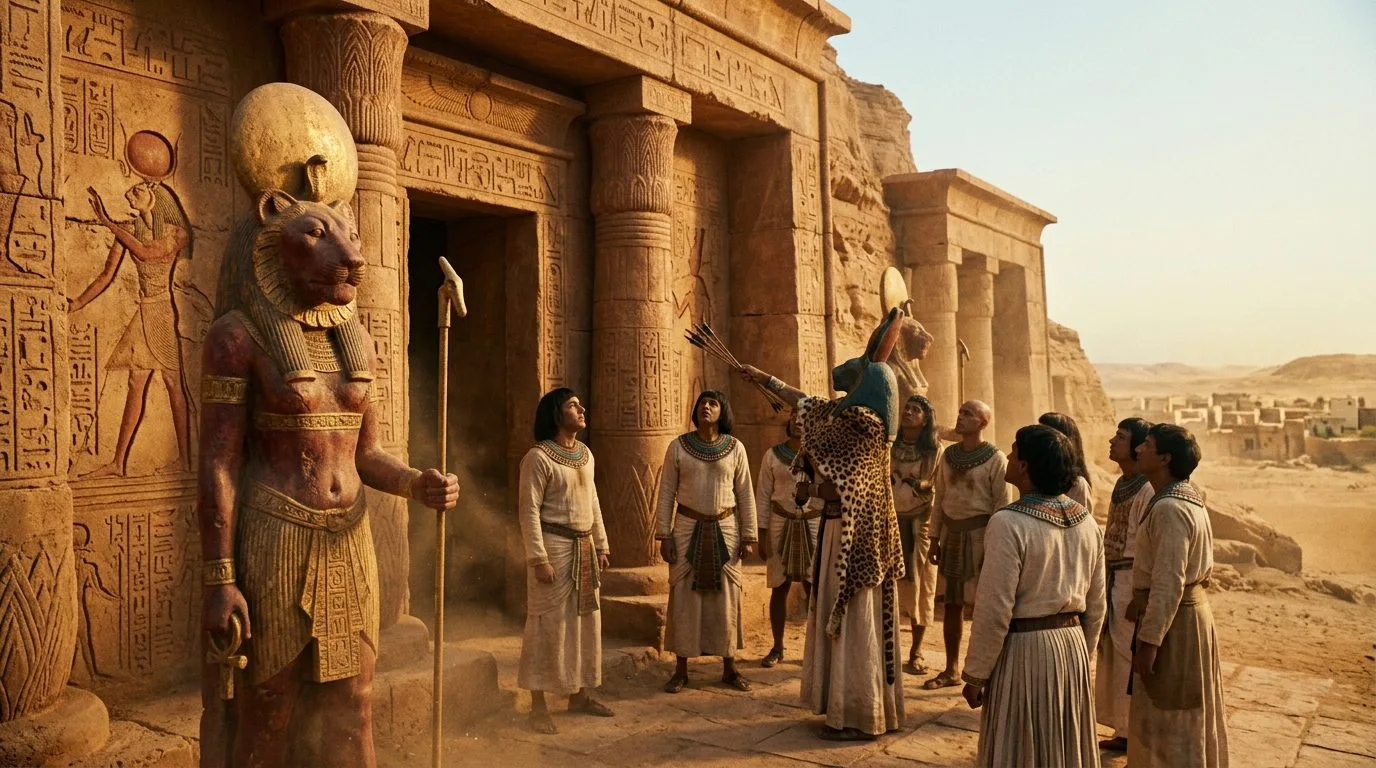
Sekhmet’s Disease-Bringing Arrows
The tomb of Khentika Ikhekhi at Saqqara, constructed around 2300 BCE, invoked the lion-headed goddess Sekhmet to unleash plague upon intruders. One inscription reads: “As for any man who shall enter this tomb, Sekhmet shall breathe fire upon him.” Ancient Egyptians believed Sekhmet could shoot invisible arrows carrying pestilence, a belief rooted in actual plague outbreaks that decimated Egyptian cities. During the New Kingdom period, priests performed daily rituals to appease Sekhmet precisely because her wrath manifested as epidemic disease. Tomb robbers who developed fevers after raiding burial sites believed the goddess had marked them for death.
Source: britannica.com
3. Eternal Thirst Beyond the Grave
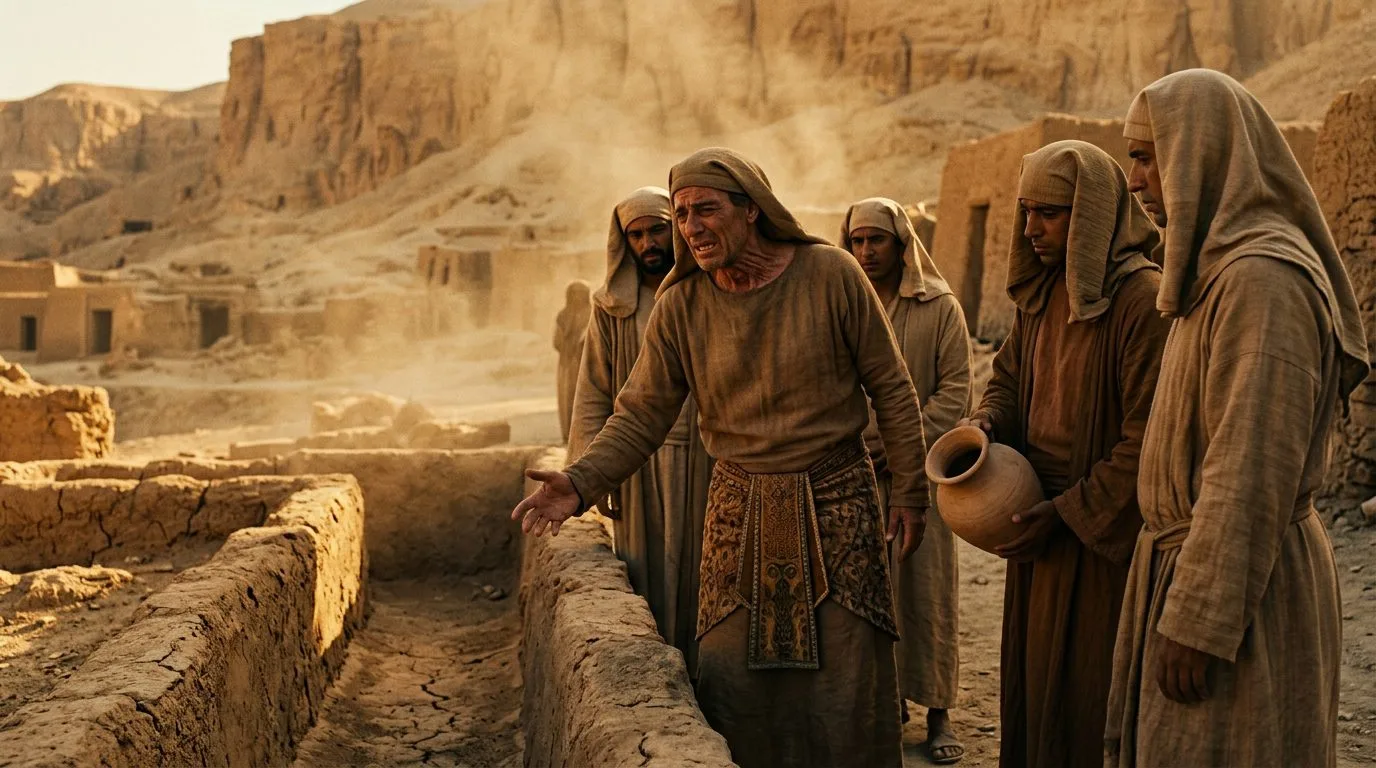
Eternal Thirst Beyond the Grave
A curse tablet from Thebes, dating to 1550 BCE, threatened violators with perpetual dehydration in the afterlife. The hieroglyphic text declared: “He shall have no water, his throat shall be parched for eternity.” This punishment carried particular horror because Egyptian funerary texts emphasized water offerings as essential for the deceased’s survival in the Duat underworld. Without water, the soul would wander the desert wastes forever, unable to reach the Field of Reeds. Archaeologists have found broken water vessels deliberately placed at tomb entrances, suggesting robbers performed hasty libations hoping to avoid this fate before stealing graver treasures within.
Source: britannica.com
4. Ra’s Solar Flames of Punishment
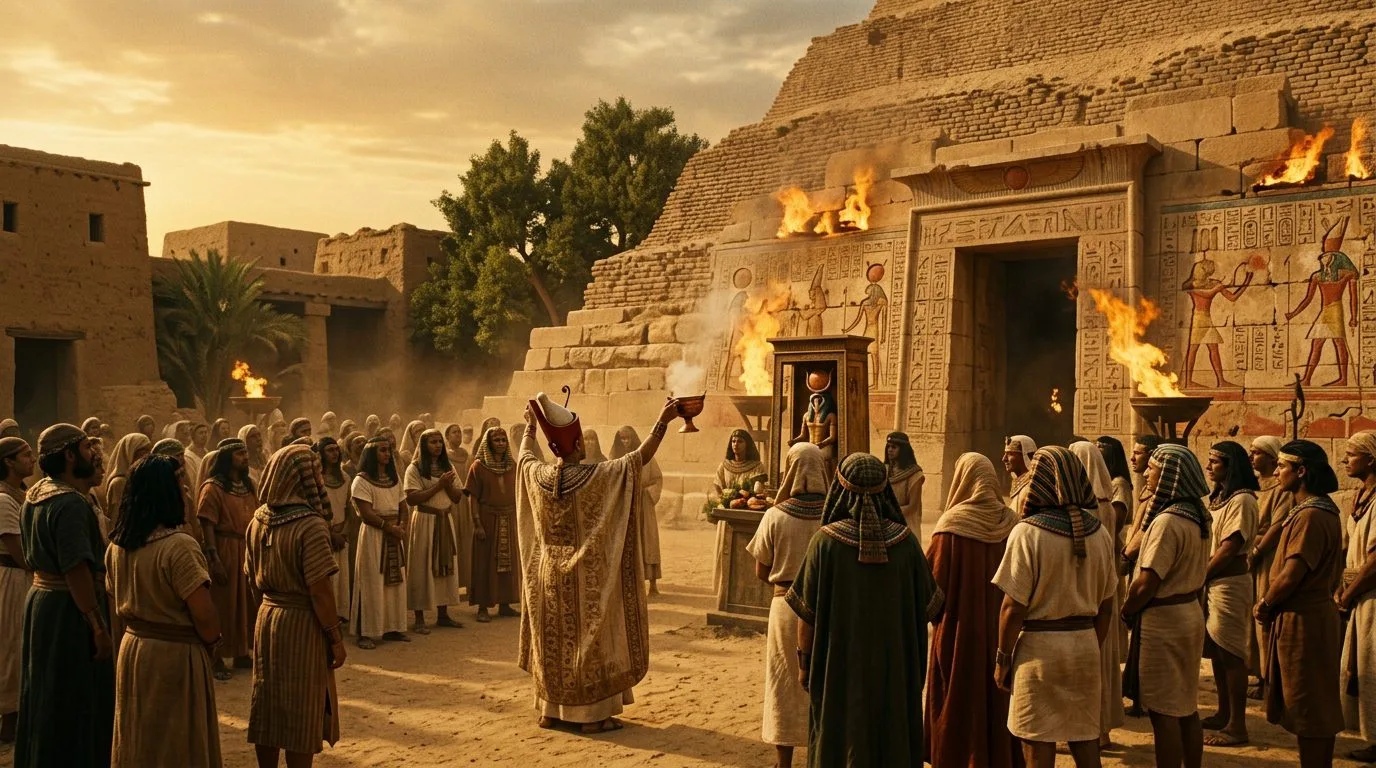
Ra’s Solar Flames of Punishment
The py**Ra**mid complex of Pepi I, built around 2289 BCE, contained wall inscriptions calling upon Ra to incinerate tomb violators with solar fire. One Pyramid Text states: “The flame of Ra shall consume the robber, his bones shall be ashes.” Ancient Egyptians witnessed the sun’s destructive power during droughts when crops withered and people died from heatstroke, making this curse tangible rather than abstract. Temple reliefs depicted Ra’s solar barque shooting flames at enemies of Egypt, imagery that reinforced the threat’s credibility. Several mummies show evidence of being hastily rewrapped by frightened robbers who fled before completing their theft.
Source: britannica.com
5. Anubis’s Judgment of the Unworthy
Anubis’s Judgment of the Unworthy
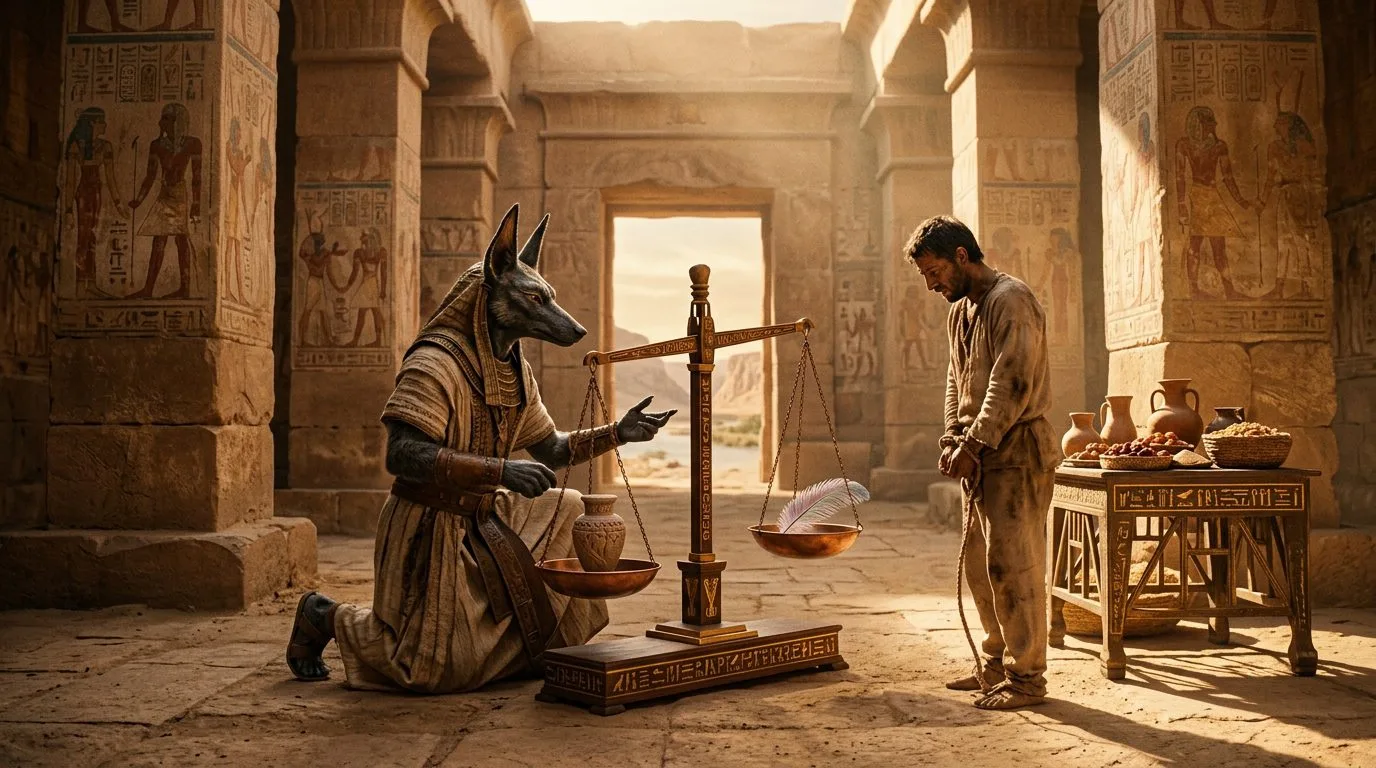
A Middle Kingdom tomb inscription from Beni Hasan, circa 1950 BCE, warned that Anubis would declare robbers “lighter than the feather” during the weighing of the heart ceremony. The jackal-headed god who guided souls through the afterlife would instead condemn violators to immediate destruction. The curse specified: “Anubis shall know him for what he is, his heart shall be heavy with crimes.” This inverted the usual judgment process where the deceased hoped their heart would balance against Ma’at‘s feather of truth. Tomb robbers understood that being judged unworthy meant Ammit would devour their soul, erasing them from existence forever.
Source: britannica.com
6. The Serpent Guardians’ Deadly Strike
The Serpent Guardians’ Deadly Strike
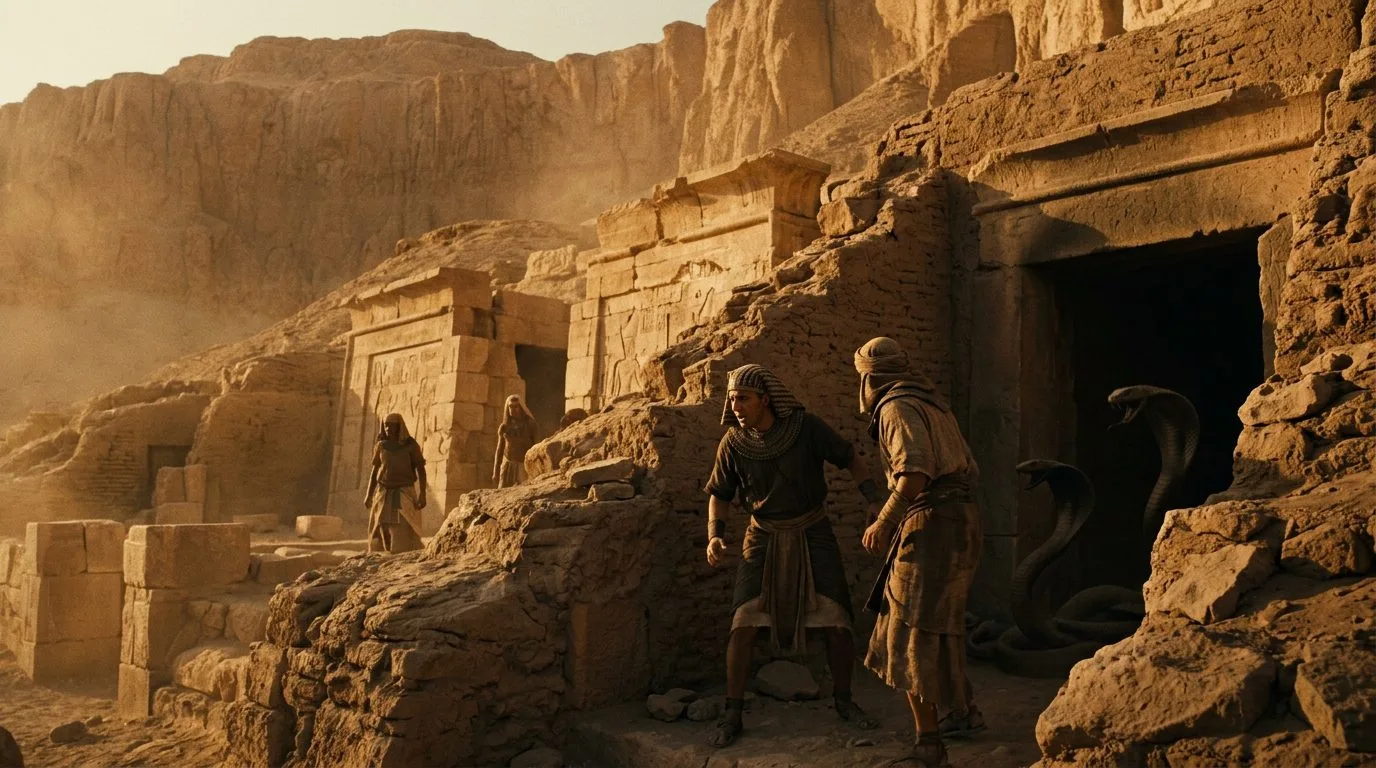
Tombs in the Valley of the Kings, particularly that of Seti I constructed around 1279 BCE, featured curses invoking Apep and other serpent deities to bite intruders. One inscription reads: “The serpent Nehebkau shall sink his fangs into the flesh of he who disturbs this place.” Egyptian mythology featured dozens of snake gods, and tomb architects sometimes released actual cobras into sealed chambers to make the curse literal. The discovery of snake bones near disturbed burial shafts suggests this practice was widespread. Robbers carried amulets depicting the mongoose Rikhi, hoping to ward off serpent attacks both mundane and divine.
Source: britannica.com
7. Ammit the Devourer’s Hunger
Ammit the Devourer’s Hunger
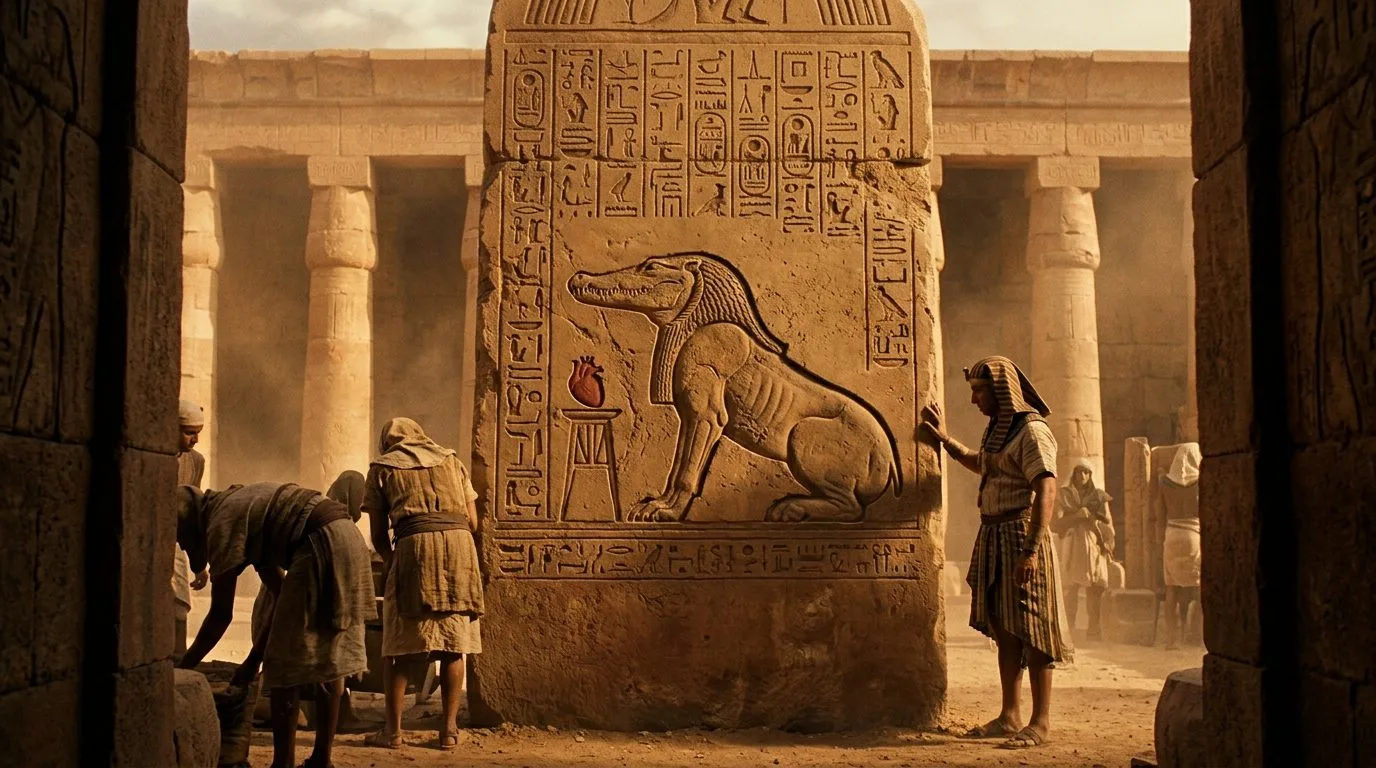
A limestone stela from Memphis, dating to 1400 BCE, explicitly threatened that Ammit would consume the heart and soul of anyone violating the tomb’s sanctity. The inscription declared: “The Devourer shall feast upon his ba, he shall cease to exist in all the realms.” Ammit—part crocodile, part lion, part hippopotamus—represented the ultimate spiritual death with no possibility of resurrection or afterlife. Unlike other punishments that tormented the soul, Ammit’s consumption meant total annihilation, a fate worse than any physical death. This curse proved so effective that several tombs bearing it remained largely untouched until modern archaeological excavation.
Source: britannica.com
8. The Curse of Eternal Wandering
The Curse of Eternal Wandering
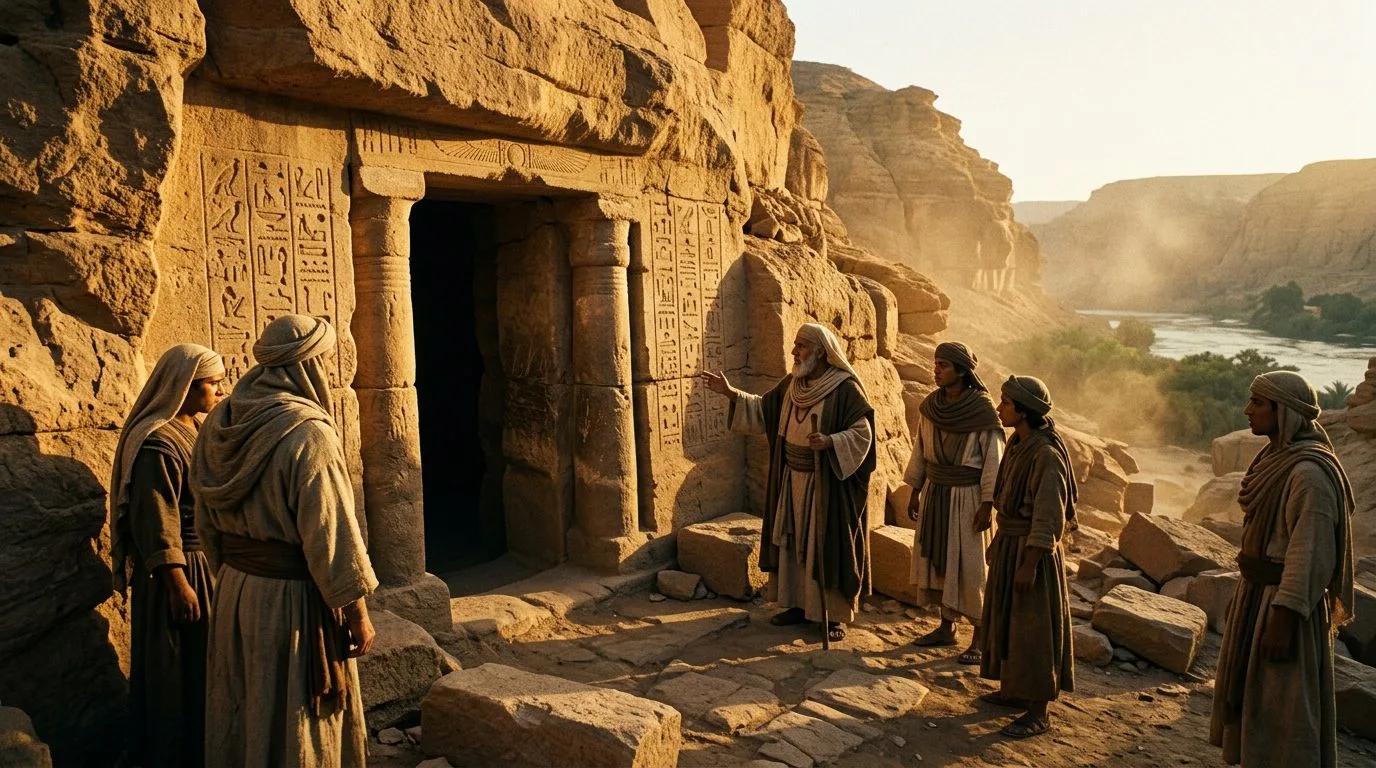
The tomb of Harkhuf at Aswan, built around 2250 BCE, contained an inscription cursing violators to wander as restless spirits denied proper burial. The text states: “He shall have no tomb, no offering table, his name shall be forgotten.” Ancient Egyptians believed that without proper burial rites, the ka spirit could not survive and the deceased would become a vengeful ghost haunting the living. This curse weaponized that fear against robbers, threatening them with the very fate they inflicted on tomb occupants. Archaeological evidence shows that some robbers attempted to reseal tombs after looting them, possibly hoping to avoid triggering this punishment.
Source: britannica.com
9. Reciprocal Desecration of the Violator’s Tomb
Reciprocal Desecration of the Violator’s
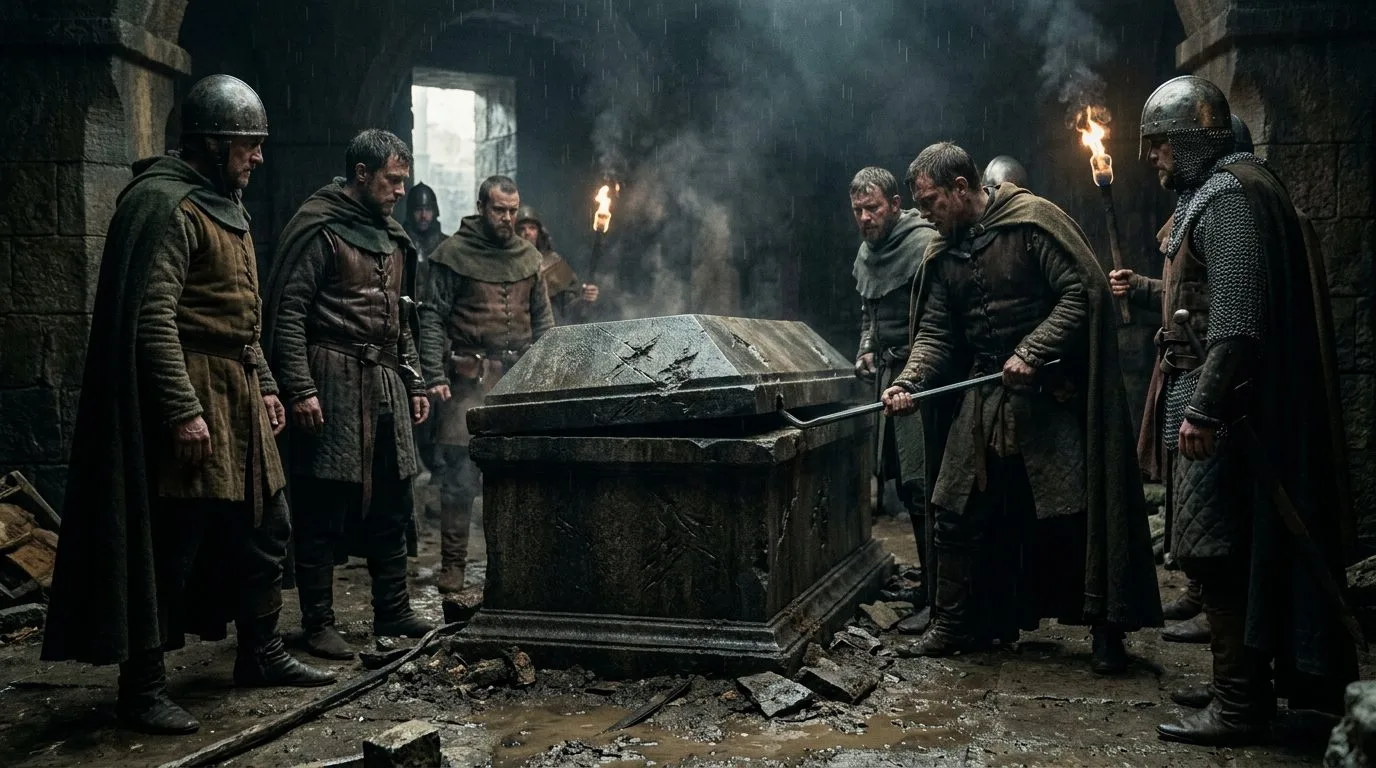
A granite sarcophagus from Giza, dated to 2100 BCE, bore a particularly clever curse: “As he does to me, so shall be done to him.” This threat promised that whatever violation the robber committed against the tomb would be visited upon his own burial place, denying him eternal rest. The curse invoked the principle of ma’at—cosmic balance and reciprocity—making it religiously unassailable. Even hardened criminals who dismissed other threats took this one seriously, as it guaranteed their own afterlife would be destroyed. Some tomb robbers left offerings behind after stealing treasures, attempting to mitigate the curse through compensatory piety.
Source: history.com
10. The Divine Pharaoh’s Personal Vengeance
The Divine Pharaoh’s Personal Vengeance
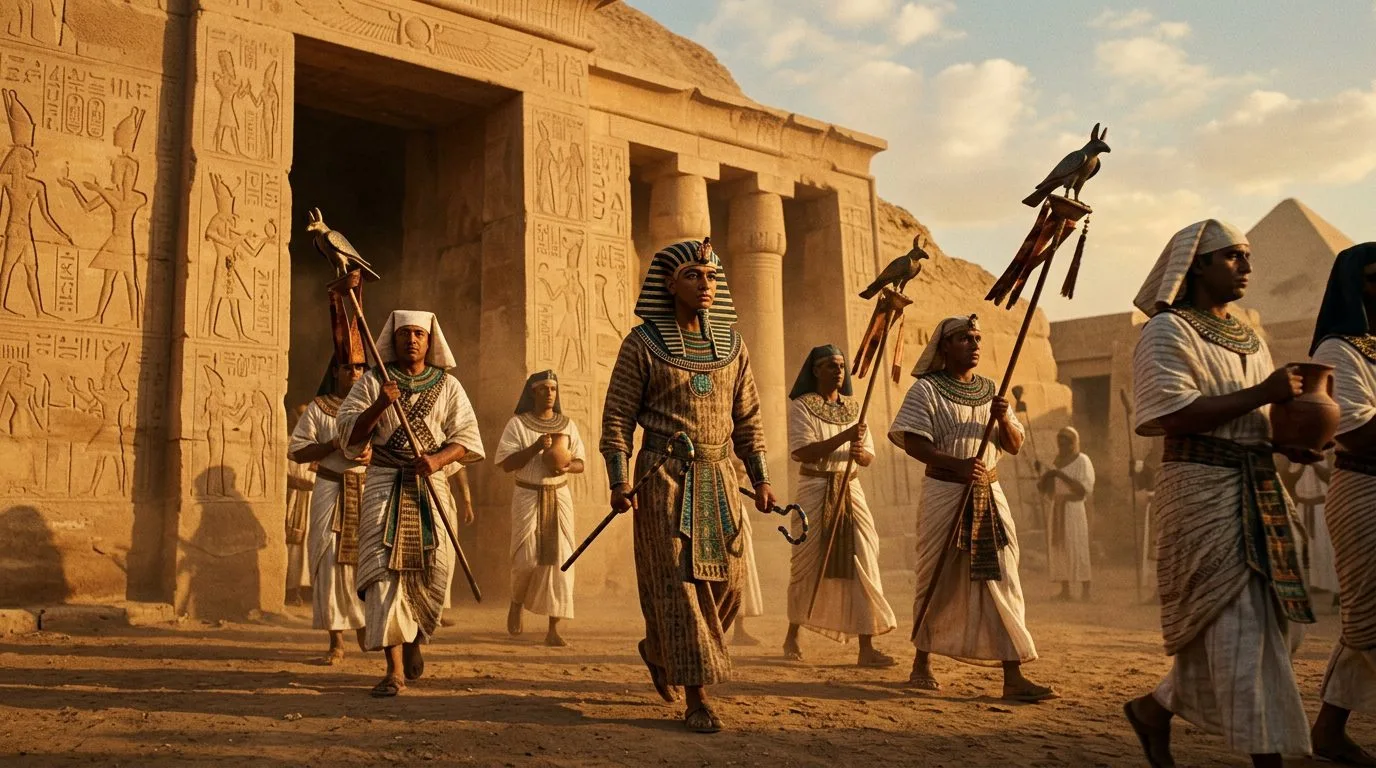
The tomb of Amenemhat II at Dahshur, constructed around 1900 BCE, invoked the pharaoh’s own divine essence to pursue violators beyond death. The inscription warned: “I am a god, son of a god, and I shall rise to punish whosoever defiles my resting place.” Pharaohs were considered living incarnations of Horus and manifestations of Ra, giving their personal curses the weight of divine law. The text promised the king’s spirit would hunt the robber through both the mortal world and the afterlife, an inescapable persecution. This curse type proliferated during the Middle Kingdom when pharaonic power was at its zenith and royal divinity was emphasized in state religion.
Source: britannica.com
Did You Know?
Did you know that some ancient Egyptian curses came true by accident? When Lord Carnarvon died months after opening Tutankhamun’s tomb in the early twentieth century, newspapers blamed a “mummy’s curse”—but King Tut’s tomb contained no curse inscriptions whatsoever. The real irony? Tombs with the most elaborate curse texts were often robbed within decades of being sealed, while Tutankhamun’s unprotected burial remained hidden for over three millennia. Perhaps the most effective curse was simply being forgotten.