
When archaeologists crack open an ancient tomb, they expect answers. Instead, some burial sites raise more questions than they solve—missing bodies, impossible engineering, cryptic warnings predating King Tut’s curse by millennia. These ten tombs guard secrets modern science still cannot explain.
1. KV55: The Tomb Where Pharaoh Disappeared
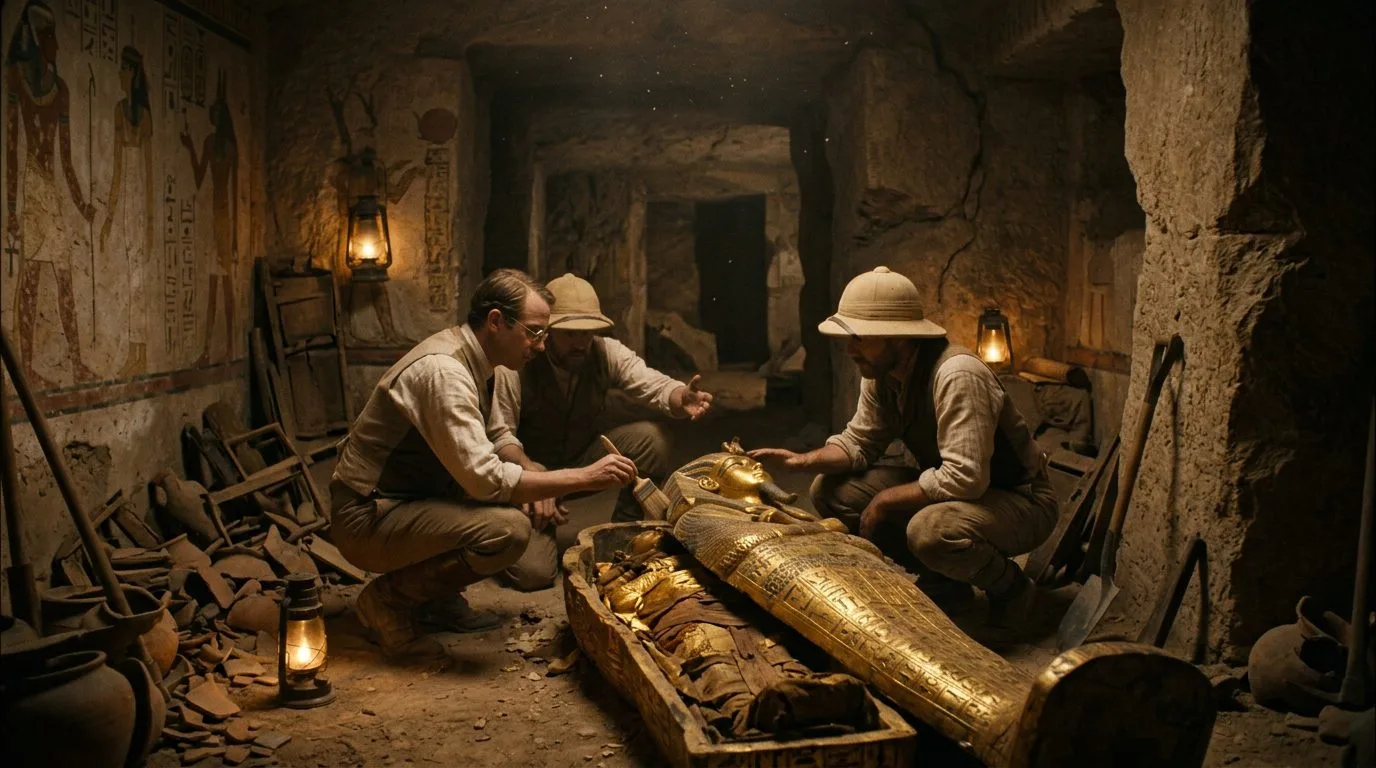
KV55: The Tomb Where Pharaoh Disappeared
In the early 20th century, excavators discovered KV55 in the Valley of the Kings, containing a mummy whose identity remains contested. The body was wrapped in gold sheets inscribed for Queen Tiye, yet skeletal analysis suggested a male aged 25-35 years. Egyptologist Theodore Davis initially declared it Akhenaten, but the mummy’s damaged skull and pelvis made definitive identification impossible. Most baffling: someone deliberately defaced the golden coffin’s cartouche before reburial, erasing the occupant’s identity forever. DNA testing in recent decades linked the remains to Tutankhamun as his father, yet this contradicts historical age estimates for Akhenaten’s death around 1336 BCE.
Source: britannica.com
2. The Tomb of Amphipolis: Greece’s Astronomical Enigma
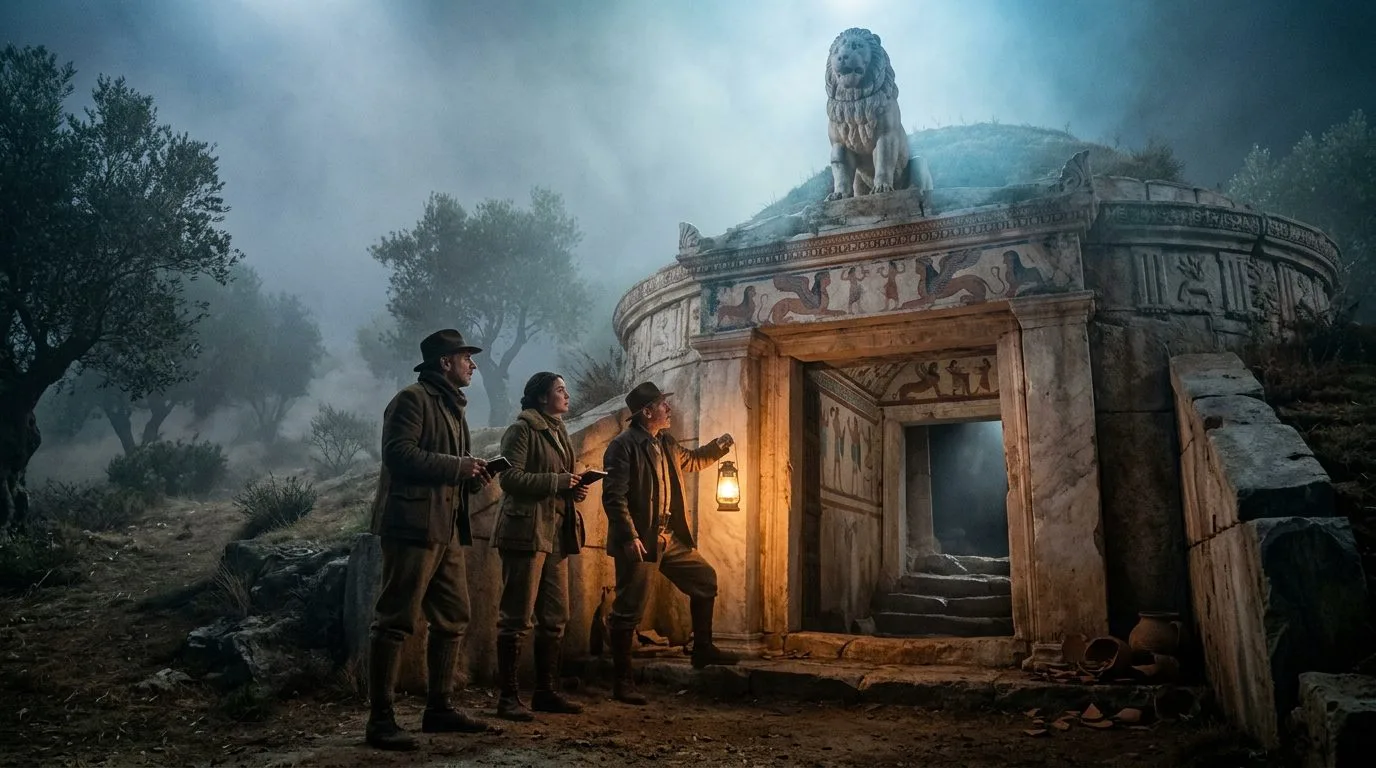
The Tomb of Amphipolis
The Kasta Tomb at Amphipolis, unearthed in the early 21st century, spans 497 meters in circumference—the largest ancient tomb ever found in Greece. Its entrance aligns precisely with the summer solstice sunrise, yet construction occurred around 325 BCE, predating known Greek interest in solar alignments by centuries. Inside, two headless sphinx statues guard a mosaic floor depicting Persephone’s abduction with mathematical precision. The burial chamber’s vaulted ceiling uses an arch technique supposedly unknown to Greeks until Roman influence. Most puzzling: the skeleton found inside belonged to a woman over 60 years old, contradicting theories that Alexander the Great’s generals built it for his wife Roxana.
Source: smithsonianmag.com
3. The Sealed Crypt of Via Latina: Rome’s Impossible Lock
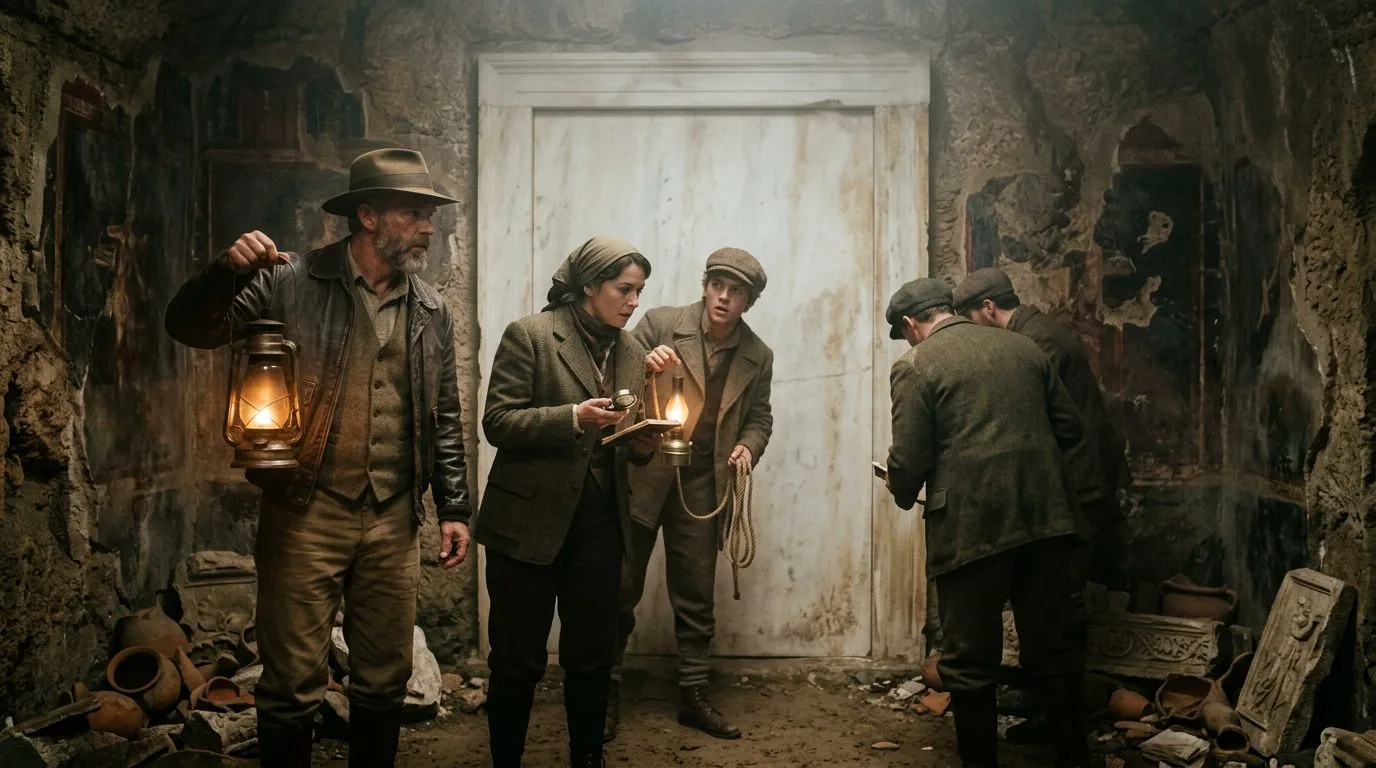
The Sealed Crypt of Via Latina
Along Rome’s Via Latina lies a 2nd-century CE tomb that defied its discoverers in the mid-19th century. The marble door bore no external handles, hinges, or locking mechanism, yet remained sealed from inside. When engineers finally breached the wall, they found the door’s bolt secured by a bronze mechanism accessible only from within—meaning the last person inside had no way to exit. The chamber contained three sarcophagi of the Valerii family, each sealed with lead that showed no tampering. Most disturbing: scratches on the interior door suggested someone tried to escape. No secondary entrance, ventilation shaft, or hidden passage has ever been found despite modern ground-penetrating radar scans.
Source: britannica.com
4. Tomb UE33 at Abydos: Egypt’s Untranslatable Script
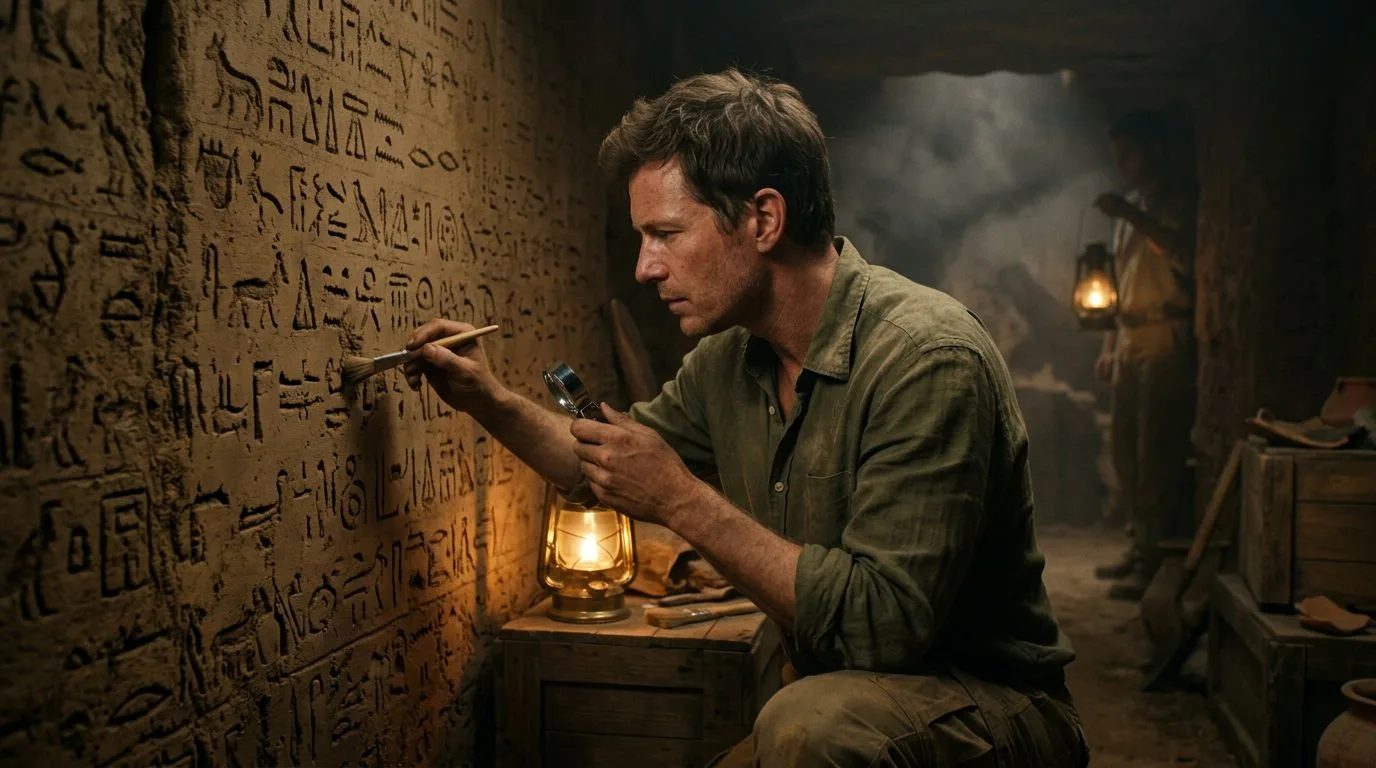
Tomb UE33 at Abydos: Egypt’s Untranslatable Script
Discovered in the late 20th century at Abydos, Tomb UE33 dates to approximately 3250 BCE during Egypt’s Predynastic Period. Its walls bear over 400 symbols that resemble hieroglyphs but follow no known grammatical pattern. Egyptologist Gunter Dreyer identified recurring sequences suggesting phonetic writing, yet the symbols don’t match any hieroglyphic dictionary compiled since Champollion’s decipherment in the early 19th century. Some glyphs appear nowhere else in Egyptian archaeology—including a spiral motif repeated 47 times with varying orientations. Without a Rosetta Stone equivalent, linguists cannot determine if these represent an earlier writing system, a regional dialect, or religious code deliberately meant to obscure meaning from tomb robbers.
Source: smithsonianmag.com
5. The Regolini-Galassi Tomb: Etruscan Engineering Marvel
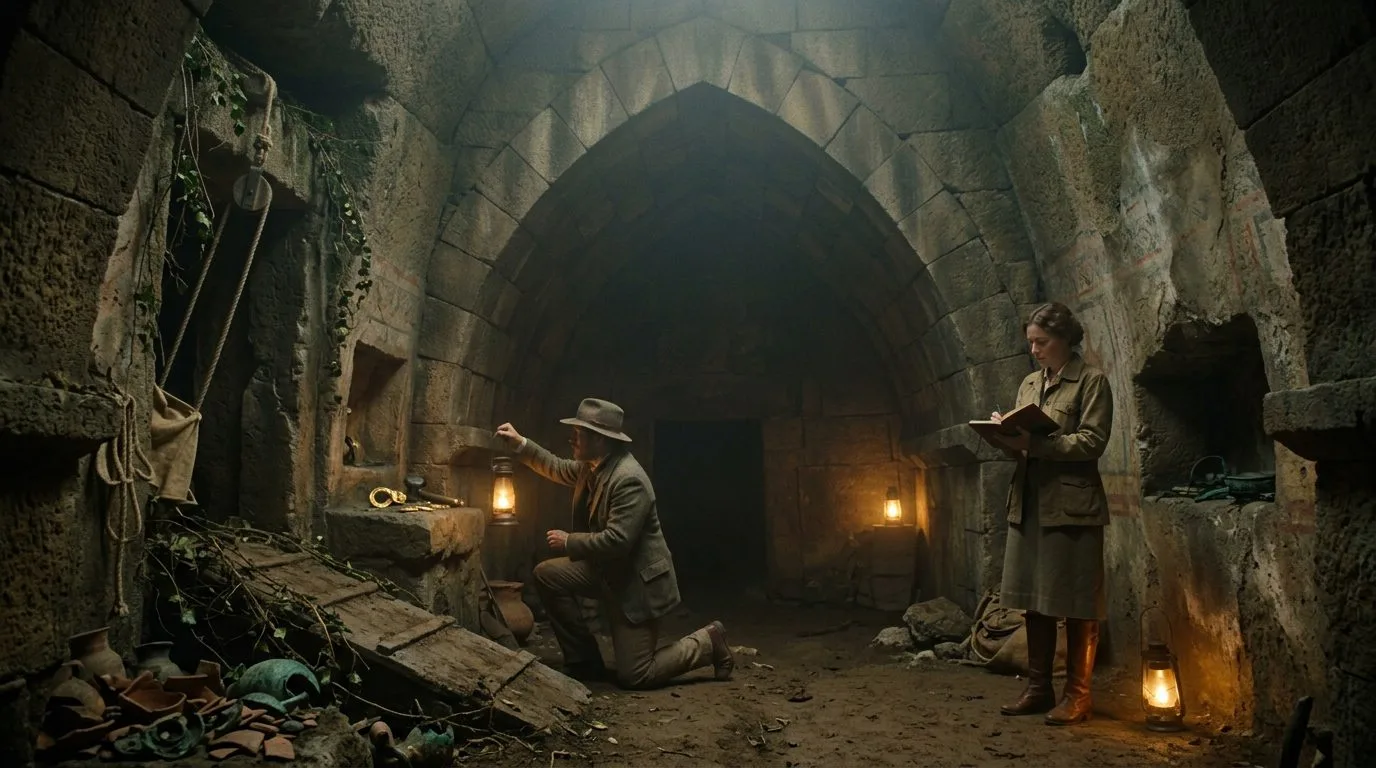
The Regolini-Galassi Tomb
Unearthed in the early 19th century near Cerveteri, this 7th-century BCE Etruscan tomb contains engineering that shouldn’t exist. Its corbeled vault spans 4.2 meters using a weight-distribution technique not documented in Mediterranean architecture until Roman innovations 400 years later. The burial chamber’s bronze door pivots on ball bearings—a mechanism European engineers wouldn’t reinvent until the 18th century. Inside, archaeologists found a woman’s skeleton adorned with a gold fibula weighing 2 kilograms, crafted using granulation so fine (0.2 millimeters) that modern jewelers struggle to replicate it. No written Etruscan records explain these advanced techniques, and the civilization left no technical manuals before Roman absorption in 264 BCE.
Source: britannica.com
6. Philip II’s Tomb at Vergina: The Perfectly Resealed Robbery
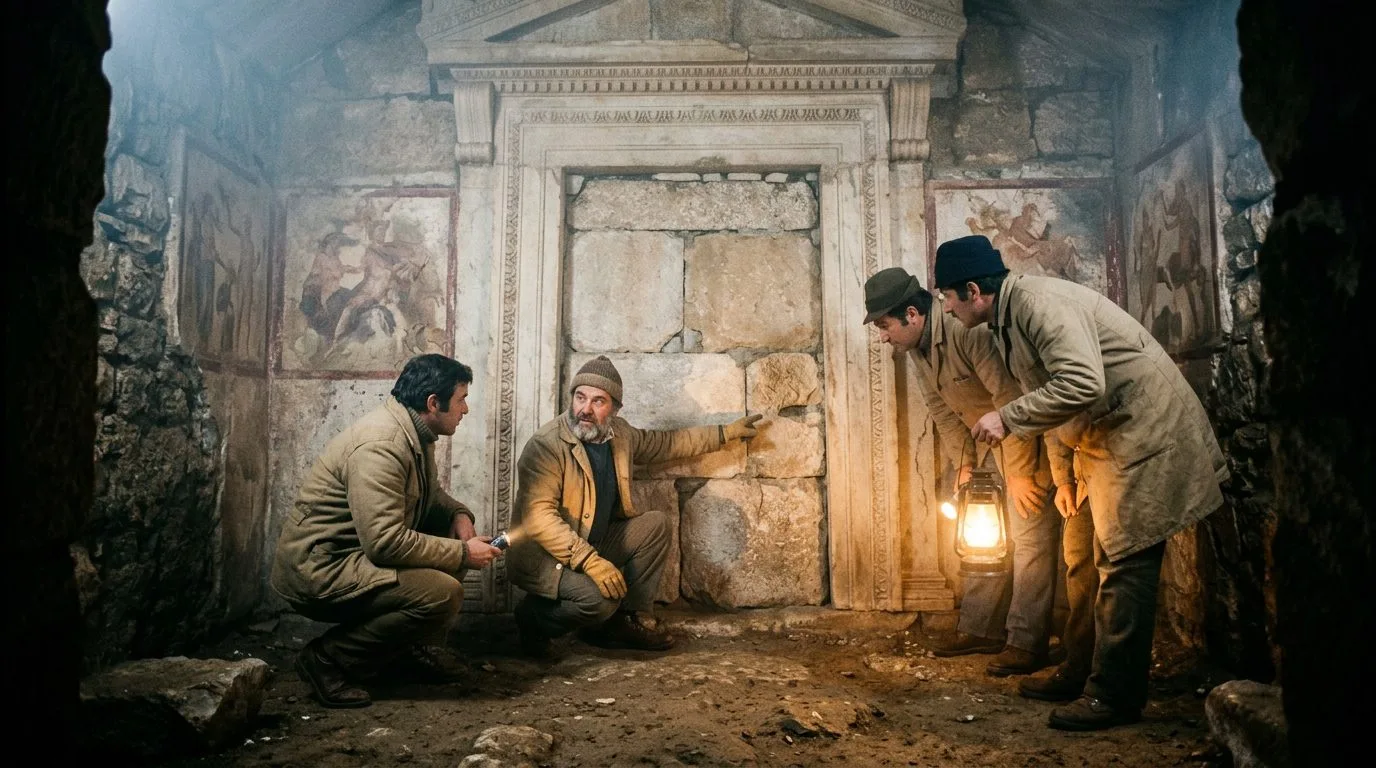
Philip II’s Tomb at Vergina
When Manolis Andronikos opened the royal tomb at Vergina in the late 20th century, he found something impossible: evidence of ancient looting followed by flawless resealing around 336 BCE. The antechamber had been stripped of valuables, yet the marble door showed no damage and its wax seal remained intact. Forensic analysis revealed the door had been removed, then rehung using original bronze fittings with such precision that modern archaeologists detected no gaps. The main chamber, believed to contain Philip II of Macedon, remained untouched—suggesting robbers knew exactly which room to violate. Most puzzling: the resealing required royal authority and skilled stonemasons, implying the theft was officially sanctioned then covered up.
Source: britannica.com
7. Seti I’s Tomb: The Labyrinth of False Promises
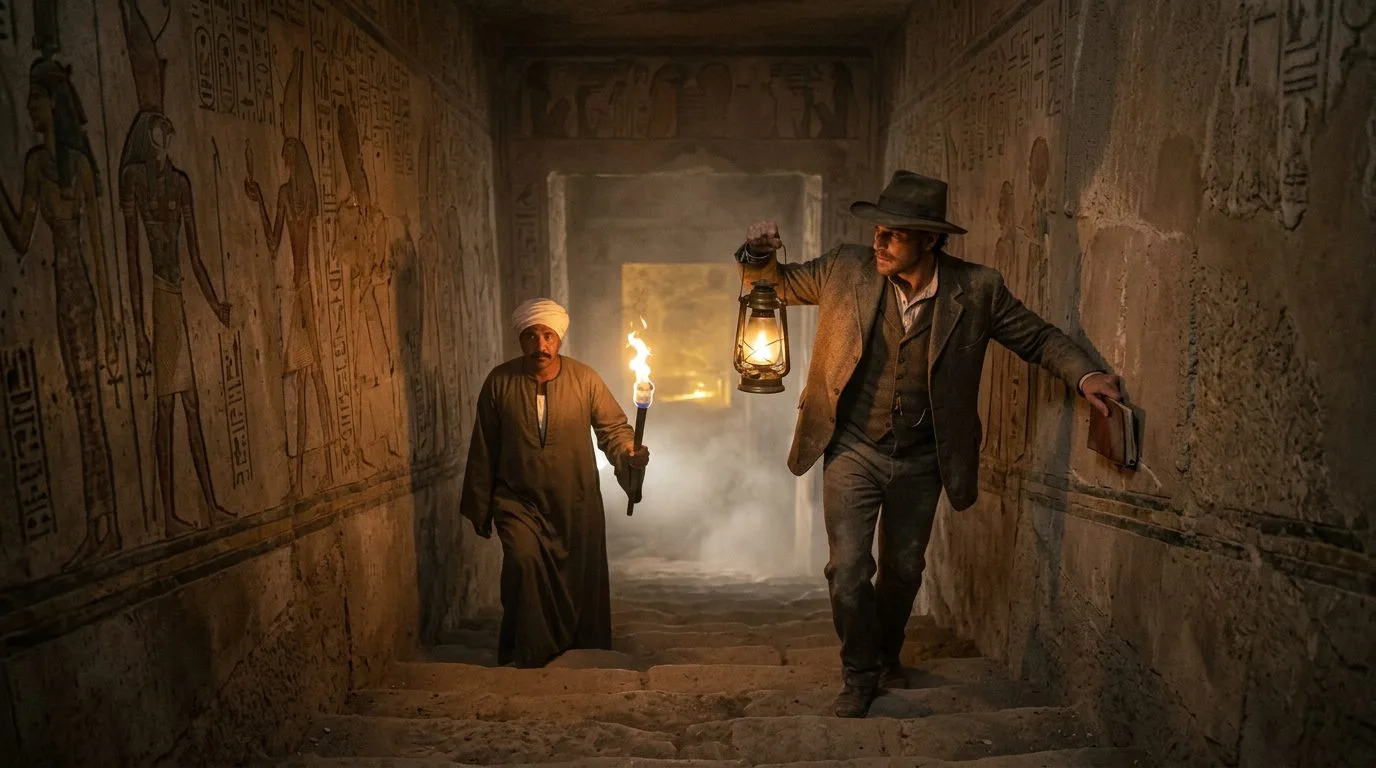
Seti I’s Tomb: The Labyrinth of False Promises
KV17, discovered by Giovanni Belzoni in the early 19th century, remains the deepest tomb in the Valley of the Kings at 137 meters. Seti I, who ruled from 1294 to 1279 BCE, designed it with seven false burial chambers, each elaborately decorated to deceive robbers. The actual burial lay beyond a hidden door painted to match surrounding limestone. Yet thieves still found Seti’s mummy—his body was later recovered in the Deir el-Bahari cache in the late 19th century, showing signs of unwrapping and rewrapping. Most baffling: the tomb contains a shaft descending 12 meters to an unfinished chamber filled with debris. Ground-penetrating radar in recent decades detected void spaces beyond the shaft that remain inaccessible, suggesting chambers Belzoni never found.
Source: britannica.com
8. The Tomb of Caecilia Metella: Rome’s Temporal Paradox
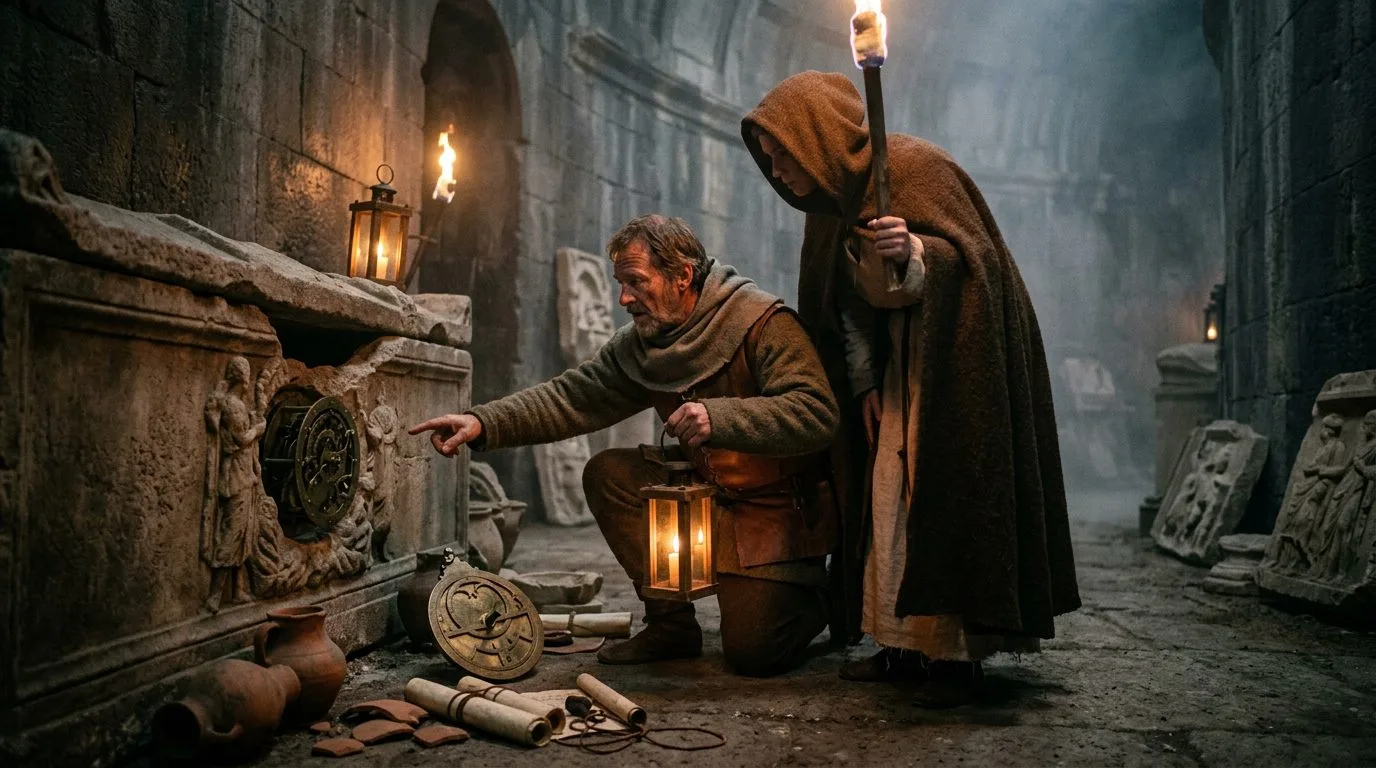
The Tomb of Caecilia Metella
This cylindrical mausoleum on the Appian Way, built around 30 BCE for Caecilia Metella, contains artifacts that violate chronological logic. When Pope Boniface VIII’s workers breached it in the early 14th century, they documented finding coins minted during Emperor Trajan’s reign in 115 CE—85 years after the tomb’s construction and sealing. The sarcophagus itself bore inscriptions using Latin grammatical forms not adopted until the 2nd century CE. Most controversial: fragments of colored glass matched chemical signatures of Byzantine production techniques from the early medieval period. Skeptics suggest medieval contamination, yet the tomb’s travertine seals showed no evidence of opening before the 14th century. No satisfactory explanation reconciles these anachronistic artifacts with the tomb’s documented construction date.
Source: britannica.com
9. The Giant of Varna: Bulgaria’s Unidentified Colossus
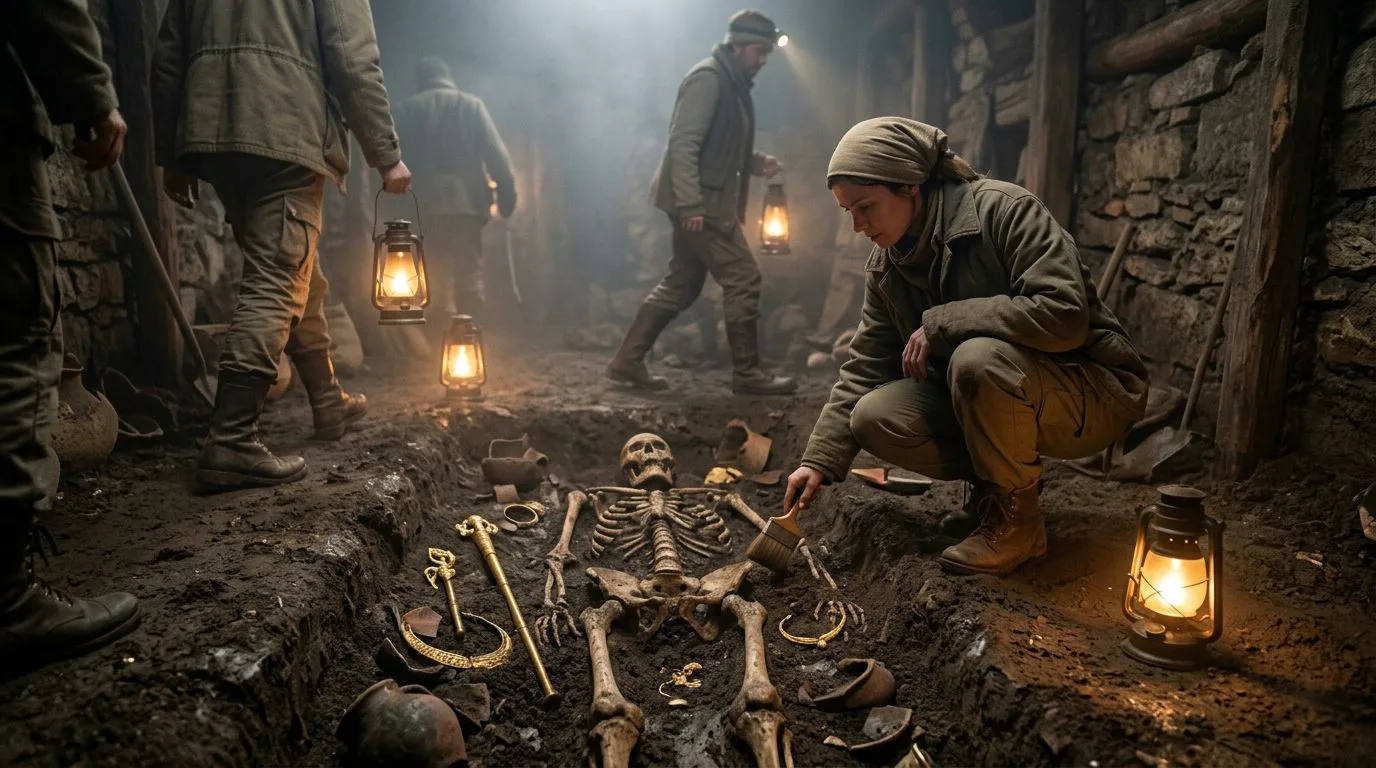
The Giant of Varna
Excavated in the late 20th century near Varna, Bulgaria, Grave 43 dates to approximately 4600 BCE and contains a skeleton measuring 2.13 meters tall. Anthropologist Yordanka Aibabin confirmed the bones showed no signs of gigantism pathology—suggesting natural height far exceeding Chalcolithic averages of 1.65 meters. The burial included 990 gold objects weighing 1.5 kilograms, the world’s oldest processed gold. DNA analysis in the early 21st century revealed genetic markers found in no modern European population. Most puzzling: the individual’s skull morphology matches no known ancient Mediterranean group, with cranial capacity of 1,750 cubic centimeters—200cc above modern human average. Isotope analysis of tooth enamel indicates childhood spent in regions geologically inconsistent with Bulgaria’s copper-age landscape.
Source: smithsonianmag.com
10. The Unopened Chambers of Djoser’s Pyramid: Technology’s Limit
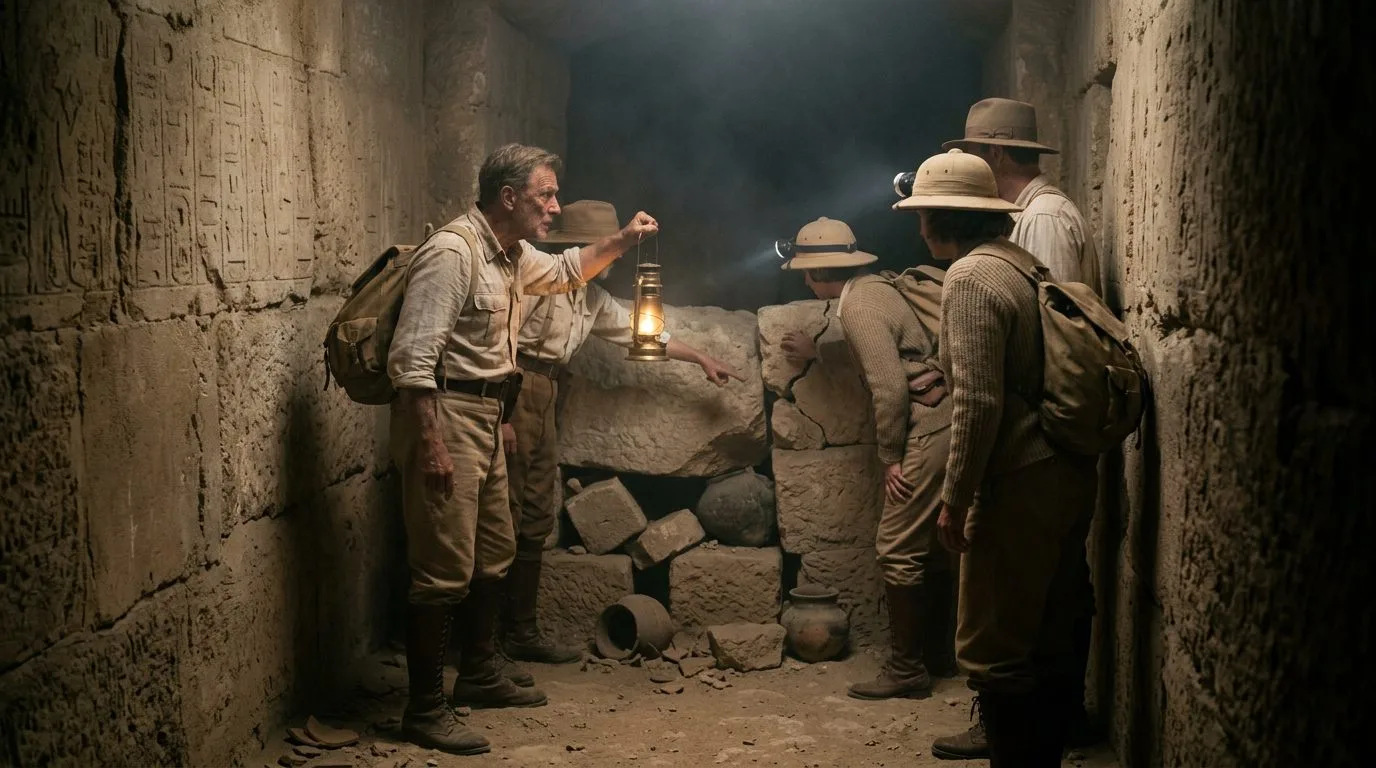
The Unopened Chambers of Djoser’s Pyramid
Beneath Djoser’s Step Pyramid at Saqqara, built around 2650 BCE, lies a network of tunnels totaling 5.8 kilometers. Archaeologist Jean-Philippe Lauer mapped 11 burial chambers in the mid-20th century, but ground-penetrating radar in the early 21st century detected at least 7 additional sealed rooms. The chambers’ limestone blocks, each weighing 3 tons, fit so precisely that modern diamond-tipped drills cannot penetrate joints without causing structural collapse. Attempts to insert fiber-optic cameras failed when the stone’s density absorbed transmitted light. Muon tomography in recent years confirmed void spaces but cannot determine contents. Most frustrating: hieroglyphs outside one sealed door reference “the star-iron of Horus”—possibly meteoritic iron artifacts that predate Egypt’s Iron Age by 1,500 years, if the chamber could be safely opened.
Source: britannica.com
Did You Know?
Did you know that some ancient tombs actually became more mysterious after archaeologists opened them? The Regolini-Galassi tomb’s ball-bearing door hinges predate their supposed invention by two millennia, while Rome’s Via Latina crypt was locked from inside with no possible exit—meaning someone willingly sealed themselves in, or was entombed alive. Perhaps most unsettling: modern technology cannot penetrate Djoser’s deepest chambers, making 4,700-year-old limestone blocks more secure than any modern vault.