
Before the guillotine fell, the French Revolution began with objects. A seditious pamphlet. A defaced portrait. A tricolor cockade. These artifacts didn’t just witness the fall of the Bourbon monarchy—they ignited it, spreading revolutionary fervor across France between 1789 and 1799.
1. Abbé Sieyès’ ‘What is the Third Estate?’ Sparked Mass Uprising

Sieyès’ powerful pamphlet ignited revolution.
A 92-page pamphlet published in January 1789 sold over 30,000 copies within weeks, making it the most dangerous book in France. Abbé Emmanuel Joseph Sieyès posed three explosive questions: What is the Third Estate? Everything. What has it been until now? Nothing. What does it desire? To become something. Printed illegally on hand presses in Paris, the pamphlet declared that commoners—representing 98% of France’s 28 million people—deserved political power equal to the clergy and nobility. King Louis XVI’s censors tried confiscating copies, but bootleg editions flooded coffeehouses and salons. The text became the intellectual foundation for the Tennis Court Oath on June 20, 1789, when 577 Third Estate deputies vowed to create a constitution.
Source: britannica.com
2. Élisabeth Vigée Le Brun’s Portrait Transformed Marie Antoinette Into Public Enemy
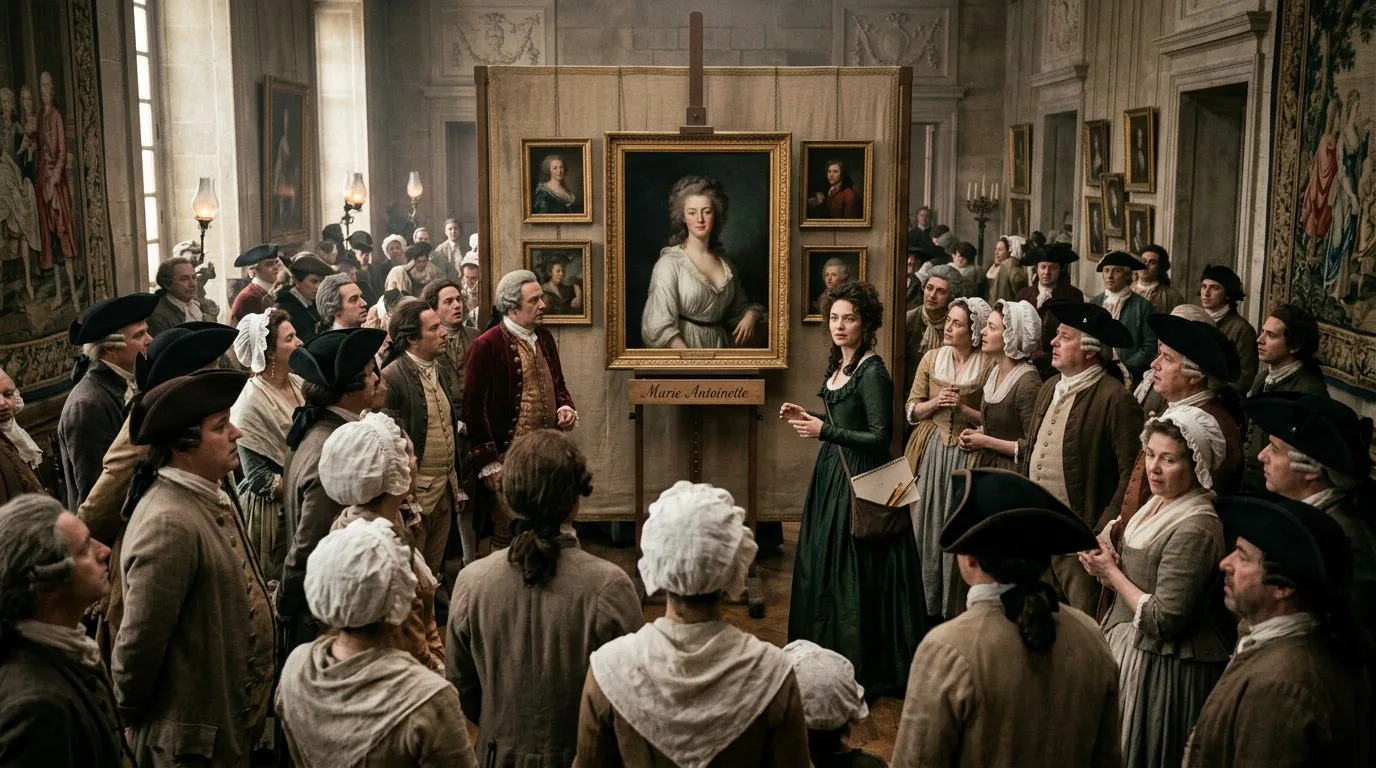
Vigée Le Brun’s portrait shifted Marie
The 1783 painting ‘Marie Antoinette en chemise’ caused immediate scandal when displayed at the Paris Salon, showing the queen in a simple muslin dress worth just 15 livres instead of court finery costing thousands. Parisians accused her of dressing like a servant while France’s debt reached 4 billion livres. By 1789, revolutionary pamphleteers reproduced the image with obscene captions, transforming Élisabeth Vigée Le Brun’s intimate portrait into anti-monarchist propaganda. Crowds defaced printed copies in the streets, scratching out the queen’s eyes and drawing nooses around her neck. The original canvas, commissioned for 8,000 livres, helped cement Marie Antoinette’s reputation for extravagance despite depicting her modestly—an irony lost on angry mobs demanding her head.
Source: britannica.com
3. The Tricolor Cockade Became Revolutionary France’s Deadly Badge
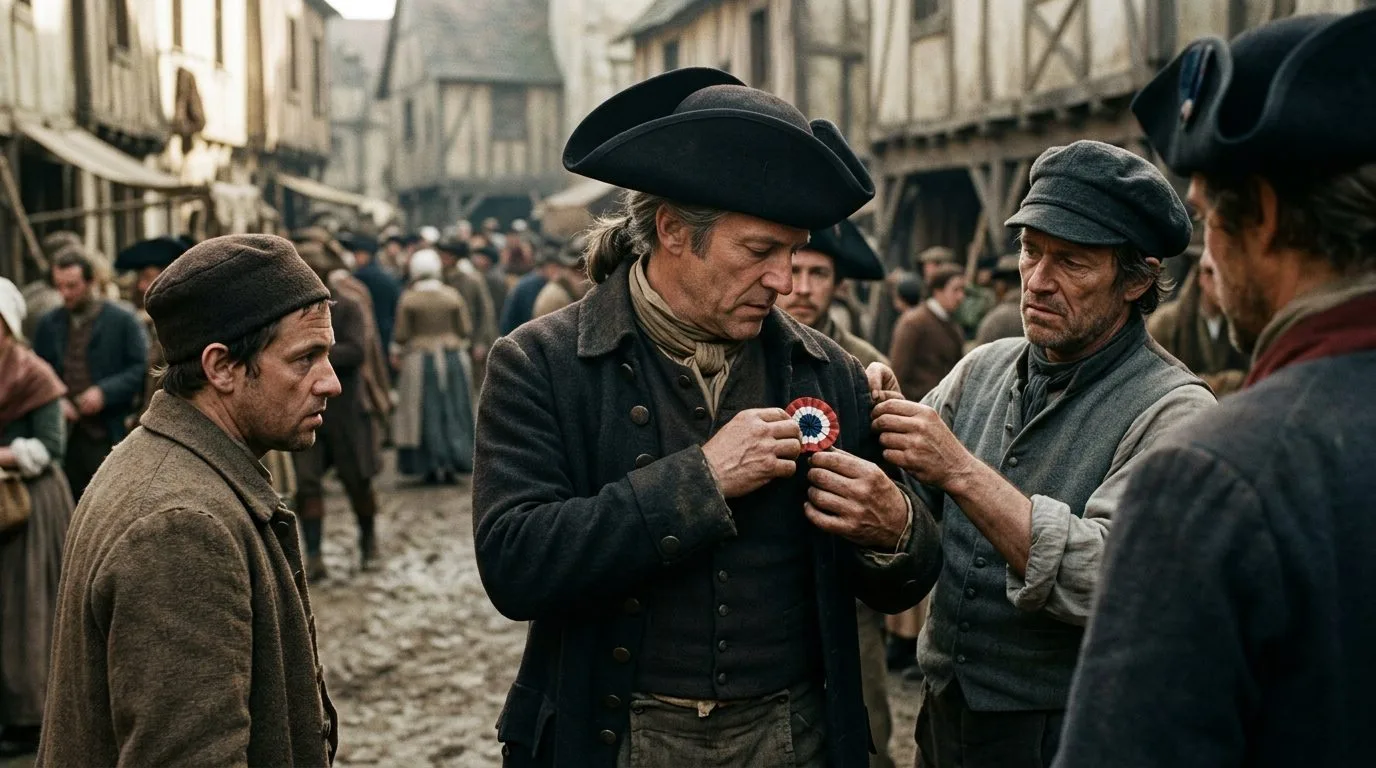
Symbol of revolution worn by French citizens.
On July 17, 1789, King Louis XVI pinned a blue-and-red cockade to his hat when visiting revolutionary Paris, adding white from the Bourbon monarchy to create the tricolor symbol. Made from cheap ribbon or wool, these badges cost just 2 sous but became mandatory under penalty of death. The Revolutionary Tribunal executed over 300 people in 1793 for refusing to wear cockades, including 73-year-old noblewoman Madame du Barry, guillotined on December 8, 1793. Women attached cockades to bonnets, men to hats, and National Guardsmen to uniforms. Approximately 15 million cockades circulated across France by 1794, sewn in basements and sold by street vendors who themselves risked execution for selling royalist white versions.
Source: britannica.com
4. Louis XVI’s Crown Jewels Funded Revolutionary Armies After Looting
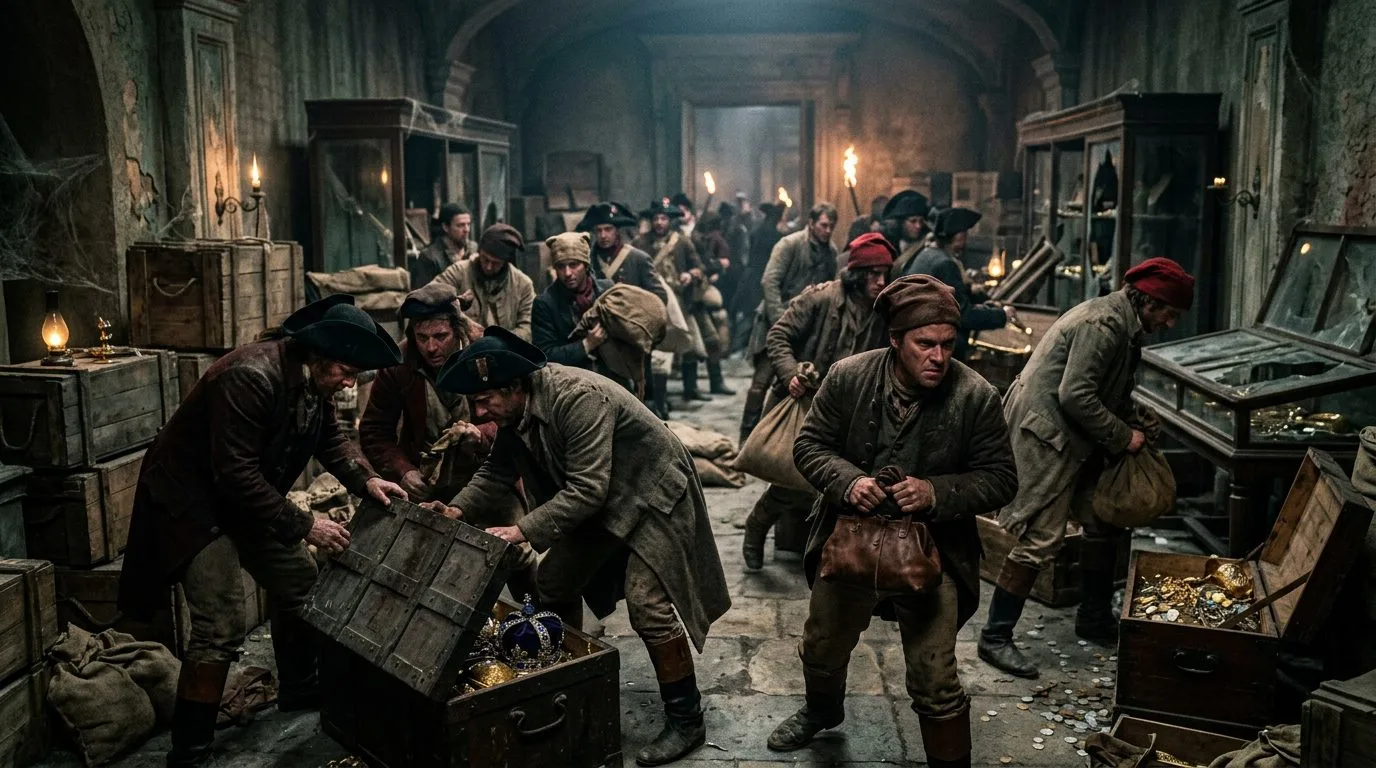
Royal treasures seized to finance rebellion.
On September 17, 1792, thieves broke into the Garde-Meuble royal treasury and stole crown jewels worth 30 million livres, including the 140-carat Regent Diamond and the sapphire-studded Crown of Louis XV. Revolutionary authorities recovered only half the gems, selling the rest at public auction to fund 12 new army battalions. The 55-carat Sancy Diamond disappeared entirely, surfacing decades later in Russia. The National Convention melted down 3,600 pounds of royal gold crowns, scepters, and orbs in October 1793, producing 45,000 gold coins stamped with ‘Liberty, Equality, Fraternity.’ Marie Antoinette’s personal diamond necklace, valued at 1.6 million livres, was dismantled and sold as 647 individual stones to Dutch merchants.
Source: smithsonianmag.com
5. Jean-Paul Marat’s Printing Press Produced 300,000 Copies of Revolutionary Fury
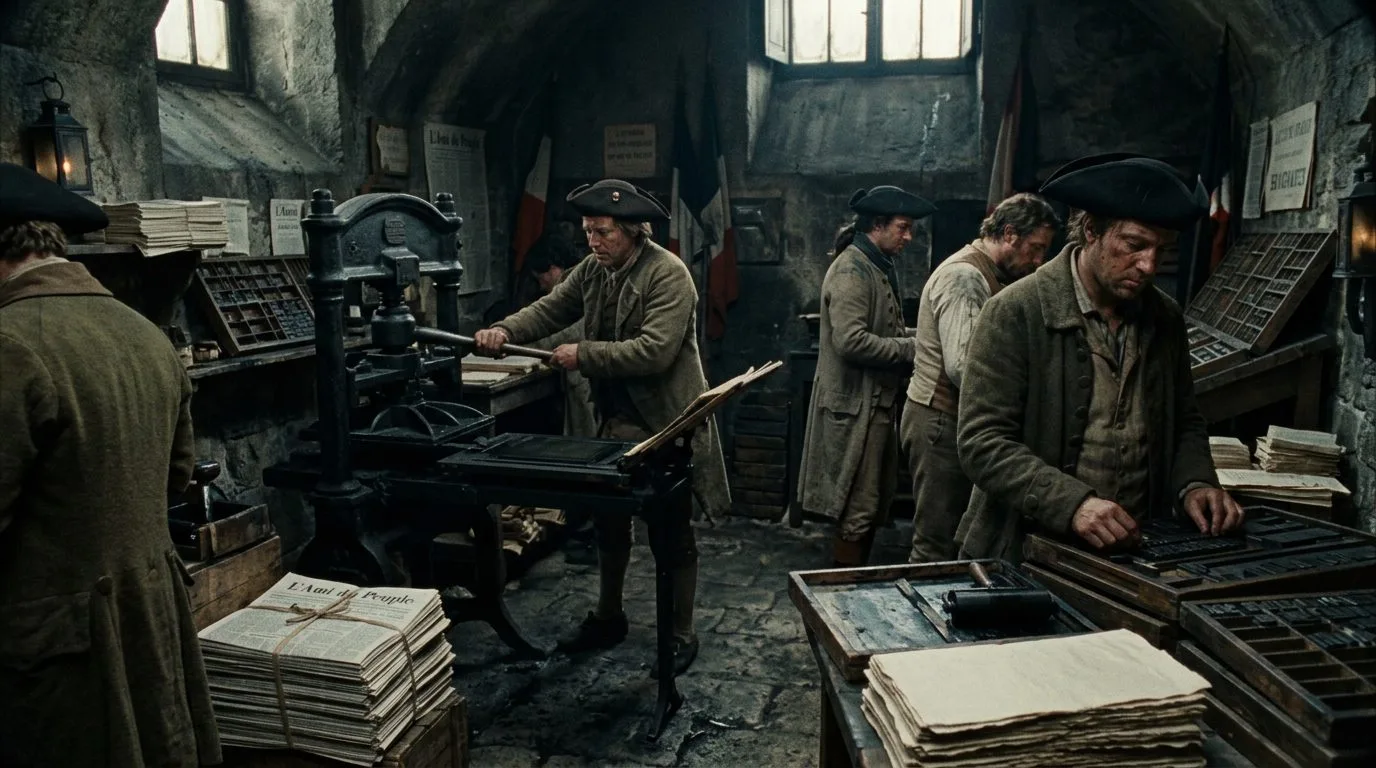
Jean-Paul Marat’s Printing Press Produced 300
The iron Stanhope press hidden in Jean-Paul Marat’s basement printed ‘L’Ami du Peuple’ newspaper six days weekly from September 1789 until his assassination on July 13, 1793. Each 4-page issue sold for 3 sous and reached circulation numbers exceeding 6,000 daily copies—revolutionary Paris had only 600,000 residents. Marat’s printer, Simon Perrault, operated the press with two apprentices, producing approximately 300,000 total issues that called for aristocratic blood. The September 24, 1792 edition demanded 270,000 executions to purify France. After Marat’s murder, Charlotte Corday’s trial revealed she’d read 47 issues before stabbing him in his bathtub. The press itself was seized as evidence, displayed publicly for three months, then returned to printing pro-Robespierre propaganda.
Source: britannica.com
6. The Red Phrygian Cap Marked Sans-Culottes as Ancient Rome’s Freed Slaves

The iconic red cap symbolized liberty and freedom
Adopted on August 10, 1792, the conical red bonnet worn by sans-culottes copied the pilleus cap Roman masters gave liberated slaves in antiquity. Jacobin Club members mandated the headwear for all ’true patriots,’ and Parisian workshops produced over 50,000 felt caps monthly by early 1793. The cap cost 8 sous—half a day’s wages for laborers earning 16 sous daily. Revolutionary imagery depicted Marianne, symbol of the Republic, wearing the bonnet rouge in paintings, coins, and public statues. When moderates questioned the cap’s radicalism in March 1794, Robespierre defended it as proof of liberation from monarchy. Ironically, the Phrygian cap originated in ancient Turkey, not Rome, making Revolutionary France’s symbol of freedom historically confused.
Source: britannica.com
7. The Declaration of Rights Parchment Hung in 60,000 Town Halls Nationwide
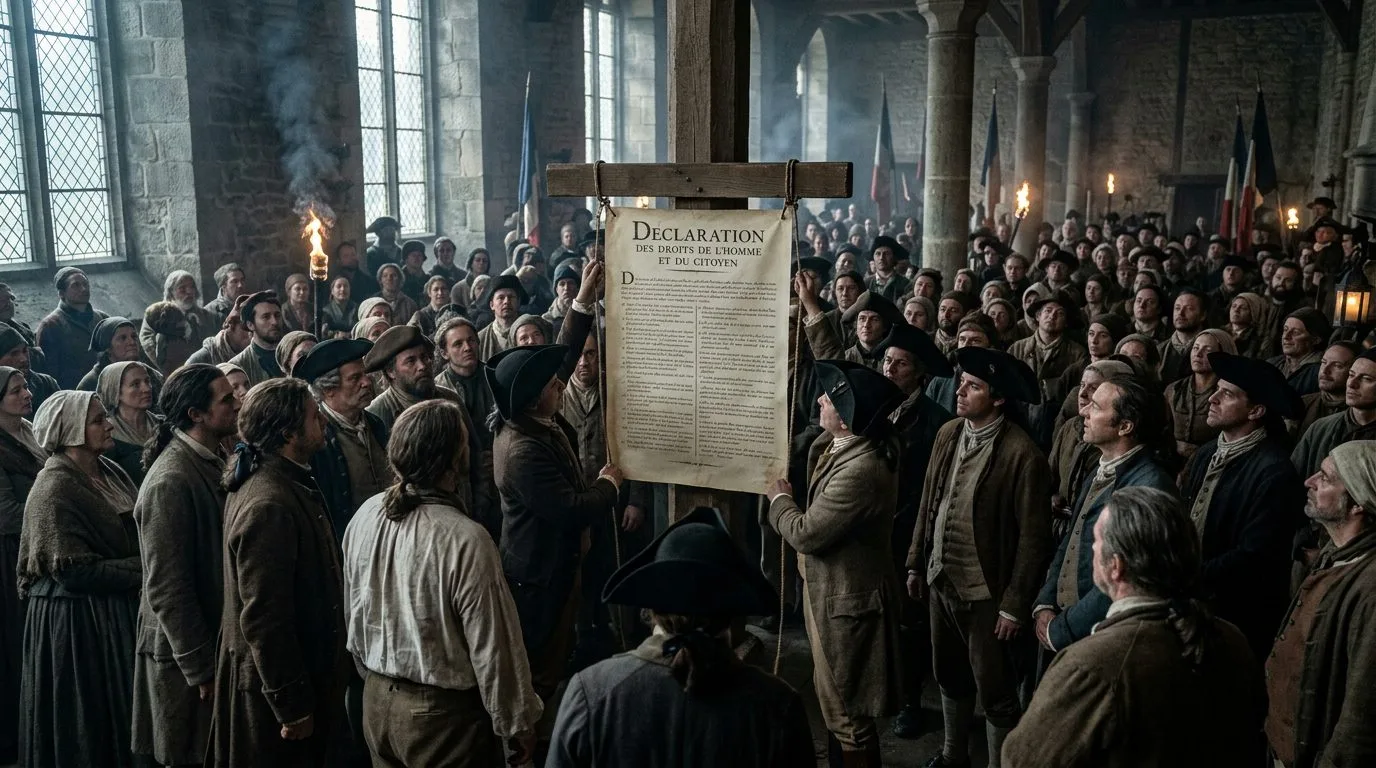
The Declaration of Rights Parchment Hung in 60
The National Assembly ratified the Declaration of the Rights of Man and Citizen on August 26, 1789, writing 17 articles on a single parchment sheet measuring 3 feet by 2 feet. By December, the Assembly ordered printed copies displayed in every commune—approximately 60,000 locations across France. Each reproduction cost the state treasury 12 livres to print and frame. Article 1 declared ‘Men are born and remain free and equal in rights,’ directly contradicting Louis XVI’s claim to divine authority. The King refused to endorse the document for two months until October 5, when 7,000 women marched on Versailles demanding bread and his signature. The original parchment survived the Revolution and now resides in France’s National Archives, having inspired 196 national constitutions worldwide.
Source: britannica.com
8. Revolutionary Playing Cards Replaced Kings With Philosophers in 1793 Decree
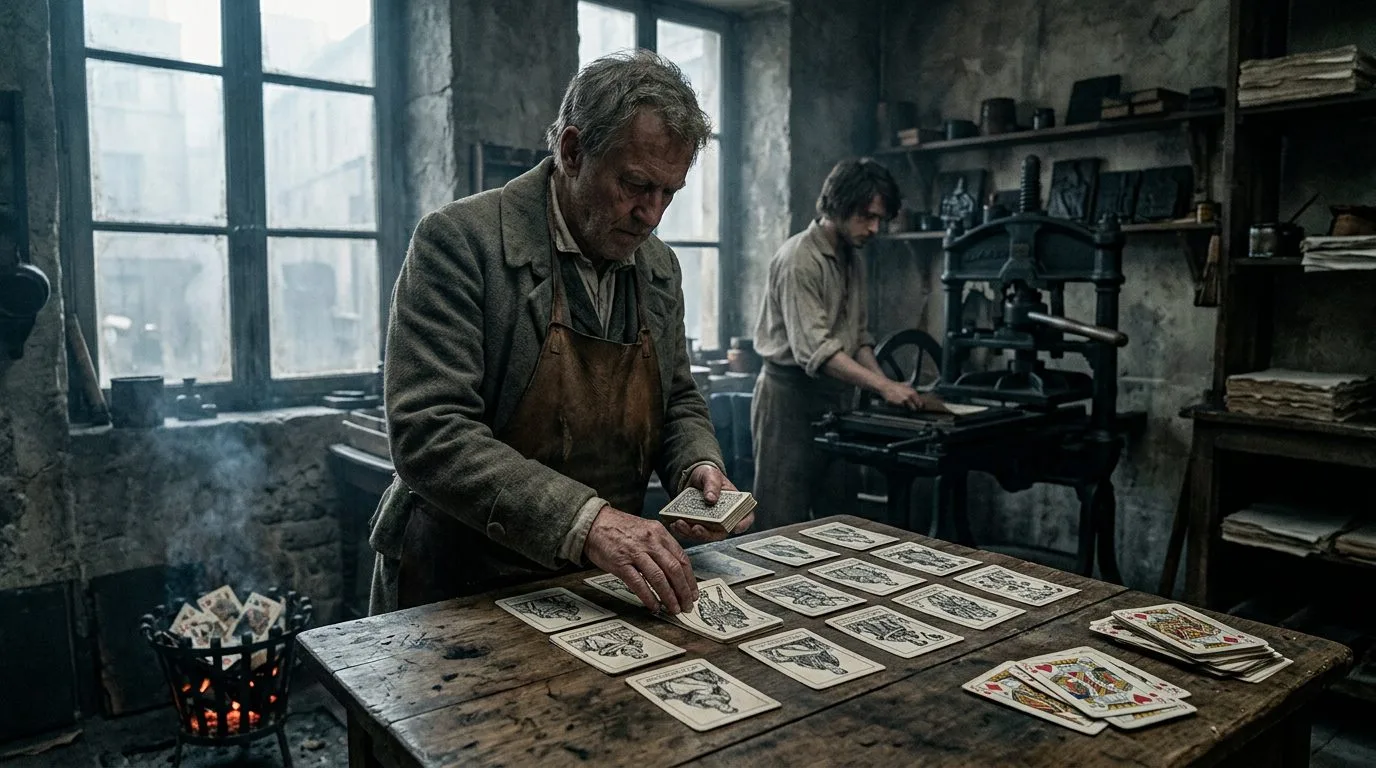
French revolutionaries redesigned playing cards
The National Convention outlawed traditional playing cards on November 24, 1793, replacing kings with Geniuses, queens with Liberties, and jacks with Equalities in mandatory new decks. Paris cardmaker Pierre Maréchal produced the first republican deck featuring Voltaire, Rousseau, and Molière instead of royal faces. Standard decks cost 15 sous, but revolutionary versions sold for 24 sous despite government price controls. Approximately 400,000 new decks circulated by mid-1794, though many French citizens kept old royalist cards hidden. Soldiers caught playing with forbidden king cards faced court-martial—three National Guard members received 20 lashes each in Lyon on January 8, 1794. The card ban lasted only 18 months before Thermidorian reactionaries reversed the decree in July 1795.
Source: smithsonianmag.com
9. The Guillotine’s Angled Blade Executed 17,000 in the Reign of Terror
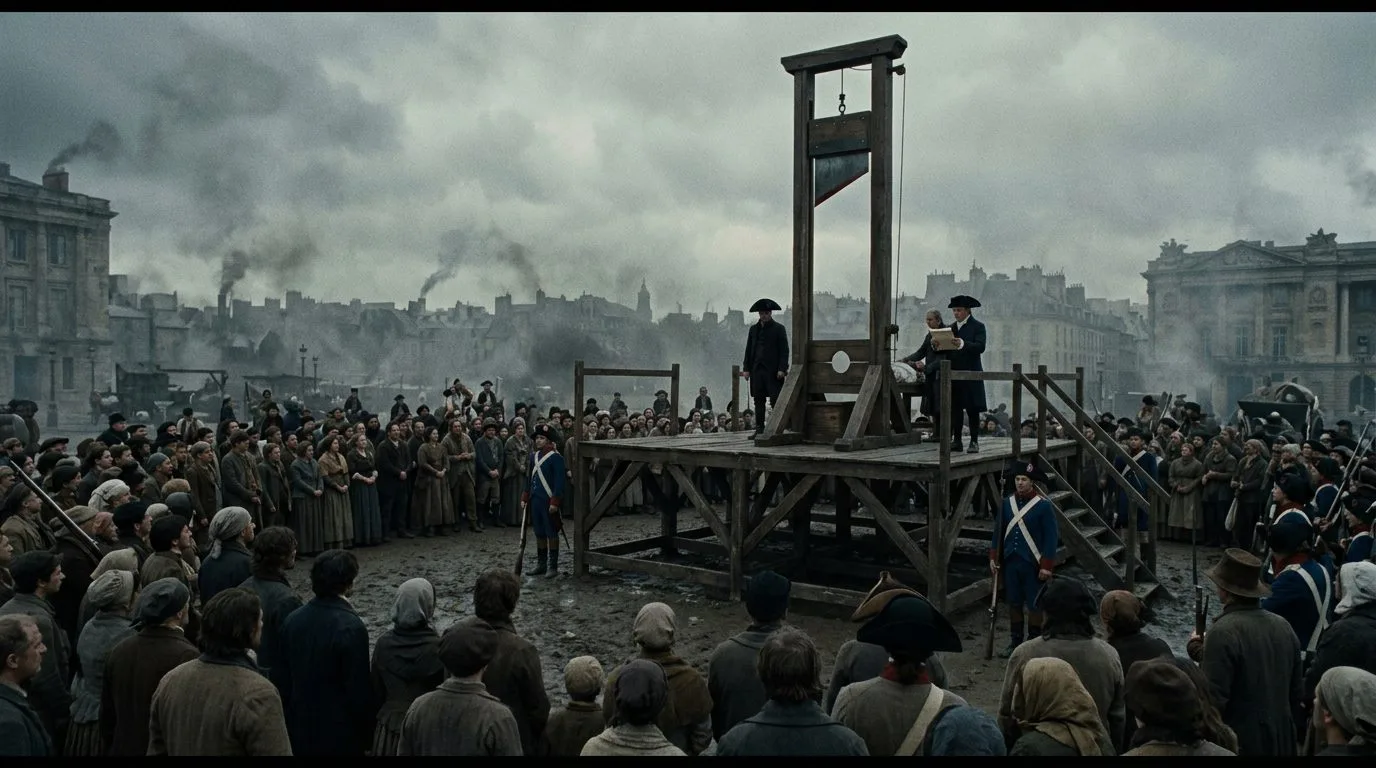
The Guillotine’s Angled Blade Executed 17
Dr. Joseph-Ignace Guillotin proposed the execution device on October 10, 1789, and German harpsichord maker Tobias Schmidt built the first prototype with a 7.25-kilogram steel blade angled at 45 degrees for 5,660 livres. The machine’s first victim, highwayman Nicolas Pelletier, died on April 25, 1792, in Paris’s Place de Grève. During the Terror between September 1793 and July 1794, the National Razor killed approximately 17,000 people—2,600 in Paris alone. The blade fell from 2.3 meters, severing necks in 0.75 seconds. Antoine-Louis, the surgeon who perfected the device, ironically had it nicknamed ‘Louison’ or ‘Louisette,’ not Guillotin, but history ignored the correction. The original blade resides in Paris’s Musée Carnavalet, still sharp after 231 years.
Source: britannica.com
10. Napoleon’s Coronation Sword Declared the Revolution Dead on December 2, 1804
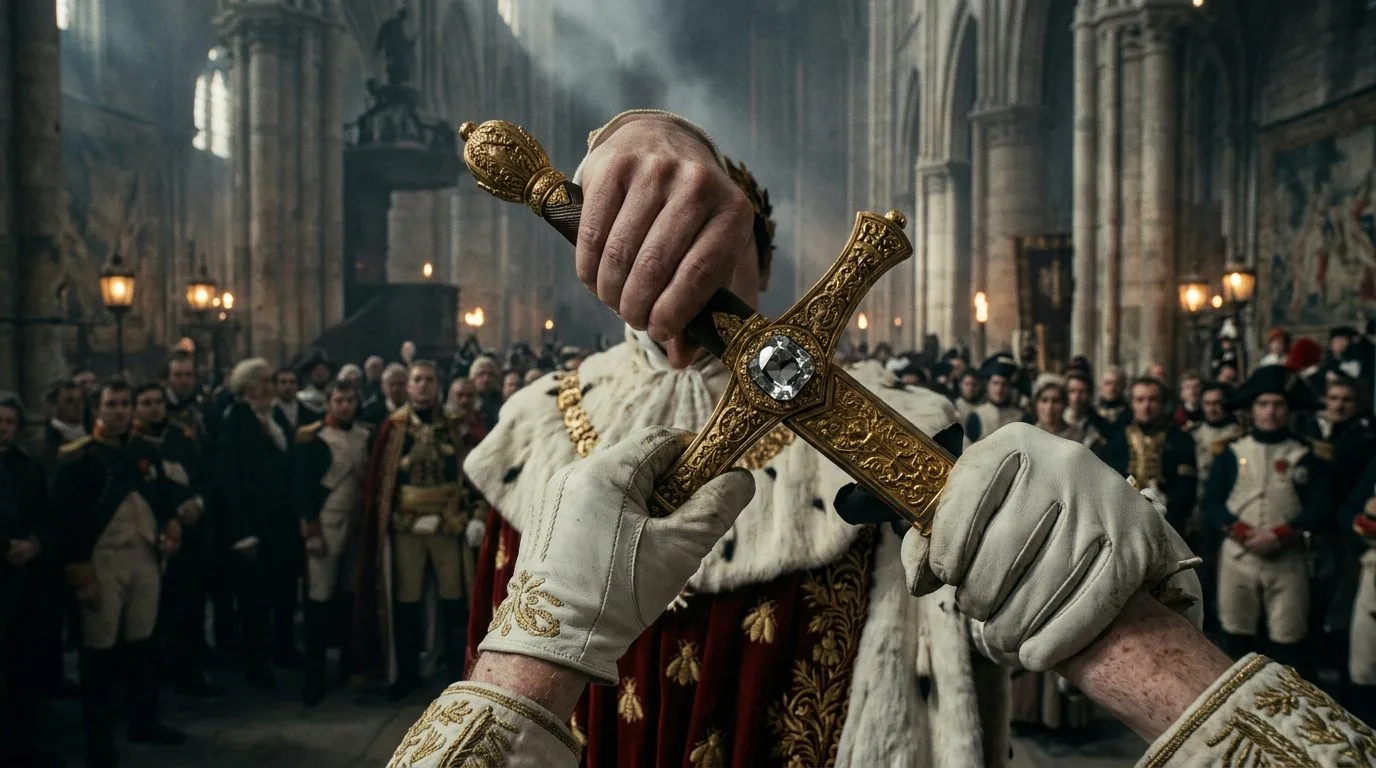
Napoleon draws his sword at his coronation.
Goldsmith Martin-Guillaume Biennais crafted Napoleon’s ceremonial sword for 100,000 francs, embedding the 140-carat Regent Diamond in its hilt for the coronation at Notre-Dame Cathedral. The 39-inch blade bore the inscription ‘Napoleon Empereur des Français,’ formally ending the First Republic that had existed since September 22, 1792. Pope Pius VII attended the ceremony where Napoleon crowned himself before 12,000 witnesses, rejecting revolutionary atheism. The sword’s golden scabbard displayed 42 diamonds and French imperial eagles—symbols the Revolution had abolished just 15 years earlier. Napoleon wore the weapon exactly once, then stored it at the Louvre, where it remained until his 1815 exile. The artifact proved that revolutionary ideals of equality died the moment one soldier declared himself emperor.
Source: britannica.com
Did You Know?
Did you know the guillotine’s inventor, Dr. Guillotin, actually opposed capital punishment and only proposed the device to make executions more humane? He spent his final years lobbying to rename the machine, horrified his name became synonymous with Revolutionary terror. Even more ironic: the printing presses that spread Enlightenment ideals of liberty printed arrest warrants for 300,000 French citizens during the Terror, transforming tools of freedom into instruments of oppression. These artifacts reveal that revolutions don’t just change governments—they weaponize the very symbols meant to liberate.