
Roman surgeons performed cataract surgery with precision tools 2,000 years ago. From battlefield triage to public sanitation systems that rival modern standards, ancient Rome pioneered medical innovations that saved millions of lives—and still do today.
1. Surgical Instruments That Modern Doctors Still Recognize
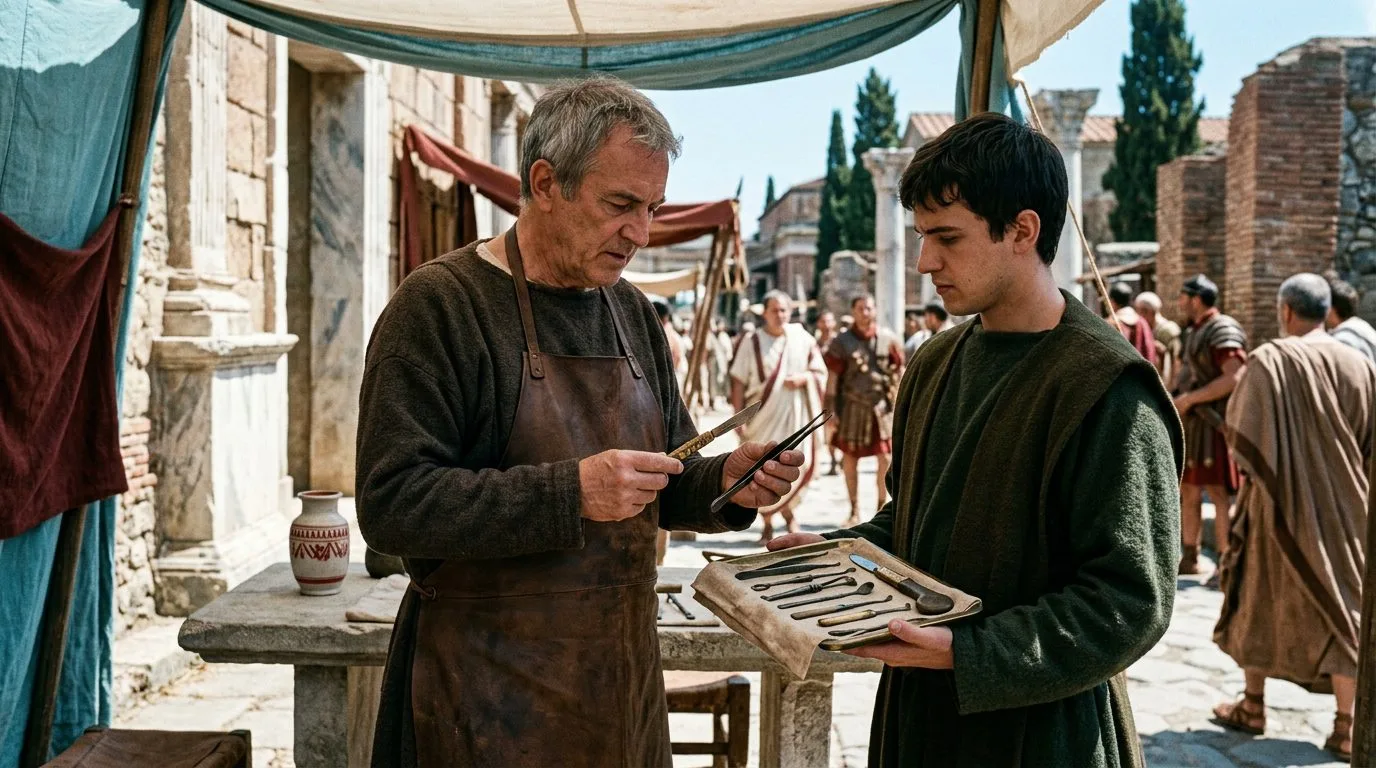
Ancient tools shaped modern surgery today.
Roman physician Galen used over 200 different surgical instruments by the 2nd century CE, including scalpels, forceps, and retractors nearly identical to modern designs. Archaeologists uncovered a complete surgical kit in Pompeii containing bone drills, catheters, and vaginal speculums that would look at home in a contemporary operating room. The Romans crafted these tools from bronze and iron with such precision that their scalpel blades could be honed to paper-thin sharpness. These standardized instruments allowed physicians across the empire to perform consistent procedures, establishing the first true surgical toolkit that physicians carried for 15 centuries afterward.
Source: smithsonianmag.com
2. The World’s First Military Field Hospitals
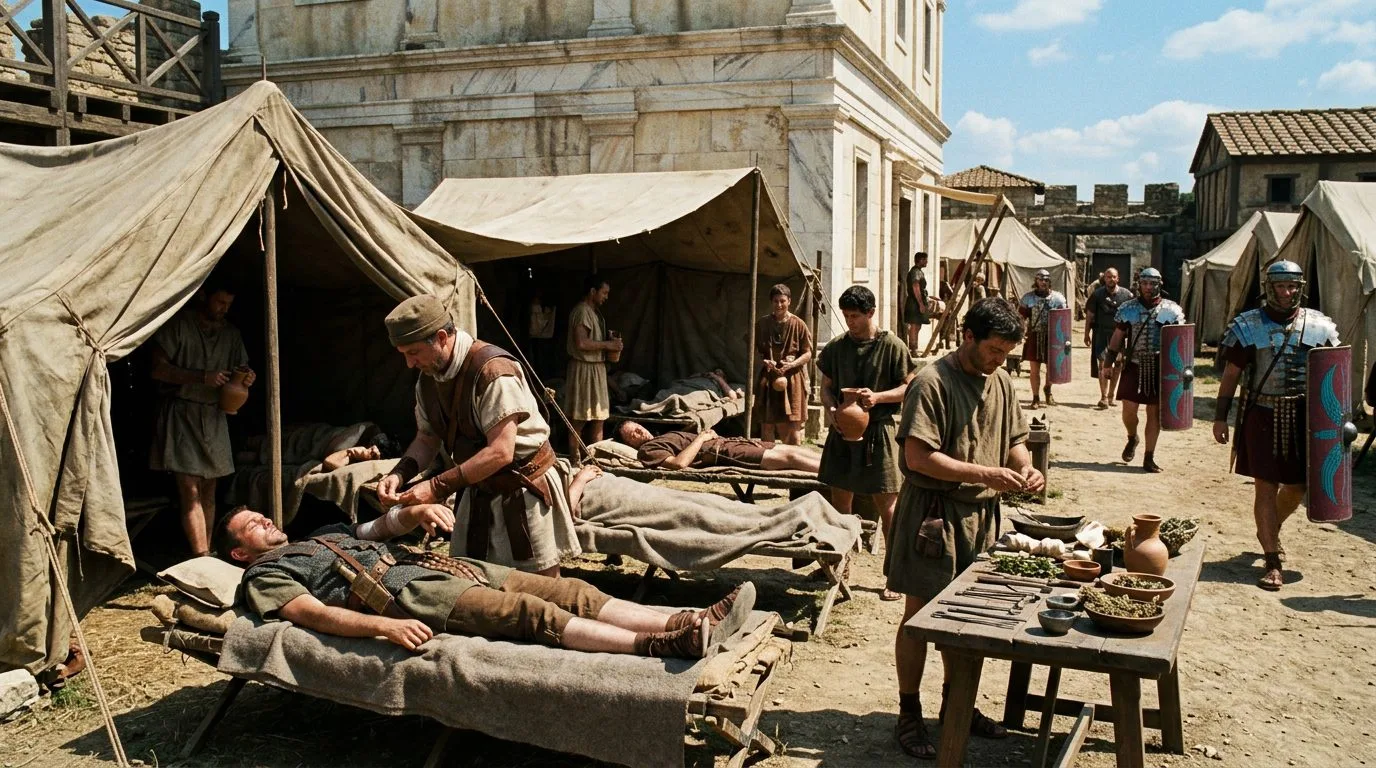
The World’s First Military Field Hospitals
Roman legions established valetudinaria—dedicated field hospitals—at every permanent fort by the early 2nd century CE, creating history’s first organized military medical system. Each hospital contained 60 to 80 beds arranged in wards around a central courtyard, complete with operating theaters, pharmacies, and recovery rooms. The fort at Vetera in Germania housed a valetudinarium capable of treating 300 wounded soldiers simultaneously. These facilities employed specialized medici (physicians) who received formal training and earned double a standard soldier’s pay. Modern combat medicine still follows the Roman model of immediate field treatment, evacuation to rear hospitals, and specialized surgical teams.
Source: britannica.com
3. cataract Surgery Before the Common Era
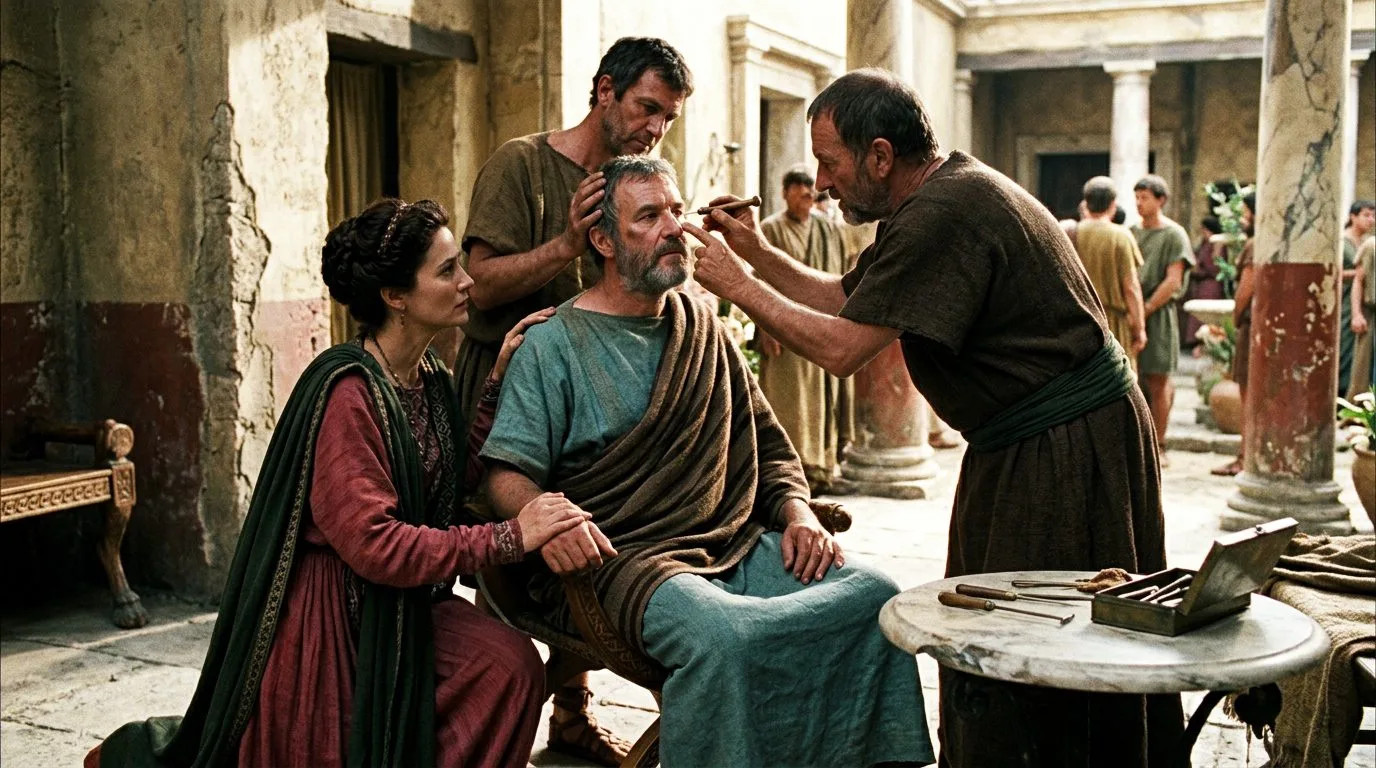
cataract Surgery Before the Common Era
Roman oculists performed couching surgery for cataracts using specialized bronze needles as early as the late 1st century BCE, restoring sight to thousands of patients. The surgeon would insert a needle beside the pupil to push the clouded lens downward, out of the visual axis—a procedure requiring extraordinary precision and nerve. Archaeological evidence from Roman Britain includes over 40 oculist stamps used to mark eye medications, proving widespread ophthalmologic practice throughout the empire. Though the technique carried risks, success rates were surprisingly high, and the basic principle of lens displacement influenced cataract surgery until the 18th century.
Source: history.com
4. aqueducts That Prevented Waterborne Disease
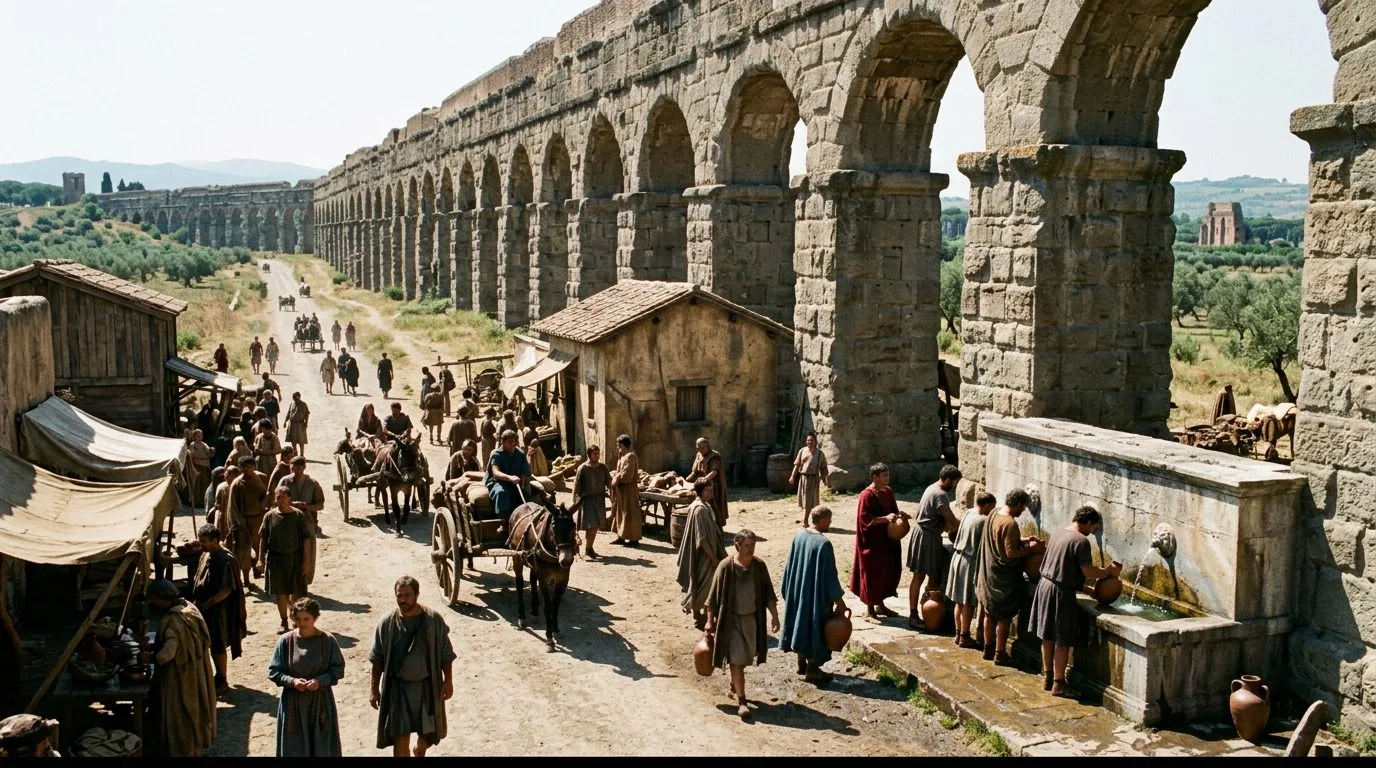
aqueducts That Prevented Waterborne Disease
Rome’s 11 aqueducts delivered 1 million cubic meters of fresh water daily by the early 3rd century CE, creating the first large-scale public health infrastructure. The Aqua Marcia alone stretched 91 kilometers and supplied water so pure that Romans called it the city’s best for drinking. By separating drinking water from waste disposal, these engineering marvels dramatically reduced cholera, typhoid, and dysentery deaths in a city of over 1 million inhabitants. The Romans understood that water quality affected health, even without germ theory. Their gravity-fed system required such precise engineering that some aqueducts maintained gradients of just 1 meter per kilometer over distances exceeding 50 kilometers.
Source: britannica.com
5. Battlefield Triage and Prioritized Care
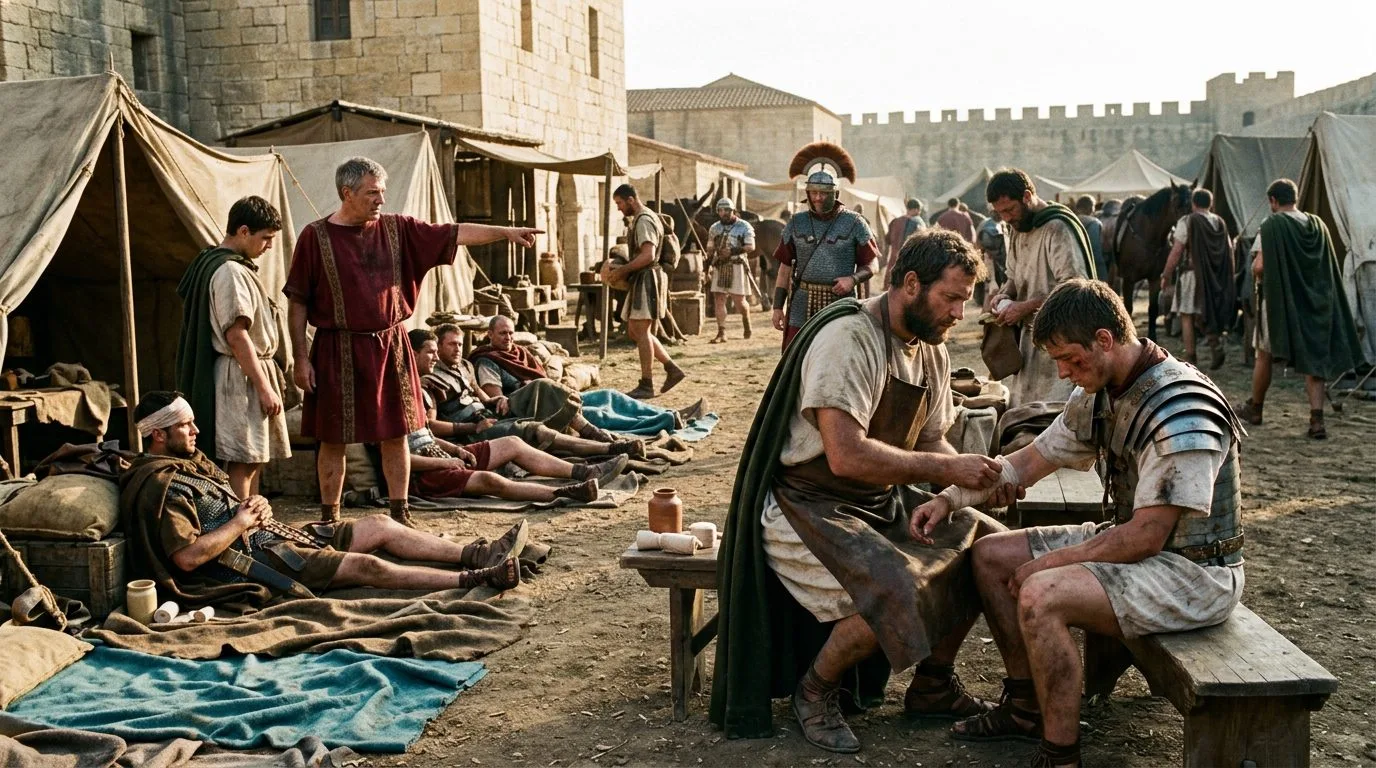
Battlefield Triage and Prioritized Care
Roman military physicians developed triage protocols by the mid-1st century CE, categorizing wounded soldiers by treatment urgency—a system that saved countless lives in ancient battles. Legion medics learned to distinguish between immediately treatable wounds, those requiring surgery, and mortally wounded soldiers who received comfort care only. The physician Celsus described this sorting process in his medical encyclopedia De Medicina, written in the early 1st century CE. Roman military hospitals tracked survival rates by wound type, creating the first evidence-based approach to combat medicine. This systematic prioritization became the foundation for modern emergency room protocols and battlefield medical evacuation procedures still used today.
Source: smithsonianmag.com
6. Public Latrines That Revolutionized Sanitation
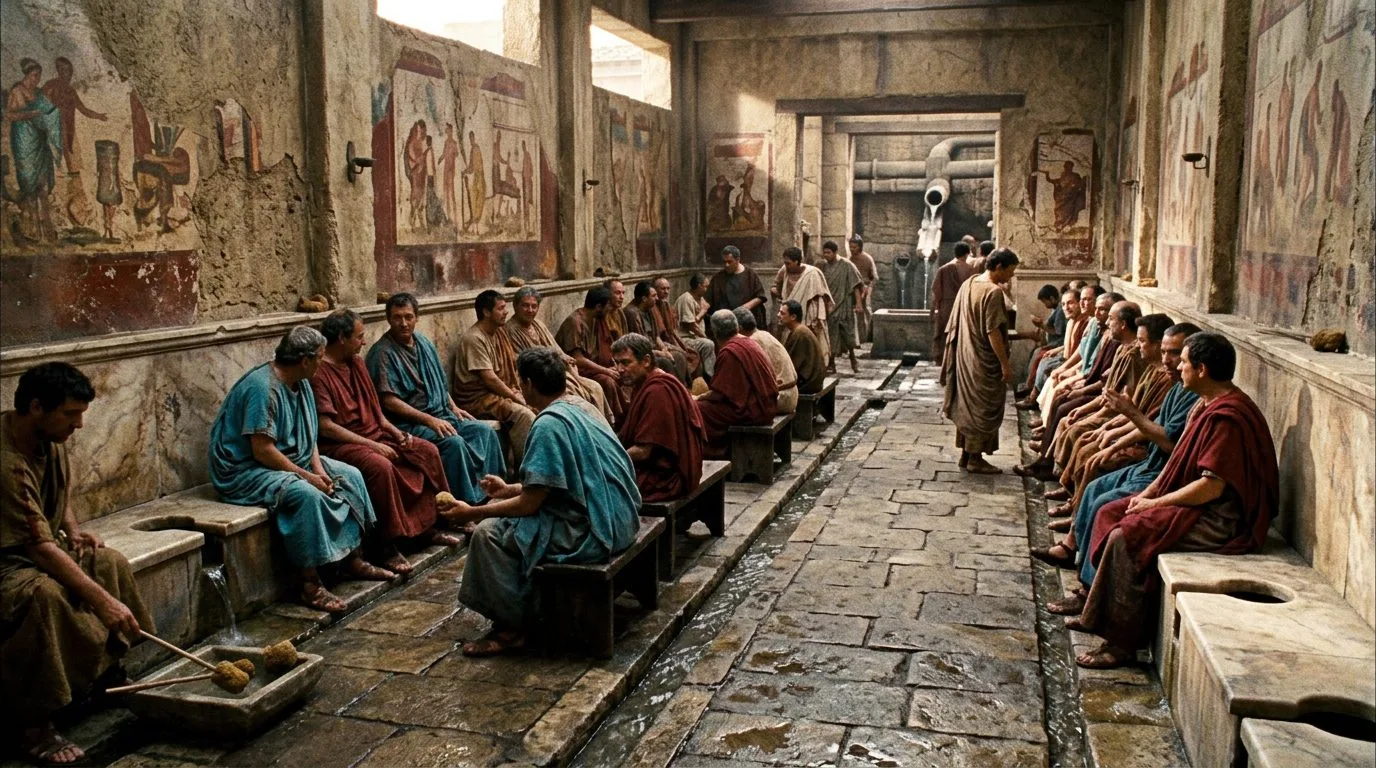
Public Latrines That Revolutionized Sanitation
Rome operated over 144 public latrines by the early 4th century CE, each serving dozens of citizens simultaneously with running water systems that flushed waste into underground sewers. The Cloaca Maxima sewer, built in the 6th century BCE, remained operational for over 2,000 years and still drains parts of Rome today. These facilities prevented human waste from contaminating streets and water supplies, reducing intestinal parasites and infectious diseases significantly. Archaeological evidence shows Romans even used communal sponges on sticks as toilet paper, sterilized between uses in vinegar or salt water. This infrastructure made Rome cleaner than most European cities would be until the 19th century.
Source: history.com
7. Cesarean Sections Performed on Living Mothers
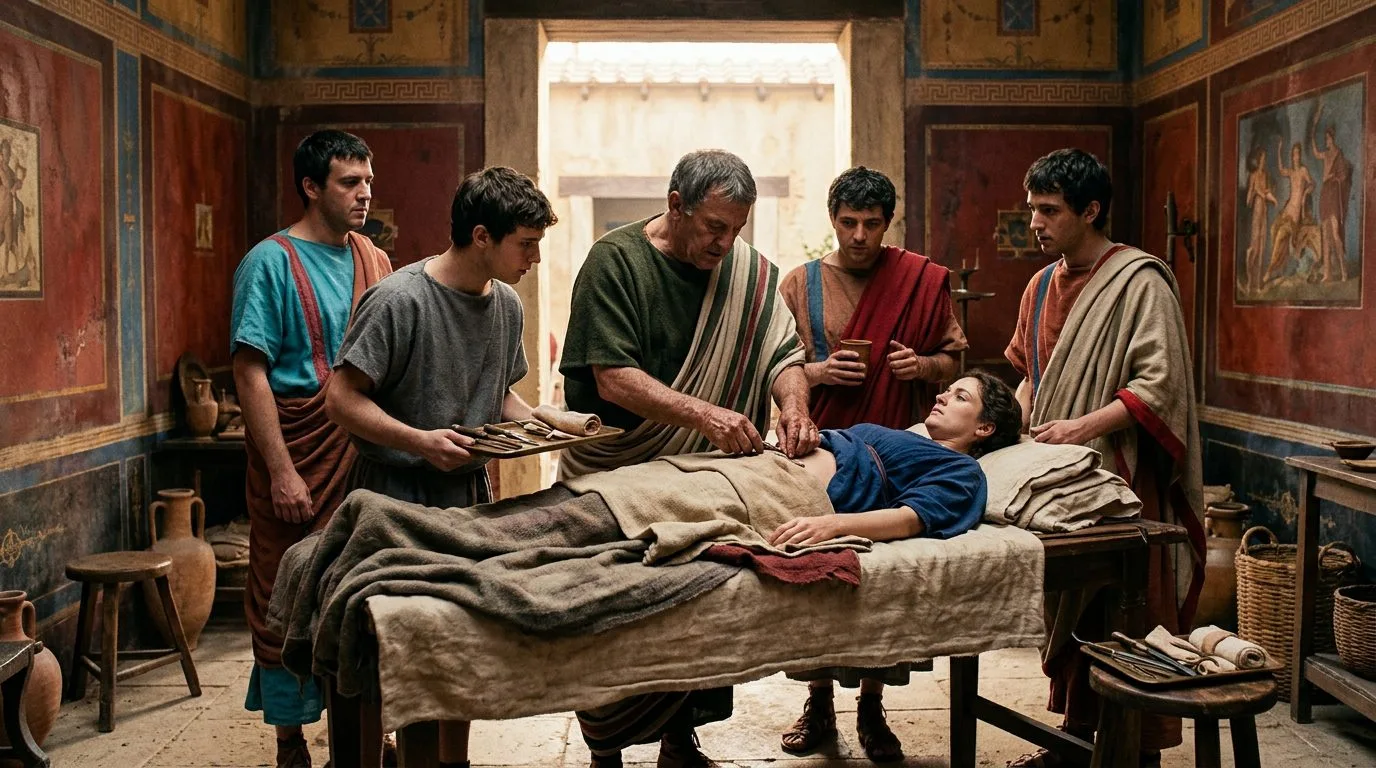
Cesarean Sections Performed on Living Mothers
Roman physicians attempted cesarean deliveries on living mothers as early as the 2nd century CE, though success rates remained low until modern times. The procedure’s name allegedly derives from Julius Caesar, though he was not born this way—his mother Aurelia lived decades after his birth in the 1st century BCE. Roman law actually mandated the procedure when a mother died in late pregnancy, showing their understanding that the fetus might survive extraction. The Lex Caesarea required this intervention, making Rome the first civilization to legally protect the unborn through surgical intervention. While maternal survival was rare, the Romans established surgical techniques and legal frameworks that persisted for centuries.
Source: britannica.com
8. Pharmacological Recipes That Still Work
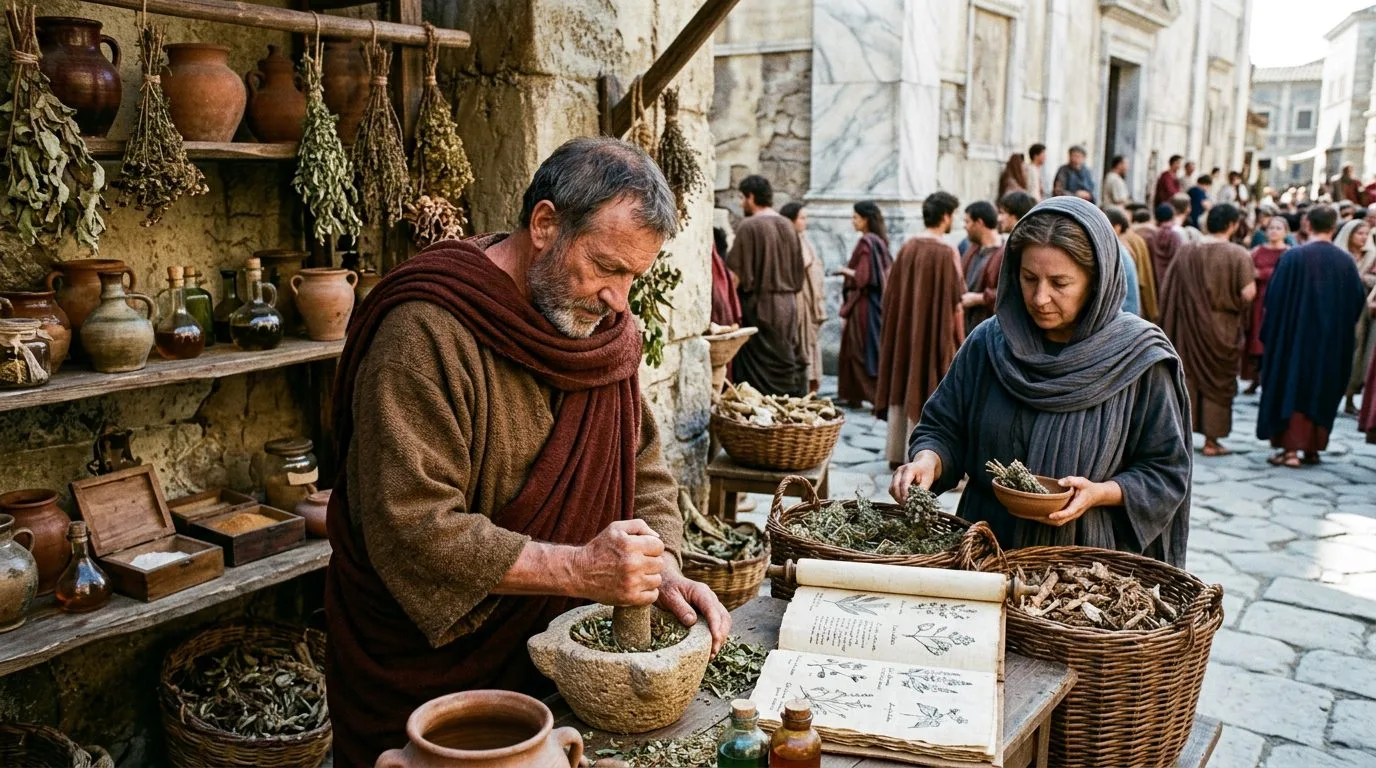
Pharmacological Recipes That Still Work
Roman pharmacists compounded over 600 herbal remedies documented by Dioscorides in his pharmacological encyclopedia De Materia Medica in the 1st century CE. This text remained the authoritative pharmaceutical reference for 1,500 years and described medications including opium for pain, willow bark for fever (containing salicylic acid, the basis for aspirin), and digitalis for heart conditions. Romans created pills, ointments, suppositories, and tinctures using techniques remarkably similar to modern pharmaceutical preparation. They even understood drug dosage, with Galen creating a classification system for medication strength that ranged from mild to severe. Modern analysis confirms many Roman remedies contain active pharmaceutical compounds.
Source: smithsonianmag.com
9. Medical Specialization and Professional Licensing
Medical Specialization and Professional Licensing
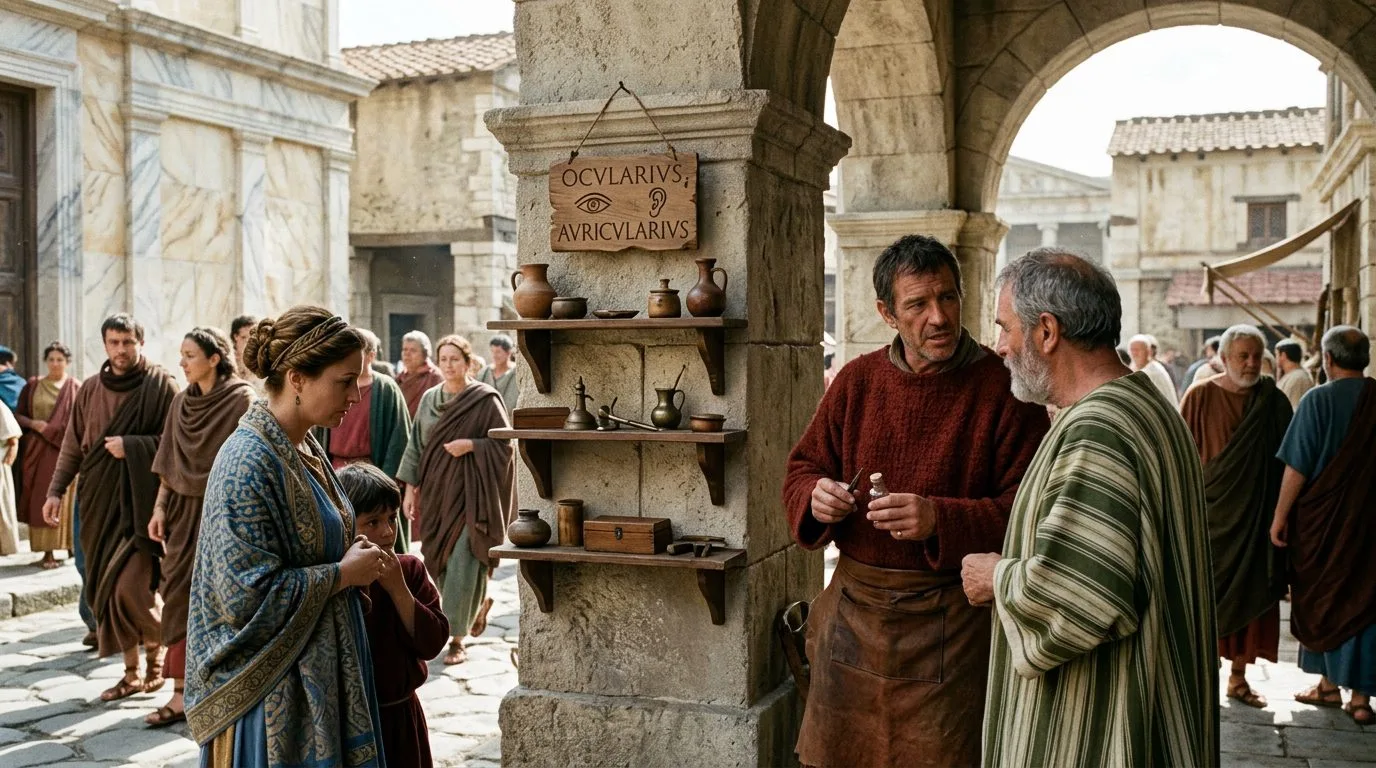
Rome developed medical specialization by the 2nd century CE, with distinct physicians for eyes (ocularii), ears (auricularii), teeth (dentarii), and even surgical specialists. The government granted tax exemptions to qualified physicians under Emperor Antoninus Pius in the mid-2nd century CE, creating the first state-recognized medical profession. Physicians underwent apprenticeships lasting 3 to 7 years, studied anatomy through animal dissection, and passed examinations before practicing. Galen alone wrote over 500 medical treatises that remained required reading in medical schools until the 17th century. This professional structure transformed medicine from a trade into a respected science with standards, training, and accountability.
Source: history.com
10. Hospital Architecture Designed for Healing
Hospital Architecture Designed for Healing
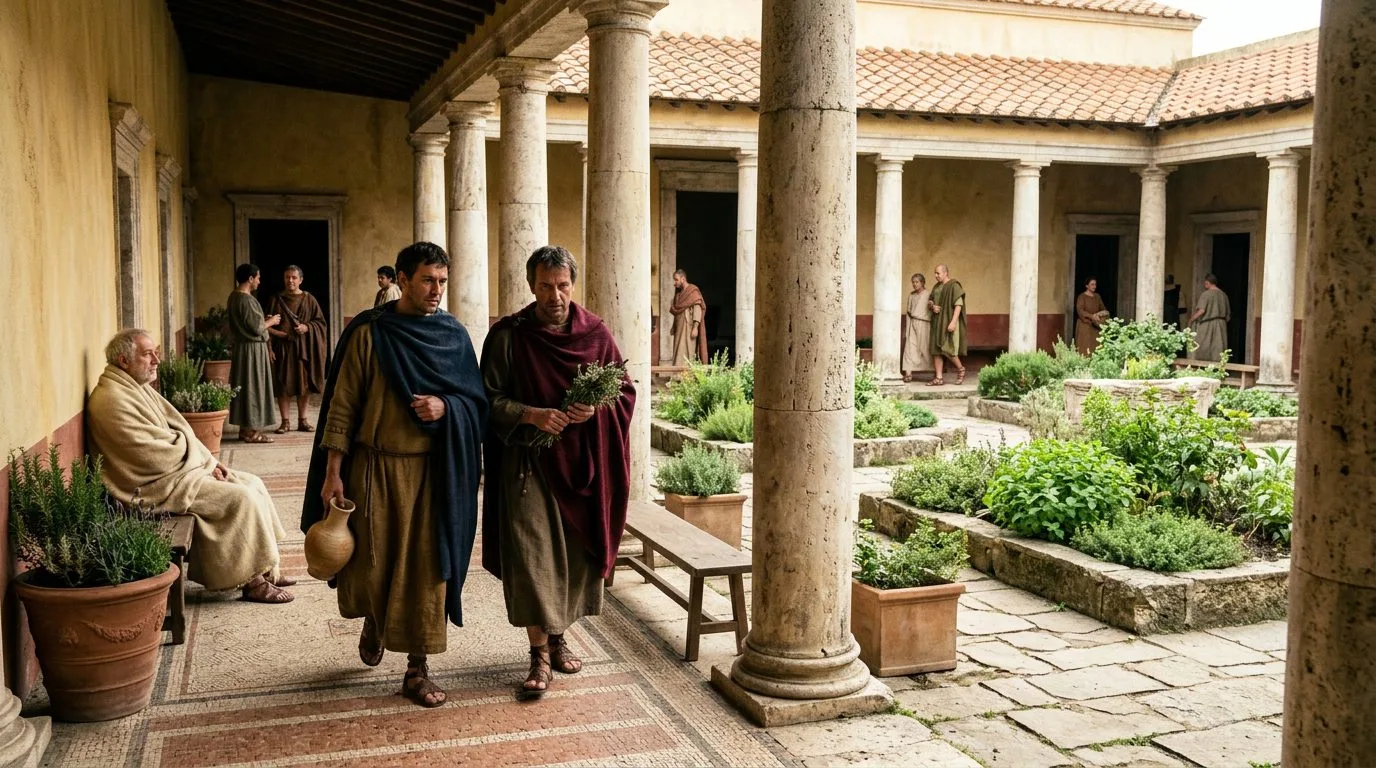
Roman hospital design by the 2nd century CE incorporated natural light, fresh air circulation, and quiet spaces—principles that modern hospitals only rediscovered in the 20th century. The valetudinarium at Novaesium featured individual rooms opening onto a central garden courtyard where patients could recover surrounded by plants and fountains. Architects positioned beds to receive maximum sunlight and designed corridors to promote air flow, understanding that environment affected recovery. Each room measured approximately 3 by 3 meters, large enough for a bed, medical supplies, and physician examinations. Florence Nightingale cited Roman hospital design when advocating for pavilion-style hospitals in 1859, proving these ancient innovations influenced modern medical architecture.
Source: britannica.com
Did You Know?
From surgical instruments to sanitation systems, Roman medical innovations established foundations that modern medicine still builds upon. Their systematic approach to healthcare—combining engineering, pharmacology, and surgical skill—saved lives for millennia.