
Around 1200 BCE, palace archives across the Mediterranean suddenly went silent. Within fifty years, kingdoms that had thrived for centuries vanished, leaving behind burned ruins and mysteries archaeologists still struggle to explain.
1. The Hittite Empire’s Capital Burned and Never Rebuilt
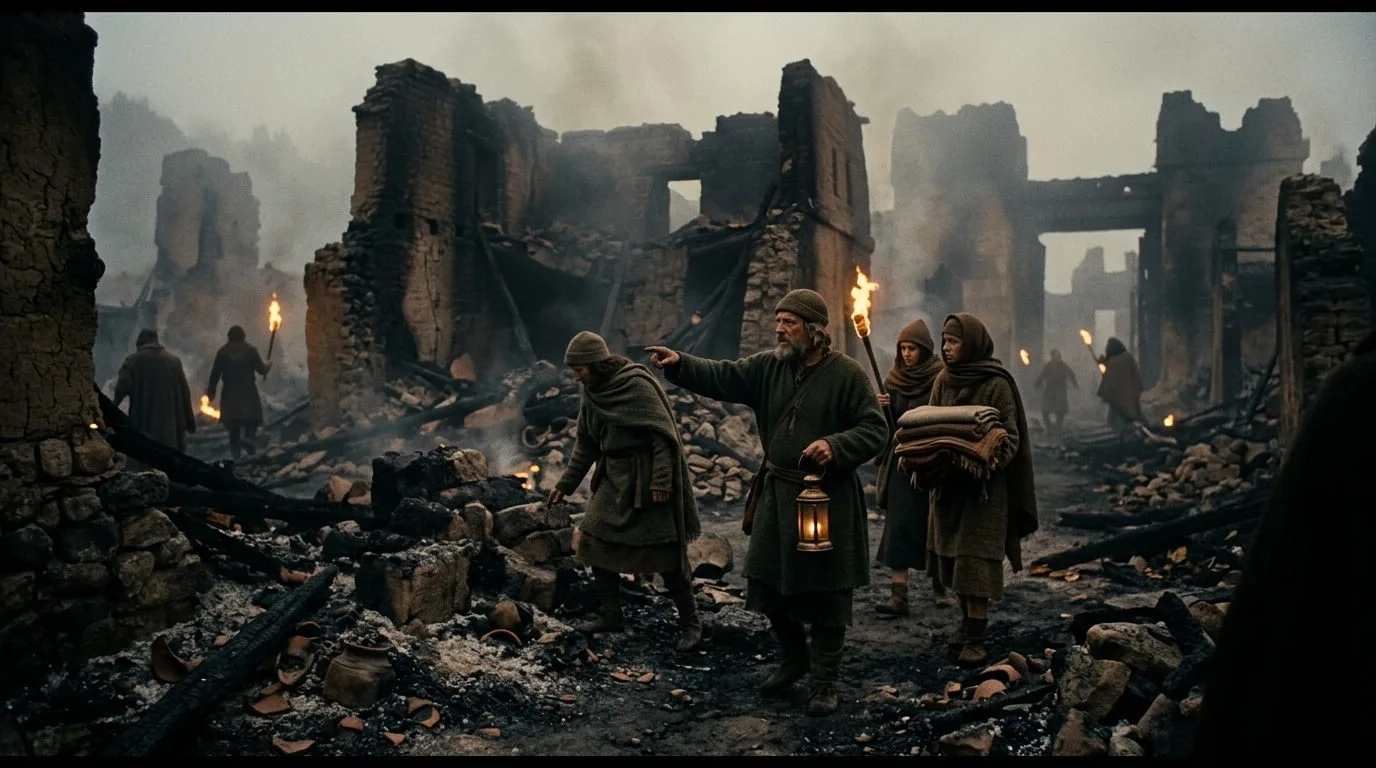
Hattusa’s ruins stand as a monument to
The Hittite capital of Hattusa in central Anatolia burned to the ground circa 1180 BCE, ending a superpower that had challenged Egypt for dominance. Excavations reveal the city was systematically destroyed, with temperatures reaching 1,000 degrees Celsius—hot enough to vitrify clay tablets. Over 30,000 cuneiform tablets document Hittite kings corresponding with Egyptian pharaohs and Babylonian rulers, yet the final decades remain eerily silent. The empire that once fielded 40,000 troops and controlled trade routes from the Aegean to Mesopotamia disappeared so completely that its very existence was forgotten until archaeologists rediscovered Hattusa in the early twentieth century.
Source: britannica.com
2. Mycenaean Palaces Collapsed Within a Single Generation
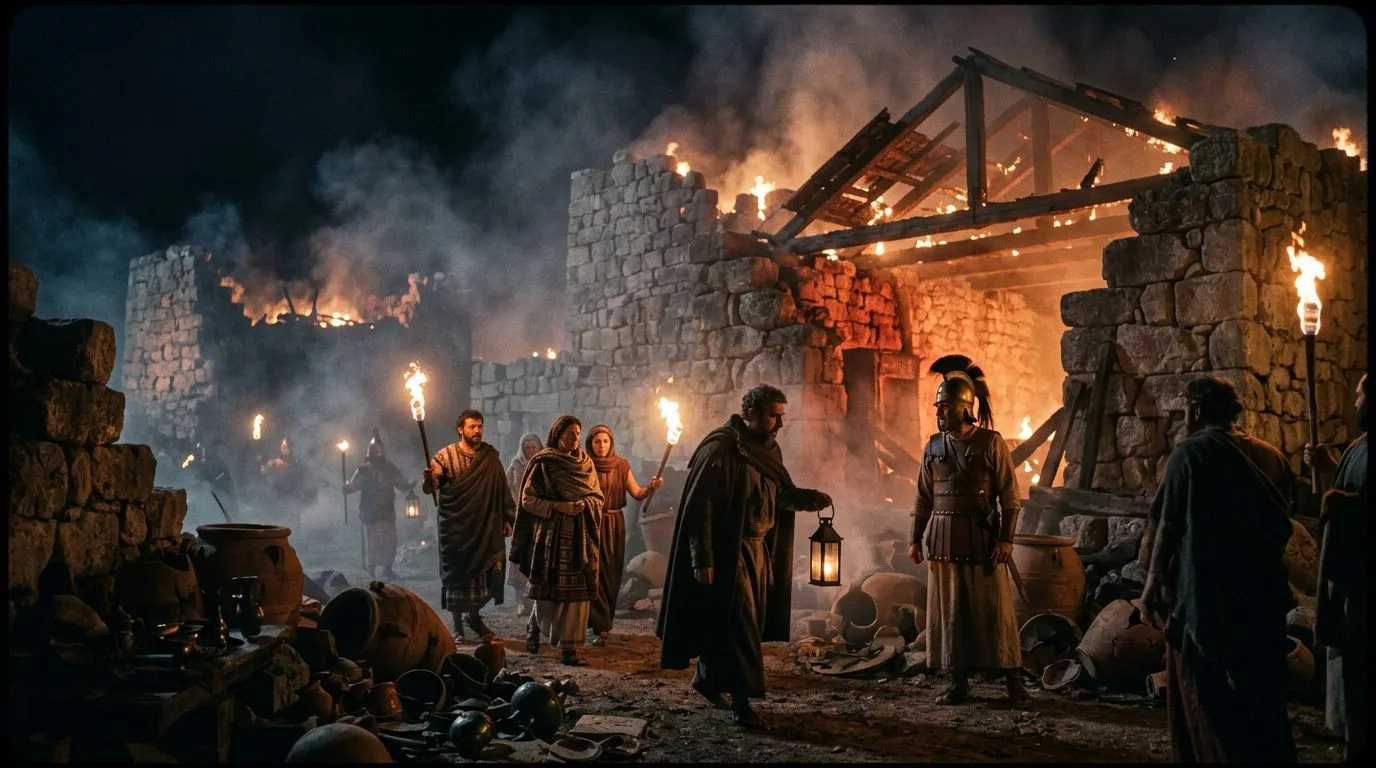
Ancient Mycenaean palace ruins in Greece.
Between 1200 and 1150 BCE, every major **Mycenae**an palace in Greece—Mycenae, Tiryns, Thebes—burned simultaneously. The civilization that inspired Homer’s epics lost its Linear B writing system entirely, plunging Greece into a 400-year Dark Age. At Mycenae itself, archaeologists found arrowheads embedded in walls and bodies buried hastily in rubble. The massive Cyclopean walls, built with stones weighing up to 20 tons, couldn’t save the palace within. Trade networks that once stretched to Britain for tin and Afghanistan for lapis lazuli simply evaporated, leaving survivors to forget how to write their own language.
Source: britannica.com
3. Ugarit’s Last Tablets Describe Ships on the Horizon
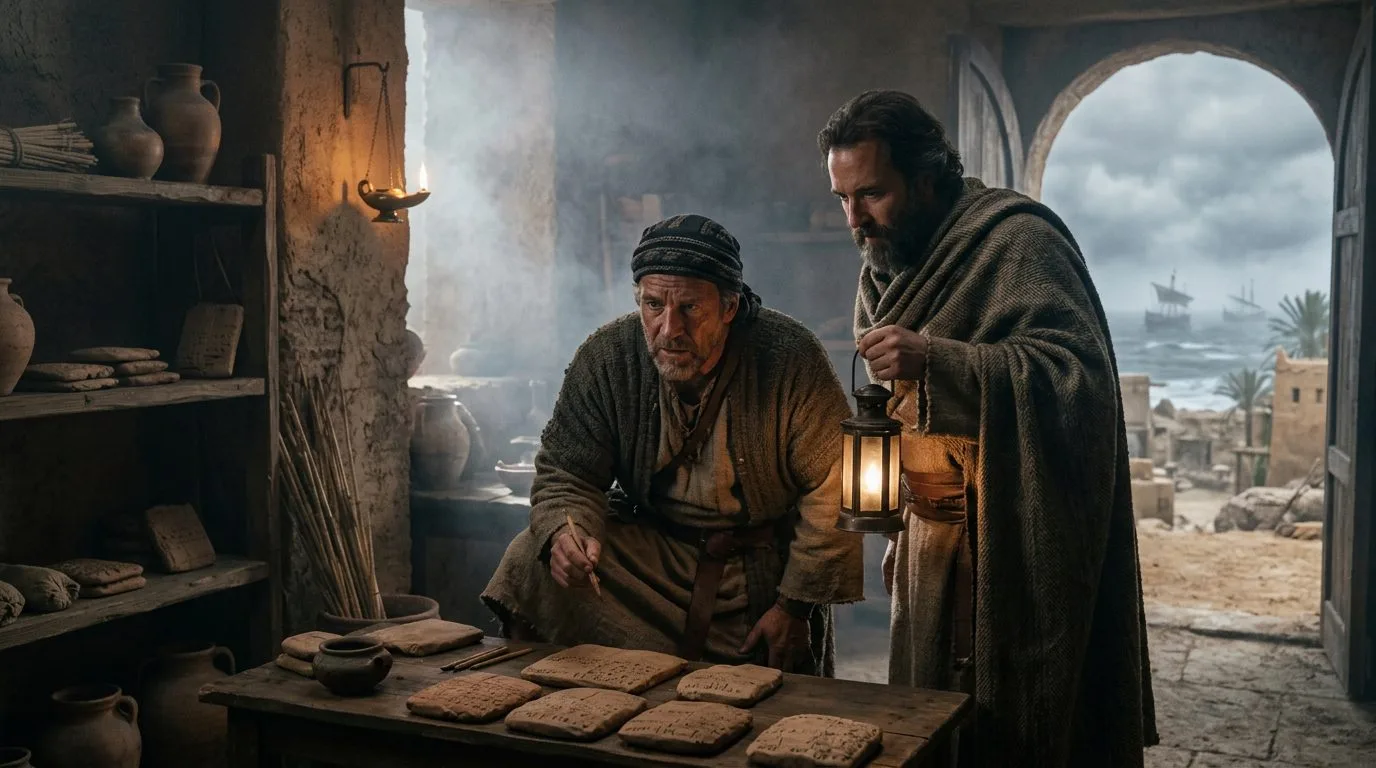
Final records reveal maritime mystery at Ugarit.
The Syrian port of Ugarit, destroyed around 1190 BCE, left behind one of history’s most haunting archaeological records. Clay tablets still in the kiln capture final desperate messages: a letter to the king of Alashiya reads, “Enemy ships have been seen at sea.” Within days, the city burned so intensely that bronze tools melted in the ruins. Ugarit had been a cosmopolitan hub where eight languages were spoken and the world’s first alphabet was invented circa 1400 BCE. The royal palace contained a library of diplomatic correspondence, mythological texts, and commercial records—all preserved accidentally when the fire baked them solid. The city was never reoccupied.
Source: britannica.com
4. Troy VII Fell During the Same Catastrophic Wave
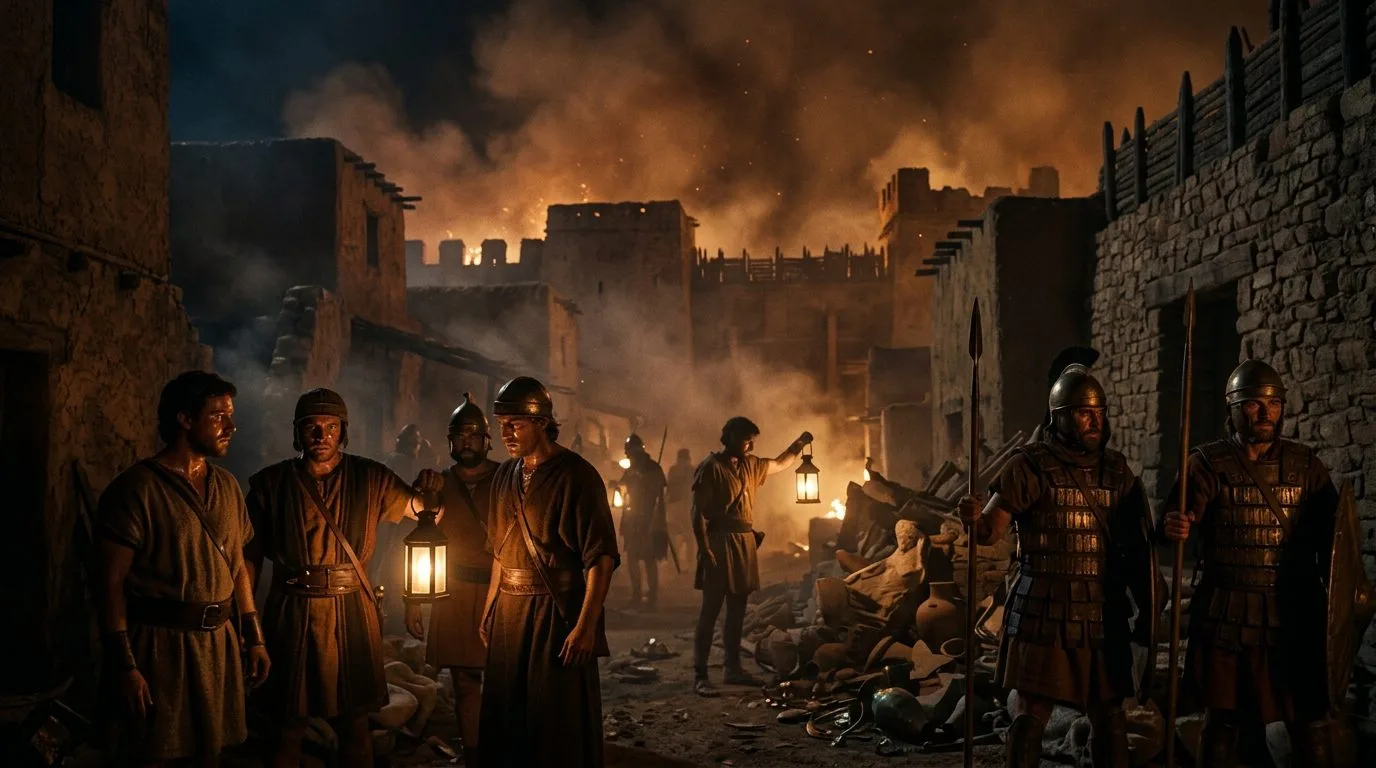
Troy VII Fell During the Same Catastrophic Wave
The archaeological layer Troy VIIa, destroyed circa 1180 BCE, matches the timeline of the Bronze Age collapse far better than it matches Homer’s Trojan War. Excavations by Carl Blegen in the early twentieth century revealed skeletons in the streets, emergency food storage built into house walls, and evidence of earthquake followed by systematic burning. The city that controlled access to the Black Sea—and thus the lucrative grain trade—was reduced to a small, impoverished settlement. Troy’s destruction coincided with the collapse of its Mycenaean trading partners, suggesting the legendary siege story might preserve folk memory of wider catastrophe rather than a single war.
Source: britannica.com
5. Pylos’s Archive Preserves Its Final Administrative Moments
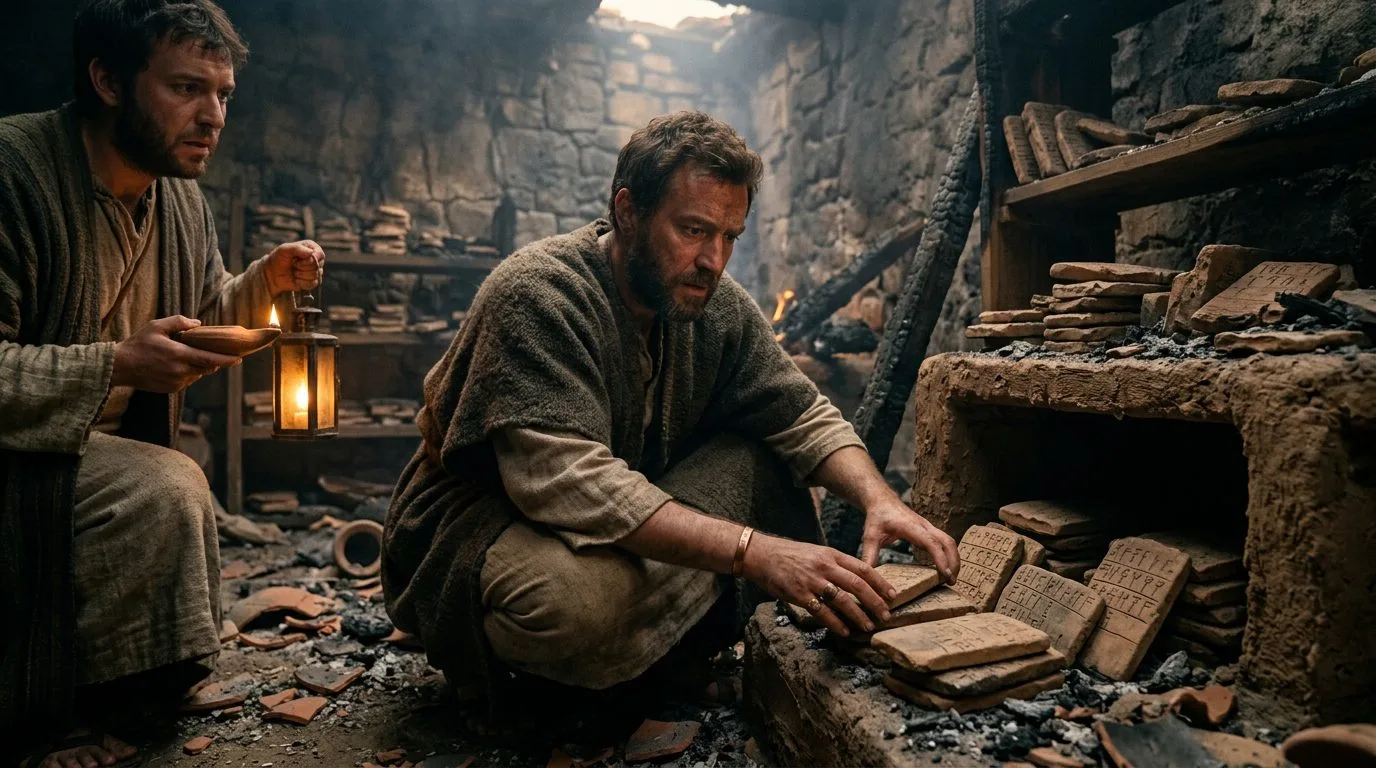
Clay tablets document Pylos before its
The Palace of Nestor at Pylos in southwestern Greece burned around 1180 BCE, accidentally preserving over 1,200 Linear B tablets in the blaze. The tablets record minutiae of daily palace operations: 400 workers assigned to row warships, bronze smiths receiving specific weights of metal, and religious offerings prepared for various gods. One tablet lists coastal watchers stationed at observation points—suggesting Pylos knew threats approached by sea. The archive includes no indication the scribes expected catastrophe; they were recording routine textile inventories when the palace burned. Unlike other sites, Pylos shows no signs of fortification efforts, implying the attack came with stunning speed.
Source: britannica.com
6. Alashiya Lost Its Copper Monopoly and Identity
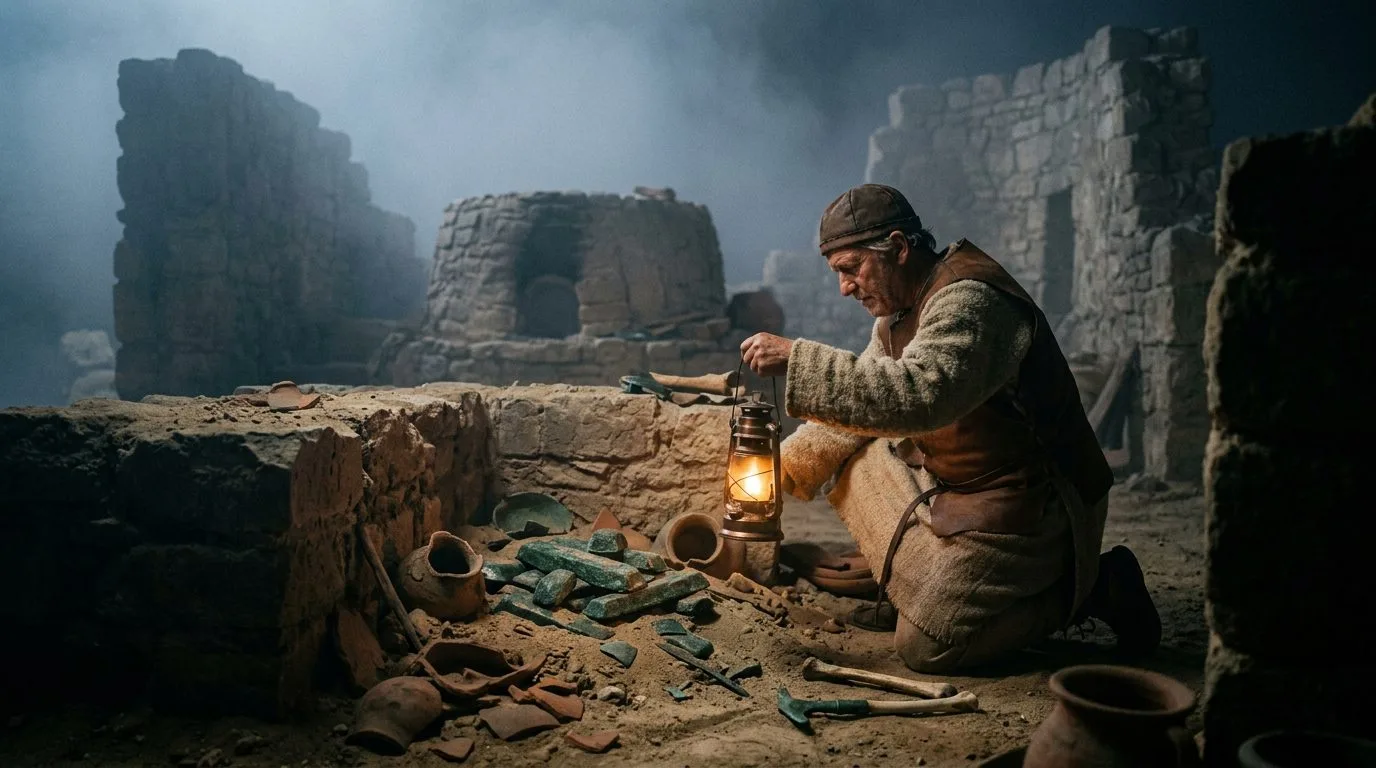
Alashiya Lost Its Copper Monopoly and Identity
The kingdom of Alashiya, centered on Cyprus, vanished so completely after 1150 BCE that scholars debated its location until the twentieth century. This island kingdom controlled Mediterranean copper supplies essential for bronze production—its mines on Cyprus produced over 200,000 tons during the Bronze Age. Letters from Alashiya’s king appear in both the Amarna archives in Egypt and at Ugarit, showing the kingdom corresponded as an equal with great powers. The capital, possibly at Enkomi, was destroyed and abandoned around 1150 BCE. When Cyprus reemerged historically centuries later, no memory of “Alashiya” remained; even the name was lost until archaeologists deciphered ancient diplomatic correspondence.
Source: britannica.com
7. Mitanni Kingdom Disappeared From Historical Records
The Mitanni Kingdom’s Final Collapse
The Mitanni Kingdom in upper Mesopotamia, which had dominated Syria and northern Iraq from circa 1500 BCE, vanished from historical records around 1200 BCE without even a destruction layer to mark its passing. This Hurrian-speaking kingdom once married its princesses to Egyptian pharaohs and fought the Hittites to a standstill. At its peak, Mitanni controlled the vital trade routes between Mesopotamia and the Mediterranean, collecting tribute from vassal states. Yet archaeologists struggle to locate Mitanni’s capital, Washukanni, which remains undiscovered. The kingdom’s disappearance was so complete that historians relied entirely on Egyptian and Hittite references until excavations at Nuzi revealed Mitanni administrative tablets in the early twentieth century.
Source: britannica.com
8. Kassite Babylon Fell After 400 Years of Stability
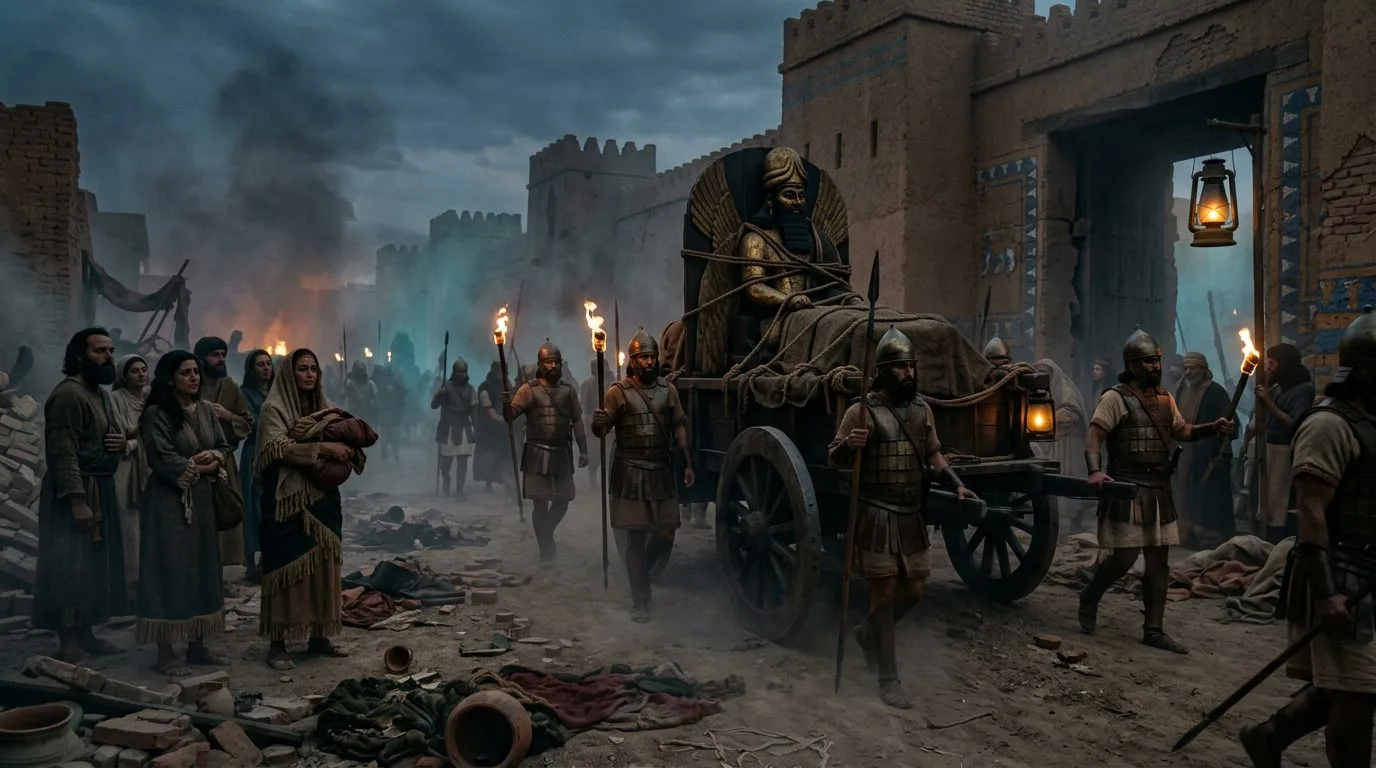
Kassite Babylon Fell After 400 Years of Stability
The Kassite dynasty that ruled Babylon from circa 1595 BCE collapsed around 1155 BCE when Elamite forces sacked the city and carried off the statue of Marduk, Babylon’s patron deity. The Kassites had presided over Babylon’s longest period of political stability, maintaining 36 kings across four centuries. They standardized land measurements, reformed the calendar, and created the kudurru—boundary stones carved with divine symbols and cuneiform inscriptions. When Shutruk-Nakhunte of Elam invaded, he specifically targeted monuments, removing the Code of Hammurabi stele and the Victory Stele of Naram-Sin to Susa. Babylon’s population declined drastically, and the city lost its political supremacy for centuries.
Source: britannica.com
9. Elam’s Victory Was Pyrrhic and Short-Lived
Elam’s Victory Was Pyrrhic and Short-Lived
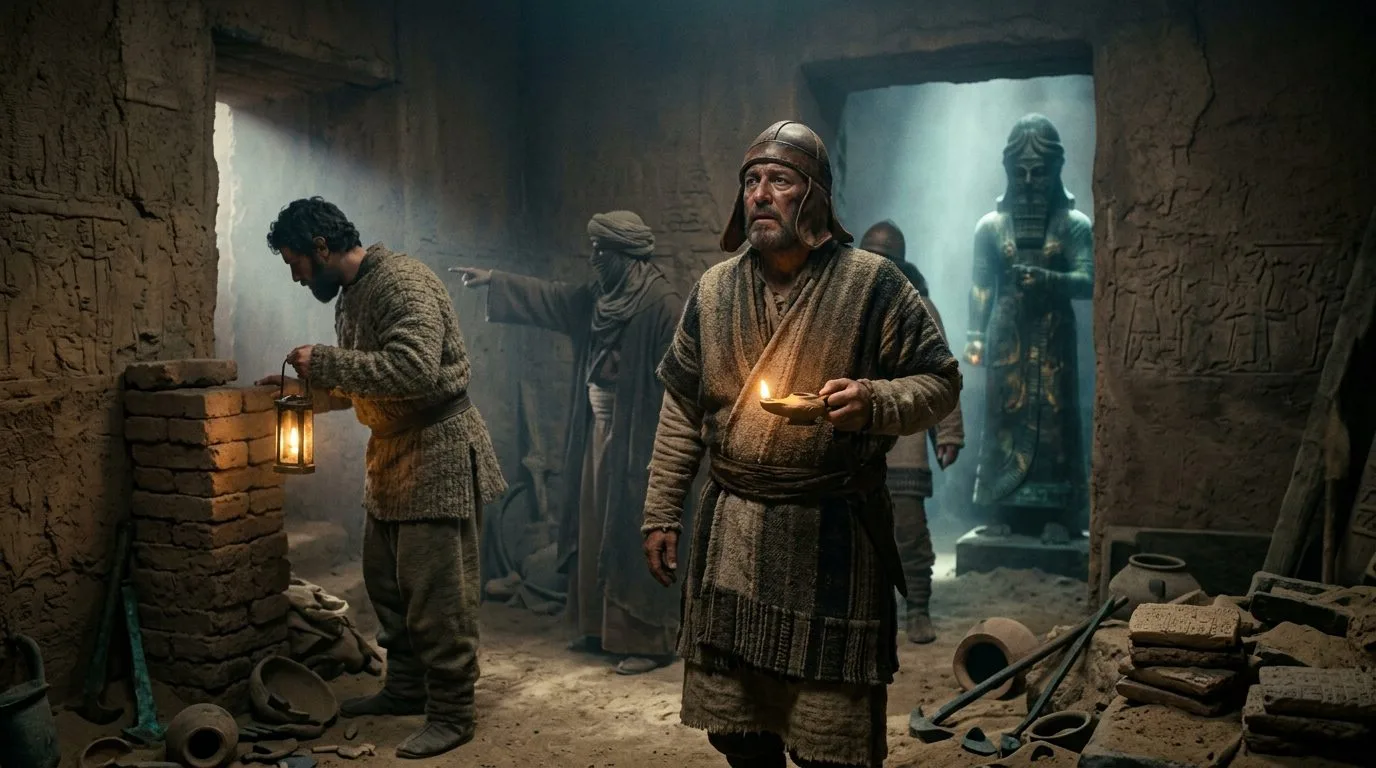
The **Elam**ite kingdom in southwestern Iran, which had just conquered Kassite Babylon in 1155 BCE, itself collapsed into obscurity within decades. Elam’s capital at Susa had flourished for over 2,000 years, with a sophisticated bureaucracy documented in thousands of cuneiform tablets. After their conquests under Shutruk-Nakhunte, the Elamites entered a 300-year “dark age” where archaeological evidence nearly vanishes. The royal inscriptions suddenly cease, monumental building stops, and Susa shows signs of depopulation. Scholars debate whether environmental collapse, internal revolt, or invasions caused the decline, but the kingdom that had seemed triumphant in 1155 BCE left virtually no records for the next three centuries.
Source: britannica.com
10. Ahhiyawa Exists Only in Hittite Diplomatic Complaints
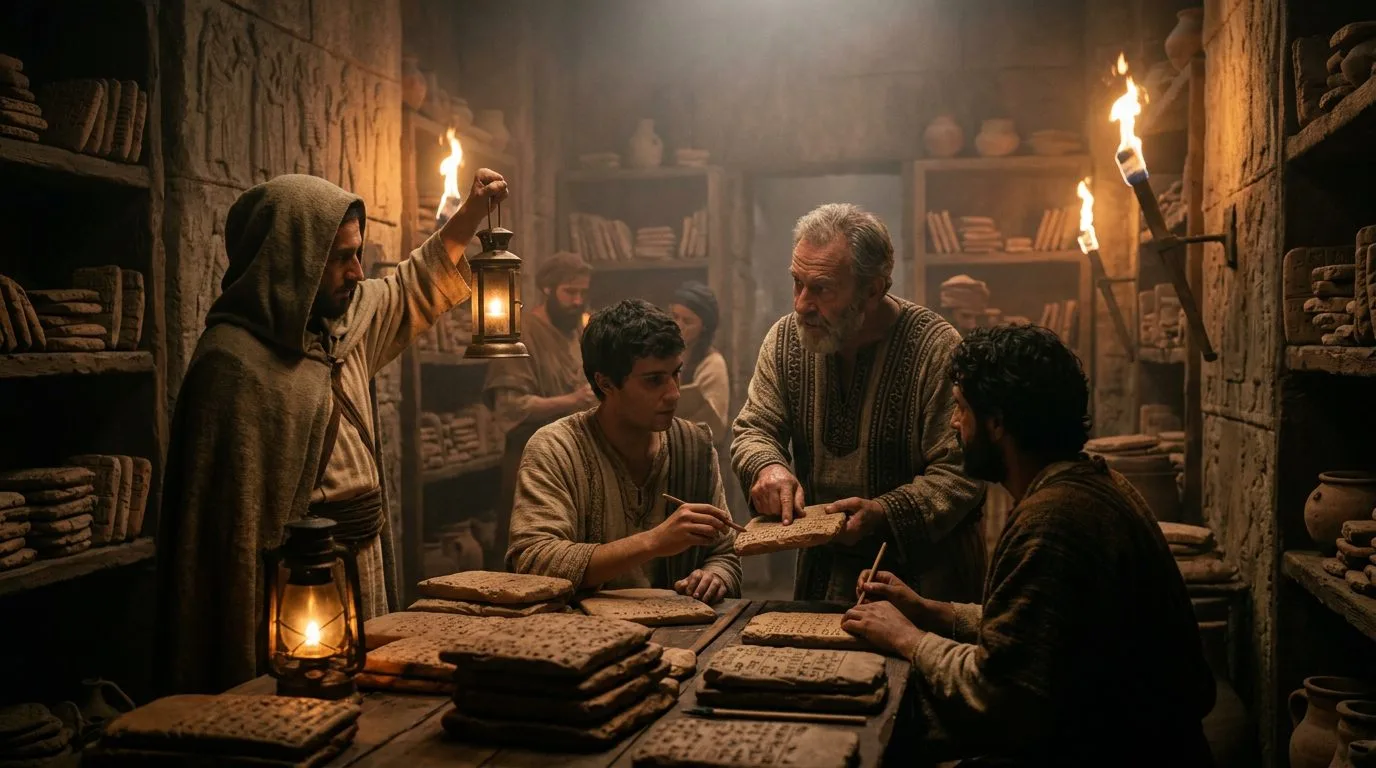
Hittite correspondence mentioning Ahhiyawa
The kingdom of Ahhiyawa, mentioned in Hittite archives as a western Anatolia power around 1400-1220 BCE, vanished along with the Hittites themselves. Scholars identify Ahhiyawa with the Achaeans (Mycenaean Greeks), though its precise location remains debated. Hittite texts complain about Ahhiyawan interference in western Anatolia, suggesting a rival power of comparable status—one Hittite king addresses Ahhiyawa’s ruler as “Great King,” the highest diplomatic title. The Tawagalawa Letter, circa 1250 BCE, discusses territorial disputes and runaway subjects. After 1200 BCE, neither Ahhiyawa nor its Hittite correspondents left further records. The kingdom exists exclusively through the diplomatic grievances of its enemies, preserved accidentally in archives over 3,000 years old.
Source: britannica.com
Did You Know?
The Bronze Age collapse eliminated roughly 90% of settlements in the eastern Mediterranean, yet no single cause explains it. Recent excavations at Megiddo found 3-foot-thick destruction layers containing arrowheads from three different cultures—suggesting the invading “Sea Peoples” weren’t a unified force but desperate refugees fleeing the same systemic collapse that destroyed the kingdoms they attacked. The catastrophe was so thorough that Greece forgot how to write for four centuries, and Troy’s destruction became mythology because no one remembered the real events.