
When medieval armies laid siege to a castle, defenders had days to survive using brutal ingenuity. Hidden passages, molten lead, and architectural designs turned invaders’ weapons against them—often deciding between conquest and annihilation.
1. Murder Holes Rained Death From Above
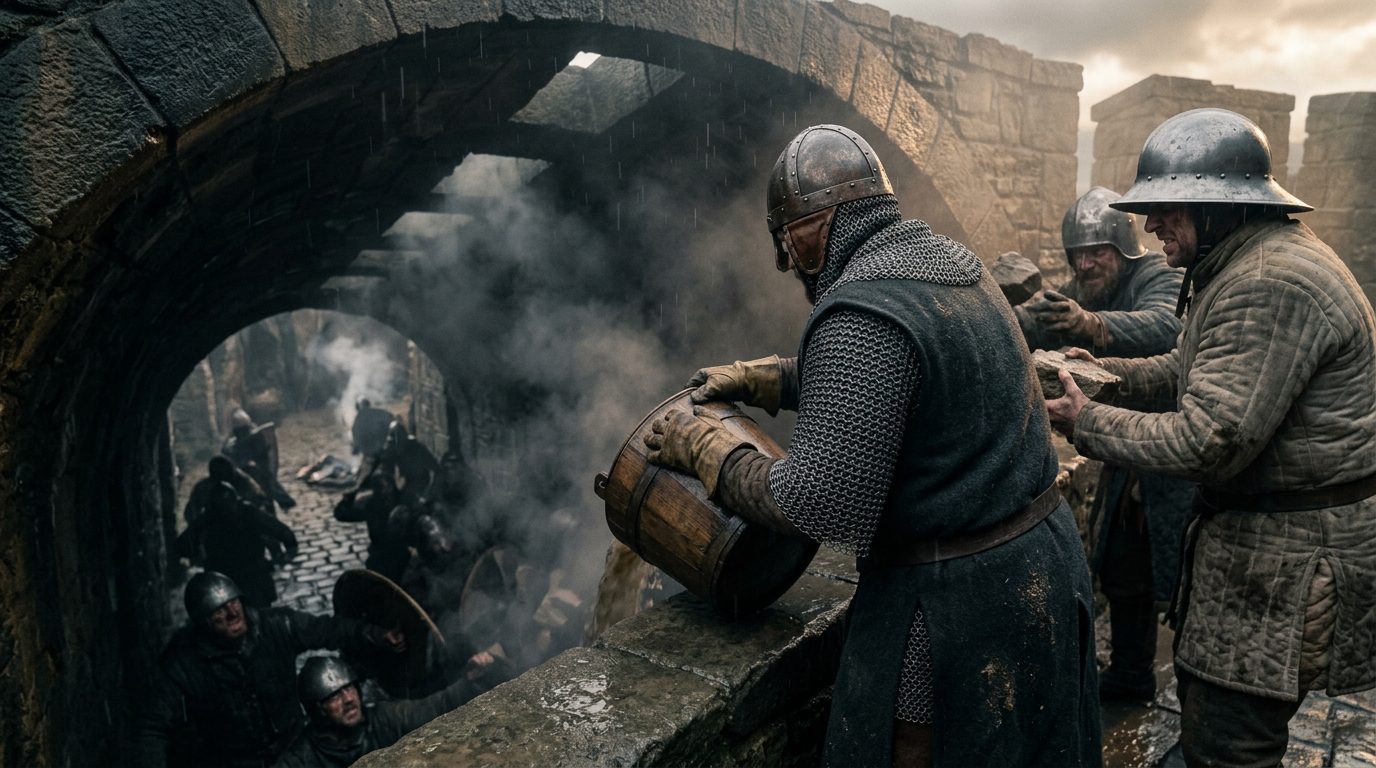
Murder Holes Rained Death From Above
Murder holes transformed castle gatehouses into death traps during the 13th century. These openings in ceiling vaults allowed defenders to rain projectiles, boiling water, and heated sand directly onto attackers trapped below. Dover Castle in England featured elaborate murder hole systems installed during the 1180s under Henry II, with shafts positioned at precise angles to cover every inch of the passage. When Philip II of France attempted similar fortifications at the Louvre in 1190, he incorporated murder holes that could accommodate three defenders simultaneously. The psychological impact proved devastating—attackers knew that breaching the outer gate meant entering a kill zone with no escape route.
Source: britannica.com
2. Concentric Walls Created Impossible Kill Zones
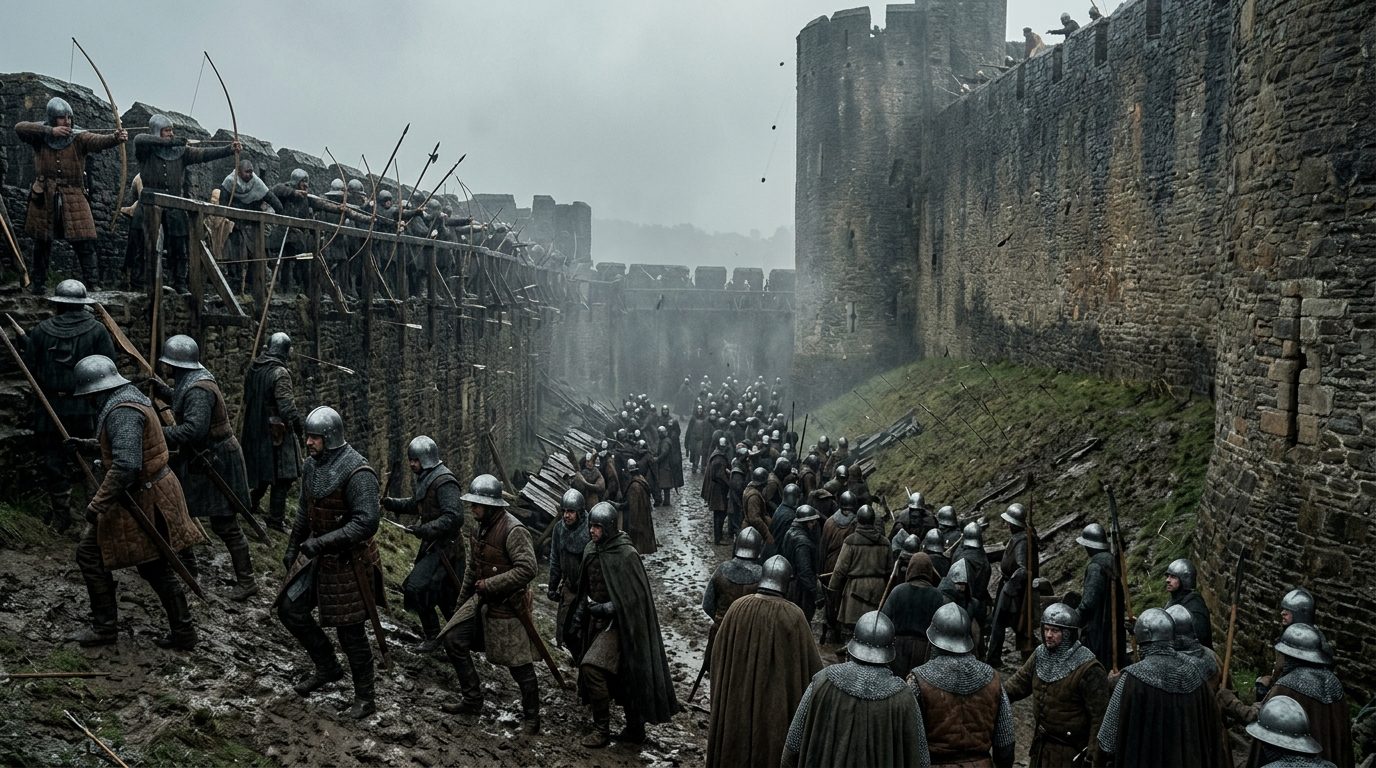
Concentric Walls Created Impossible Kill Zones
Concentric castle design revolutionized medieval defense when Edward I introduced it to Wales during the 1280s. Caerphilly Castle featured two complete rings of walls with the inner wall standing 15 feet higher than the outer, creating overlapping fields of fire. Attackers who breached the first wall found themselves trapped in a 30-foot-wide killing ground, exposed to arrows from three directions simultaneously. The design originated from Crusader castles like Krak des Chevaliers in Syria, built in 1142, where defenders successfully repulsed 12 separate sieges using this method. By forcing enemies to fight through multiple defensive layers while under constant bombardment, concentric walls transformed castles into nearly impregnable fortresses.
Source: britannica.com
3. Water-Filled Moats Drowned Siege Technology
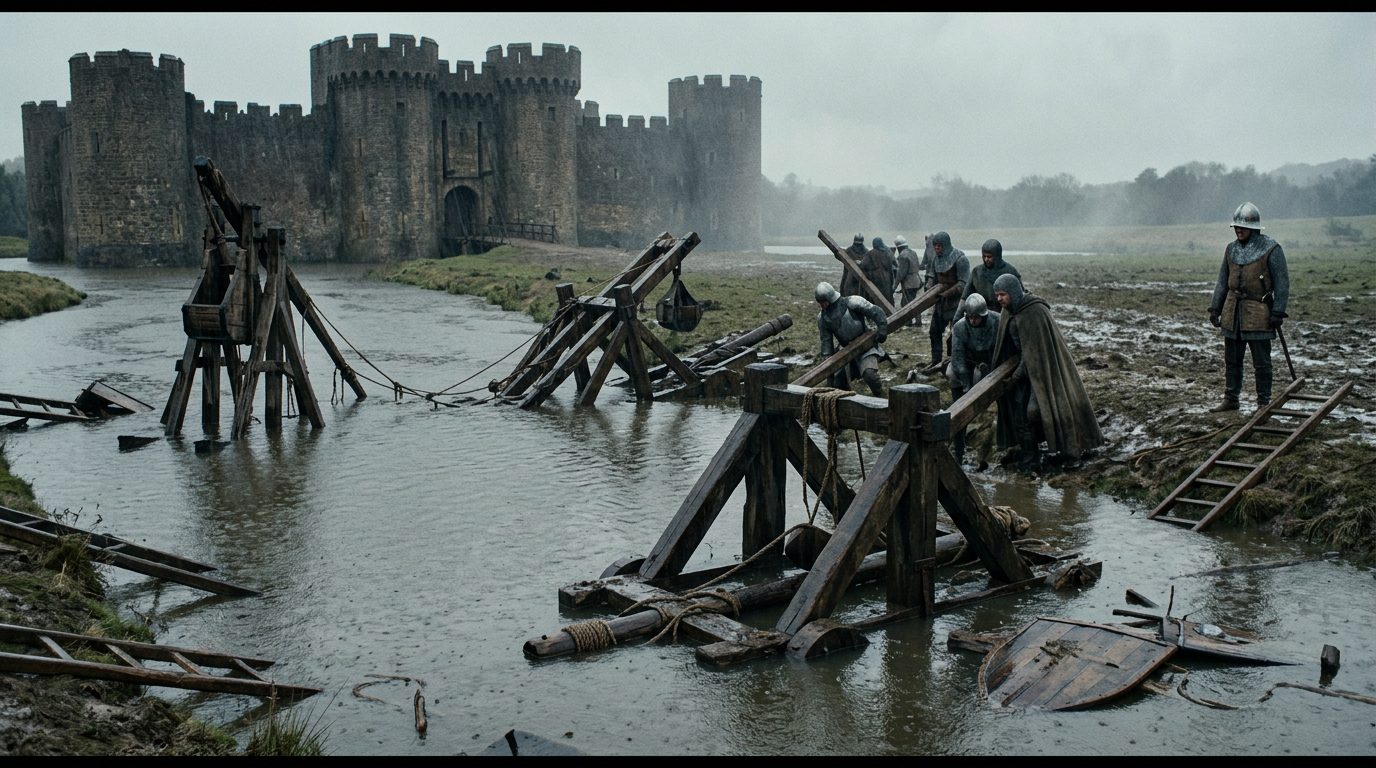
Water-Filled Moats Drowned Siege Technology
Medieval moats served as engineering marvels that neutralized the era’s deadliest siege weapons. Bodiam Castle in Sussex, constructed in 1385, featured a moat averaging 7 feet deep and spanning 60 feet wide—dimensions calculated to prevent siege towers from reaching the walls. The moat at Kenilworth Castle in Warwickshire covered 100 acres when flooded in 1266, creating an artificial lake that forced attackers to abandon heavy equipment. Defenders could rapidly drain or flood sections using sluice gates, trapping enemy miners who tunneled beneath the water level. The Tower of London’s moat, dug in 1240, contained over 3 million gallons of water and successfully prevented six major assault attempts before 1300.
Source: britannica.com
4. Arrow Slits Turned Archers Into Invisible Killers
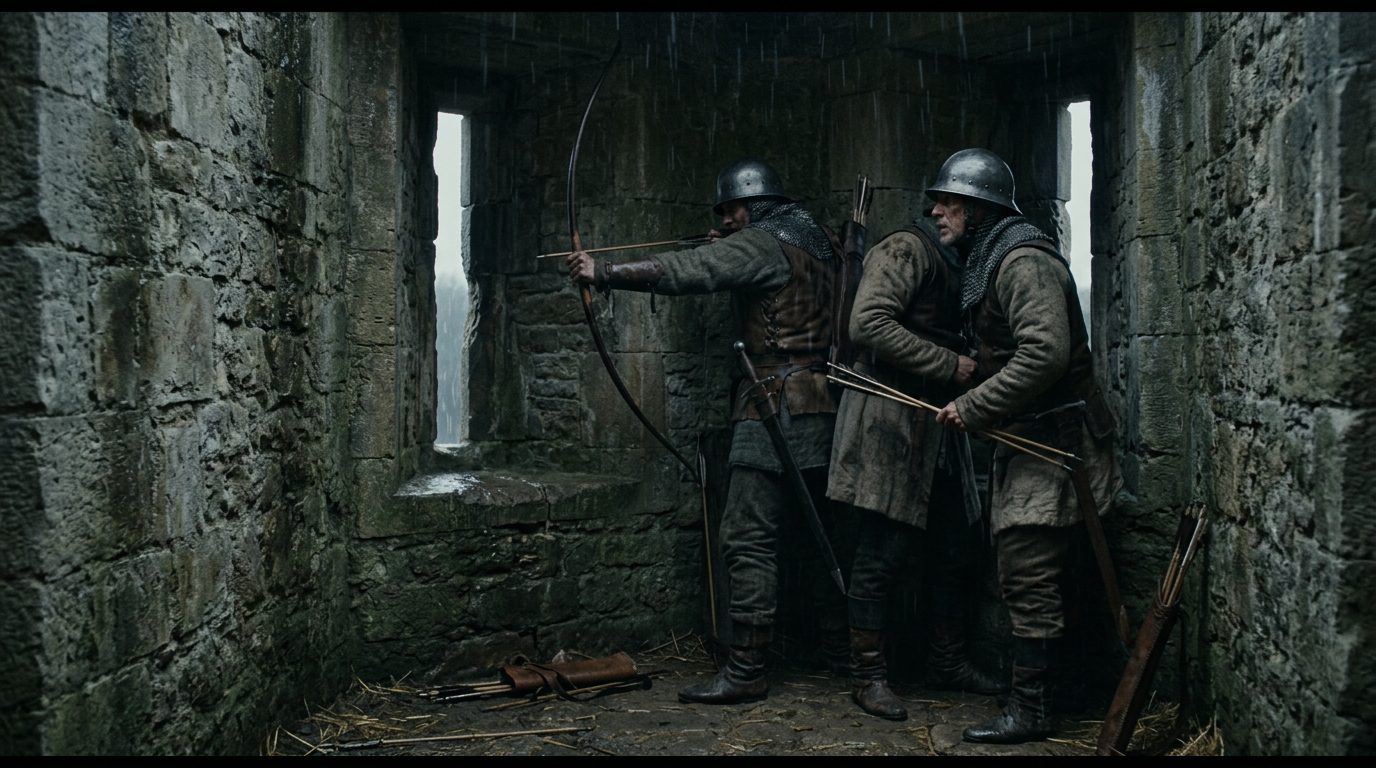
Arrow Slits Turned Archers Into Invisible Killers
Arrow slits represented mathematical precision in medieval military architecture, with 12th-century designs achieving 8-inch external openings that widened to 3 feet internally. This geometry gave defenders a 90-degree firing arc while presenting attackers with a target barely wider than an arrow shaft. Château Gaillard in France, built by Richard the Lionheart in 1196, featured 52 arrow slits positioned to eliminate every blind spot around the fortress. The cross-shaped slits at Caernarfon Castle, constructed in 1283, accommodated both longbows and crossbows, with stone splays designed to deflect incoming arrows. A single skilled crossbowman could reload behind the wall’s 10-foot thickness, making defenders virtually immune to return fire.
Source: britannica.com
5. Portcullis Gates Crushed Attackers Like Iron Jaws
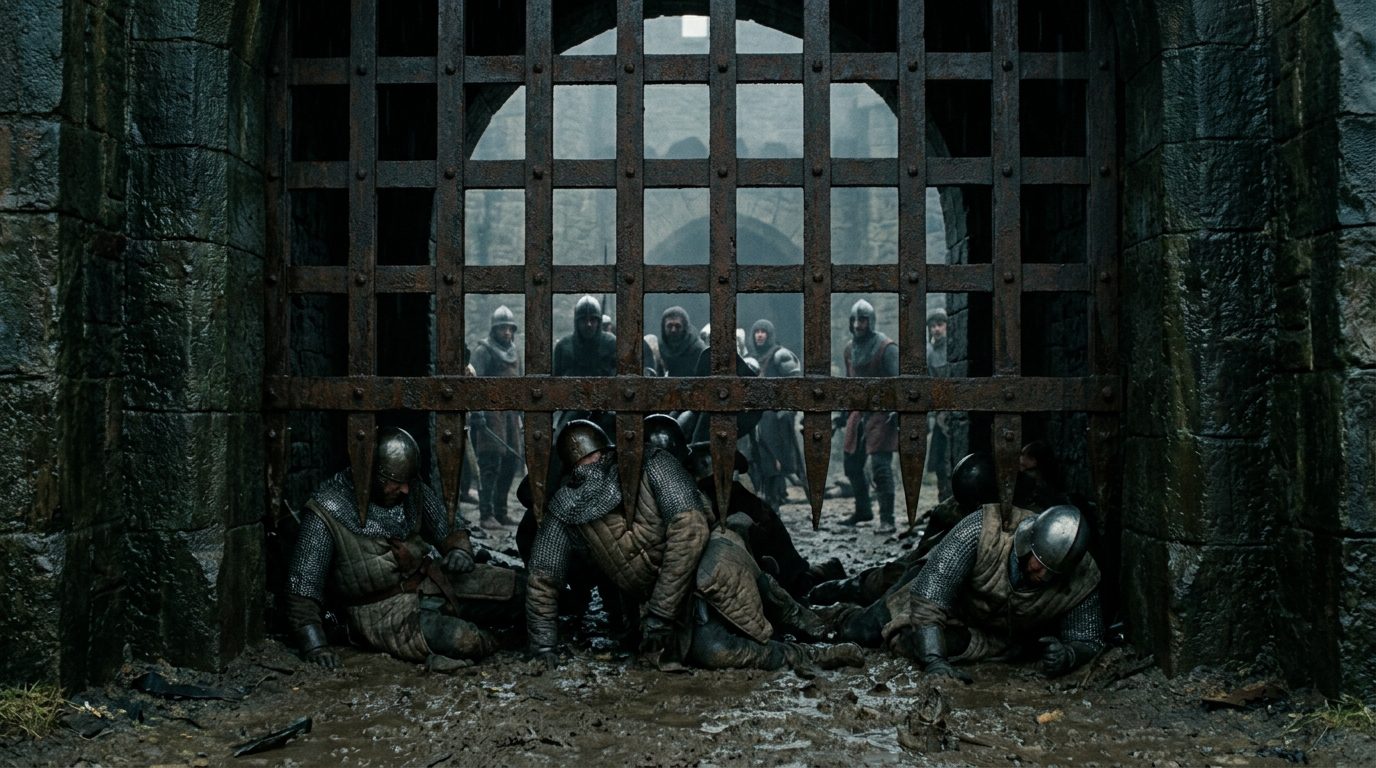
Portcullis Gates Crushed Attackers Like Iron Jaws
The portcullis operated as a 1,500-pound iron barrier that could drop in under 2 seconds, severing enemy formations mid-charge. Warwick Castle installed a double portcullis system in 1260, with each gate weighing 800 pounds and featuring sharpened bottom spikes that impaled anyone caught beneath. Defenders controlled these mechanisms from murder holes above using counterweight systems perfected during the 1190s. The portcullis at Harlech Castle in Wales, built in 1289, combined with a drawbridge to create a two-stage trap—attackers who rushed the rising bridge found themselves sealed inside when the portcullis crashed down behind them. This mechanism allowed 4 defenders to halt armies of 400, transforming narrow gatehouses into impassable barriers.
Source: britannica.com
6. Molten Lead and Heated Sand Inflicted Horrific Deaths
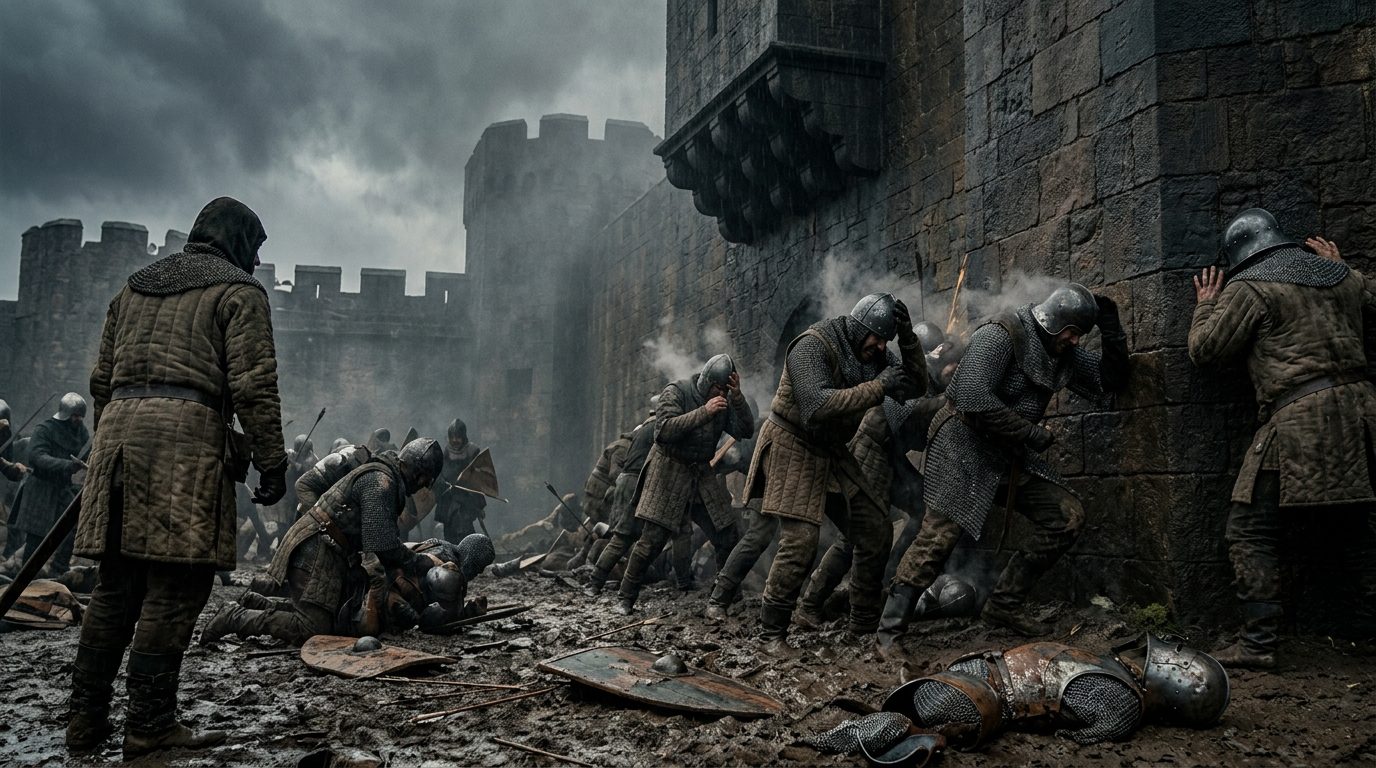
Medieval siege weapons caused devastating
Defenders heated sand to 400 degrees Fahrenheit before pouring it through machicolations, causing injuries that armor couldn’t prevent as grains penetrated joints and mail links. During the siege of Acre in 1291, Crusader defenders maintained 6 furnaces continuously melting lead for deployment through floor openings. Molten lead, reaching 621 degrees, flowed like water into the eye slits and breathing holes of attackers’ helmets, causing instant fatalities. Contrary to popular belief, boiling oil was rarely used—animal fat cost more than a knight’s monthly wages and was reserved for food during sieges. The walls of Carcassonne in France, fortified in 1280, featured specialized heating chambers where defenders could prepare these materials while remaining protected from enemy arrows.
Source: smithsonianmag.com
7. Flanking Towers Created Inescapable Crossfire Zones
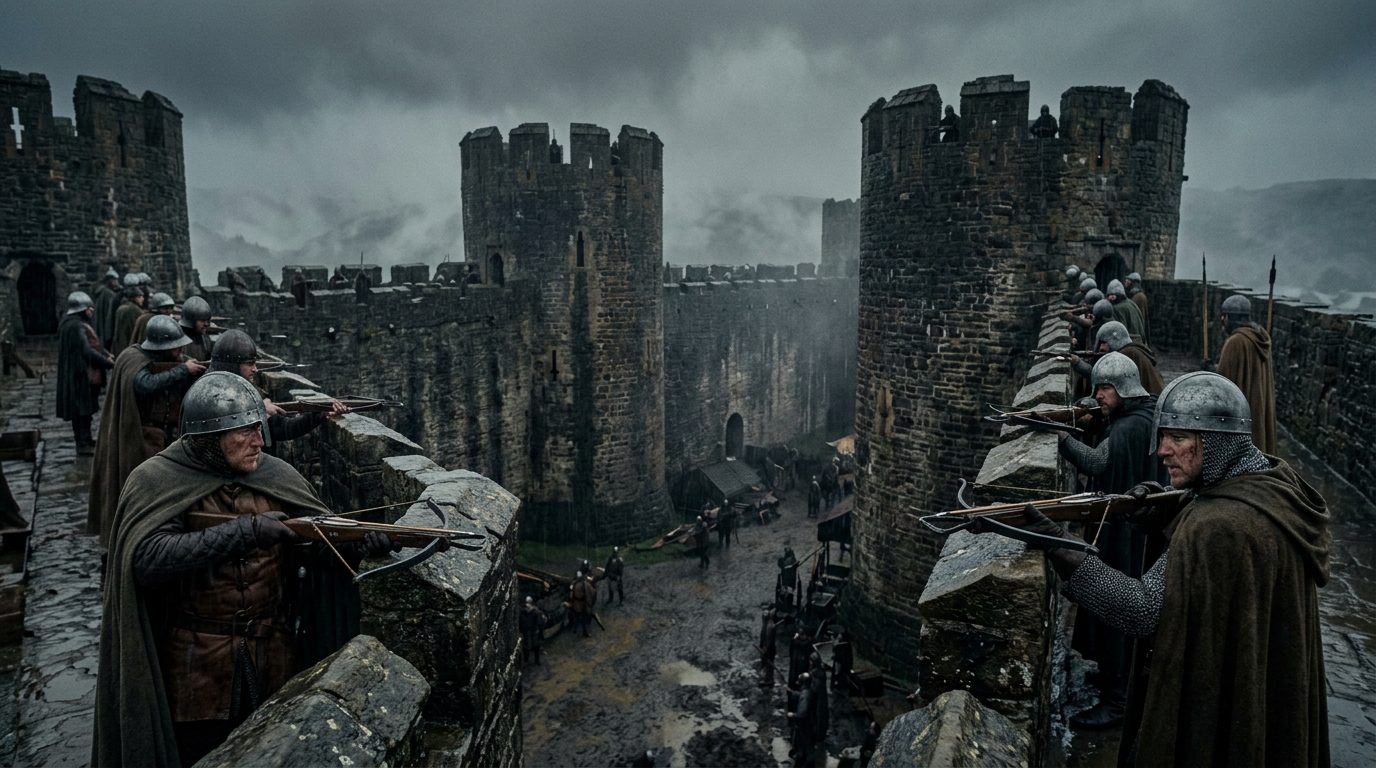
Medieval towers created deadly overlapping fields
Medieval engineers positioned towers at 200-foot intervals—precisely the maximum effective range of a crossbow—to ensure overlapping fields of fire along curtain walls. Conwy Castle in Wales, completed in 1287, featured 8 massive towers that created interlocking kill zones where attackers faced simultaneous arrow fire from three directions. Each tower projected 12 feet beyond the wall plane, allowing defenders to shoot parallel to the wall and hit enemies attempting to scale it. The rounded towers at Château de Coucy, built in 1230, eliminated blind spots where attackers could shelter, while their 30-foot diameter provided space for 15 archers per level. This strategic placement meant besieging forces suffered casualties from the moment they approached within 600 feet of the walls.
Source: britannica.com
8. Secret Sally Ports Launched Devastating Surprise Attacks
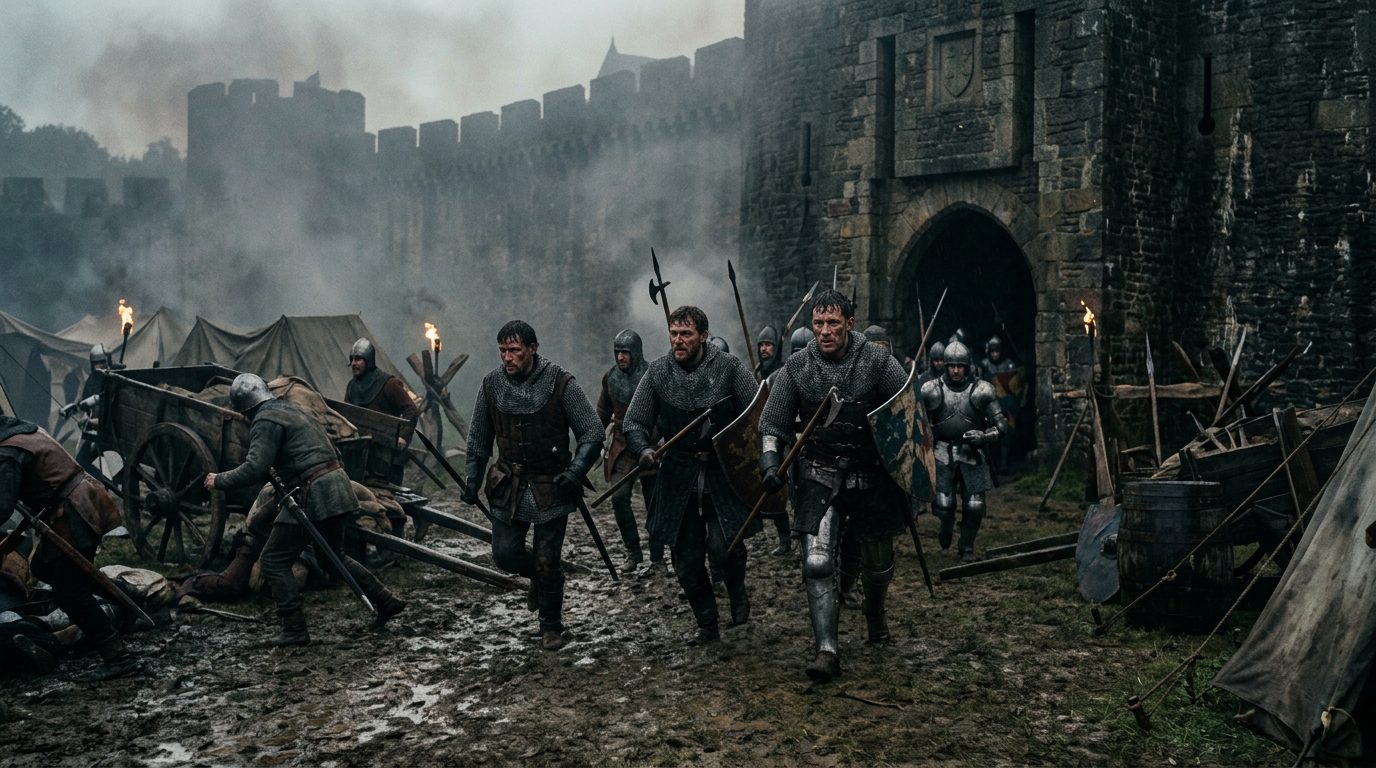
Hidden gates enabled sudden military strikes.
Sally ports—concealed doors built into castle walls—allowed defenders to launch counterattacks that could break sieges lasting months. The sally port at Château de Fougères in Brittany, constructed in 1173, emerged 400 yards from the main gate, enabling knights to strike besiegers from behind while they focused on battering rams. During the 1216 siege of Dover Castle, defenders used underground tunnels to sortie into French camps at night, killing 47 soldiers and destroying supply wagons. These passages, typically 4 feet wide and reinforced with oak beams, remained hidden beneath brush or disguised as drainage channels. Rochester Castle’s sally port, used during the 1264 siege, connected to a network of tunnels allowing 30 mounted knights to emerge simultaneously behind enemy lines.
Source: britannica.com
9. Walls Twenty Feet Thick Absorbed Trebuchet Bombardment
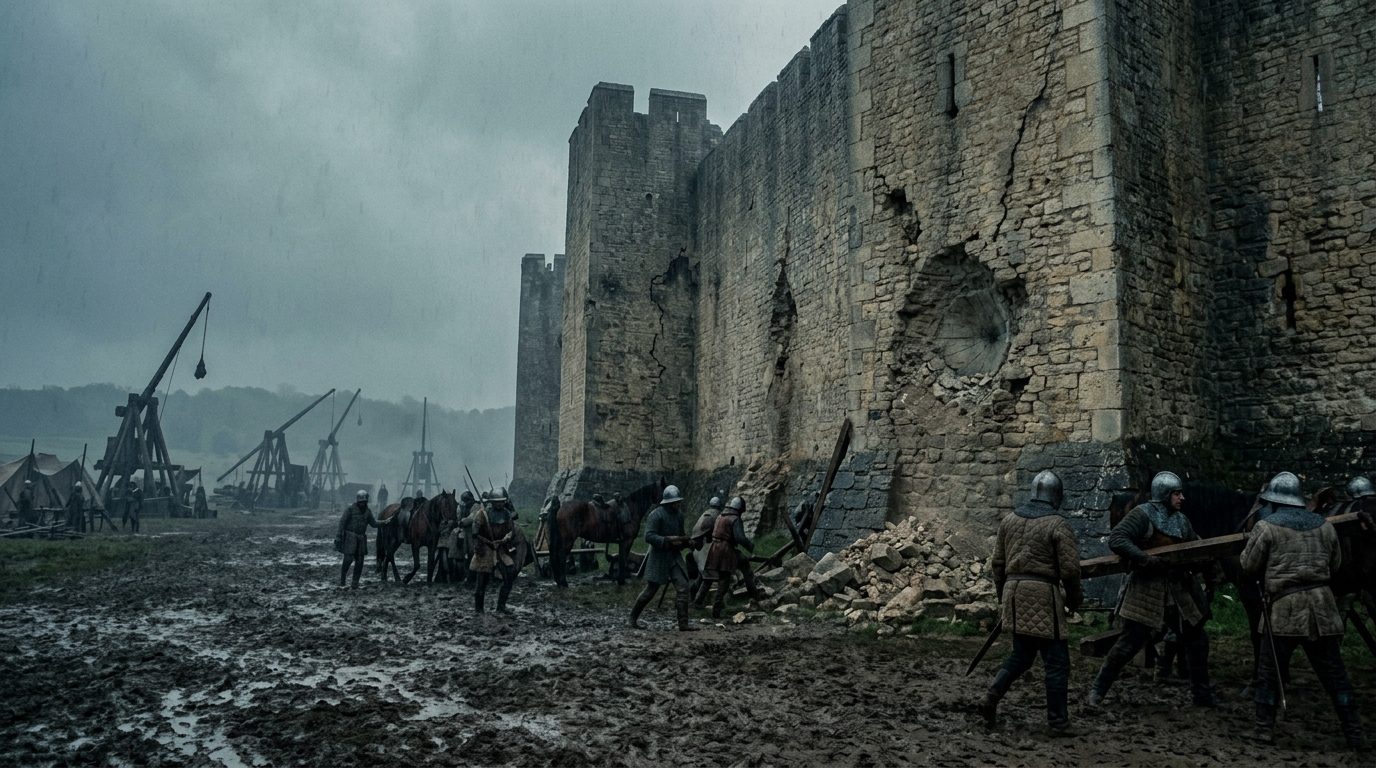
Medieval fortifications withstand siege warfare.
Medieval castle walls reached thicknesses of 24 feet to withstand projectiles weighing 300 pounds launched from trebuchets. The curtain walls at Beaumaris Castle, begun in 1295, measured 16 feet thick with an additional 8-foot earth-filled core that absorbed impact energy like modern shock absorbers. Engineers discovered that walls exceeding 20 feet in thickness could endure months of bombardment—during the 1304 siege of Stirling Castle, Edward I’s trebuchet “Warwolf” required 3 months to breach walls 18 feet thick. The construction used rubble-filled cores between dressed stone faces, creating structures that actually strengthened when struck, as broken stones compressed into denser barriers. Dover Castle’s walls, rebuilt in 1180, withstood a 15-month siege in 1216 despite sustaining over 400 trebuchet impacts.
Source: britannica.com
10. Deep Wells and Grain Stores Outlasted Attacking Armies
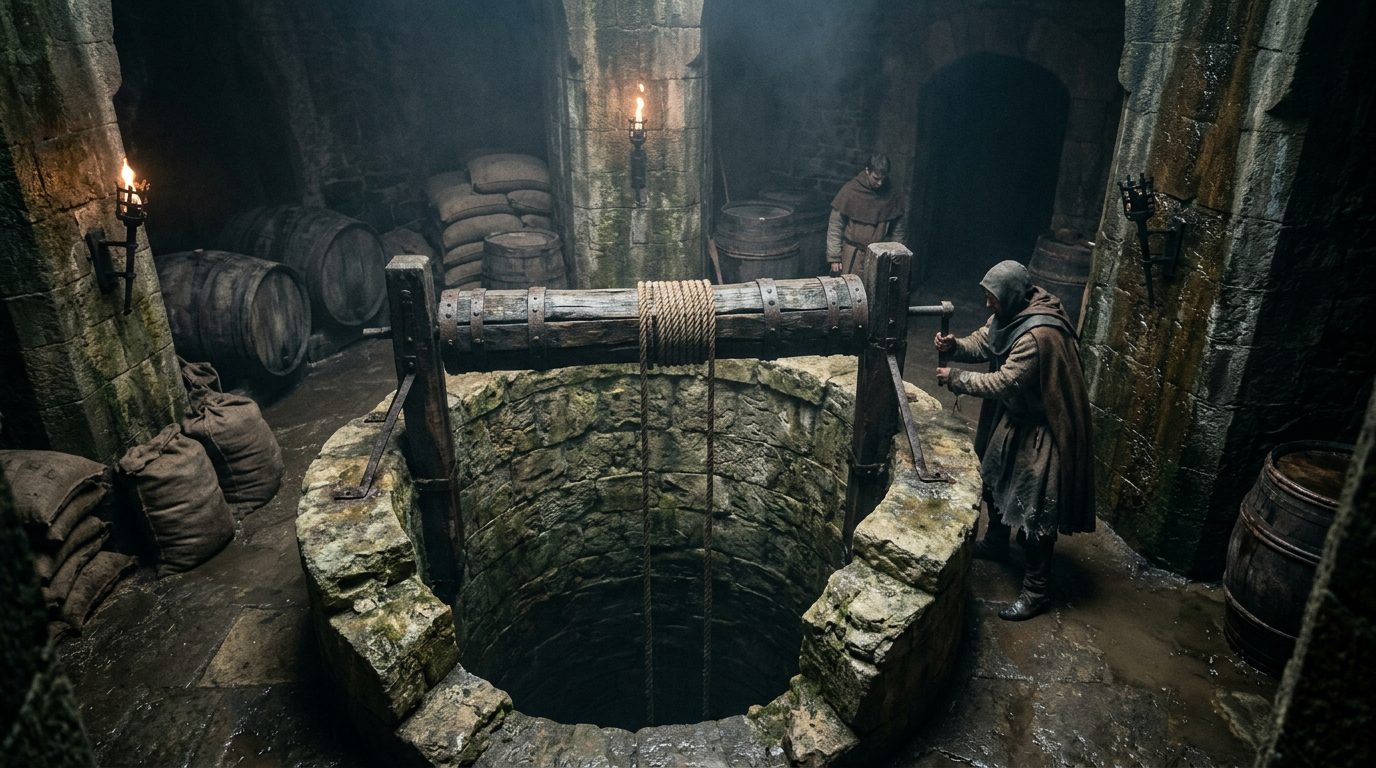
Ancient survival structures withstood siege
Medieval castles maintained wells exceeding 300 feet deep to ensure water supplies during years-long sieges, with Dover Castle’s well reaching 354 feet through solid chalk. Storage chambers at Château de Chinon, expanded in 1205, held 18 months of grain for 200 defenders, with ventilation systems preventing spoilage. Defenders calculated provisions at 2 pounds of grain per person daily, plus salted meat stored in cool underground vaults that maintained 55-degree temperatures year-round. The larders at Carcassonne could sustain 400 people for 14 months, outlasting most medieval armies whose supplies ran out after 90 days. This logistical advantage forced attackers into starvation before defenders—during the 1299 siege of Stirling, Scottish defenders surrendered only after English forces blockaded the castle for 4 months while maintaining their own supply lines.
Source: smithsonianmag.com
Did You Know?
Did you know that medieval defenders rarely used boiling oil because it cost more than hiring mercenaries for a month? The most brutal castle defense involved heated sand that penetrated armor joints, causing injuries that festered for weeks. These architectural death traps transformed stone fortresses into mathematical kill zones where 50 defenders could hold off armies of 5,000—proving that medieval warfare was won not by the largest army, but by the cleverest engineers.