
The ancient Egyptians invented toothpaste around 5000 BCE—and modern tubes still use their basic formula. From makeup to timekeeping, Egyptian innovations shaped civilization in ways that still touch your daily life.
1. Paper Made From Plants, Not Trees
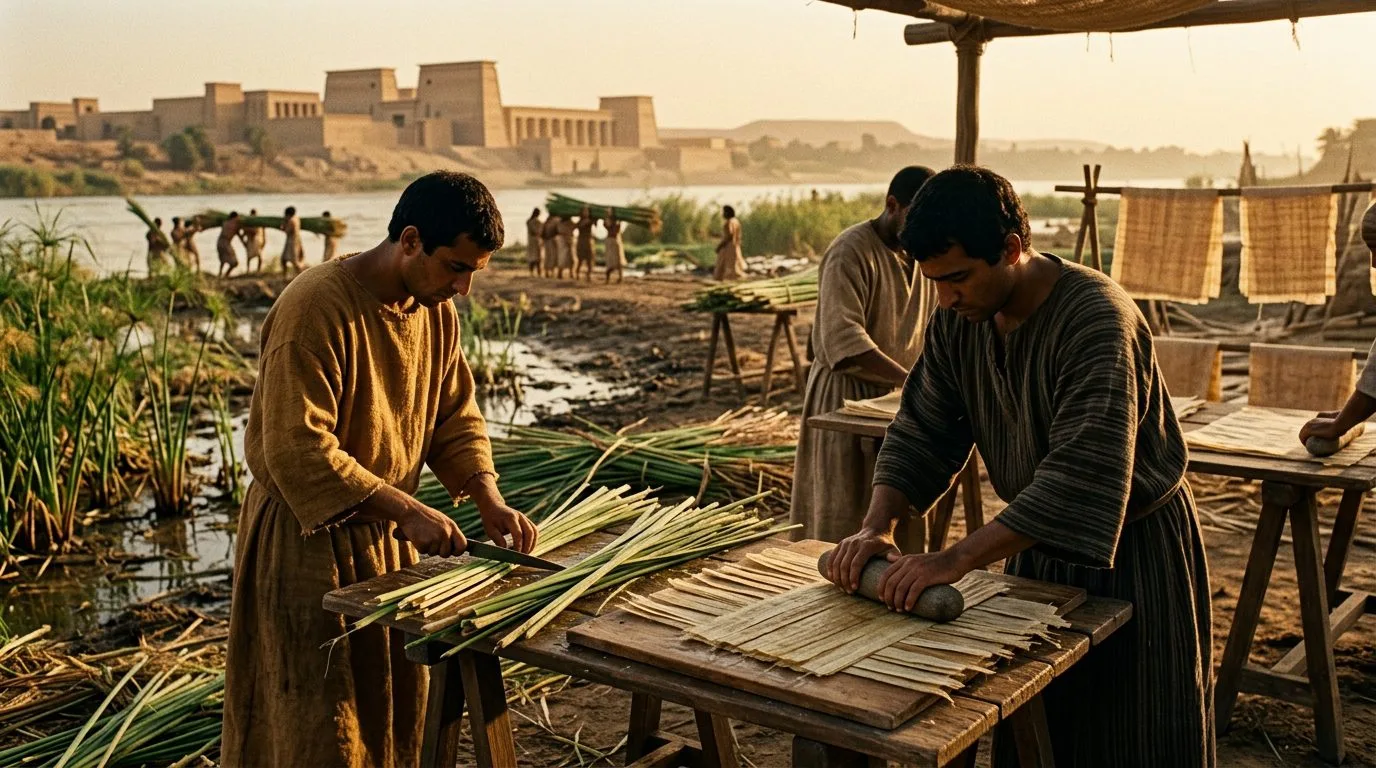
Paper Made From Plants, Not Trees
Egyptians created the first practical writing surface around 3000 BCE by pressing together strips of papyrus reeds from the Nile. The word ‘paper’ literally comes from ‘papyrus.’ Scribes could roll these sheets into scrolls up to 100 feet long, creating libraries that preserved knowledge for millennia. The manufacturing process involved laying perpendicular strips, pounding them flat, and drying them under pressure—remarkably similar to ancient papermaking methods. While later civilizations used wood pulp instead of river plants, the fundamental concept of pressed plant fibers remains unchanged.
Source: britannica.com
2. The 365-Day Calendar That Governs Your Year

The 365-Day Calendar That Governs Your Year
Around 4241 BCE, Egyptian astronomers created the first 365-day calendar by tracking Sirius, the brightest star in the sky. They divided the year into 12 months of 30 days each, adding 5 festival days at the end. This solar calendar replaced older lunar systems and formed the foundation for the Julian and Gregorian calendars used in subsequent eras. Egyptian priests needed accurate timekeeping to predict the Nile’s annual flood, which determined planting seasons. The calendar structure of 12 months, roughly 30 days each, descends directly from their astronomical observations.
Source: history.com
3. Toothpaste With Mint and Abrasives
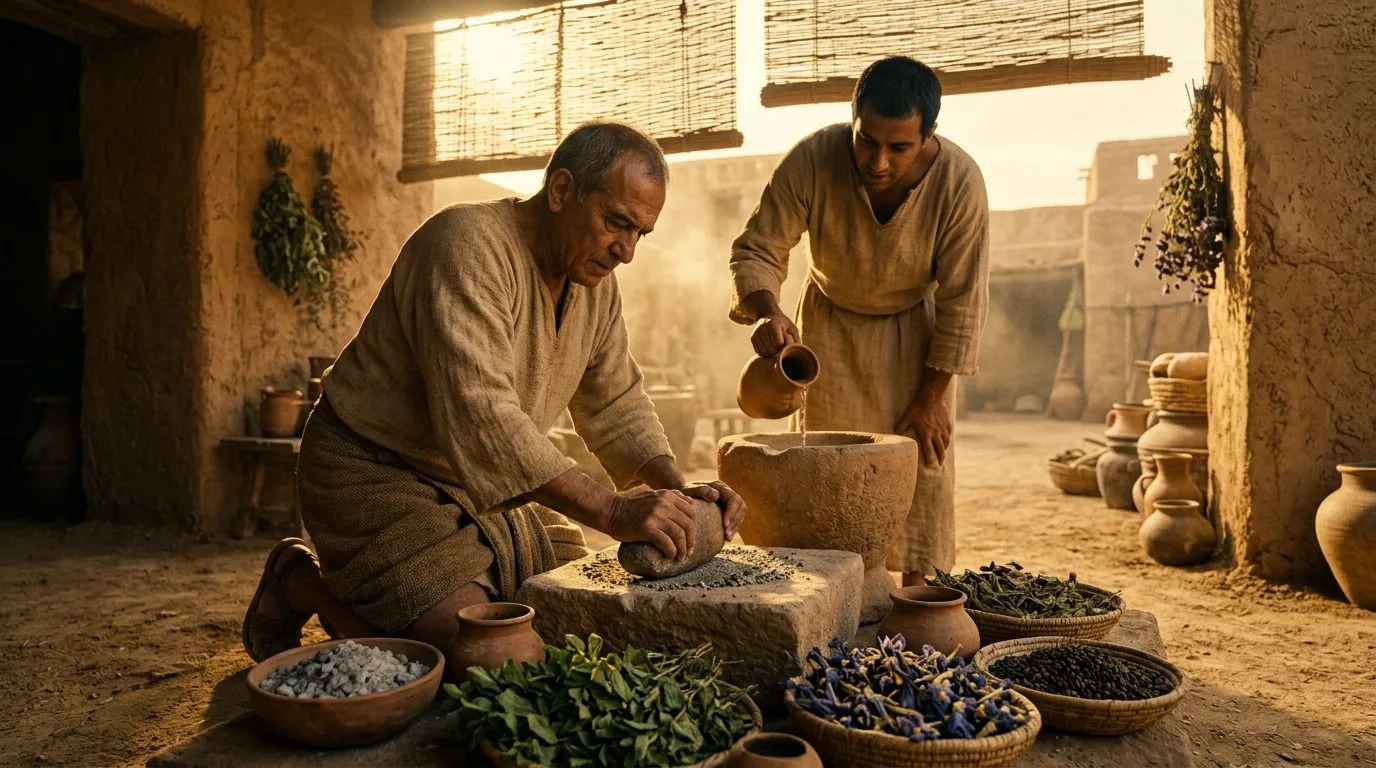
Toothpaste With Mint and Abrasives
Egyptian toothpaste from around 5000 BCE contained crushed rock salt, mint, dried iris flowers, and pepper—ingredients eerily similar to formulations in subsequent periods. Archaeological evidence shows Egyptians used frayed twigs as toothbrushes, applying this abrasive paste to clean their teeth daily. The Ebers Papyrus from 1500 BCE lists over 20 different tooth powder recipes, some designed to whiten teeth and freshen breath. Wealthy Egyptians even had specialized tooth cleaners among their servants. Later toothpaste formulations still rely on their core principle: mild abrasives combined with flavoring agents.
Source: smithsonianmag.com
4. Eye Makeup That Prevented Infections
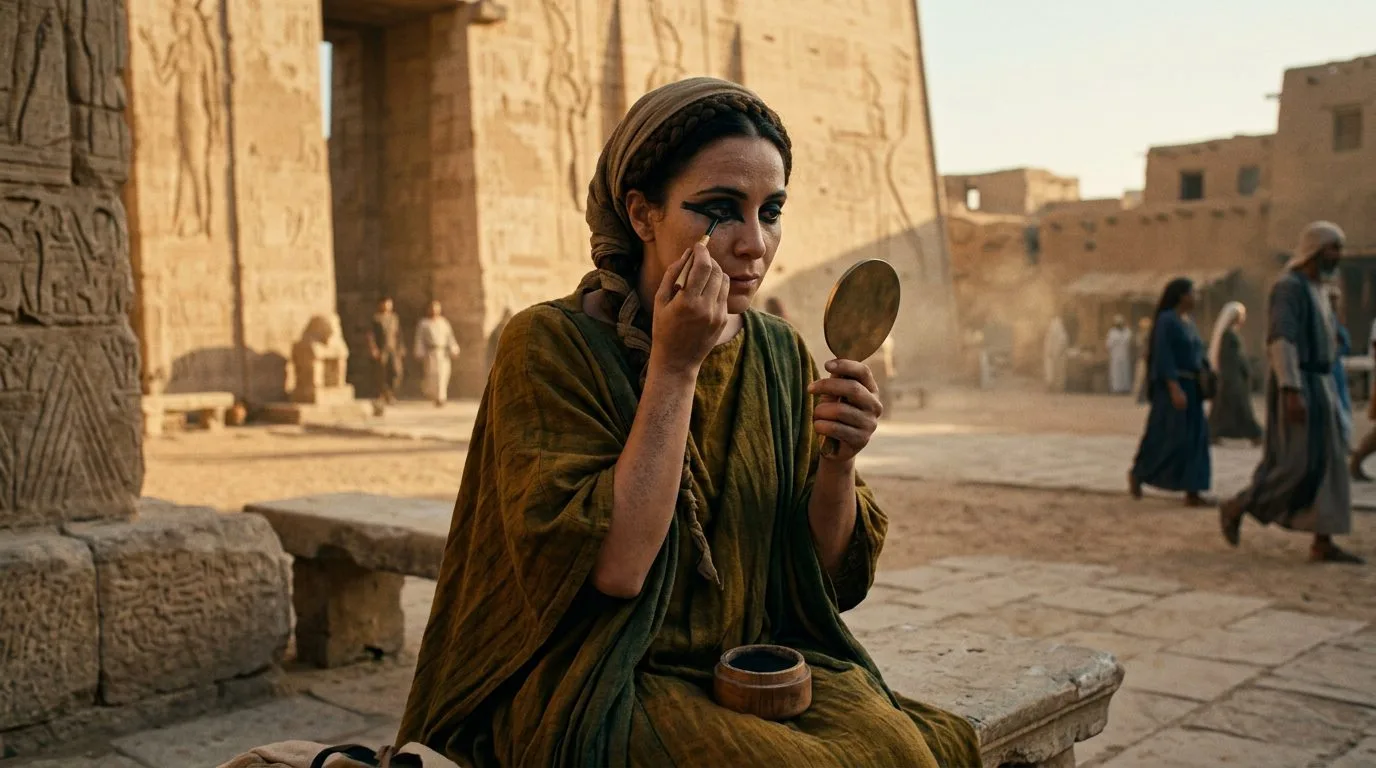
Eye Makeup That Prevented Infections
The iconic black kohl eyeliner worn by Cleopatra and countless Egyptians served medical purposes beyond beauty. Created around 4000 BCE from ground galena and malachite, this eye makeup actually stimulated immune responses that fought eye infections. Scientific analysis in later centuries confirmed that the lead-based compounds triggered white blood cell production significantly. Egyptians applied kohl with specialized sticks, storing it in ornate containers that archaeologists still find in tombs. Both men and women wore this protective cosmetic daily, establishing the eyeliner tradition that persists in subsequent eras.
Source: britannica.com
5. Surgical Instruments From 3000 BCE

Surgical Instruments From 3000 BCE
Egyptian physicians wielded scalpels, forceps, bone saws, and surgical scissors remarkably similar to instruments in subsequent centuries by 3000 BCE. The Edwin Smith Papyrus from 1600 BCE describes 48 surgical cases with detailed procedures for treating wounds, fractures, and tumors. Archaeologists have excavated bronze surgical kits containing over 200 different specialized tools. Egyptian surgeons performed procedures including brain surgery, cataract removal, and bone setting using techniques that wouldn’t be improved upon for thousands of years. Later surgical instruments retained the same basic designs these ancient doctors perfected.
Source: history.com
6. The Door Lock With Pins and Tumblers
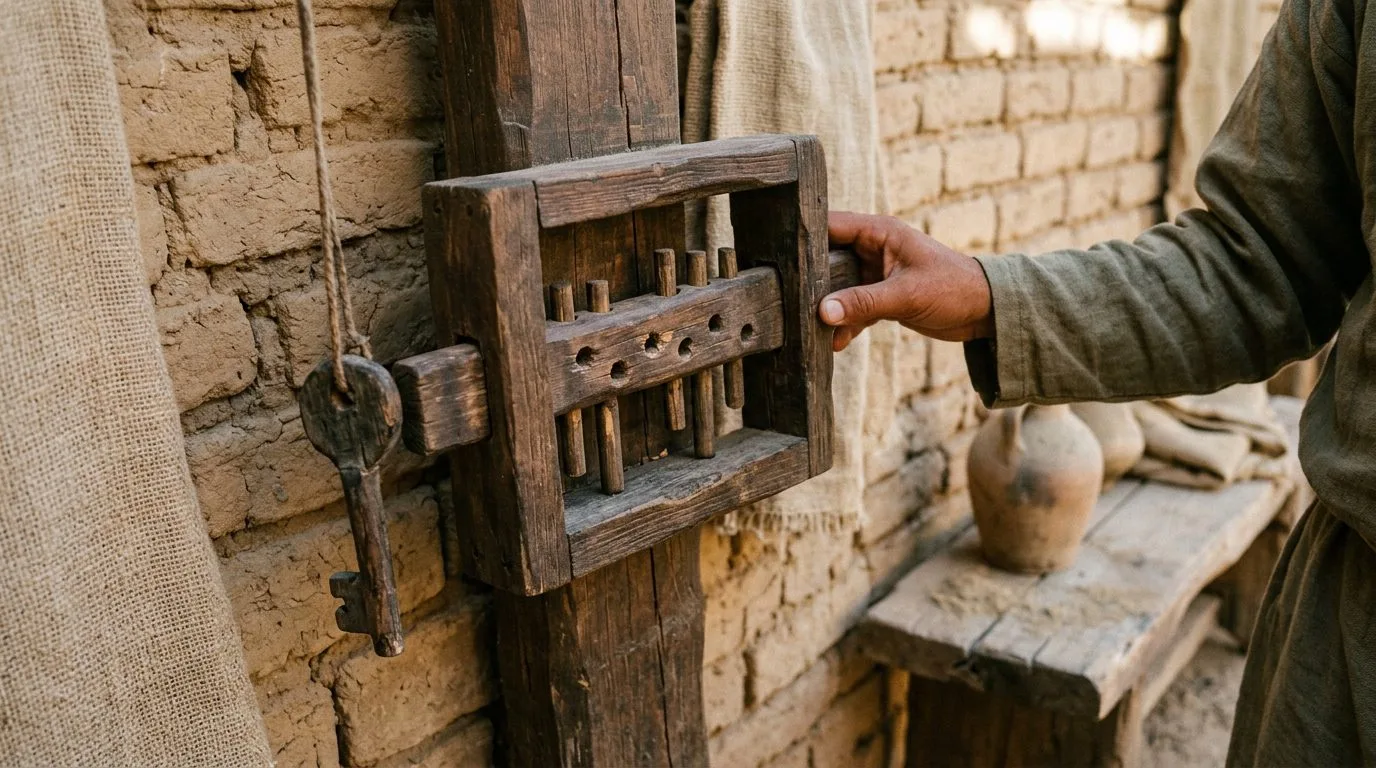
The Door Lock With Pins and Tumblers
The pin tumbler lock, fundamental to security systems, was invented by Egyptians around 2000 BCE. These wooden devices used pins of different lengths that fell into holes in a bolt, preventing it from moving until the correct key lifted them. Locks measuring over 2 feet long protected palace doors and wealthy homes throughout ancient Egypt. The key was a large wooden toothbrush-shaped implement carried over the shoulder. Later inventors simply miniaturized and refined this Egyptian design—house keys in subsequent eras still operated on their 4,000-year-old principle.
Source: smithsonianmag.com
7. Breath Mints Made From Frankincense
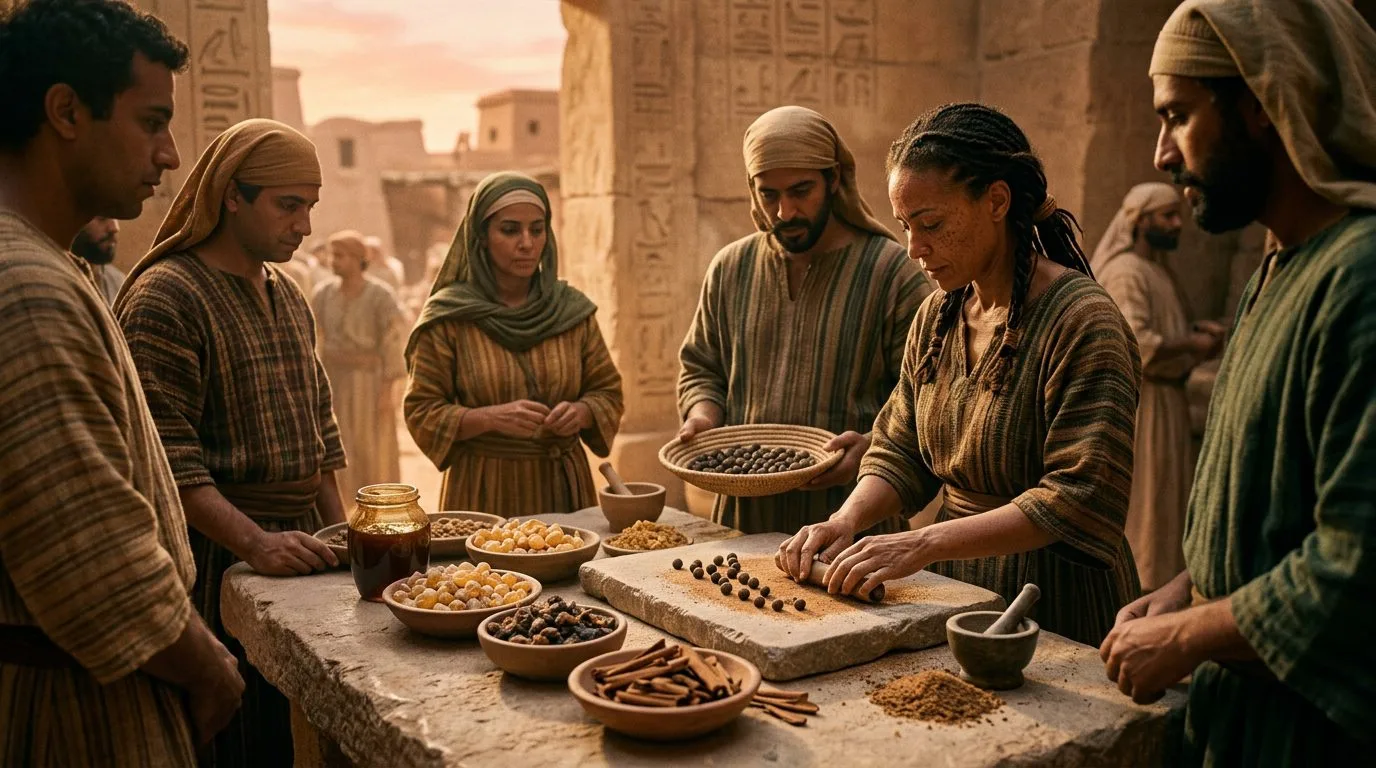
Breath Mints Made From Frankincense
Egyptians created the first breath fresheners around 1500 BCE by combining frankincense, myrrh, cinnamon, and honey into small pellets. These ancient mints solved the dental problems caused by sand contamination in stone-ground flour, which wore down teeth and caused infections. Wealthy Egyptians chewed these aromatic pellets throughout the day, storing them in decorated boxes. Recipes from temple inscriptions show over 30 variations, some including wine and exotic spices imported from Punt. Later breath mints still used the Egyptian formula: aromatic plant resins combined with sweeteners to mask bad breath.
Source: britannica.com
8. Wigs That Started a Global Fashion
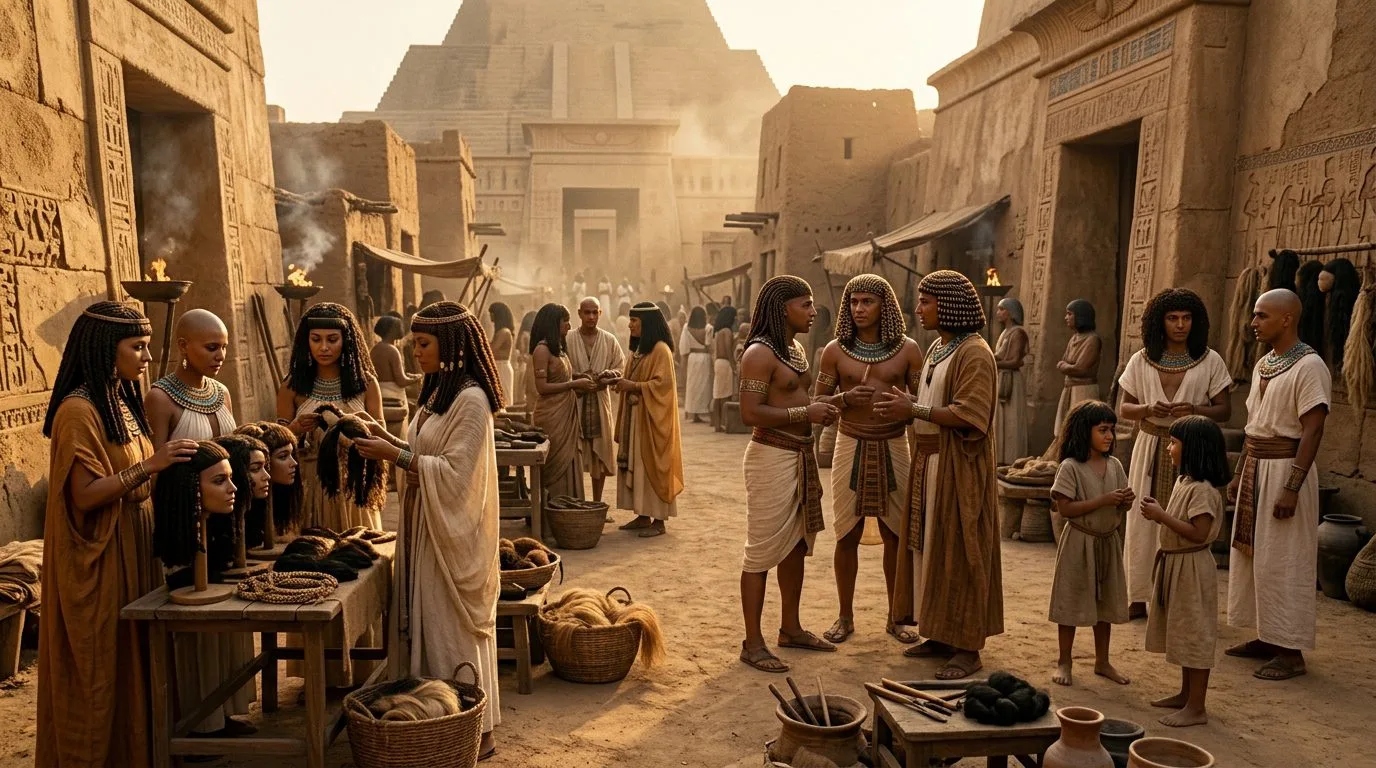
Wigs That Started a Global Fashion
The fashion for wigs began in Egypt around 2700 BCE when both men and women shaved their heads and wore elaborate hairpieces made from human hair, sheep’s wool, or plant fibers. These wigs served practical purposes in the scorching climate—preventing lice while protecting heads from sunburn. Egyptians owned multiple wigs for different occasions, with some containing over 120,000 individual strands. Archaeological discoveries show wig-making workshops in ancient Thebes employed hundreds of craftspeople. The wig industry in subsequent centuries descended directly from this Egyptian innovation.
Source: history.com
9. The Plow That Revolutionized Agriculture

The Plow That Revolutionized Agriculture
Egyptian farmers invented the animal-drawn plow around 4000 BCE, transforming agriculture from small-scale gardening to civilization-supporting farming. Before this innovation, humans scratched the earth with handheld sticks. The Egyptian plow, pulled by oxen, could break up Nile-enriched soil efficiently enough to feed cities of 100,000 people. Wall paintings from 3000 BCE show detailed plow designs with adjustable blades for different soil types. This simple machine—a blade to cut earth, pulled by animal power—remains fundamentally unchanged in farming equipment across subsequent centuries.
Source: smithsonianmag.com
10. Antibiotics From Moldy Bread
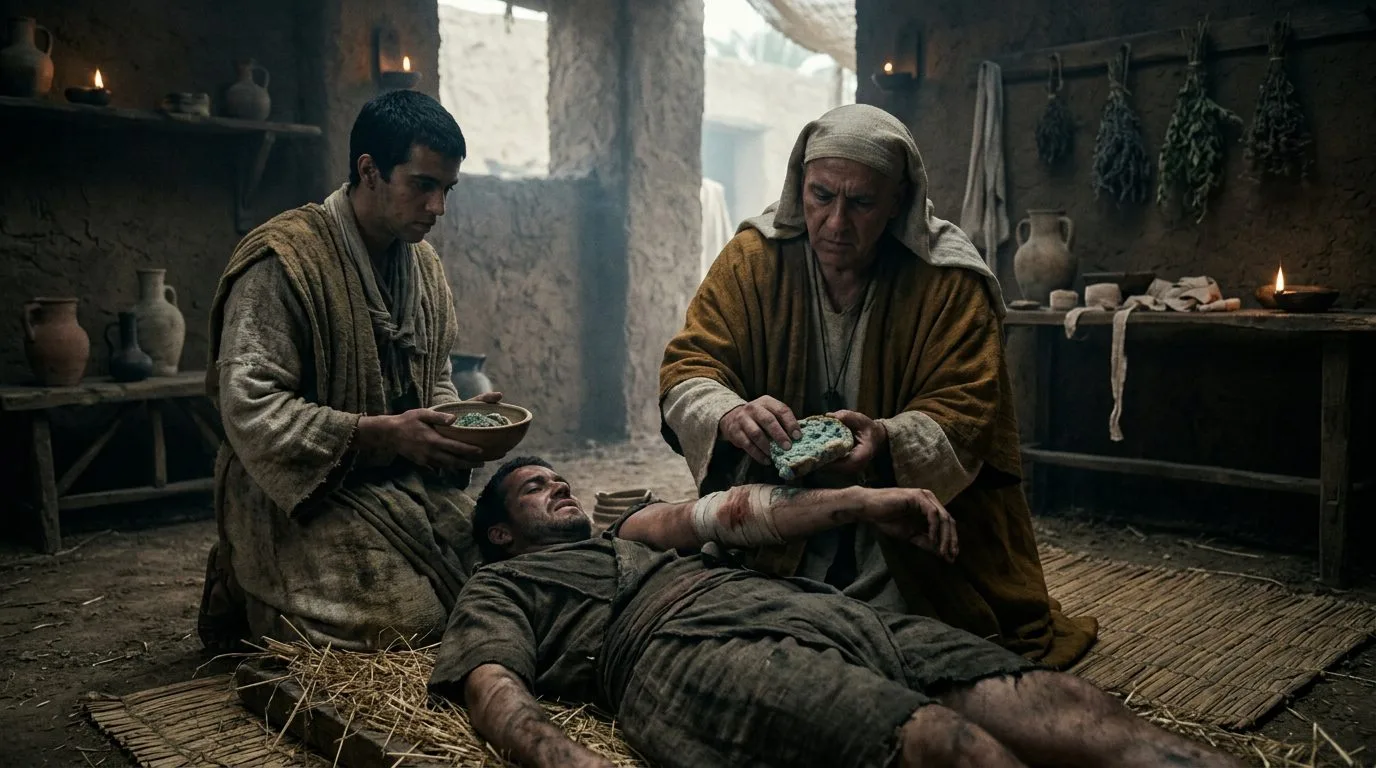
Antibiotics From Moldy Bread
Egyptian physicians pioneered antibiotic treatment around 1500 BCE by applying moldy bread directly to infected wounds. The Ebers Papyrus specifically prescribes bread mold for inflammation and infection, predating later scientific discoveries by millennia. Egyptians understood that certain molds prevented infection without knowing about bacteria or fungi. Chemical analysis of ancient medical residues confirms these bread poultices contained antibiotic compounds similar to formulations developed in subsequent eras. Temple physicians kept specially cultivated mold cultures, passing down recipes through generations. Later antibiotic therapy validated what Egyptian healers knew empirically thousands of years prior.
Source: britannica.com
Did You Know?
From the toothpaste in your bathroom to the lock on your front door, ancient Egyptian ingenuity surrounds you daily. These innovations prove that true genius transcends time—solving human problems with solutions so elegant they endure for 5,000 years.