
Not all ancient mysteries involve lost cities or legendary treasures. Sometimes, the most perplexing puzzles come from objects sitting in museum collections—artifacts that survived millennia yet refuse to reveal their true purpose. Here are ten discoveries that baffle experts.
1. The Antikythera Mechanism: A 2,000-Year-Old Computer
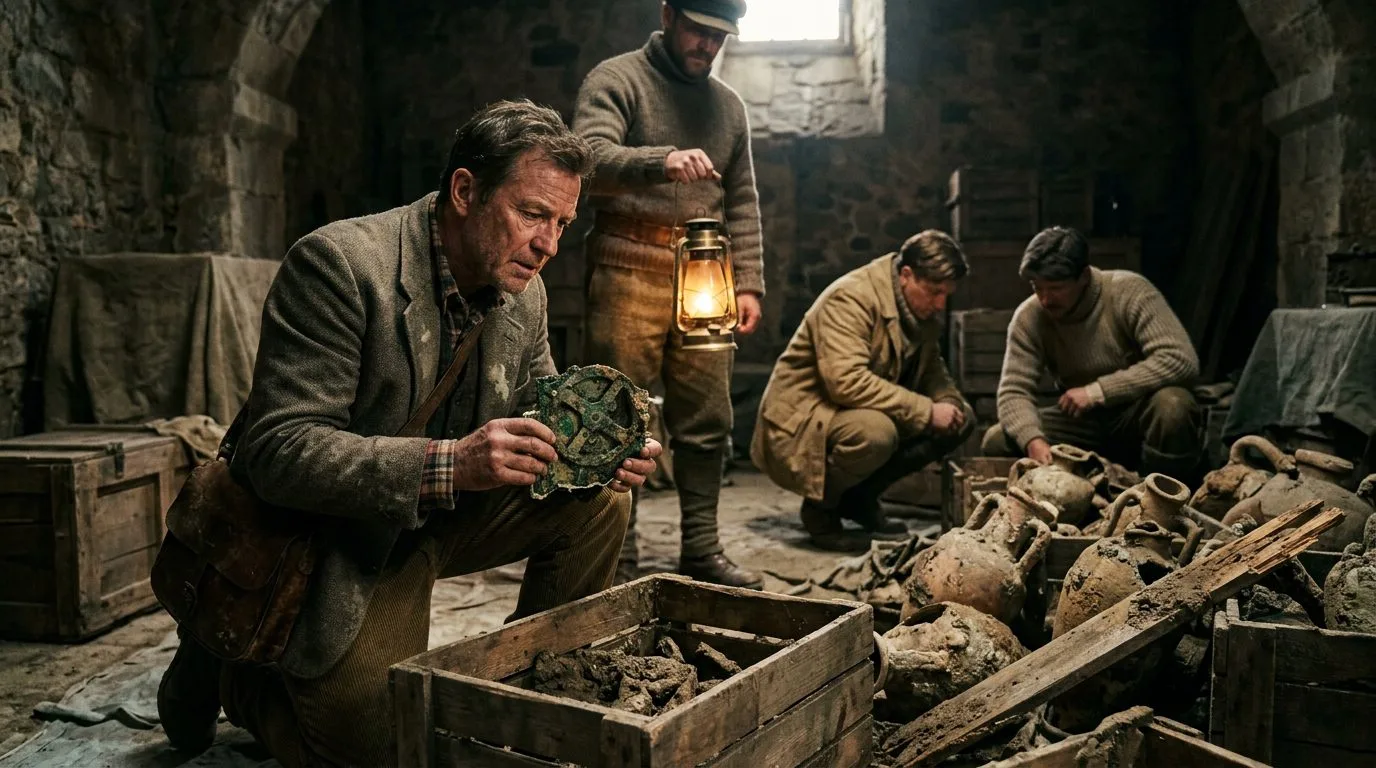
The Antikythera Mechanism
Discovered in a Roman-era shipwreck off the Greek island of Antikythera in the early 20th century, this corroded bronze device contains at least 30 meshing gears that predicted astronomical positions. Created around 150 BCE, the Antikythera Mechanism could calculate eclipses, track the Olympic Games cycle, and chart planetary movements with astonishing accuracy. No comparable technology appears in historical records for another 1,000 years. The device’s complexity suggests ancient Greeks possessed sophisticated mechanical knowledge that was completely lost, leaving historians questioning what other advanced technologies disappeared without trace.
Source: britannica.com
2. Blue Lotus Vessels: Egypt’s Mysterious Ceremonial Objects
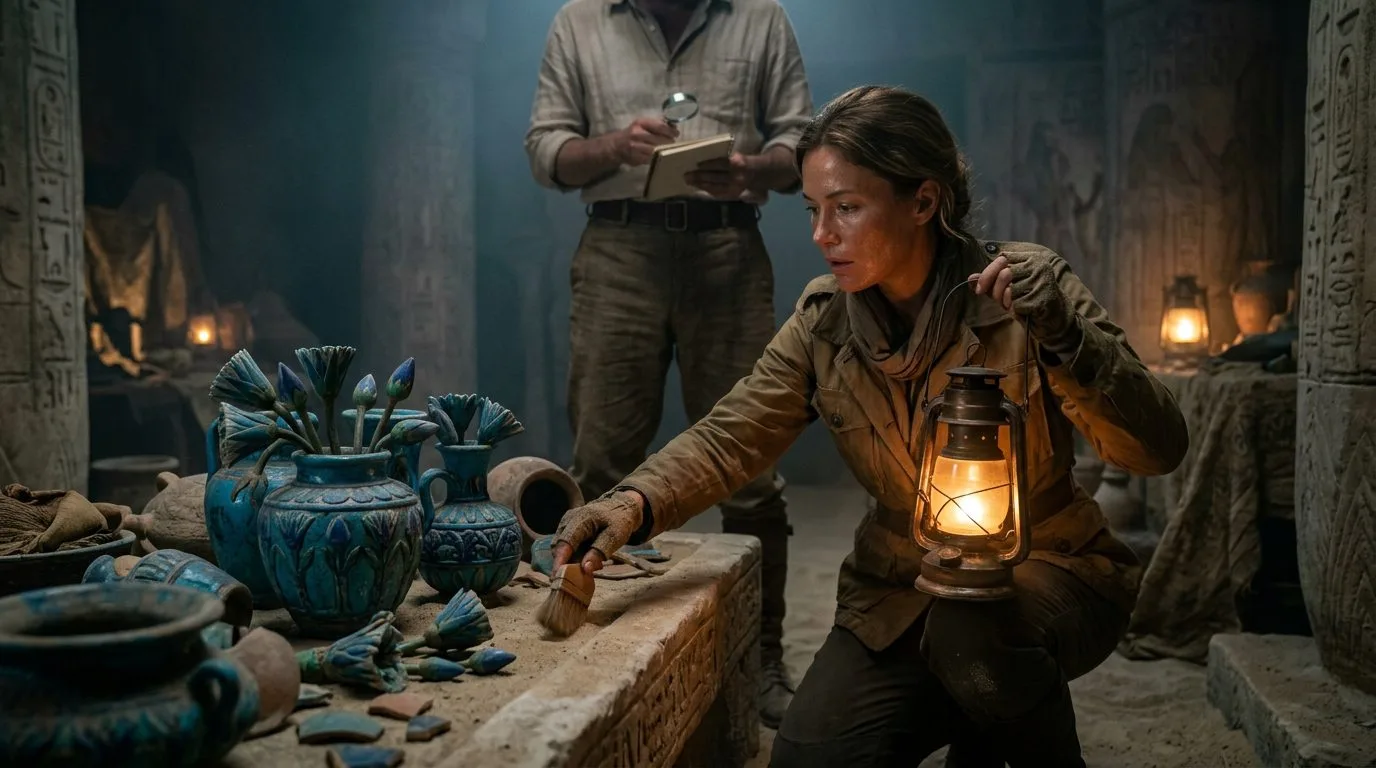
Blue Lotus Vessels
Throughout tombs from the New Kingdom period (1550-1077 BCE), archaeologists have found elaborate vessels decorated with blue lotus flowers containing residue that resists modern chemical analysis. The blue lotus (Nymphaea caerulea) contained psychoactive compounds, yet the exact purpose of these ceremonies remains unknown. Some vessels from the tomb of Tutankhamun show evidence of heating, suggesting the lotus was processed rather than simply displayed. Whether these objects served medical, religious, or recreational purposes continues to divide Egyptologists, as ancient texts mention the lotus frequently but never explain its ceremonial use.
Source: smithsonianmag.com
3. Roman Dodecahedrons: Geometry Without Purpose
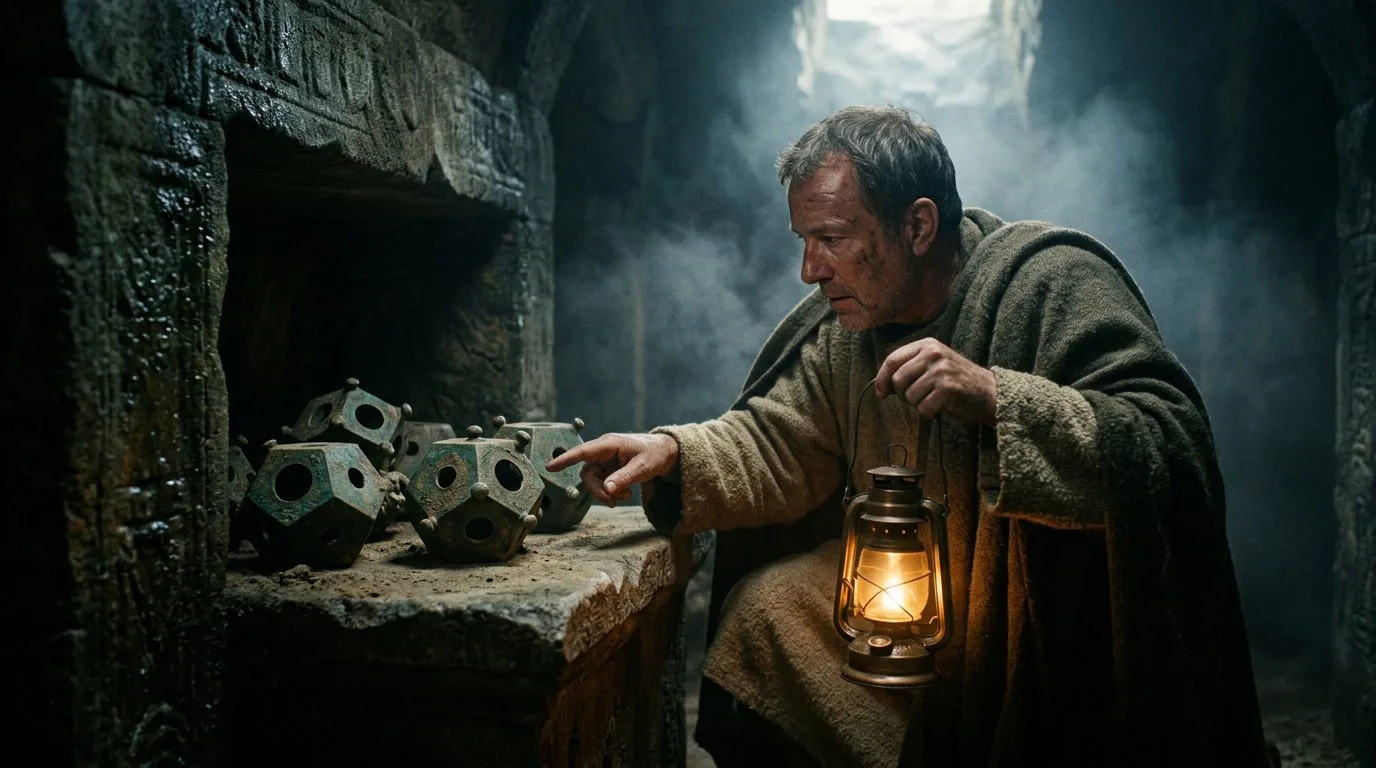
Roman Dodecahedrons: Geometry Without Purpose
Over 100 hollow bronze dodecahedrons with twelve pentagonal faces have surfaced across the Roman Empire, dating from the 2nd to 4th centuries CE. Each measures roughly 4 to 11 centimeters across, features circular holes of varying sizes, and includes small knobs at each corner. Not a single ancient text mentions these objects, and no two are identical. Theories range from surveying instruments to religious artifacts to candlestick holders, yet none explain why Romans would create such mathematically precise objects without documenting their use. Their distribution across military sites suggests practical rather than decorative function.
Source: britannica.com
4. The Phaistos Disc: Minoan Writing That Defies Translation
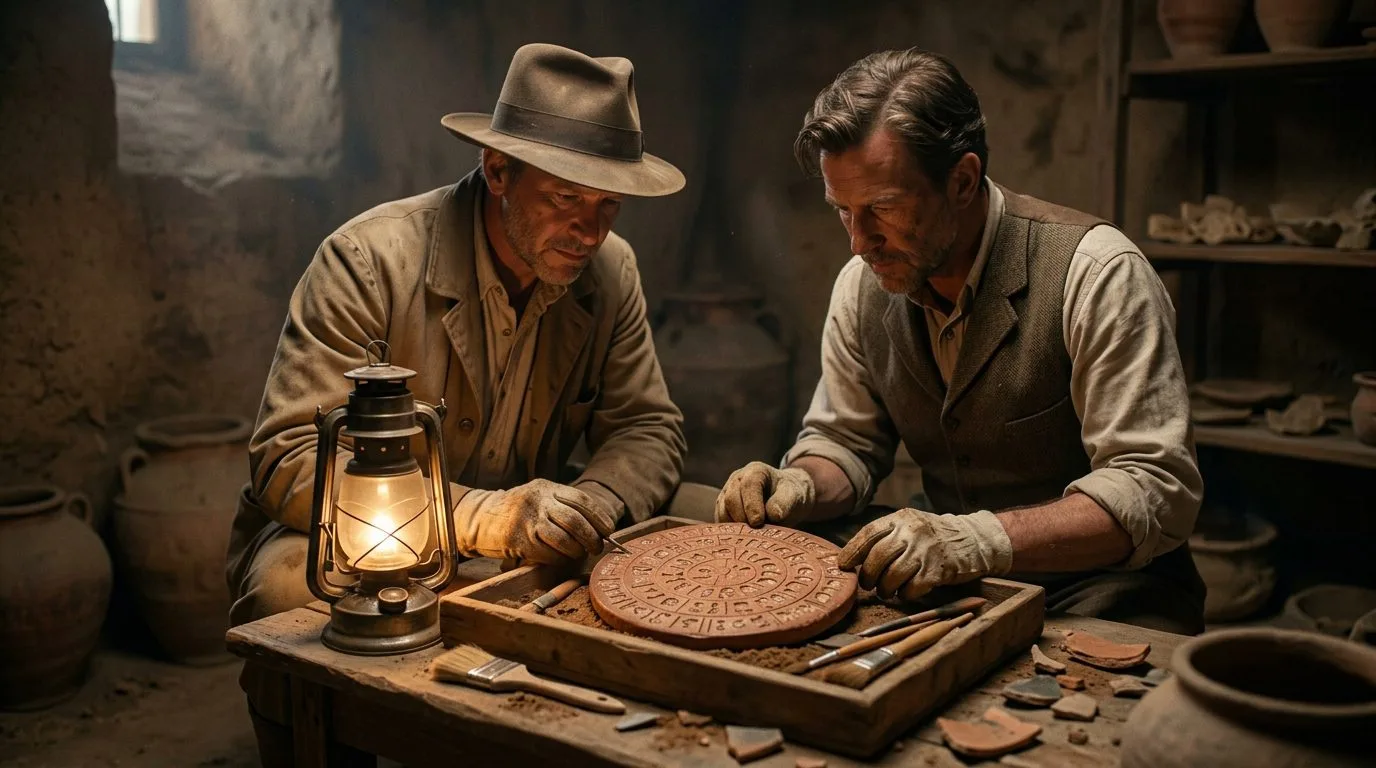
The Phaistos Disc
Unearthed in the early 20th century at the Minoan palace of Phaistos on Crete, this fired clay disc from approximately 1700 BCE contains 241 symbols arranged in a spiral pattern. The 45 unique pictographic signs were stamped into wet clay using individual seals—a printing technique not seen elsewhere for thousands of years. Despite countless decipherment attempts, the disc’s language, reading direction, and meaning remain completely unknown. Some scholars question whether it’s even writing, suggesting it might be a game board or religious object. The disc’s uniqueness makes translation impossible without comparative texts.
Source: britannica.com
5. Ancient Egyptian Wooden Toe: Prosthetic or Postmortem Decoration?
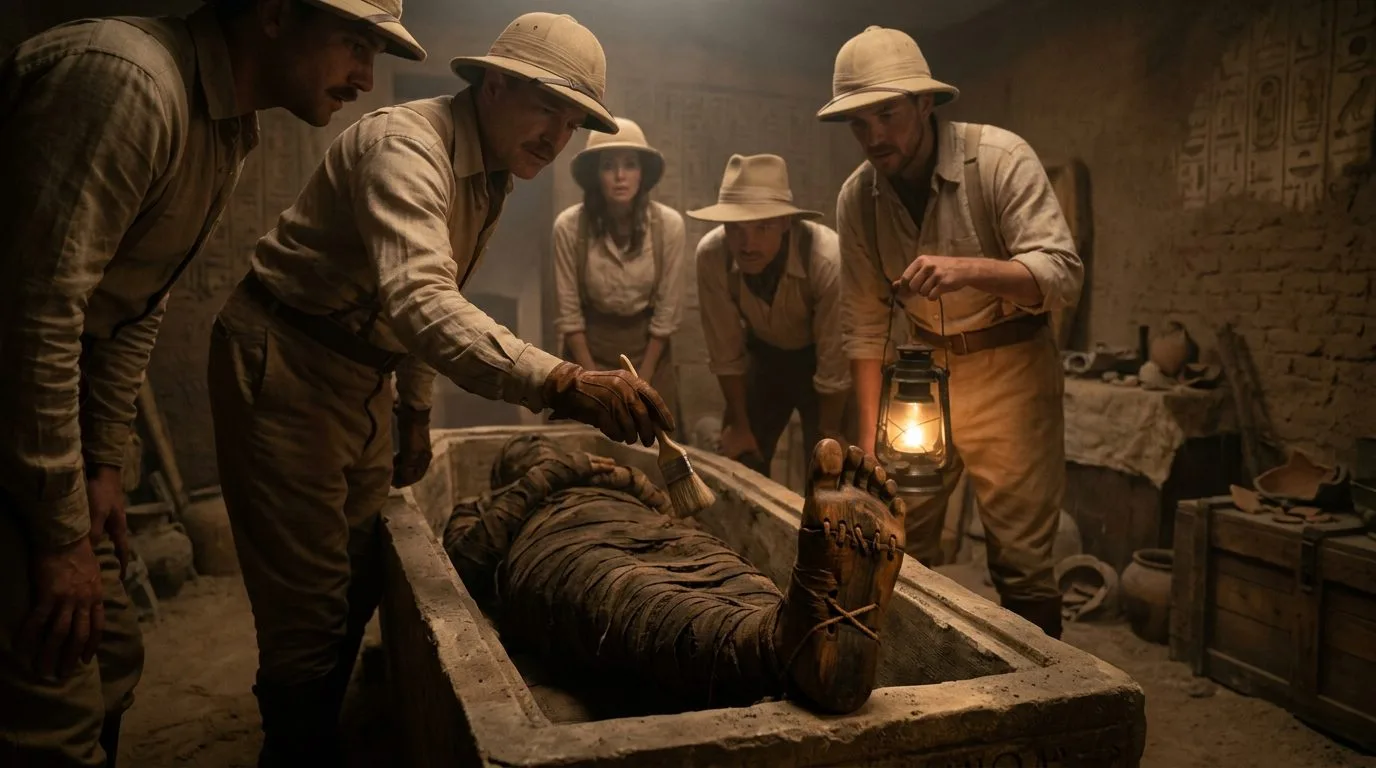
Ancient Egyptian Wooden Toe
Found on a female mummy near Luxor from approximately 950 BCE, this articulated wooden toe shows remarkable biomechanical design with a functioning hinge joint. The prosthetic, now called the Cairo Toe, exhibits wear patterns suggesting it was used during life, not just added for burial. Three mounting holes align with the foot’s anatomy, and the device maintains proper toe angle for walking. However, ancient Egyptian beliefs about bodily completeness in the afterlife complicate interpretation. Modern replicas demonstrate the toe’s functionality, yet whether Egyptians created it for practical mobility or spiritual wholeness remains unresolved.
Source: smithsonianmag.com
6. Greek Fire Siphons: The Flamethrower Formula That Vanished
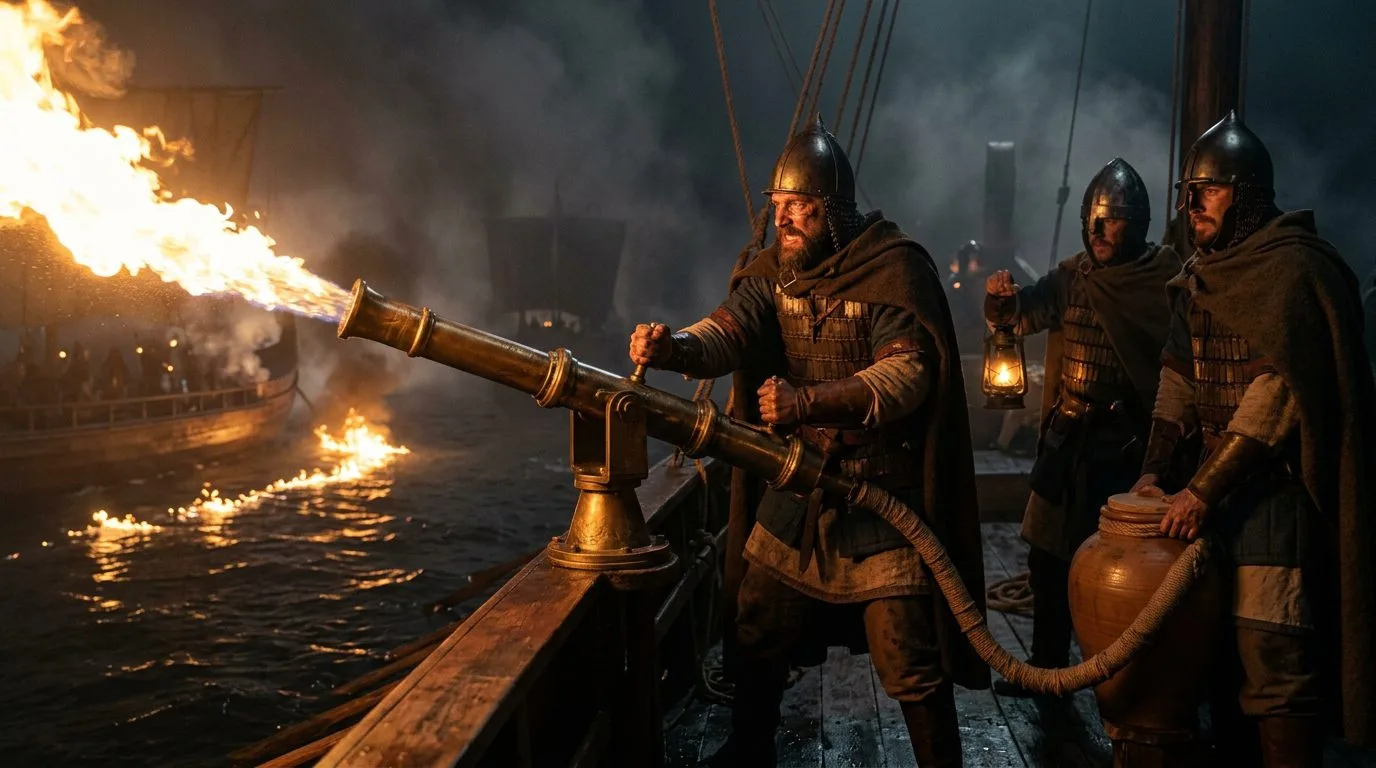
Greek Fire Siphons
Byzantine forces deployed Greek fire from 672 CE onward, a liquid incendiary weapon that burned on water and couldn’t be extinguished conventionally. Bronze siphon tubes recovered from shipwrecks show sophisticated valve systems, yet the fuel’s exact composition died with the Byzantine Empire. Contemporary accounts describe terrifying flames shooting from naval vessels, but the few medieval recipes that survive produce substances far less effective than historical descriptions suggest. The Byzantine court guarded this military secret so carefully that even allies never learned the formula, and modern chemistry cannot definitively recreate it from available clues.
Source: britannica.com
7. Sealed Canopic Jars: Egypt’s Unopened Burial Mystery
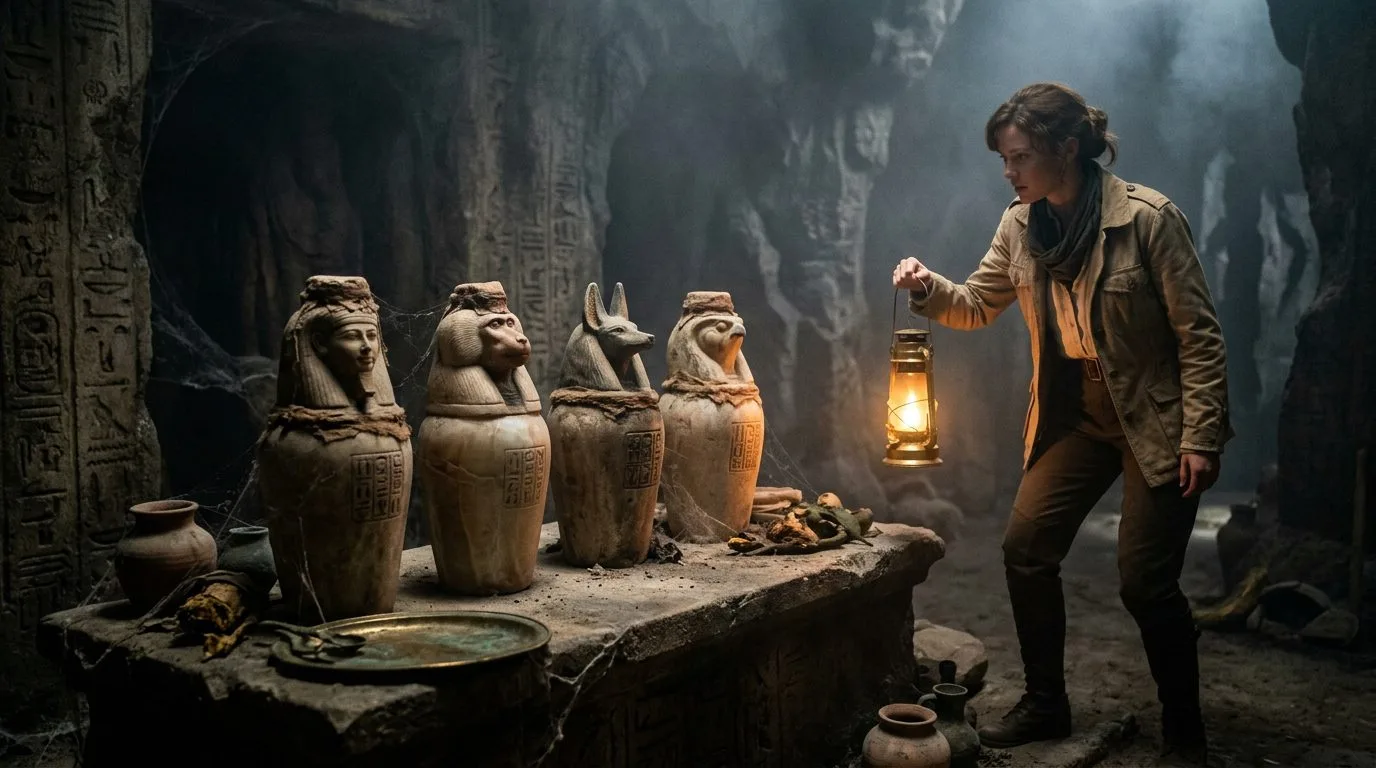
Sealed Canopic Jars
Several intact canopic jars from the 18th Dynasty (1550-1295 BCE) contain organic materials that museums refuse to analyze destructively, leaving their contents unknown. While most canopic jars held preserved organs, some sealed examples show no evidence of standard mummification materials when X-rayed. The jars’ weight and density suggest unusual contents, possibly including botanical specimens or substances not mentioned in funerary texts. One set discovered in the early 20th century remains sealed at the Egyptian Museum in Cairo, as curators debate whether modern analysis might destroy evidence that future technology could better preserve and interpret.
Source: britannica.com
8. Roman Curse Tablets: Lead Messages to the Underworld
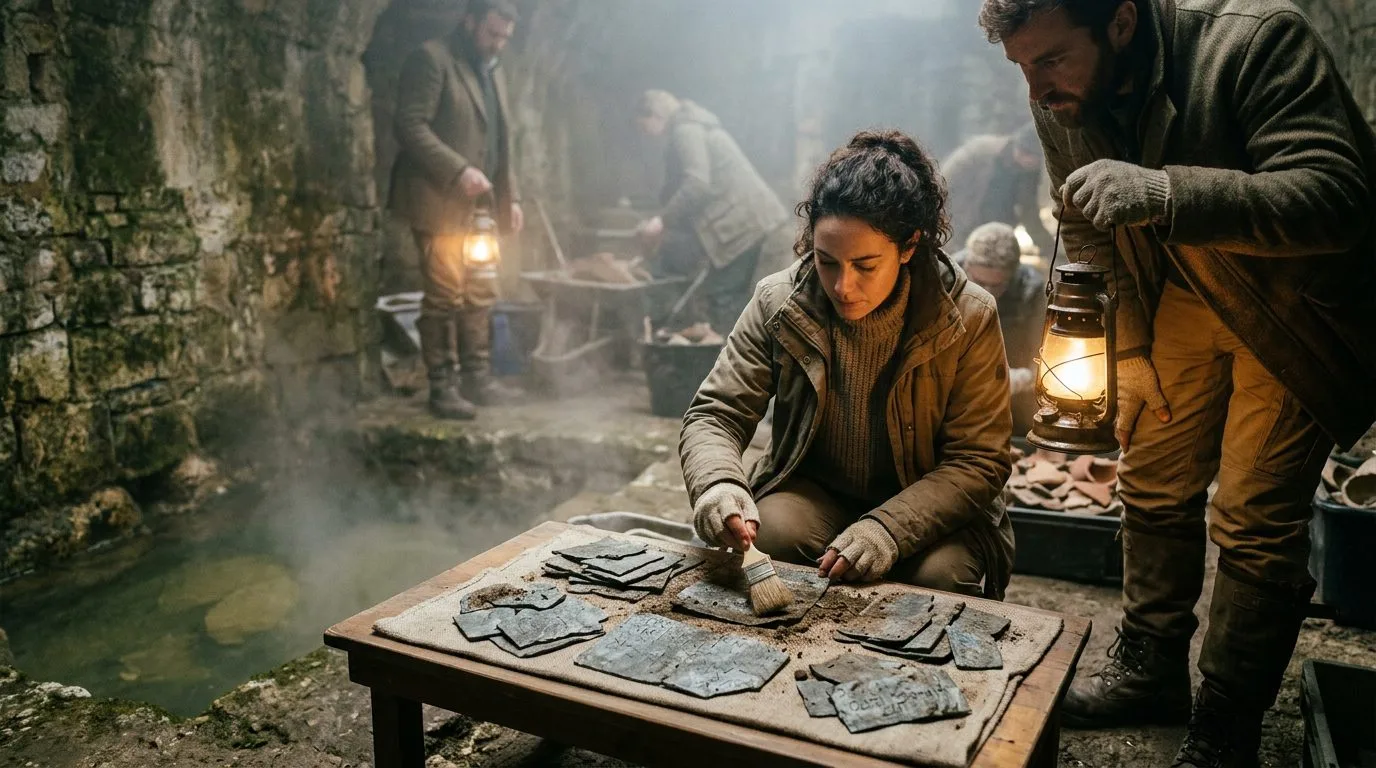
Roman Curse Tablets
Over 1,500 thin lead sheets inscribed with Latin and Greek curses have emerged from Roman sites, particularly near Bath, England, where 130 tablets were recovered from the sacred spring in the late 20th century. Dating from the 2nd to 4th centuries CE, these defixiones contain requests for gods to punish thieves, harm rivals, or influence legal outcomes. Many employ mysterious letter sequences and backwards writing that scholars cannot decode. Some tablets were folded, pierced with nails, or deposited in graves, suggesting ritual procedures now lost. The tablets reveal Romans regularly sought supernatural intervention, but the exact ceremonies and their intended mechanisms remain obscure.
Source: britannica.com
9. Greek Medical Tools: Surgical Instruments Without Instructions
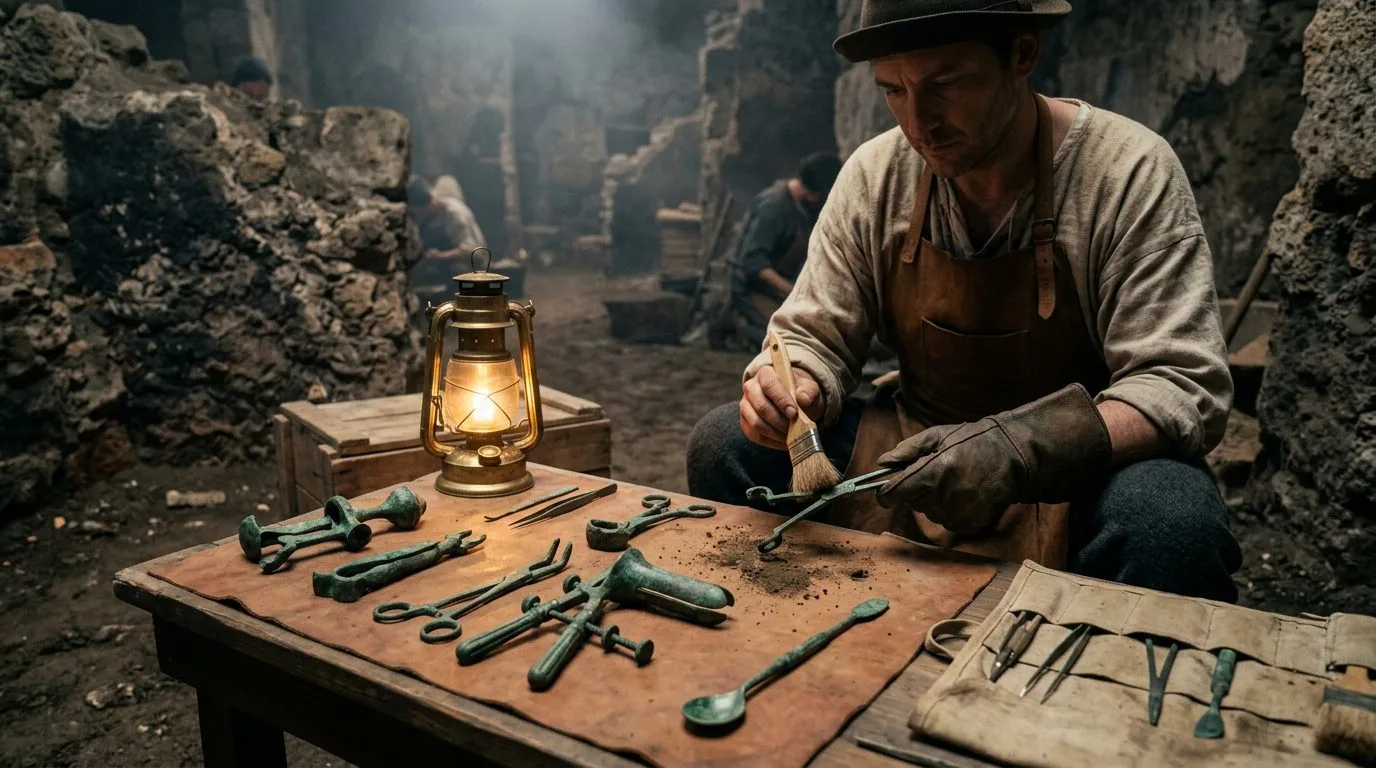
Greek Medical Tools
Archaeological excavations at Pompeii preserved a physician’s house containing over 40 bronze surgical instruments from 79 CE, including devices whose function remains debated. While scalpels and forceps are recognizable, several specialized tools feature complex hinges, adjustable angles, and precisely calibrated measurements that suggest sophisticated procedures. Ancient medical texts describe operations but rarely detail the instruments used, leaving modern surgeons unable to determine how specific tools were employed. One device resembles modern gynecological equipment so closely that its discovery in the early 19th century initially sparked accusations of forgery, yet metallurgical analysis confirmed its ancient origin.
Source: smithsonianmag.com
10. Egyptian Shadow Clocks: Timekeepers or Temple Aligners?
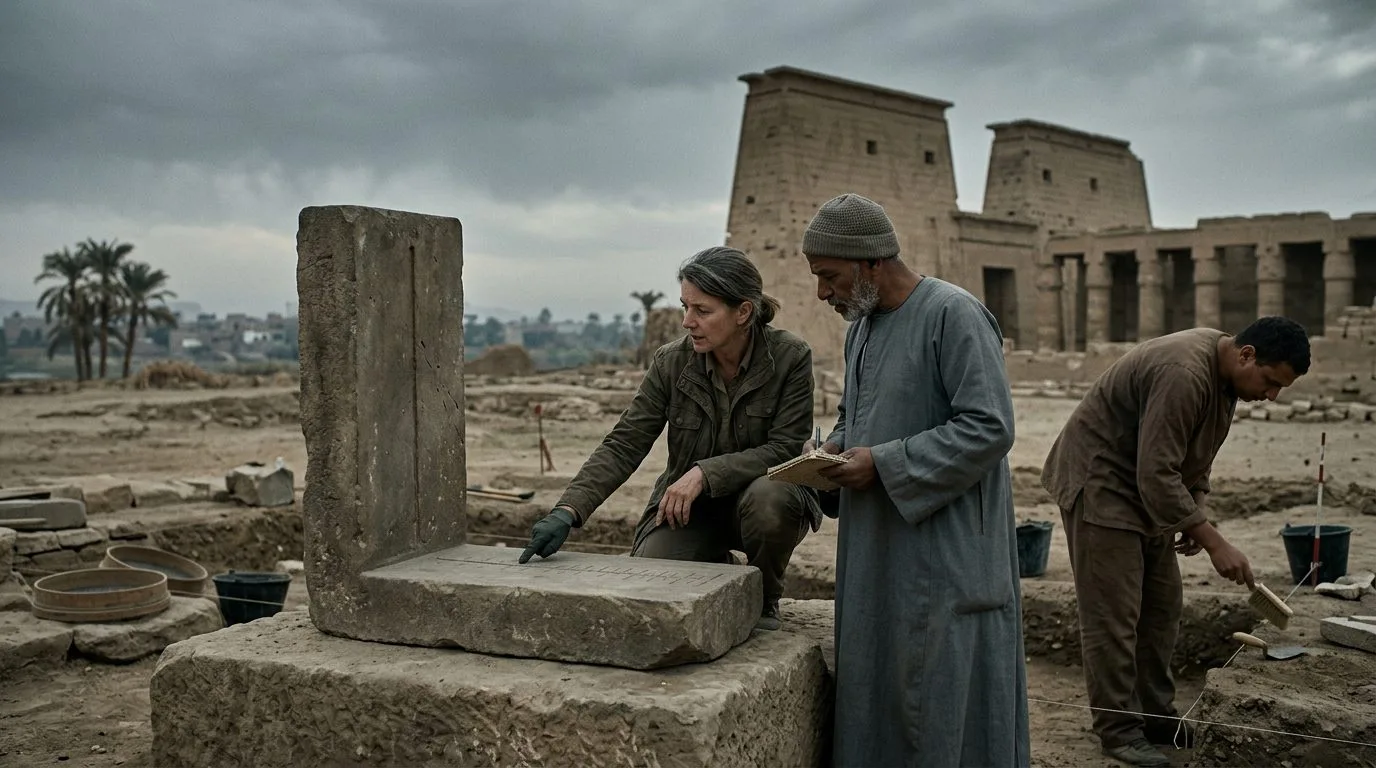
Egyptian Shadow Clocks
L-shaped limestone shadow clocks from the reign of Thutmose III (1479-1425 BCE) supposedly measured time using solar shadows, yet their design includes features unnecessary for simple timekeeping. The clocks show five temporal divisions rather than the twelve expected for Egyptian hours, and their scales vary between examples without apparent pattern. Some devices include sighting notches suggesting astronomical observation rather than daily time measurement. Recent analysis indicates the clocks might have aligned temple architecture with celestial events, but ancient texts never explicitly describe their use. Whether they served practical, ceremonial, or dual purposes remains among Egyptology’s persistent questions.
Source: britannica.com
Did You Know?
Did you know the Antikythera Mechanism’s gear system was so advanced that when it was first X-rayed in the mid-20th century, scientists initially believed it must be a modern contamination? Even more surprising: Roman dodecahedrons appear exclusively in northern European provinces, never in Rome itself, suggesting the empire’s frontier soldiers possessed knowledge the capital never recorded. These mysteries remind us that ancient technological achievement often exceeded what survived in written history.