
While history books focus on warrior kings, some of the most transformative rulers wielded power through patronage of knowledge and beauty. These ten queens built libraries, funded expeditions, and created cultural golden ages that shaped civilization.
1. Queen Christina of Sweden Abdicated Her Throne for Philosophy
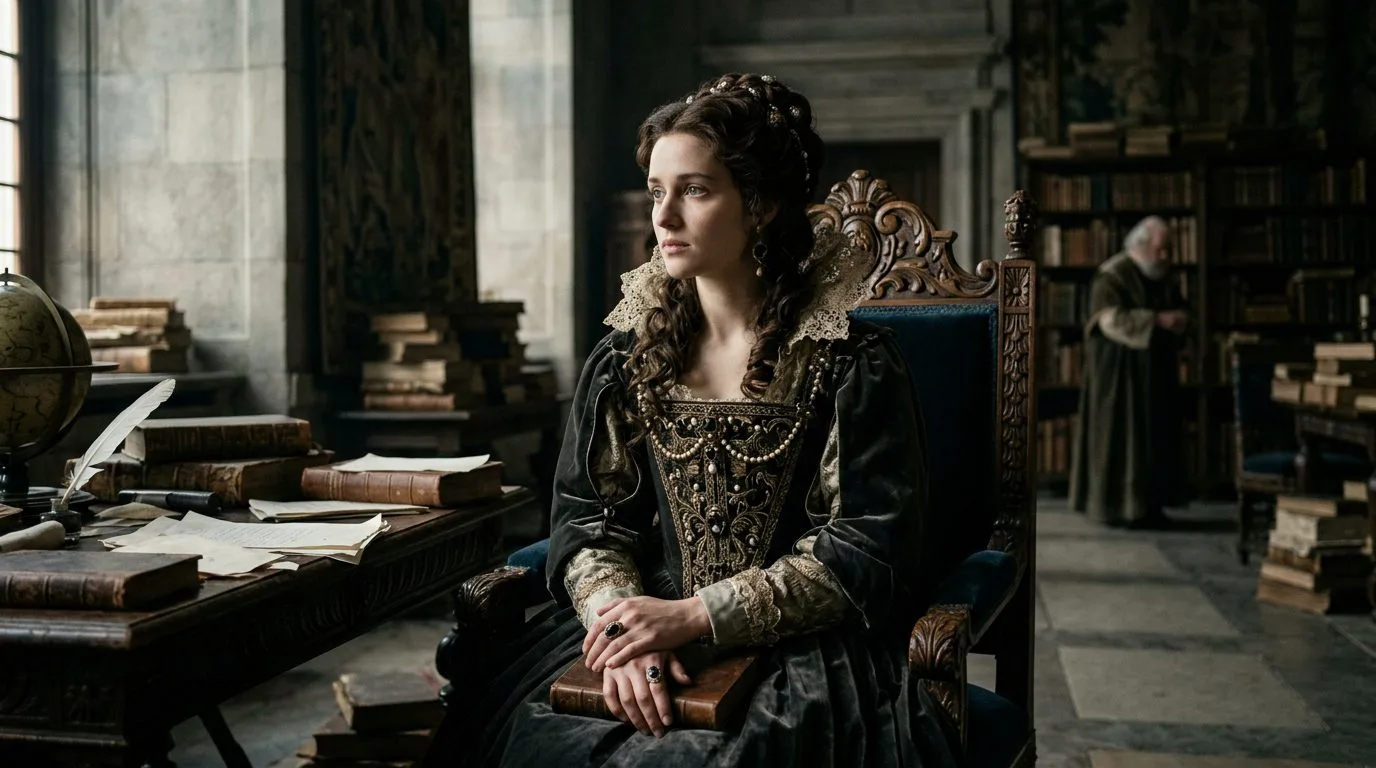
Christina of Sweden gave up power for
In 1654, Queen Christina of Sweden shocked Europe by renouncing her crown at age 27 to pursue intellectual freedom. She had transformed Stockholm into a cultural capital, inviting French philosopher René Descartes to her court in 1649, where their dawn philosophy sessions reportedly contributed to his fatal pneumonia. Christina amassed a library of over 6,000 volumes and collected 276 paintings, many now in Swedish museums. After abdication, she moved to Rome, established an academy of sciences, and became the first woman buried in St. Peter’s Basilica. Her court physician documented 63 scientific specimens she personally collected during botanical expeditions.
Source: britannica.com
2. Hatshepsut Sent Egypt’s Greatest Scientific Expedition to Punt
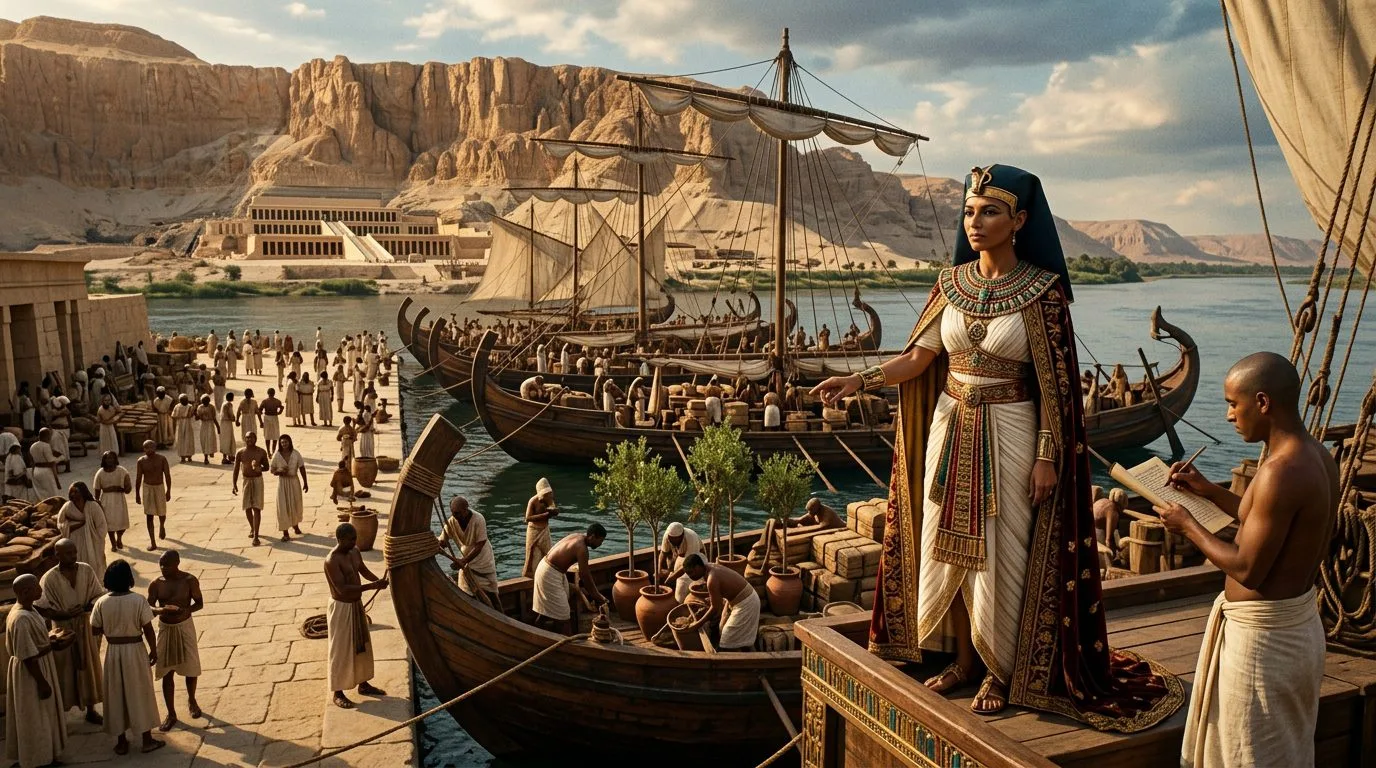
Ancient Egyptian ships journey to the Land of
Pharaoh Hatshepsut launched a groundbreaking expedition to the Land of Punt around 1470 BCE, documented in stunning reliefs at Deir el-Bahari. Five ships returned with 31 myrrh trees—transplanted live in Egypt for the first recorded botanical transfer—plus gold, ebony, and exotic animals including baboons. She ruled for 22 years and commissioned over 200 construction projects, making her one of history’s most prolific builders. Hatshepsut established trade networks that brought scientific knowledge from distant lands, including astronomical observations and medicinal plants. Her mortuary temple remains the most elaborate surviving structure from ancient Egypt’s New Kingdom period.
Source: britannica.com
3. Eleanor of Aquitaine Created Europe’s First Literary Salons
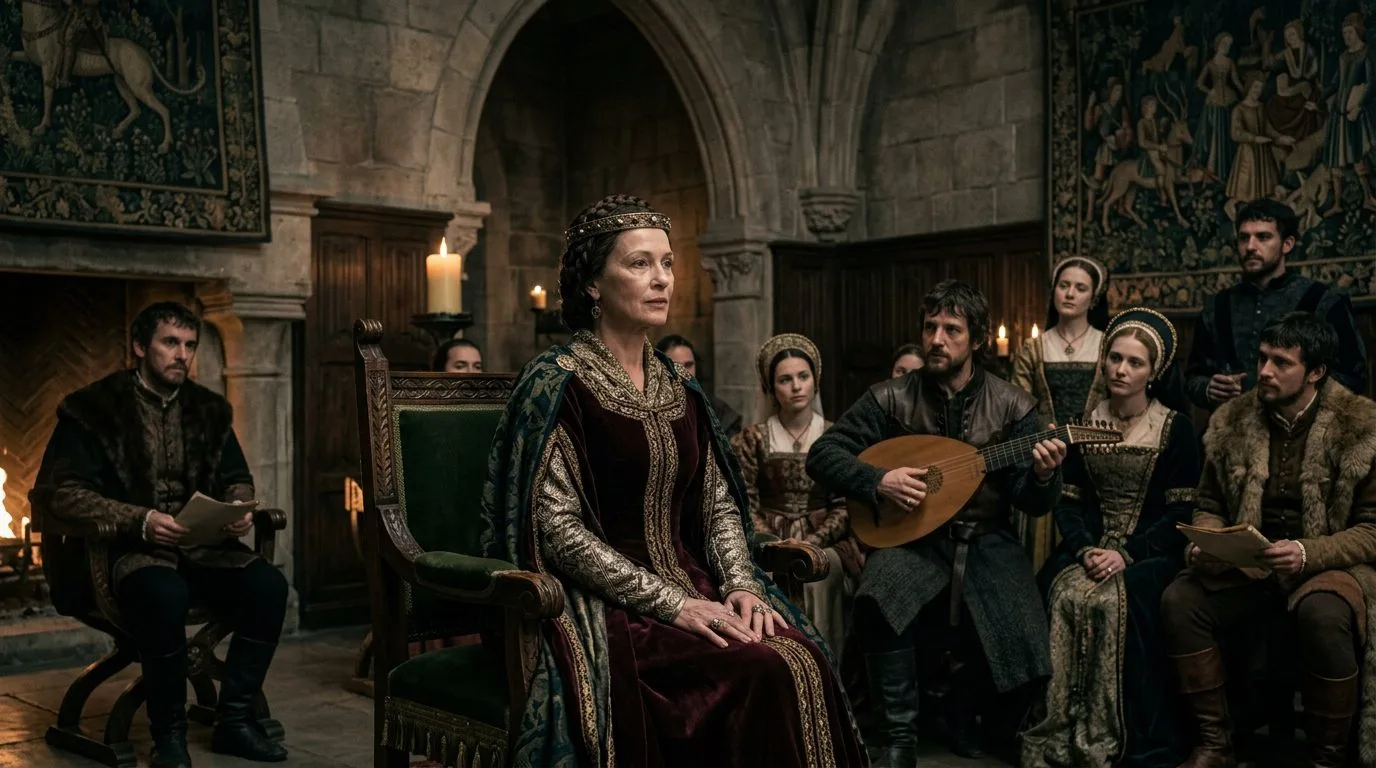
Eleanor of Aquitaine’s court became a vibrant hub
Eleanor of Aquitaine transformed 12th-century European culture by establishing courts of love where troubadours developed courtly literature. She inherited Aquitaine at age 15 in 1137, making her Europe’s wealthiest heiress, and went on to become queen of both France and England. Eleanor patronized over 40 known troubadours who revolutionized poetry by writing in vernacular languages instead of Latin. Her daughter Marie de Champagne commissioned Chrétien de Troyes to write Lancelot, establishing Arthurian romance as a literary genre. Eleanor lived to age 82, funding monasteries that preserved manuscripts and established scriptoriums across her territories.
Source: britannica.com
4. Catherine the Great Corresponded With Voltaire for 15 Years
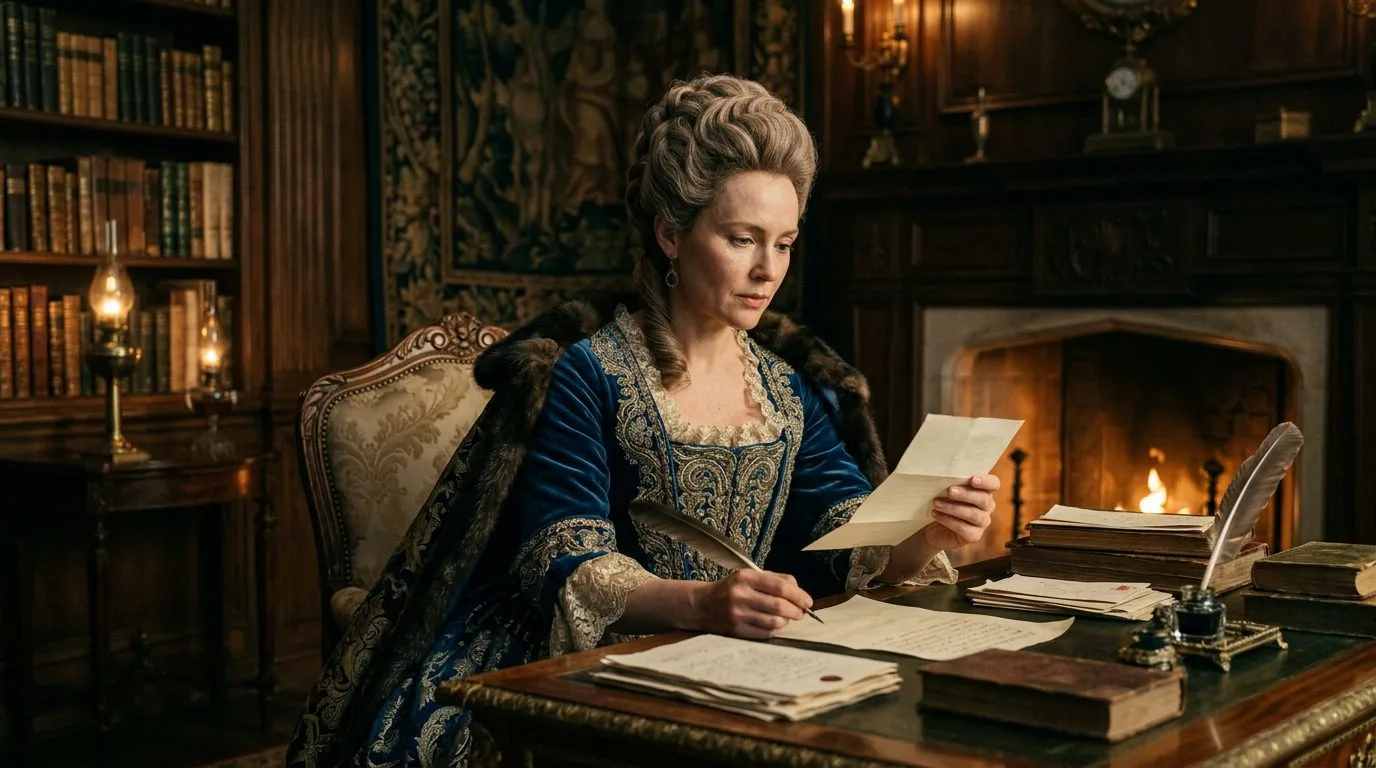
Catherine the Great’s Letters to Voltaire
Catherine the Great exchanged over 200 letters with Voltaire between 1763 and 1778, shaping Enlightenment policies across Russia. She purchased French philosopher Denis Diderot‘s entire library in 1765 for 15,000 livres, then paid him to remain its librarian. Catherine established Russia’s first state-funded schools for girls in 1764 and commissioned 23 major scientific expeditions that mapped Siberia and catalogued 7,000 plant species. She acquired over 4,000 paintings for the Hermitage, founding one of the world’s greatest art museums. Under her 34-year reign, Russia’s population grew from 19 million to 29 million people.
Source: britannica.com
5. Queen Seondeok Built Asia’s Oldest Surviving Observatory
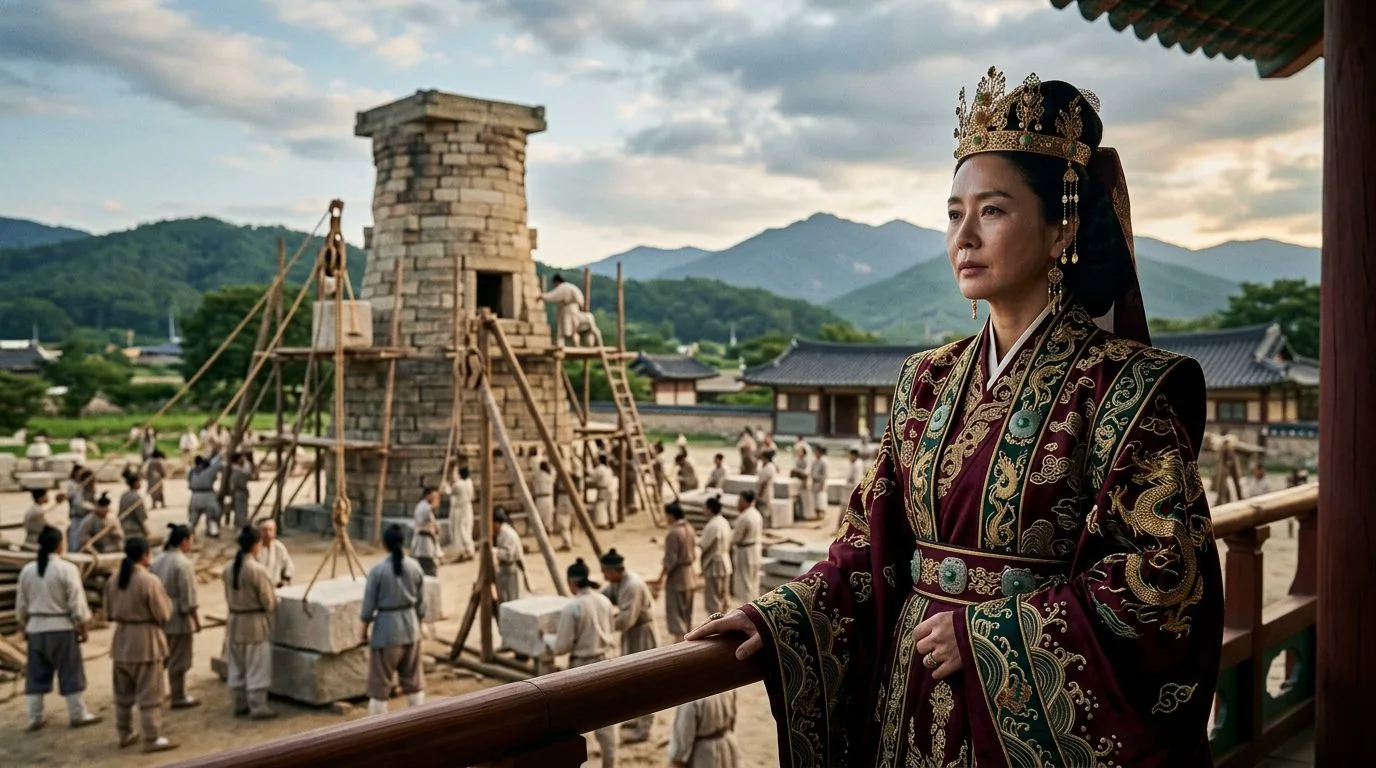
Ancient Korean observatory tower stands today.
Queen Seondeok of Silla constructed Cheomseongdae observatory in 632 CE, a 27-foot stone tower that still stands in Gyeongju, South Korea. She ruled for 15 years as Korea’s first female sovereign, during which she commissioned 17 major construction projects including temples and fortifications. Seondeok accurately predicted a political invasion by interpreting peony flowers sent from Tang China that had no scent—recognizing them as a warning of attack without support. She established Buddhist academies that preserved scientific texts and astronomical records used for agricultural planning. Under her patronage, Silla scholars developed one of East Asia’s most accurate calendar systems.
Source: britannica.com
6. Isabella d’Este Collected Art Like Modern Hedge Fund Managers Collect Stocks
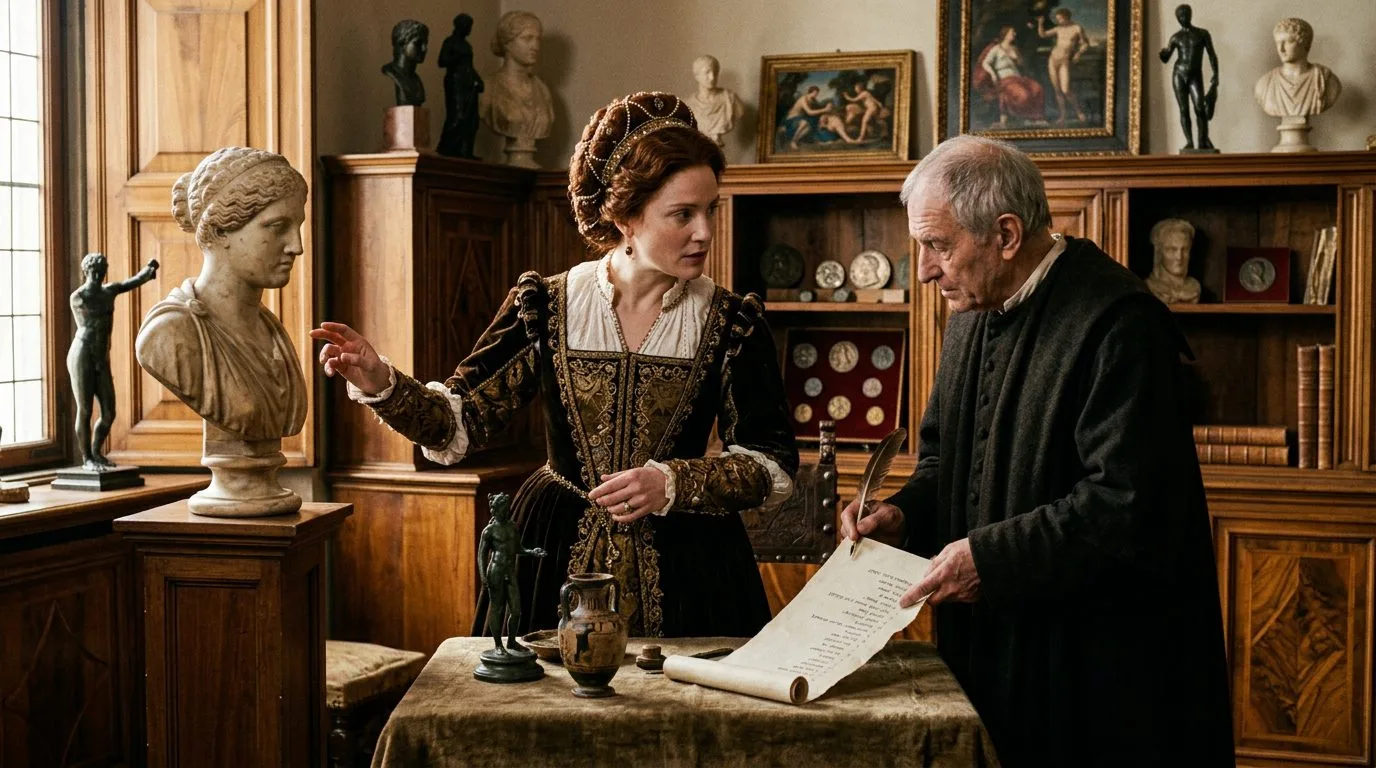
Isabella d’Este’s Renaissance art empire
Isabella d’Este amassed over 1,600 artworks and antiquities in her studiolo at Mantua between 1490 and 1539, creating the Renaissance’s most important private collection. She commissioned paintings from Leonardo da Vinci, Titian, and Mantegna, often negotiating directly and demanding specific subjects. Isabella collected 160 ancient Roman cameos, 13,000 engraved gems, and maintained correspondence with 2,000 artists, scholars, and politicians. She established a network of agents across Italy who secured rare manuscripts and Greek statues before rival collectors learned of their availability. Her grotta museum became a pilgrimage site for artists studying classical forms.
Source: britannica.com
7. Maria Theresa Revolutionized Education Across the Habsburg Empire
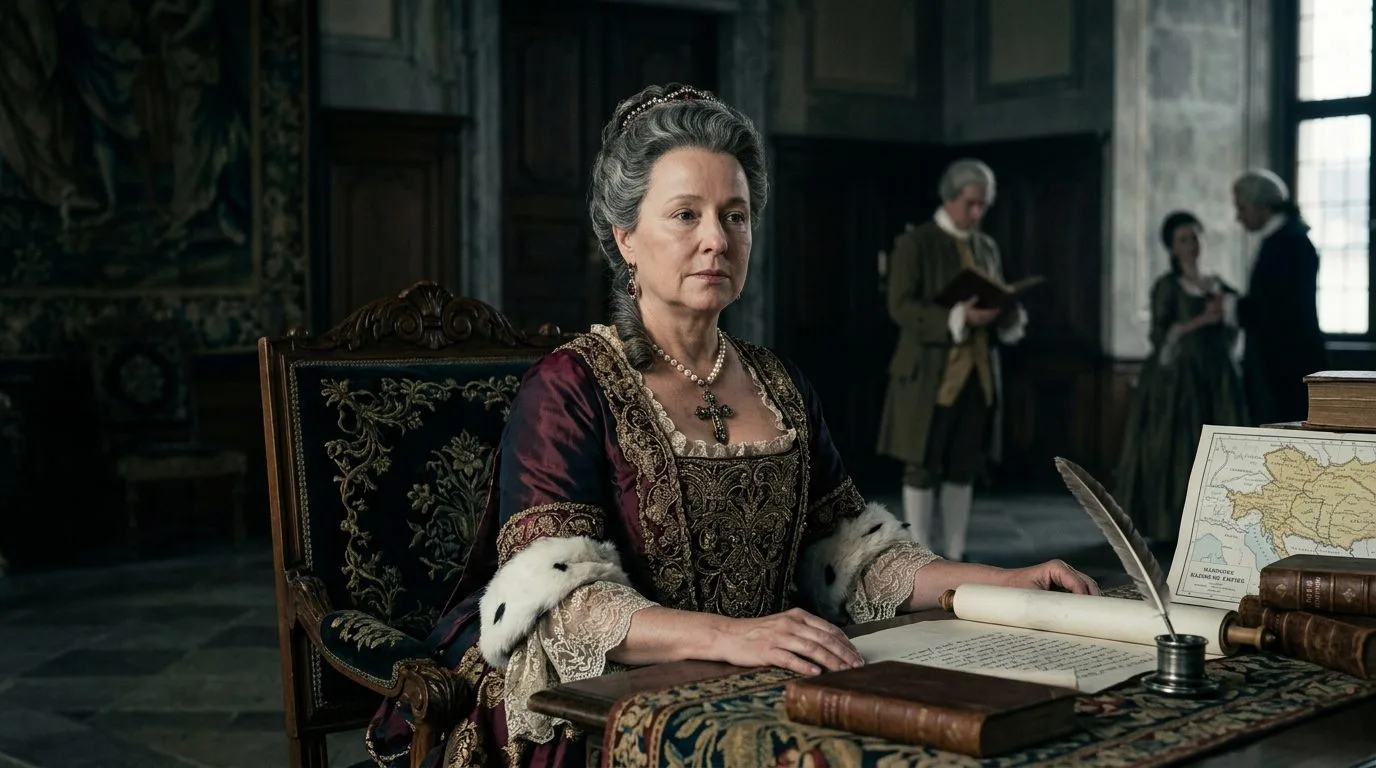
Maria Theresa’s reforms transformed education
Empress Maria Theresa implemented mandatory primary education in 1774, creating a system of 6,000 schools across her territories. She reformed the University of Vienna in 1752, introducing modern curricula in medicine, chemistry, and physics that replaced medieval scholasticism. Maria Theresa ruled for 40 years and bore 16 children while modernizing the Habsburg bureaucracy. She established the Imperial-Royal Academy of Oriental Languages in 1754, training diplomats who expanded scientific knowledge exchange with Ottoman scholars. Her education reforms reduced illiteracy in Austria from 90 percent to 30 percent within one generation.
Source: britannica.com
8. Queen Tamar Created Georgia’s Golden Age of Poetry and Architecture
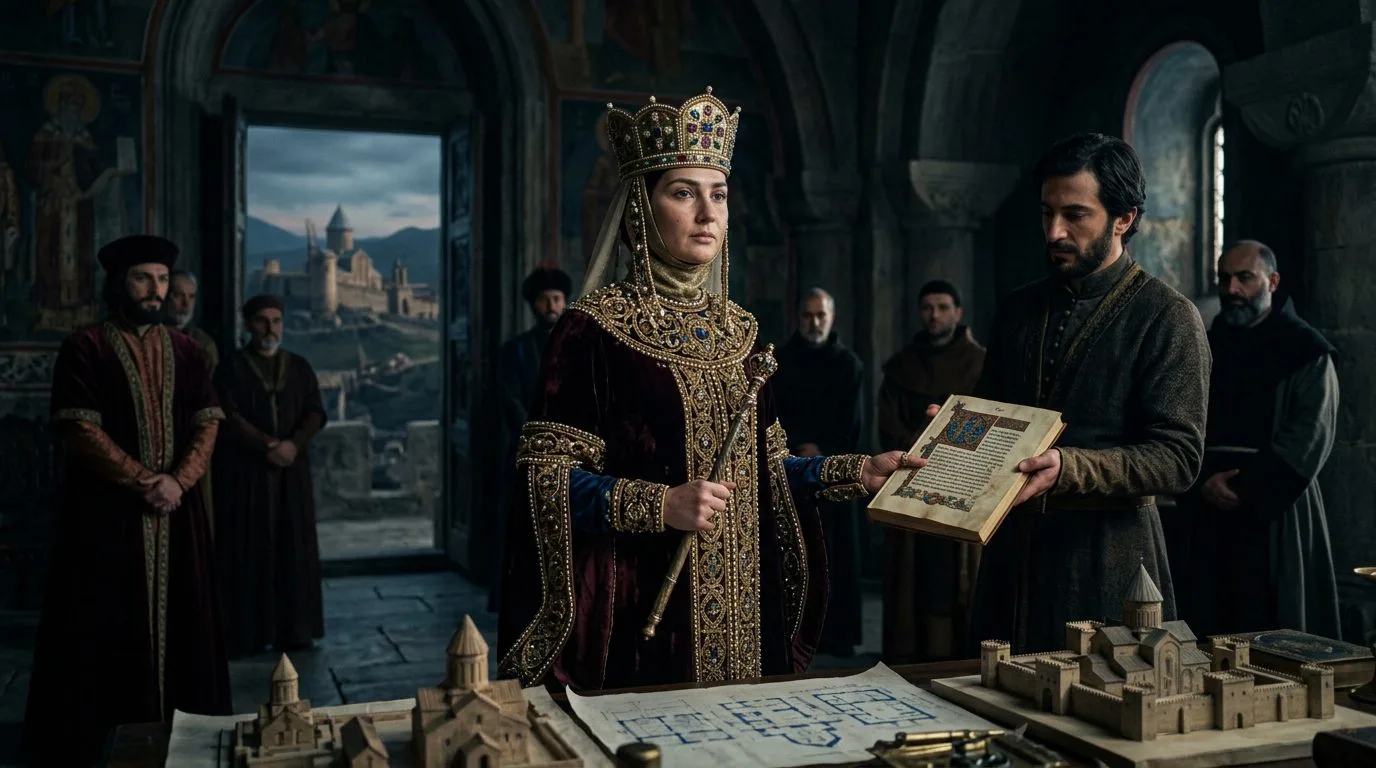
Queen Tamar’s reign transformed medieval Georgia
Queen Tamar ruled Georgia from 1184 to 1213, presiding over a cultural renaissance that produced epic poem The Knight in the Panther’s Skin by Shota Rustaveli. She commissioned 40 monasteries and fortresses that combined Georgian, Byzantine, and Persian architectural innovations. Tamar established scriptoriums that preserved Greek philosophical texts lost to Western Europe during the Crusades. Her court included 12 permanent poets and scholars who developed Georgian as a literary language rivaling Persian in sophistication. Under her 29-year reign, Georgia controlled the Caucasus trade routes, bringing scientific knowledge from both Islamic and Christian civilizations.
Source: britannica.com
9. Wu Zetian Sponsored Buddhist Art Worth Modern Billions
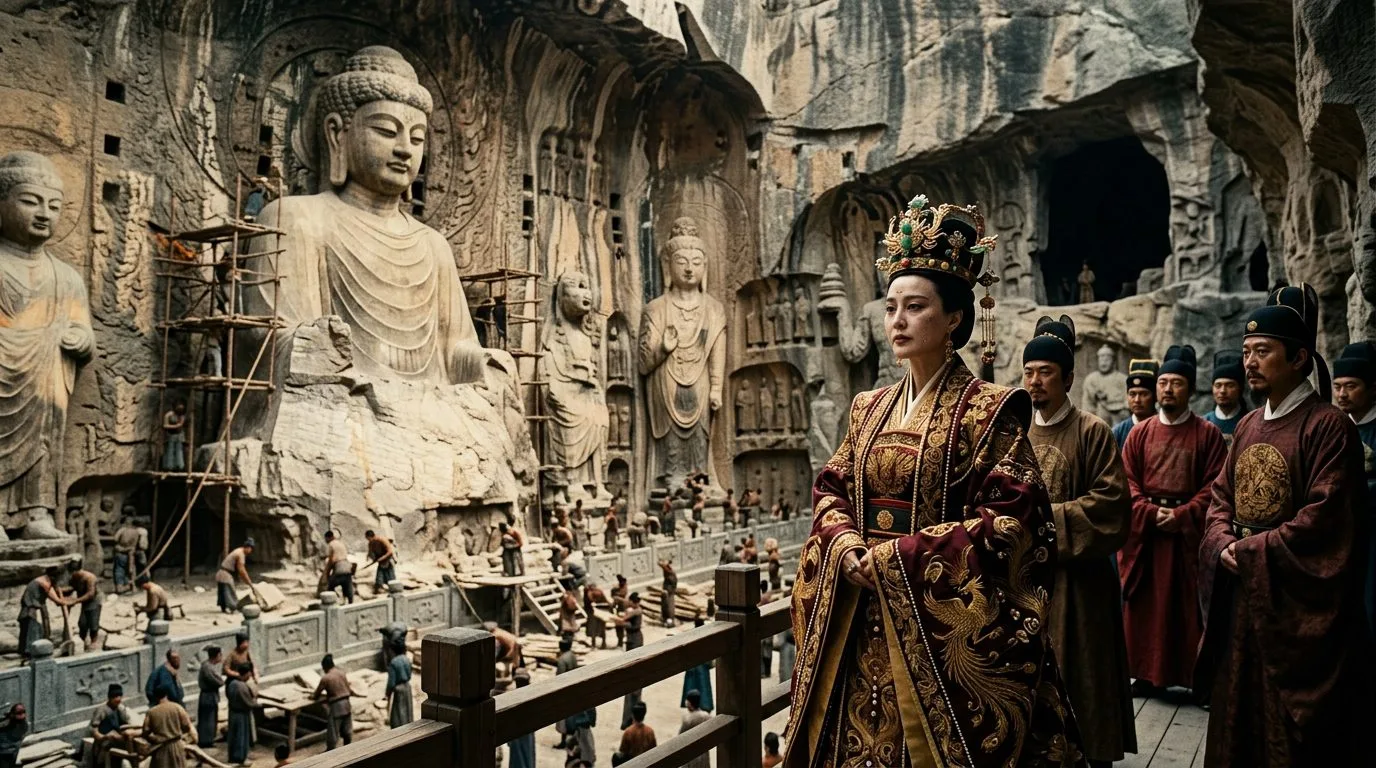
Imperial patronage transformed Buddhist art into
Empress Wu Zetian commissioned the Longmen Grottoes‘ Vairocana Buddha in 675 CE, a 55-foot statue carved from limestone requiring 120,000 laborers. She ruled China for 45 years—15 as emperor in her own right—and sponsored translation of 1,338 Buddhist texts from Sanskrit to Chinese. Wu Zetian established the Dayun Temple network across China, creating centers where scholars studied astronomy, mathematics, and medicine alongside religious texts. She commissioned 3,900 Buddhist cave temples and recruited female scholars to imperial examinations for the first time in 655 CE. Her patronage made Buddhism China’s dominant religion and preserved Indian scientific knowledge.
Source: britannica.com
10. Margaret of Austria Assembled the Habsburgs’ Power Through Portraits
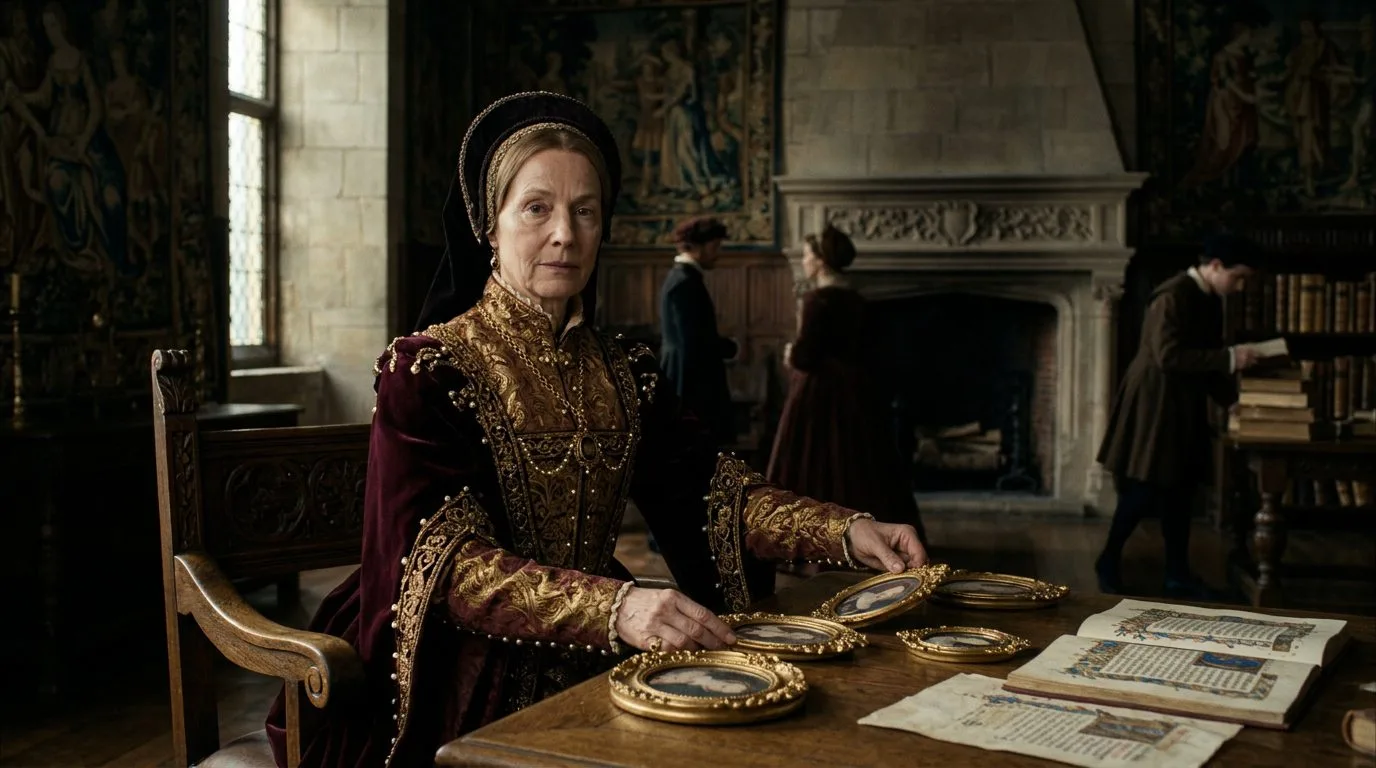
Margaret of Austria’s Strategic Portraits
Margaret of Austria governed the Netherlands from 1507 to 1530, commissioning over 200 portrait miniatures that she used as diplomatic tools. She collected 3,000 books and 400 paintings at her court in Mechelen, making it Europe’s cultural rival to Florence. Margaret commissioned Bernard van Orley and Jan Gossaert, establishing Flemish painting’s dominance in Northern Renaissance art. She negotiated 17 marriage alliances using portrait exchanges, including paintings that secured Habsburg control over Spain and Bohemia. Her library contained scientific manuscripts on astronomy and medicine that she personally annotated in Latin and French.
Source: britannica.com
Did You Know?
Did You Know? Queen Christina of Sweden was such a compulsive book buyer that she once outbid the Pope for a rare manuscript collection, spending more than Sweden’s annual military budget. Wu Zetian commissioned so many Buddhist statues that modern archaeologists estimate she spent the equivalent of 12 billion dollars in today’s money on religious art alone. These queens didn’t just collect pretty things—they weaponized culture, turning libraries and observatories into tools of statecraft that outlasted any army their male counterparts commanded.