
In 1347 BCE, a woman seized Egypt’s throne and launched the greatest building program in ancient history—without waging a single war. She wasn’t alone. Ten extraordinary queens shaped civilizations through wisdom, not warfare, proving leadership transcends the battlefield.
1. Hatshepsut of Egypt – The Pharaoh Who Built Prosperity Through Trade
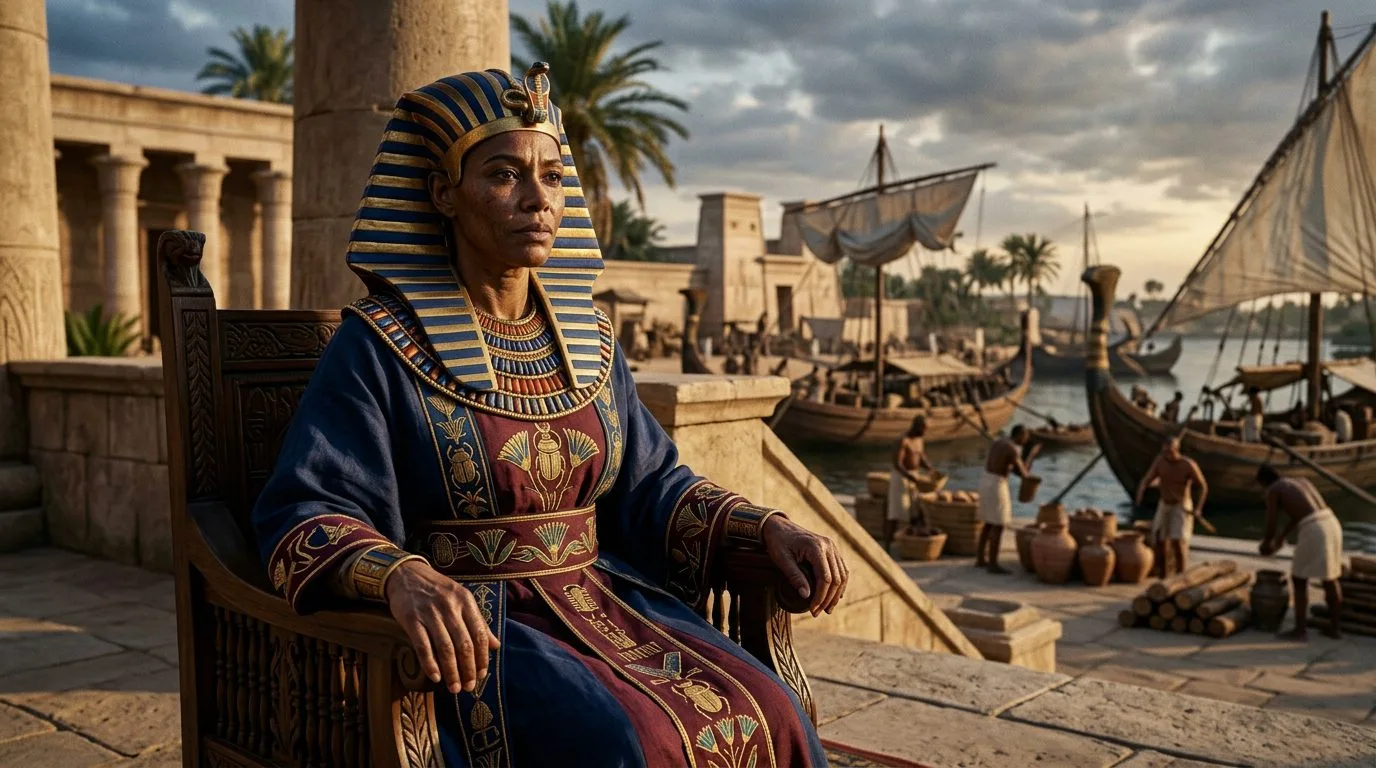
Hatshepsut of Egypt
Hatshepsut declared herself pharaoh in 1478 BCE and promptly redirected Egypt’s military budget into the most ambitious trade expedition ever recorded. She dispatched five ships to the Land of Punt, returning with 31 live myrrh trees, gold, ebony, and exotic animals—treasures she displayed in her magnificent temple at Deir el-Bahari. During her 22-year reign, Egypt experienced unprecedented economic growth without conquering a single territory. She commissioned over 200 building projects, employed thousands of workers, and established trade routes that enriched Egypt for centuries. Her mortuary temple stands today as testimony to an empire built on commerce, not conquest.
Source: britannica.com
2. Elizabeth I of England – Political Genius in a Divided Kingdom
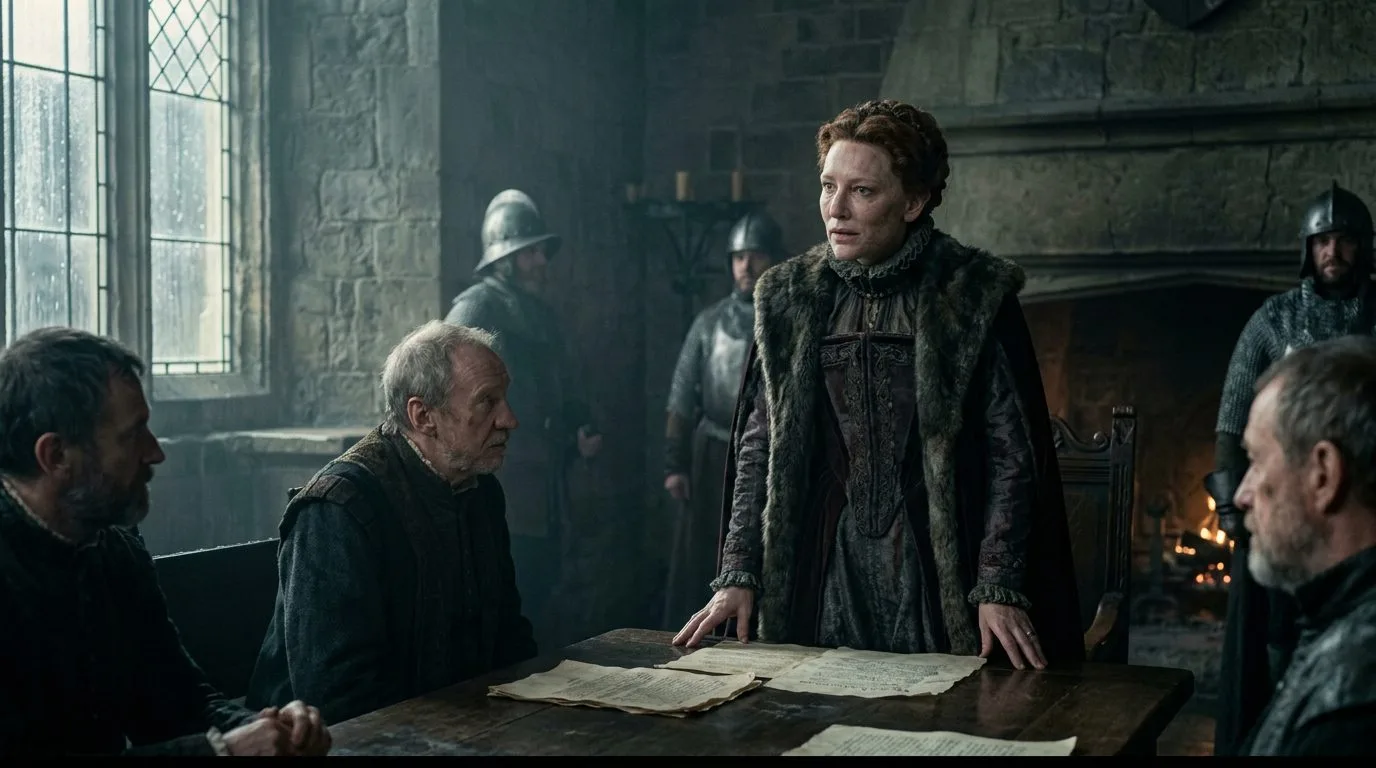
Elizabeth I of England
When Elizabeth I inherited England’s throne in 1558, the kingdom teetered on the brink of civil war between Catholics and Protestants. Rather than imposing religious uniformity through violence, she crafted the Elizabethan Religious Settlement—a middle path that satisfied neither extreme but prevented bloodshed. She survived 13 assassination plots without executing a single conspirator until absolute necessity forced her hand with Mary, Queen of Scots in 1587. Her 45-year reign transformed England from a bankrupt backwater into a cultural and economic powerhouse. The Spanish Armada of 1588 tested her resolve, yet she defeated Europe’s greatest navy through strategic diplomacy and brilliant naval tactics rather than prolonged warfare.
Source: britannica.com
3. Catherine de Medici – The Queen Who Chose Art Over Armies
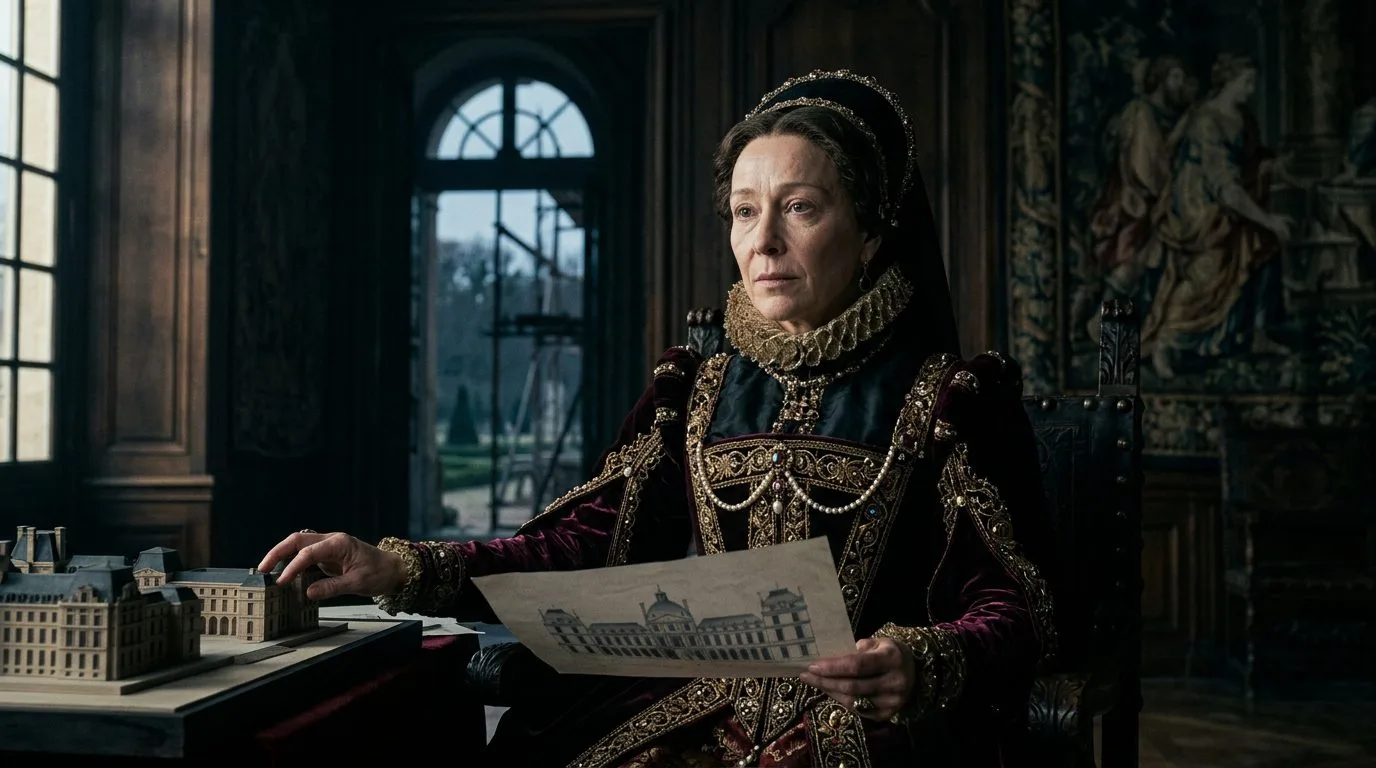
Catherine de Medici
Catherine de Medici wielded power in France for 30 years during the brutal Wars of Religion, yet she spent more gold on artists than artillery. Between 1560 and 1589, she commissioned the Tuileries Palace, expanded the Louvre, and employed 200 artisans and scholars at court. When Protestant and Catholic factions threatened to destroy France, she orchestrated the Edict of Saint-Germain in 1562, granting limited religious freedom decades before most European rulers considered tolerance. She personally negotiated 14 separate peace treaties, hosted elaborate festivals that brought warring nobles together, and established France as Europe’s cultural capital. Her library contained over 4,000 volumes, making it the largest private collection in 16th-century Europe.
Source: britannica.com
4. Maria Theresa of Austria – Reformer Who Modernized an Empire
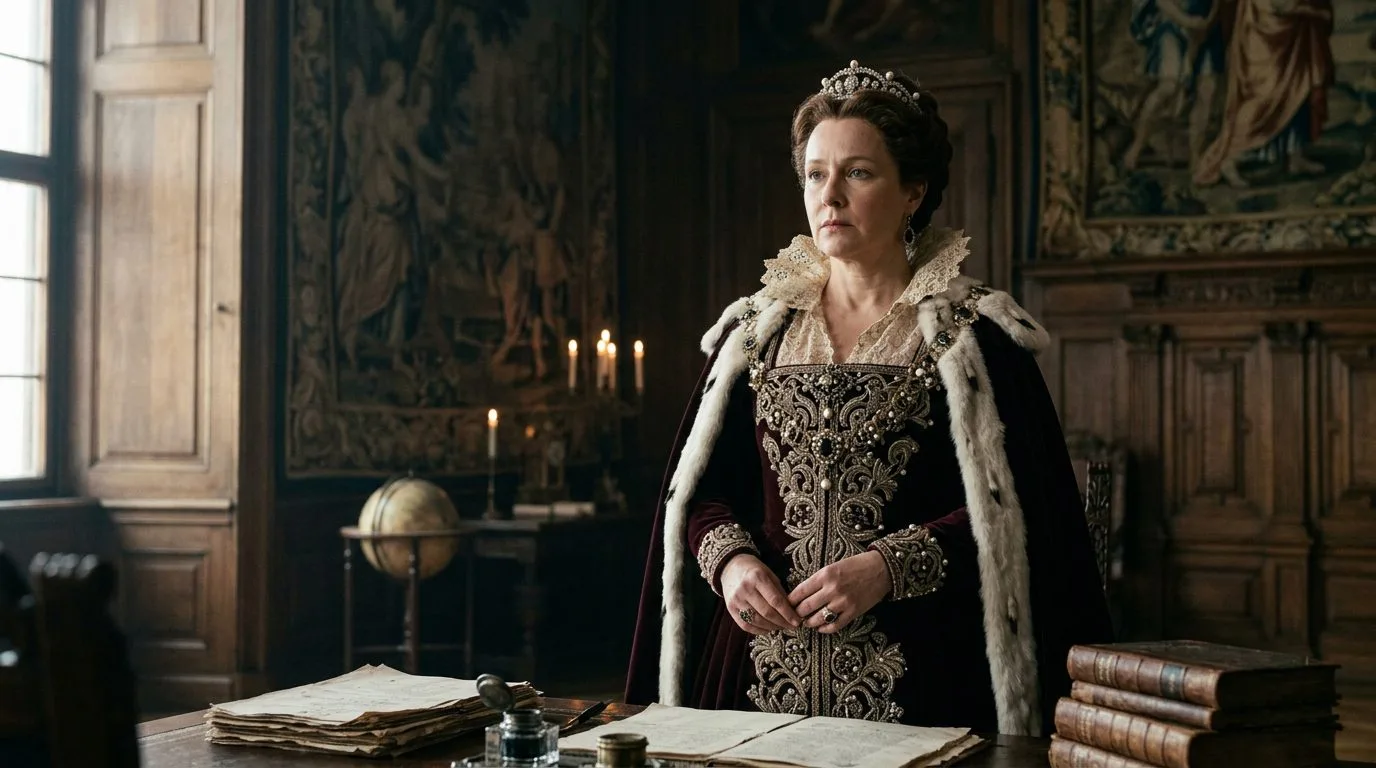
Maria Theresa of Austria
Maria Theresa inherited the crumbling Habsburg Empire in 1740 with enemies circling and empty coffers, yet she transformed Austria into a modern state through education, not expansion. She established mandatory primary schooling in 1774—one of Europe’s first universal education systems—creating 6,000 new schools within a decade. Her legal reforms abolished torture in 1776, predating most European nations by decades. She standardized tax collection, forcing nobles to pay their share for the first time in Austrian history, which tripled state revenue without raising rates. During her 40-year reign, she bore 16 children while personally reviewing every major policy decision, proving administrative brilliance trumped military conquest in building lasting empires.
Source: britannica.com
5. Queen Seondeok of Silla – Korea’s Celestial Scholar-Monarch
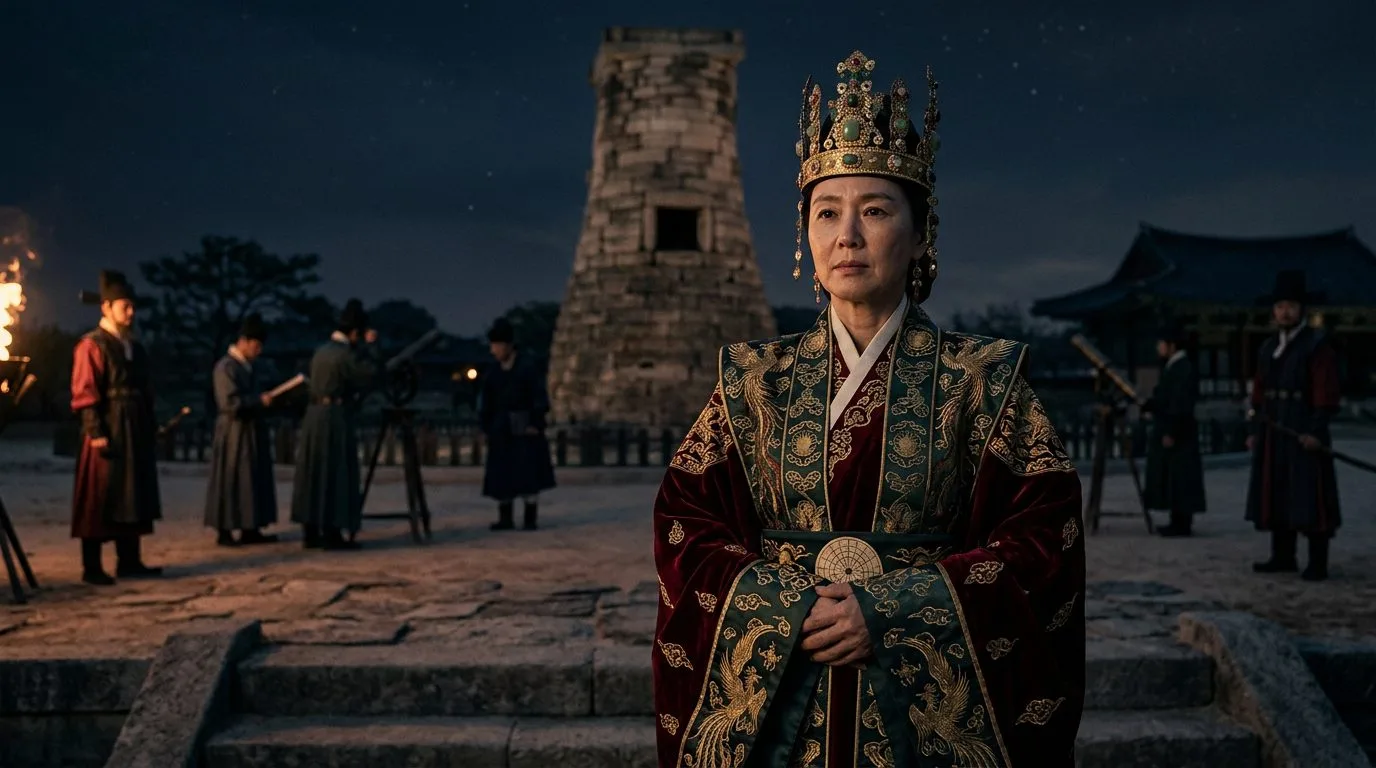
Queen Seondeok of Silla
Queen Seondeok ascended Silla’s throne in 632 CE and immediately commissioned Cheomseongdae, the oldest surviving astronomical observatory in East Asia, which still stands in Gyeongju. She predicted a political rebellion by observing unusual frog behavior near a temple pond—an event recorded in the Samguk Yusa chronicles—demonstrating her legendary wisdom. Under her 16-year rule, Silla became Buddhism’s intellectual center in Asia, attracting scholars from China, Japan, and India. She funded the construction of nine Buddhist temples, established Korea’s first network of Buddhist universities, and sponsored the translation of 50 Sanskrit texts into Chinese. Her reign brought unprecedented literacy rates, with temple schools educating over 10,000 students annually across the kingdom.
Source: britannica.com
6. Isabella I of Castile – Patron of Discovery and Justice
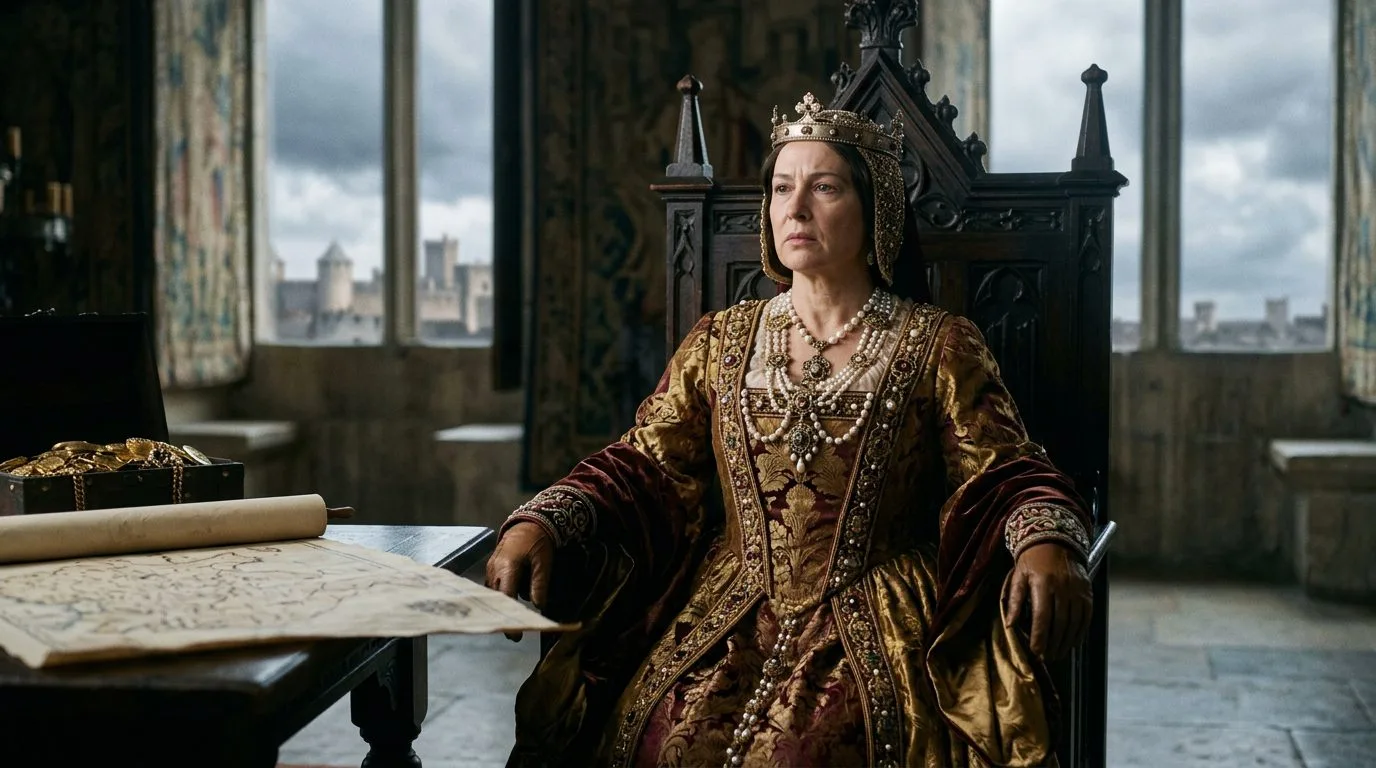
Isabella I of Castile
Isabella I pawned her crown jewels in 1492 to finance Christopher Columbus‘s expedition, gambling Castile’s treasury on exploration rather than European warfare. Her legal reforms created the Santa Hermandad, a rural police force that reduced banditry by 80 percent within five years and established consistent justice across previously lawless territories. She personally reviewed over 3,000 legal cases during her 30-year reign, earning the title “Isabel the Catholic” for her devotion to governance. Her marriage contract with Ferdinand of Aragon in 1469 stipulated equal authority—revolutionary for medieval Europe—and she insisted on signing all documents jointly. She established the University of Alcalá in 1499, which became Europe’s model for educational reform, training administrators in law rather than warfare.
Source: britannica.com
7. Empress Theodora of Byzantium – From Actress to Revolutionary
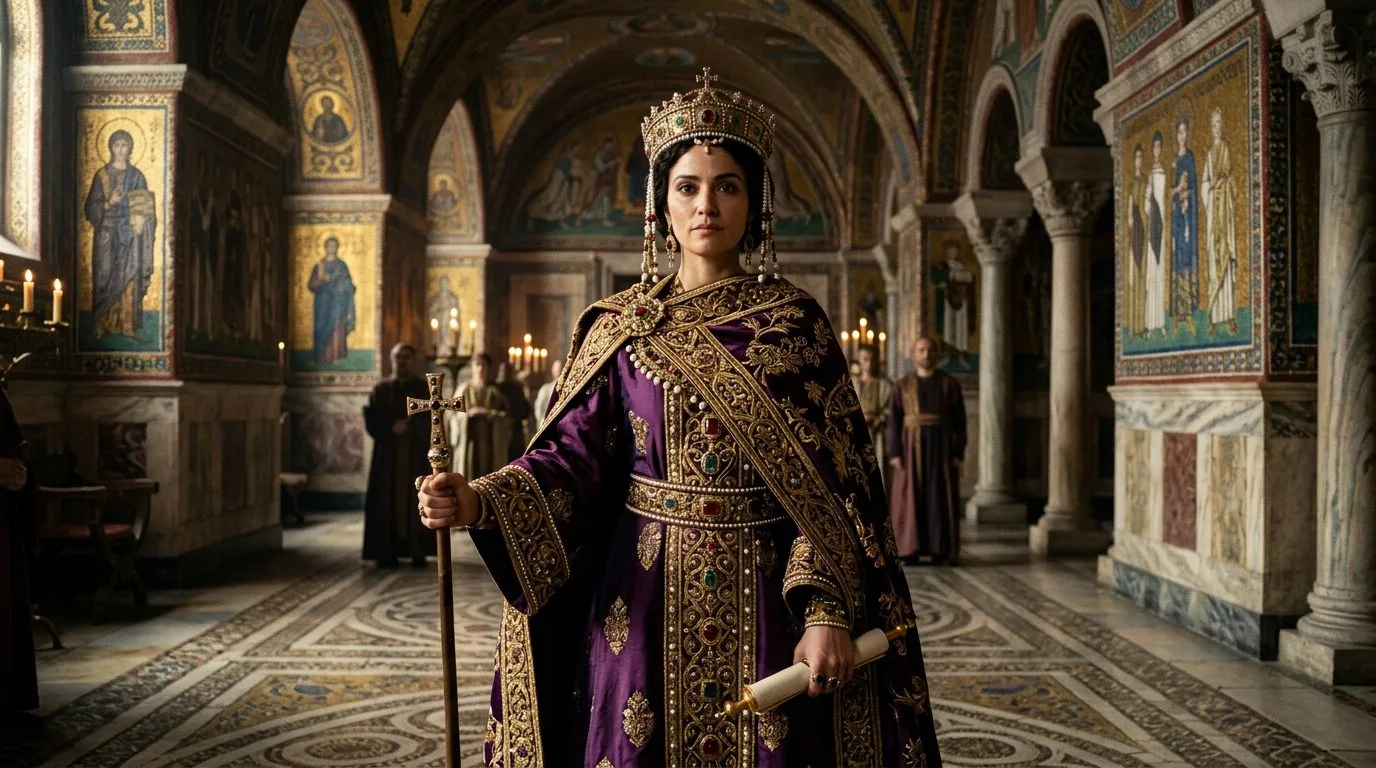
Empress Theodora of Byzantium
Theodora rose from Constantinople’s theater district to become co-ruler of the Byzantine Empire in 527 CE, then revolutionized women’s legal status across the Mediterranean. She enacted laws allowing women to own property, inherit wealth equally, and divorce abusive husbands—rights that wouldn’t reappear in Europe for 1,300 years. During the Nika Riots of 532 CE, when rioters nearly overthrew the empire, Theodora delivered the speech that saved Justinian‘s throne, declaring she’d rather die an empress than flee as a refugee. She established Constantinople’s first safe house for former prostitutes, housing over 500 women and providing vocational training. Her legal code reformed 90 separate laws regarding women, children, and the poor, creating social welfare programs that lasted centuries.
Source: britannica.com
8. Queen Tamar of Georgia – Architect of a Cultural Golden Age
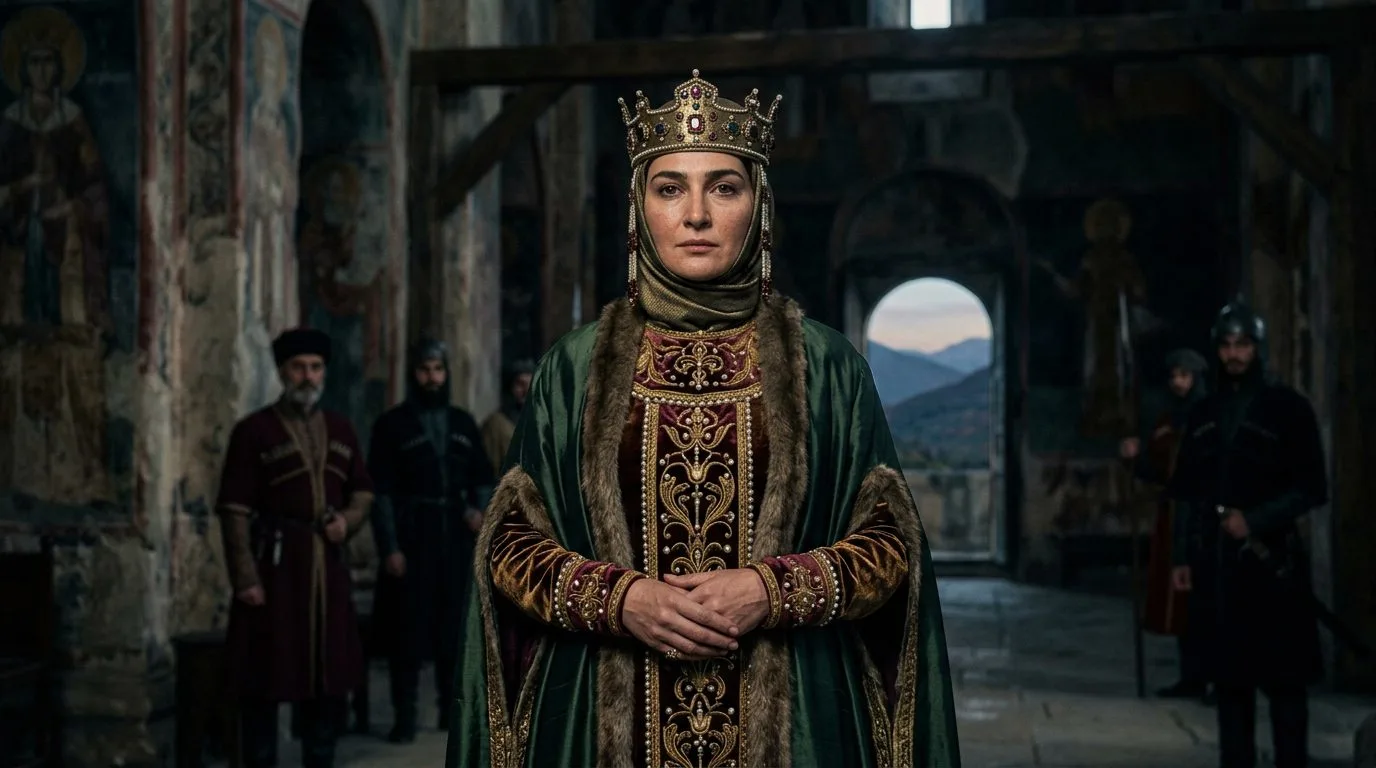
Queen Tamar of Georgia
Queen Tamar ruled Georgia from 1184 to 1213 CE, presiding over an era so prosperous that Georgians still call it their Golden Age. She commissioned over 200 churches and monasteries, including the cave city of Vardzia—a 13-story complex carved into a cliff face housing 2,000 monks. Her court became the Caucasus region’s cultural center, attracting Persian poets, Armenian architects, and Greek philosophers. She established the first state-funded hospitals in the Caucasus, creating a network of 30 medical facilities serving all citizens regardless of religion. Her legal reforms protected Muslim and Jewish minorities, guaranteeing them equal trading rights and legal representation—unprecedented religious tolerance for medieval Europe or Asia. She doubled Georgia’s territory through strategic marriages and diplomatic alliances, winning every conflict through negotiation rather than prolonged siege warfare.
Source: britannica.com
9. Nzinga of Ndongo and Matamba – Master Diplomat Against Colonial Powers
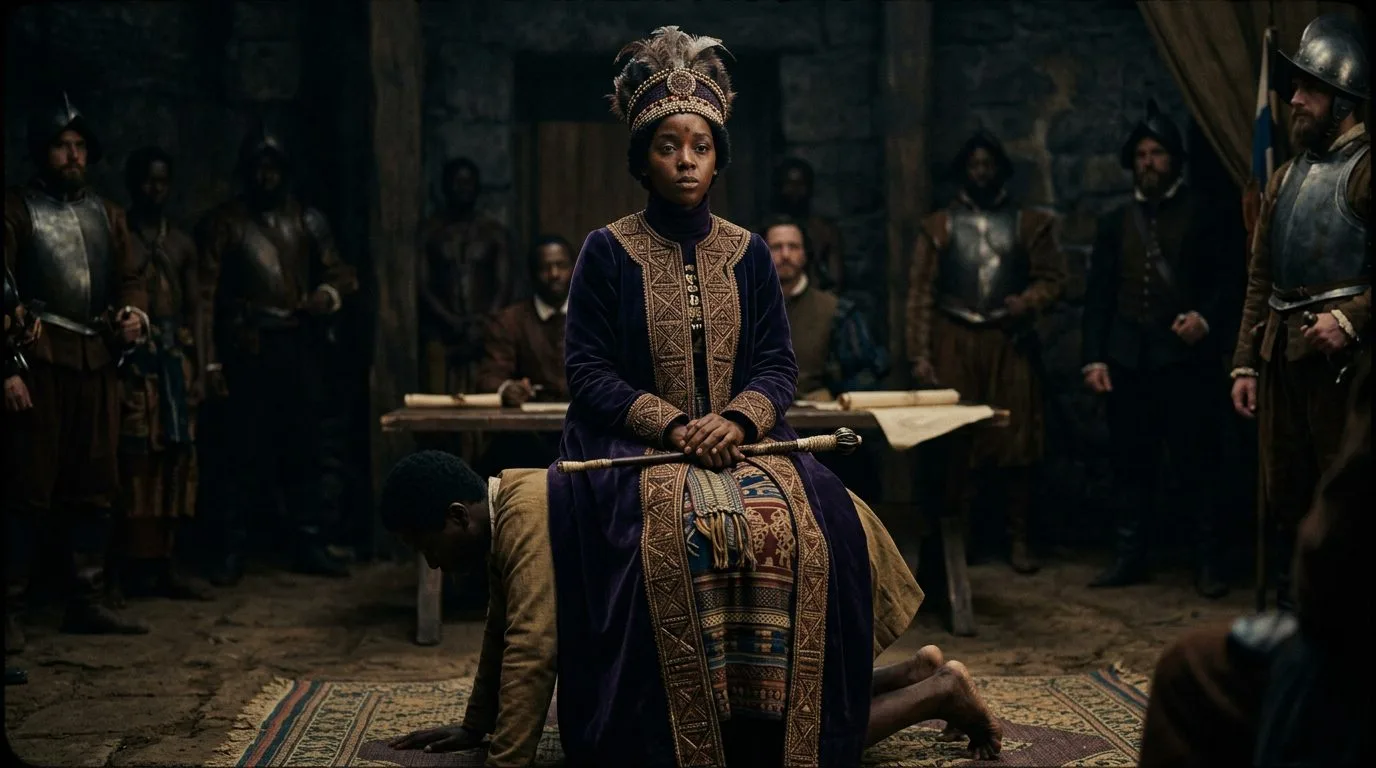
Nzinga of Ndongo and Matamba
Queen Nzinga confronted Portuguese colonizers in 1622 by sitting on her servant’s back during negotiations—when denied a chair, she improvised a throne, demonstrating the wit that would protect her kingdoms for 40 years. She mastered Portuguese, Dutch, and Latin, corresponding directly with European monarchs and playing colonial powers against each other through strategic alliances. Rather than wage hopeless wars against superior firepower, she established Matamba as a sanctuary kingdom, absorbing 50,000 refugees fleeing Portuguese slave raids. She personally trained 15,000 warriors but deployed them only for defense, preferring treaties that preserved her people’s freedom. Her 1656 treaty with Portugal recognized Matamba’s sovereignty, making her one of few African rulers to negotiate equal terms with European colonizers during the Atlantic slave trade’s height.
Source: britannica.com
10. Wu Zetian of China – The Only Female Emperor’s Merit Revolution
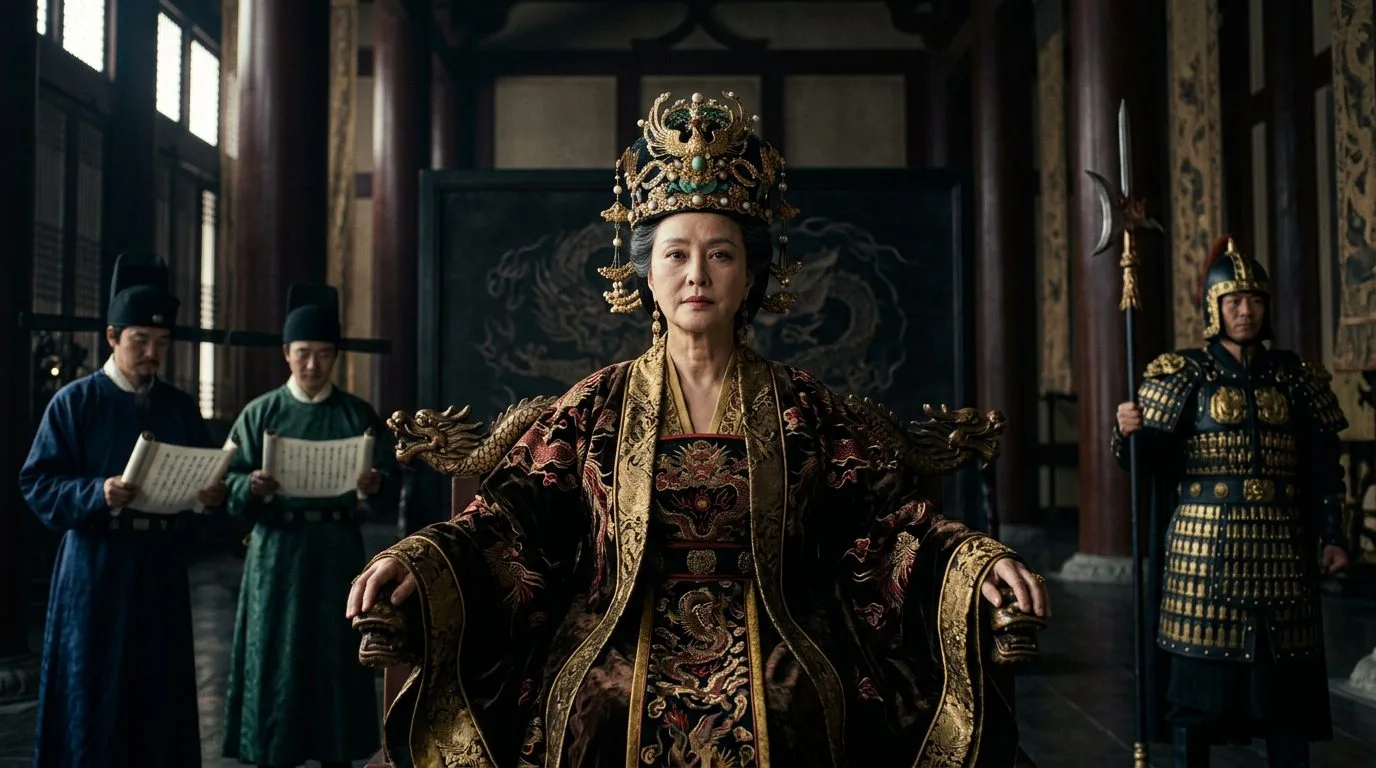
Wu Zetian of China
Wu Zetian declared herself emperor of China in 690 CE—the only woman in 4,000 years to claim the dragon throne—then revolutionized governance by appointing officials based on examination scores rather than noble birth. She expanded the imperial examination system, opening government positions to commoners and increasing candidates from 300 to over 6,000 annually. Her agricultural reforms reduced taxes on farmers by 30 percent while increasing crop yields through new irrigation systems, lifting millions from poverty. She established the first old-age pensions for retired officials and created state-funded homes for the elderly, policies that persisted for centuries. During her 15-year reign as emperor, China’s borders expanded peacefully through diplomatic marriages and trade agreements, avoiding the costly military campaigns that bankrupted previous dynasties.
Source: britannica.com
Did You Know?
Wu Zetian’s merit-based governance system—created by a woman in 690 CE—wouldn’t appear in Western governments for another thousand years. These ten queens ruled a combined 250 years, built hundreds of universities and temples, established legal protections still used today, and expanded their realms primarily through treaties rather than conquest. Their secret? They understood that power gained through wisdom lasts longer than empires won by the sword.