
Long before modern feminist movements, remarkable women wielded the power of words to shape empires, challenge traditions, and immortalize human emotion. These ten ancient poets defied societal constraints to create literature that still moves readers millennia later.
1. Enheduanna: The World’s First Named Author
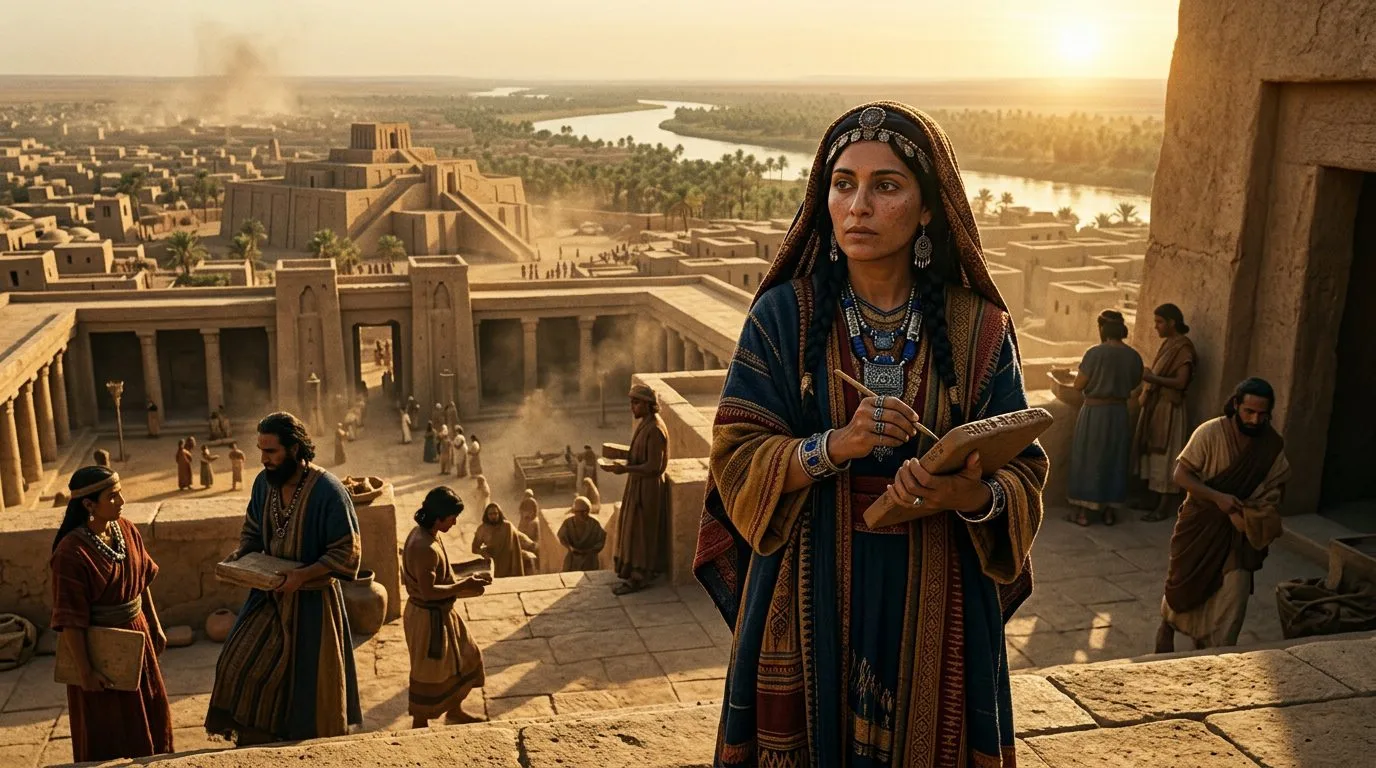
Enheduanna: The World’s First Named Author
History’s first author with a known name was not a man but a Sumerian high priestess who served between 2285 and 2250 BCE. Enheduanna, daughter of King Sargon of Akkad, composed 42 temple hymns and personal devotional poetry in cuneiform script. Her works survived on clay tablets for over 4,000 years, including the powerful ‘Exaltation of Inanna,’ where she documents her own political exile and restoration. As both priestess and poet, she wielded unprecedented religious and literary authority, establishing conventions for devotional poetry that influenced Mesopotamian literature for centuries.
Source: britannica.com
2. Sappho: The Tenth Muse of Ancient Greece
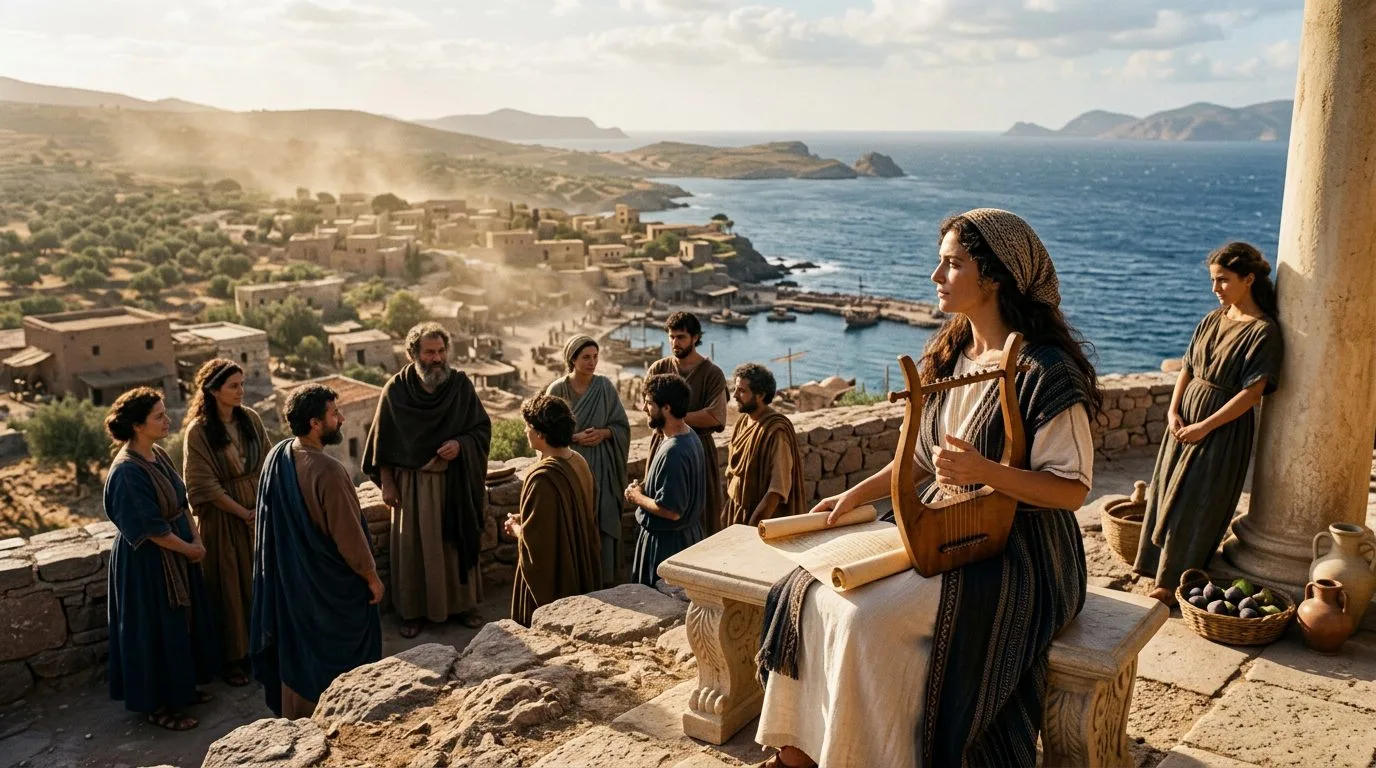
Sappho: The Tenth Muse of Ancient Greece
Born around 630 BCE on the island of Lesbos, Sappho created lyric poetry so beautiful that Plato called her the tenth Muse. Only one complete poem and approximately 200 fragments of her nine-volume collection survive, yet her influence shaped Western love poetry for 2,600 years. She ran a school for young women where she taught music and poetry, shocking conservative Greeks with verses celebrating female beauty and desire. The fragment ‘He seems to me equal to gods’ inspired countless Roman and Renaissance imitations, while her innovative meter became known as ‘Sapphic stanza’ in her honor.
Source: britannica.com
3. Telesilla: The Poet Who Saved Argos
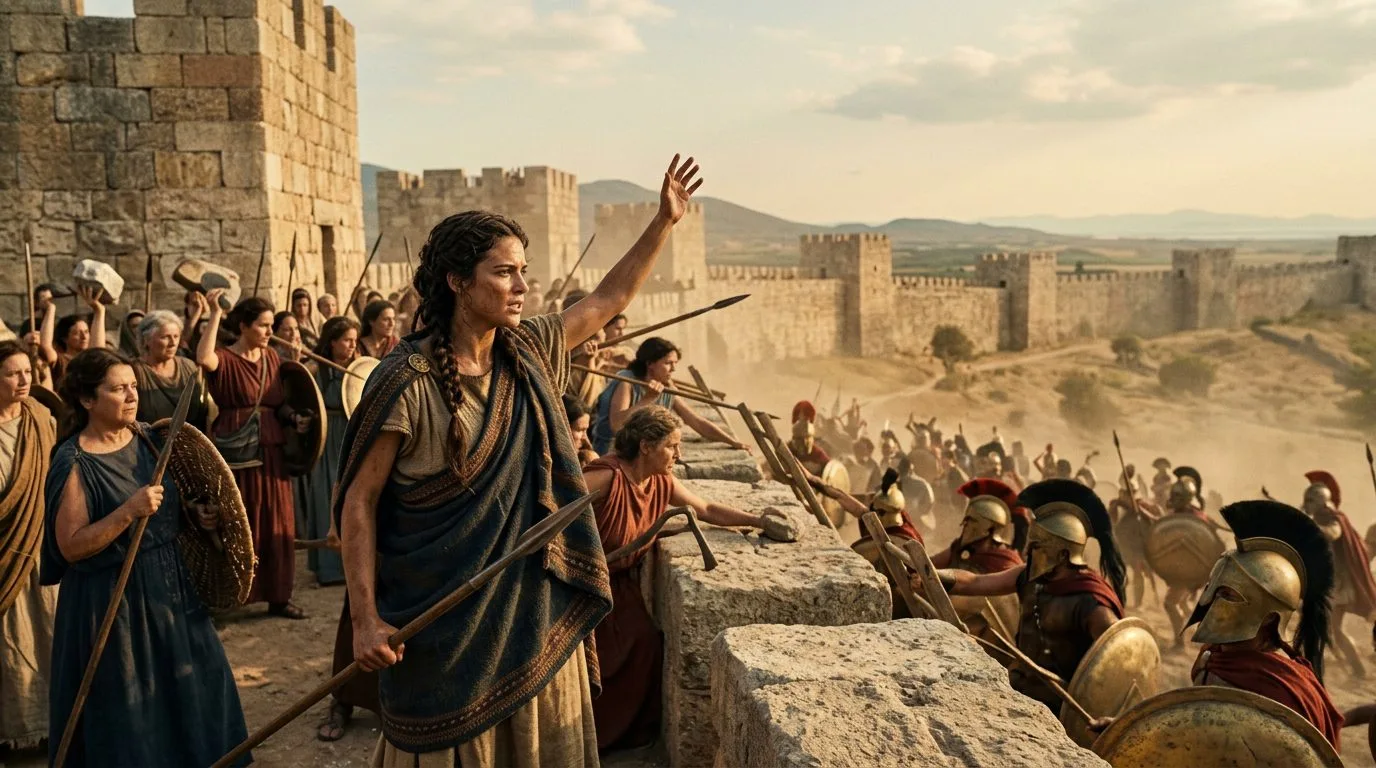
Telesilla: The Poet Who Saved Argos
When Spartan forces attacked Argos around 494 BCE, finding the city’s male defenders decimated, poet Telesilla rallied the women to defend the walls themselves. This extraordinary warrior-poet composed hymns to Apollo and Artemis that were still sung in temples five centuries after her death. Ancient sources credit her with inventing a new lyric meter, though only three fragments of her poetry survive today. The Argives erected a statue showing her surrounded by books, with a helmet at her feet, commemorating how she transformed from delicate poet to military strategist in her city’s darkest hour.
Source: britannica.com
4. Sulpicia: Rome’s Only Complete Female Voice
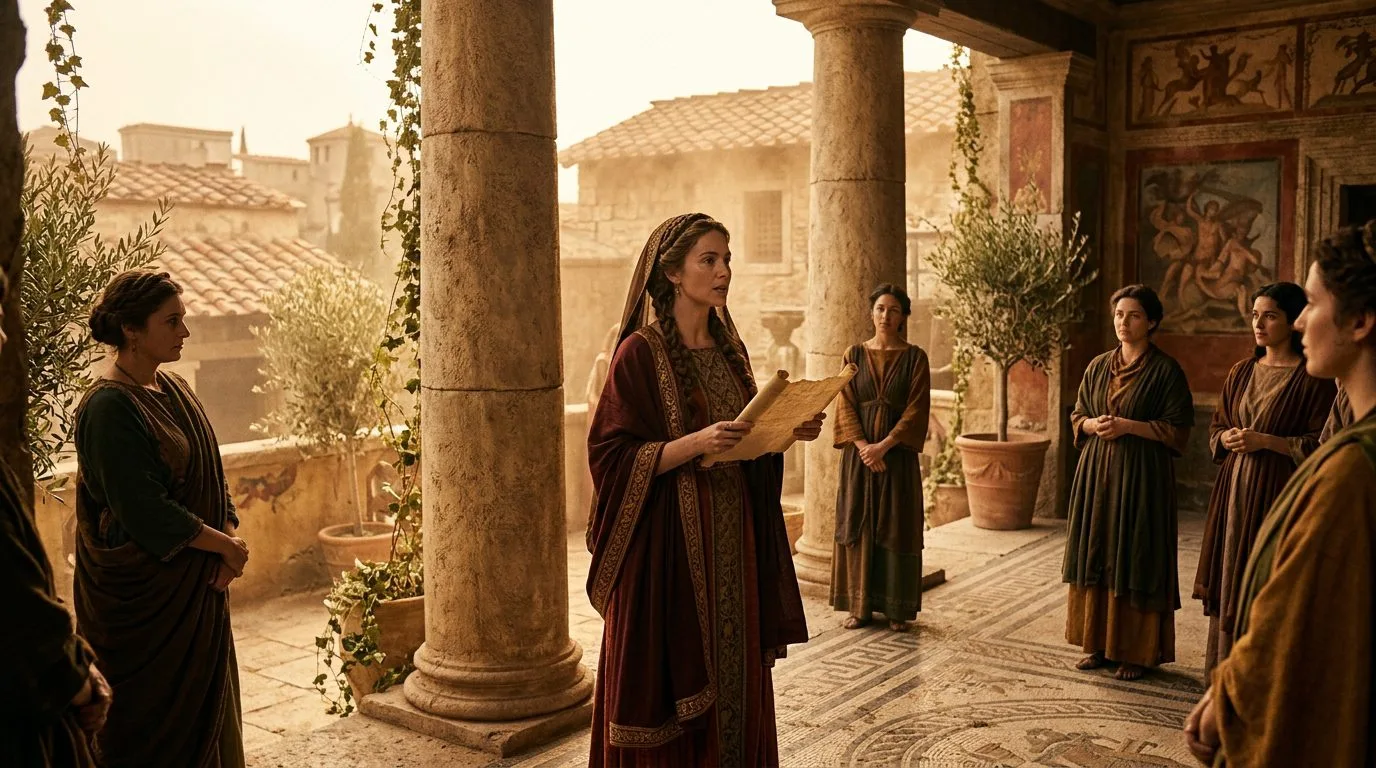
Sulpicia: Rome’s Only Complete Female Voice
Six elegies totaling 40 lines make Sulpicia the only female Roman poet whose work survives complete from the 1st century BCE. Writing during Augustus‘s moral reforms that restricted women’s freedoms, she boldly celebrated her affair with a man named Cerinthus in sophisticated Latin verse. Her uncle, the senator Messalla Corvinus, included her poems in his literary circle’s collection, ensuring their preservation. Unlike male love poets who objectified women, Sulpicia wrote from female desire’s perspective, declaring ‘it would be a sin to hide my passion’ with revolutionary directness that challenged Roman gender conventions.
Source: britannica.com
5. Ban Zhao: Confucian Scholar and Imperial Historian
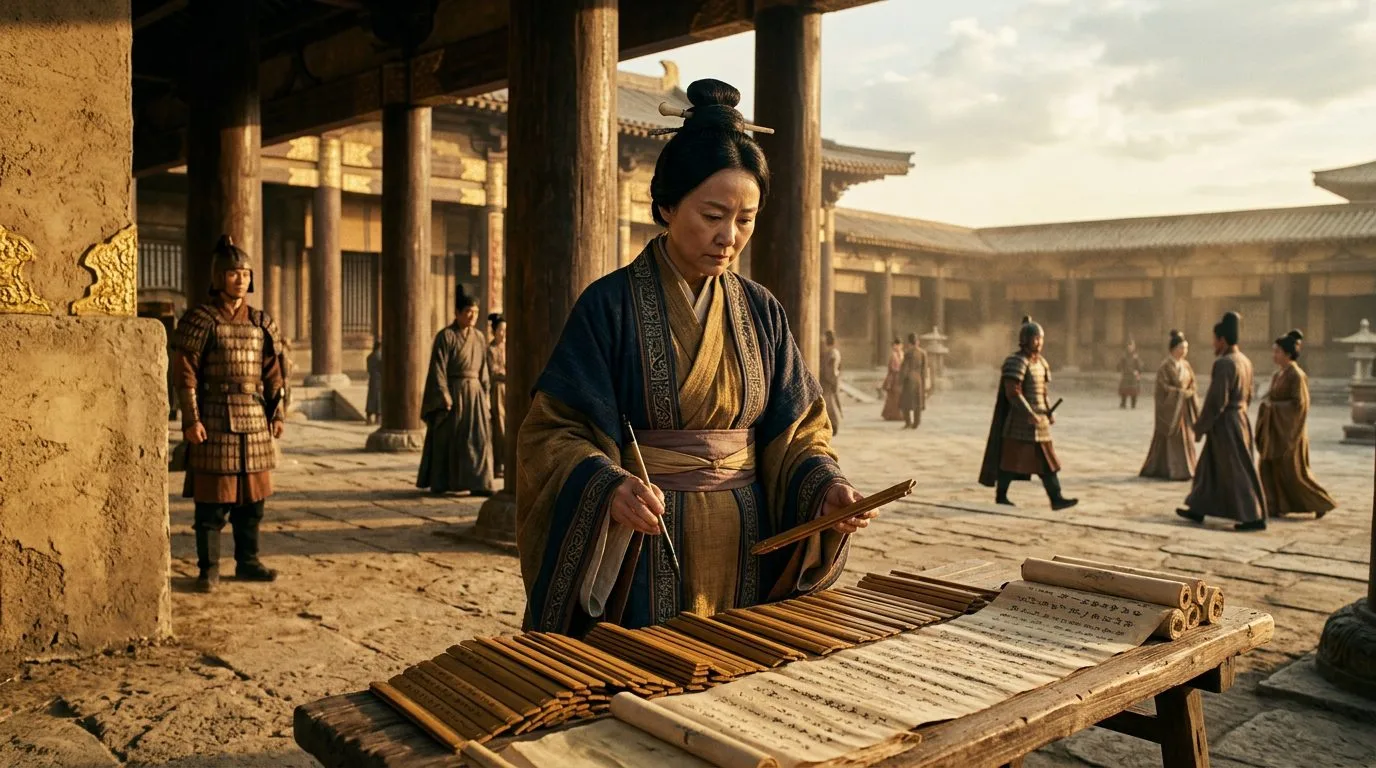
Ban Zhao: Confucian Scholar and Imperial Historian
Summoned to the imperial court around 95 CE, Ban Zhao became the first female Chinese historian, completing her deceased brother’s work on the 100-volume ‘Book of Han.’ Educated in astronomy, mathematics, and classical literature, she tutored empress Deng Sui and composed the influential ‘Lessons for Women,’ which paradoxically advocated female education while reinforcing Confucian hierarchy. Her poetry demonstrated mastery of formal Chinese verse, including the poem ‘Traveling Eastward,’ mourning her exile from court. As imperial librarian, she influenced Han Dynasty literary standards and proved women could excel in traditionally male scholarly domains.
Source: britannica.com
6. Faltonia Betitia Proba: Christian Verse Revolutionary
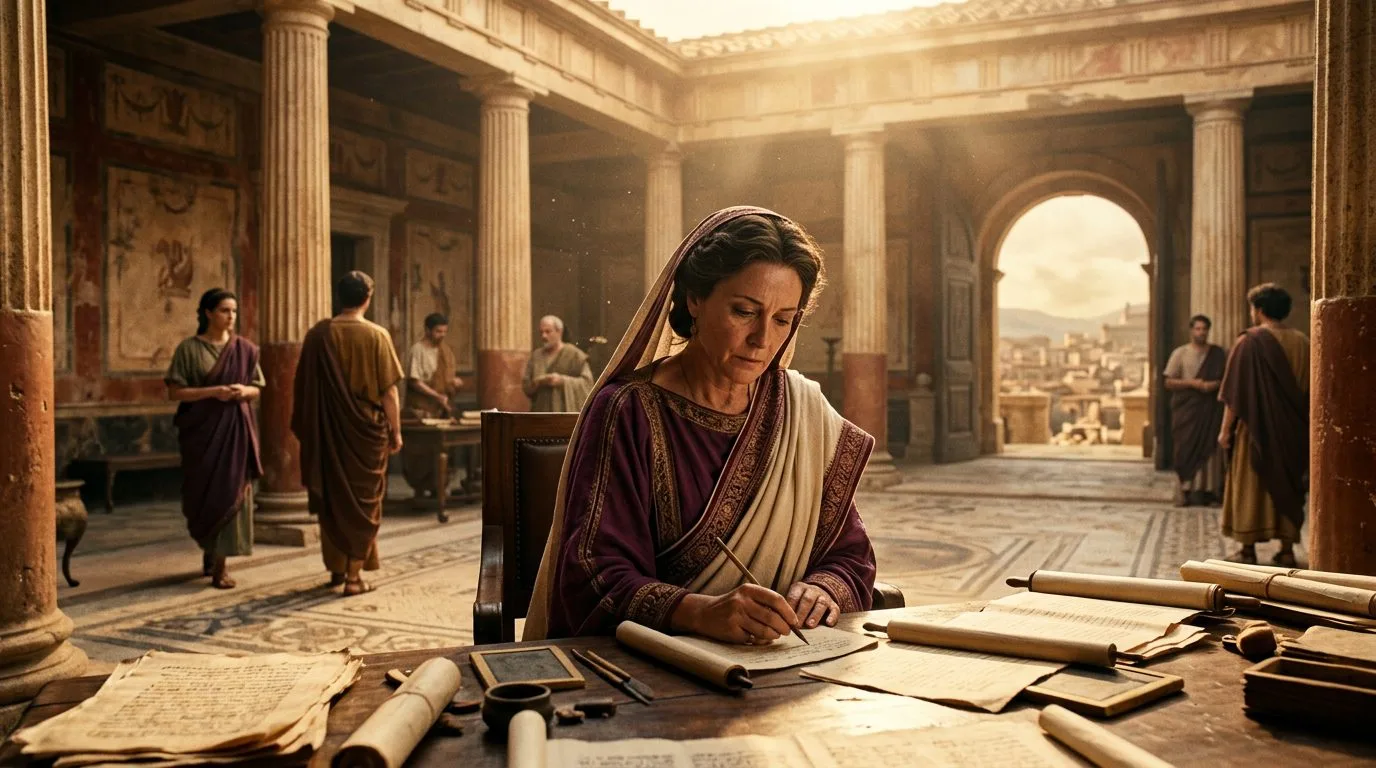
Faltonia Betitia Proba
Around 360 CE, Roman aristocrat Proba created the ‘Cento,’ a 694-line epic retelling biblical stories entirely from repurposed lines of Virgil‘s poetry. This audacious literary experiment required encyclopedic knowledge of classical verse and sparked controversy among church fathers like Jerome, who condemned her ‘patchwork’ as sacrilege. Yet her innovation demonstrated Christianity’s compatibility with classical culture during a period of violent religious transition. The wife of a Roman prefect, Proba proved Christian women could master elite pagan education while advancing their faith through sophisticated literary techniques that influenced medieval religious poetry.
Source: britannica.com
7. Al-Khansa: The Arabian Elegy Master
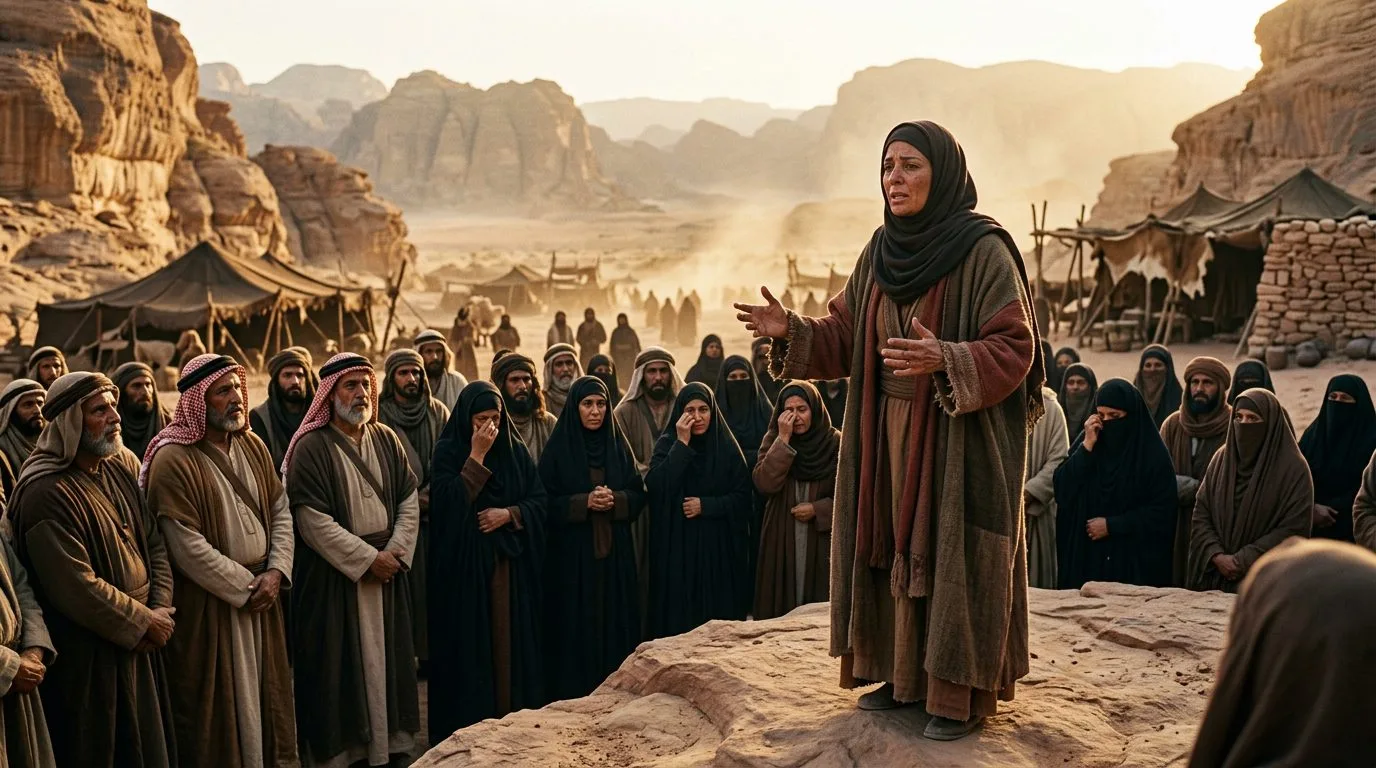
Al-Khansa: The Arabian Elegy Master
Born around 575 CE in the Najd region, Tumadir bint Amr, known as Al-Khansa, composed elegies so powerful that Prophet Muhammad wept hearing them recited. Her 34 surviving poems mourning her brothers Sakhr and Muawiya established the ritha genre’s conventions in Arabic literature. At the 7th-century poetry competition in Ukaz market, she bested male rivals including Hassan ibn Thabit, demonstrating women’s equality in pre-Islamic Arabian verbal arts. After converting to Islam around 629 CE, she sent her four sons to battle at Qadisiyah, composing verses celebrating their martyrdom that exemplified Islamic devotion over maternal grief.
Source: britannica.com
8. Vidya: The Sanskrit Court Poet
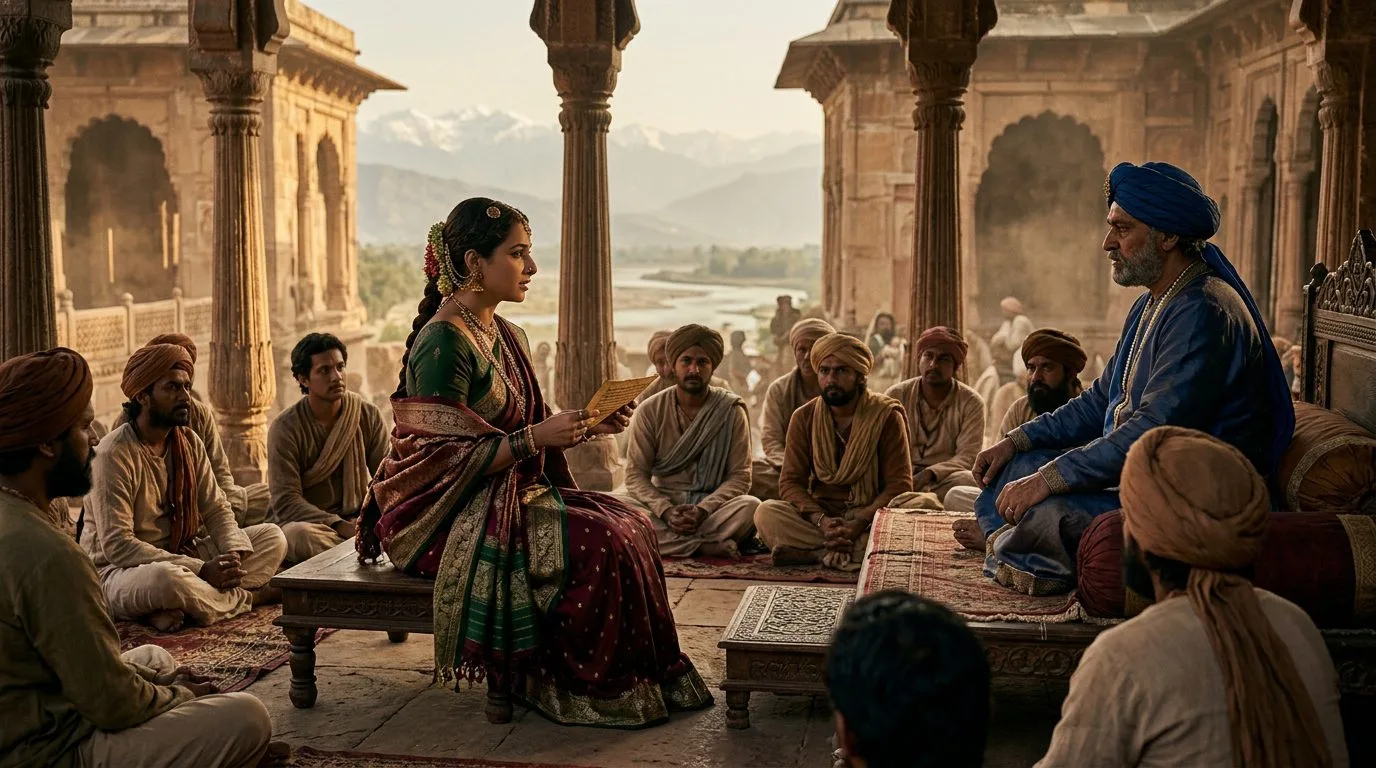
Vidya: The Sanskrit Court Poet
Flourishing during the 7th century CE at the court of King Chandraditya in Kashmir, Vidya composed Sanskrit poetry demonstrating complete mastery of classical meters and rhetorical devices. Her verses, preserved in later anthologies, showcased the kavya tradition’s ornate style with complex metaphors comparing lovers to monsoon clouds and lotus blossoms. Ancient texts describe 16 accomplished female Sanskrit poets, but Vidya’s work represents the rare surviving examples of women’s courtly literature from India’s classical period. Her sophisticated handling of shrngara rasa, the aesthetic of romantic love, influenced Kashmir’s literary renaissance under royal patronage.
Source: britannica.com
9. Wallada bint al-Mustakfi: Córdoba’s Rebel Princess
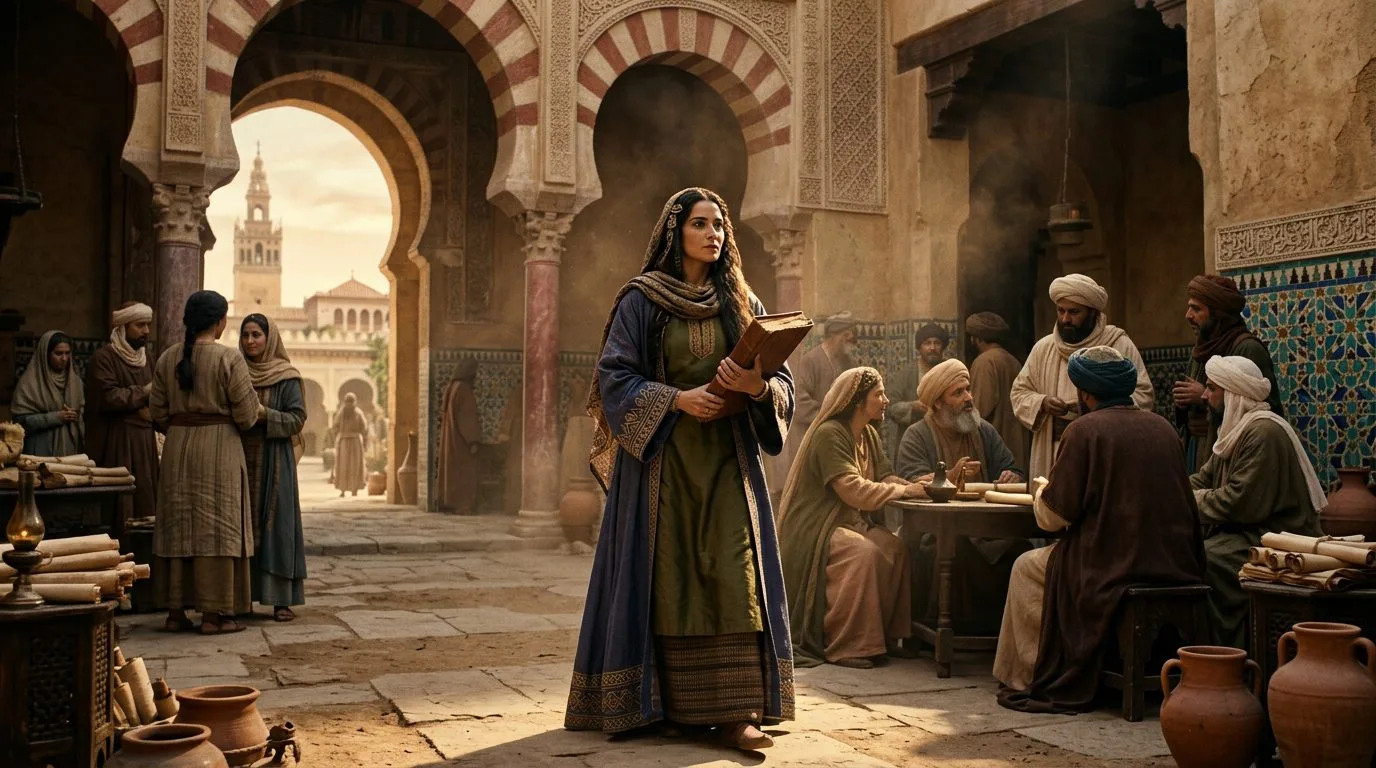
Wallada bint al-Mustakfi: Córdoba’s Rebel Princess
Born in 1001 CE to Córdoba’s Umayyad Caliph, Princess Wallada scandalized Al-Andalus by refusing the veil, hosting mixed-gender literary salons, and embroidering her own provocative verses on her clothing. Her passionate love affair with poet Ibn Zaydun produced exchanged poems that became Arabic literature’s most celebrated romantic correspondence, though their relationship ended in bitter recriminations she immortalized in scathing satirical verse. Inheriting wealth after her father’s death in 1025, she established a palace where women studied poetry, music, and calligraphy, creating medieval Spain’s most influential female intellectual space that lasted sixty-five years.
Source: britannica.com
10. Li Qingzhao: Song Dynasty’s Literary Genius
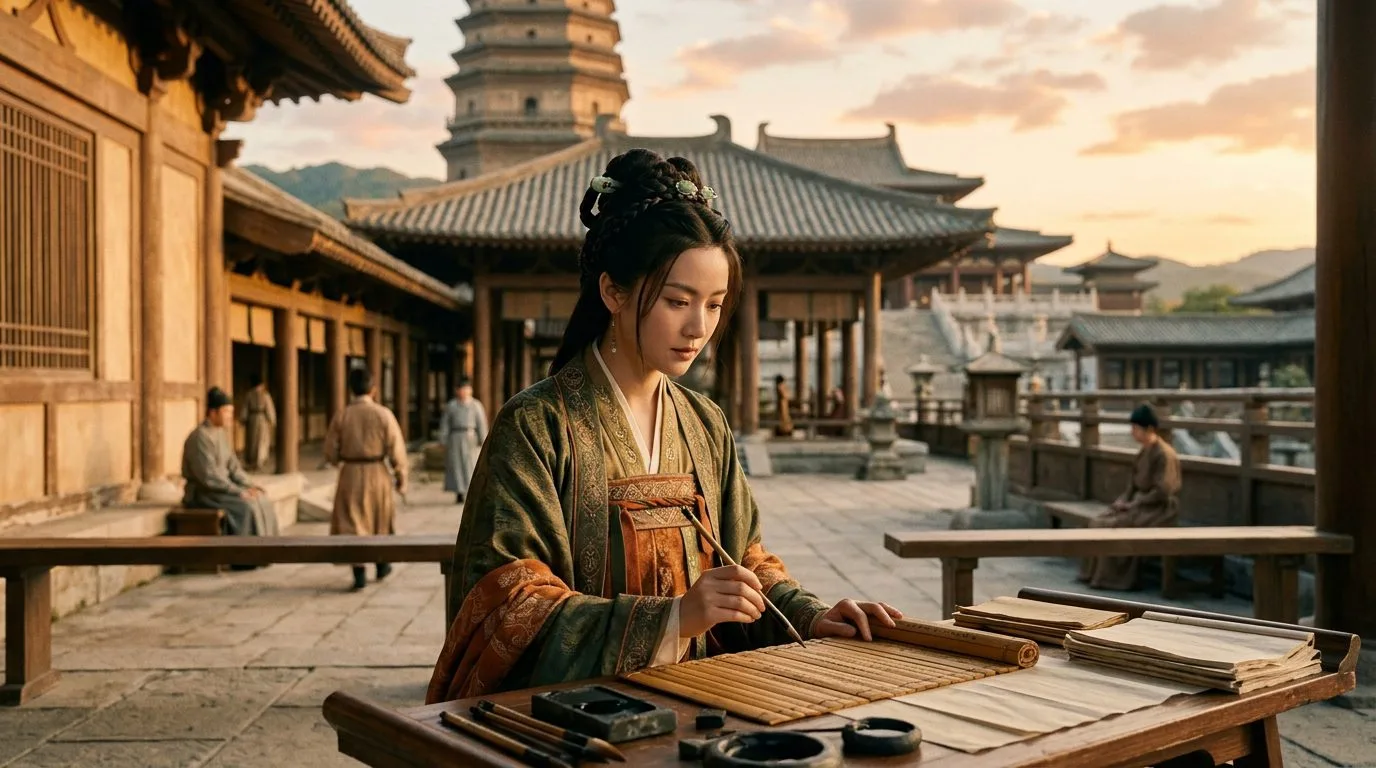
Li Qingzhao: Song Dynasty’s Literary Genius
Born in 1084 CE to a scholarly family, Li Qingzhao mastered both masculine shi poetry and feminine ci lyric forms, becoming China’s most celebrated female poet. Her early verses celebrated intellectual companionship with her husband, the antiquarian Zhao Mingcheng, with whom she cataloged 2,000 ancient artifacts before his death in 1129. The Jin Dynasty invasion forced her to flee southward, transforming her poetry from playful domesticity to profound meditations on loss and exile. She composed critical essays defending her innovative style against male scholars, writing ‘though I am a woman, my learning surpasses that of men,’ a revolutionary claim during the conservative Song Dynasty.
Source: britannica.com
Did You Know?
Did You Know? Enheduanna’s poetry predates Homer’s epics by 1,500 years, yet she remained virtually unknown until archaeologists deciphered her cuneiform tablets in the early twentieth century. Meanwhile, Sappho’s lost poems continue appearing—in the early twenty-first century, scholars discovered new fragments used as mummy wrapping in Egyptian tombs. These ancient women didn’t just write poetry; they invented literary genres, led armies, and challenged empires, proving that history’s silence about female achievement reflects preservation bias, not actual absence.