
In 2400 BCE, a Mesopotamian woman penned humanity’s first signed poem. Long before modern feminism, ancient civilizations witnessed extraordinary women who wielded absolute power, commanding armies and building monuments that still echo through millennia.
1. Hatshepsut – The Woman Who Became King
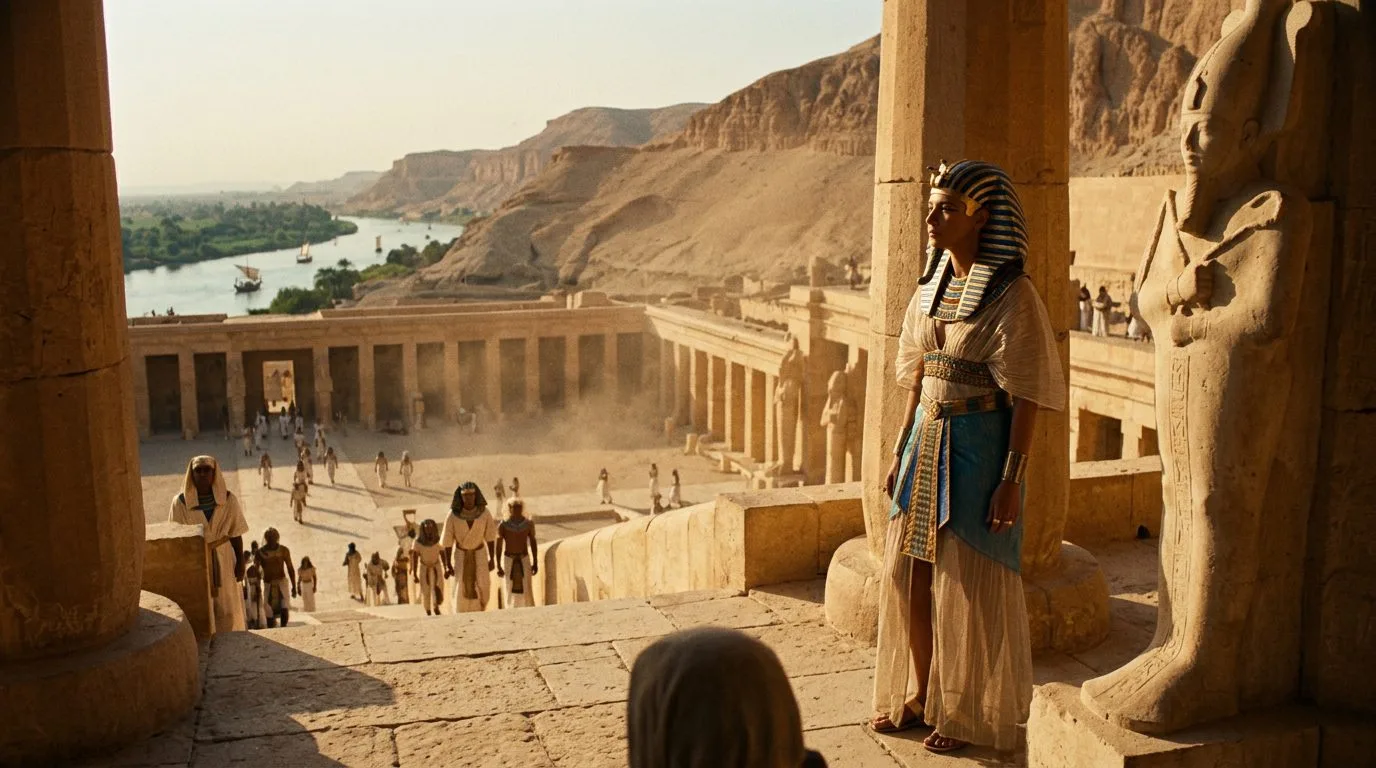
Hatshepsut – The Woman Who Became King
Hatshepsut declared herself pharaoh in 1478 BCE and ruled Egypt for 22 years wearing a ceremonial false beard. She commissioned over 200 building projects including the magnificent mortuary temple at Deir el-Bahari, still standing today near Luxor. Her trading expedition to the mysterious Land of Punt brought back frankincense, myrrh, and exotic animals, enriching Egypt’s treasury beyond measure. After her death, her stepson Thutmose III attempted to erase her from history by chiseling out her name and images from monuments. Archaeologists discovered her mummy in antiquity through DNA analysis of a tooth found in a wooden box inscribed with her name.
Source: britannica.com
2. Enheduanna – Humanity’s First Named Author
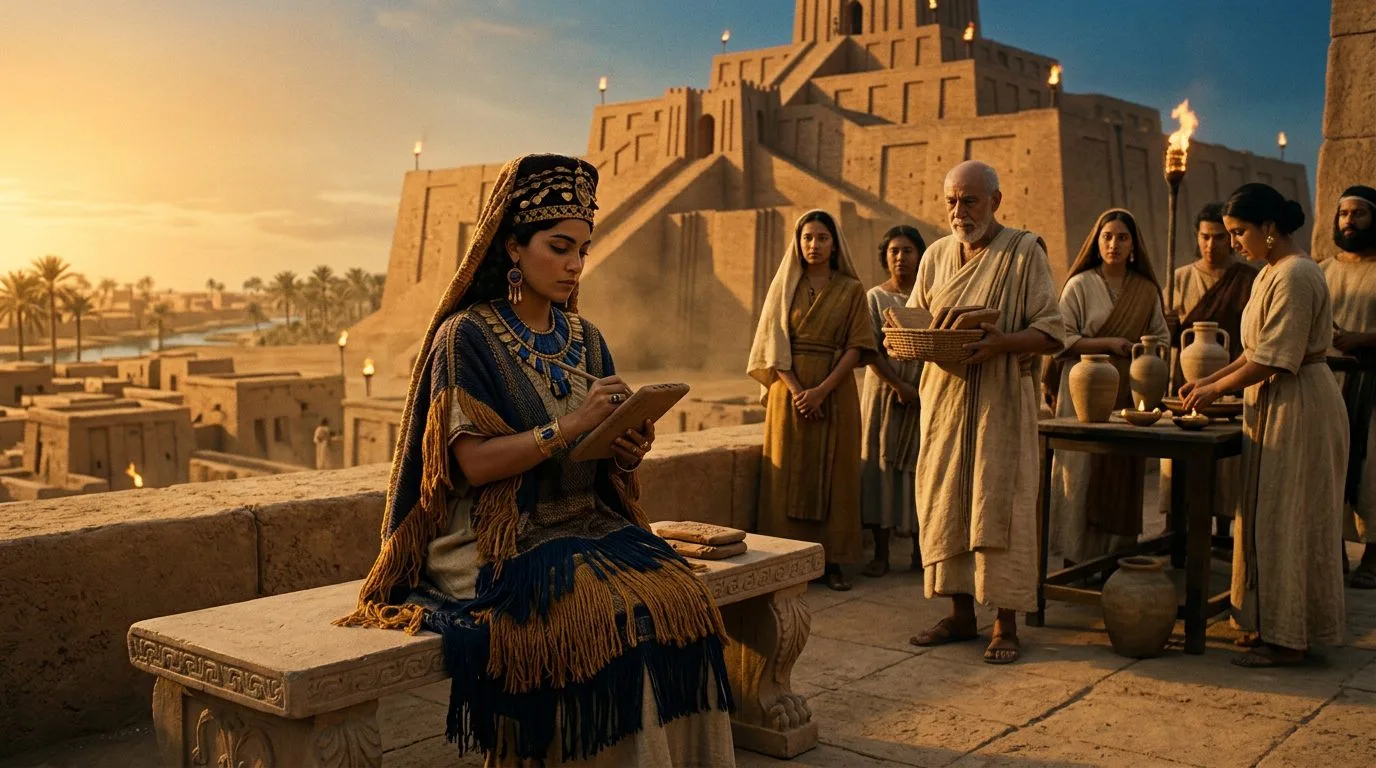
Enheduanna – Humanity’s First Named Author
Princess Enheduanna composed 42 temple hymns and signed her name to them around 2285 BCE, making her the world’s first author known by name. Appointed as high priestess of the moon god Nanna in the city of Ur by her father King Sargon of Akkad, she wielded both religious and political authority across Mesopotamia. Her most famous work, “The Exaltation of Inanna,” describes her temporary exile and triumphant return to power in 153 lines of passionate verse. She invented the literary device of writing in first person, revolutionizing how humans expressed themselves in writing. Her poems remained standard texts in scribal schools for 500 years after her death.
Source: britannica.com
3. Cleopatra VII – The Pharaoh Who Spoke Nine Languages
Cleopatra VII
Cleopatra mastered 9 languages and became the first Ptolemaic ruler in 300 years to actually learn Egyptian when she ascended the throne in 51 BCE. She commanded a navy of over 60 warships at the Battle of Actium in 31 BCE against Octavian’s forces. Her famous relationship with Julius Caesar produced a son, Caesarion, whom she declared co-ruler when he was just 3 years old. Contrary to popular myth, ancient coins suggest she prioritized looking powerful over beautiful, depicting herself with a hooked nose and strong jawline. She died on the 12th day of Mesore in the 21st year of her reign, choosing suicide by asp rather than being paraded through Rome as a captive.
Source: britannica.com
4. Nefertiti – The Queen Whose Face Launched a Thousand Theories
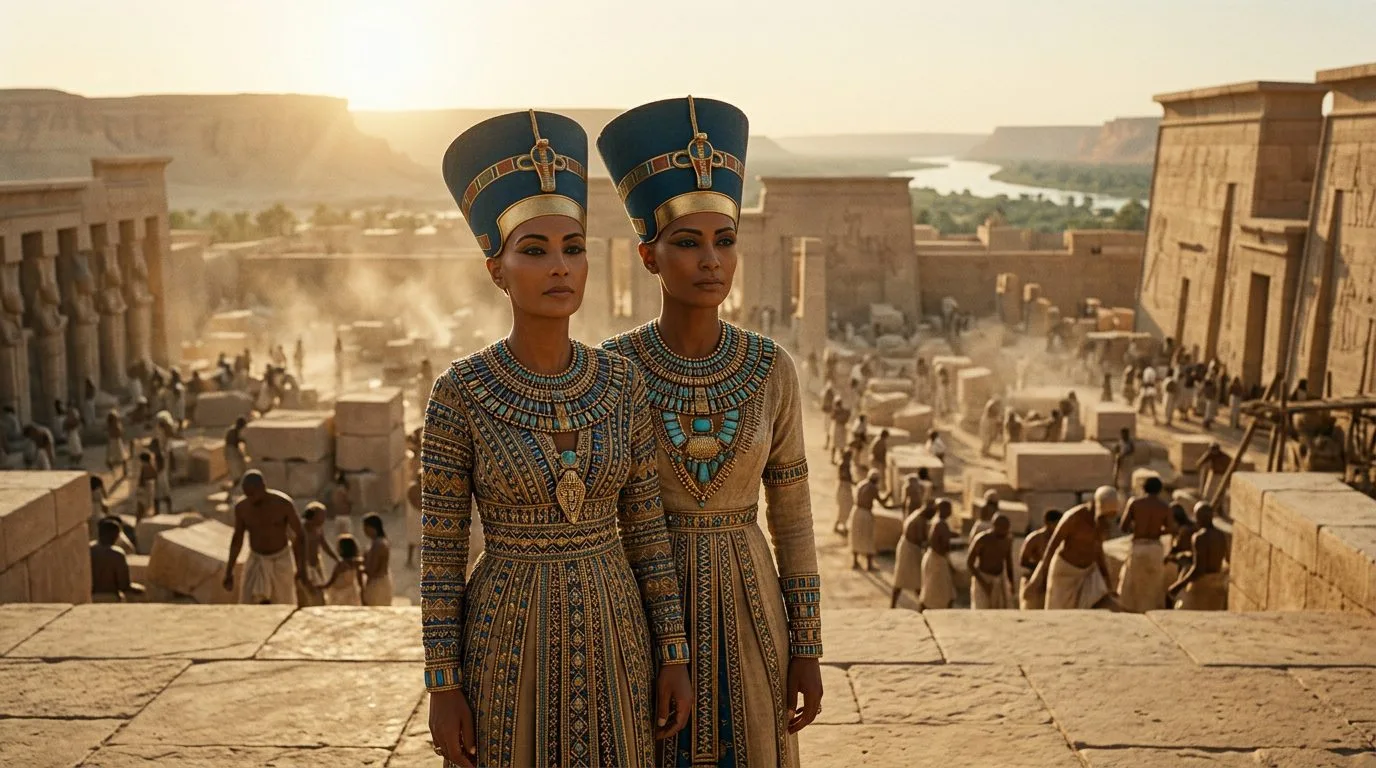
Nefertiti
Nefertiti‘s famous limestone bust, discovered in antiquity, remains one of the most reproduced ancient artworks, yet her mummy has never been definitively identified. She ruled alongside Pharaoh Akhenaten during the revolutionary Amarna period starting in 1353 BCE, when Egypt abandoned polytheism for monotheistic sun worship. Her name means “the beautiful one has come,” and temple reliefs show her smiting enemies—an honor previously reserved only for male pharaohs. After year 12 of Akhenaten’s reign, she vanished from historical records, leading scholars to theorize she either died, fell from power, or assumed a male identity to rule as Pharaoh Neferneferuaten. Recent radar scans of Tutankhamun’s tomb suggest a hidden chamber that might contain her remains.
Source: britannica.com
5. Merneith – Egypt’s First Ruling Queen Mother
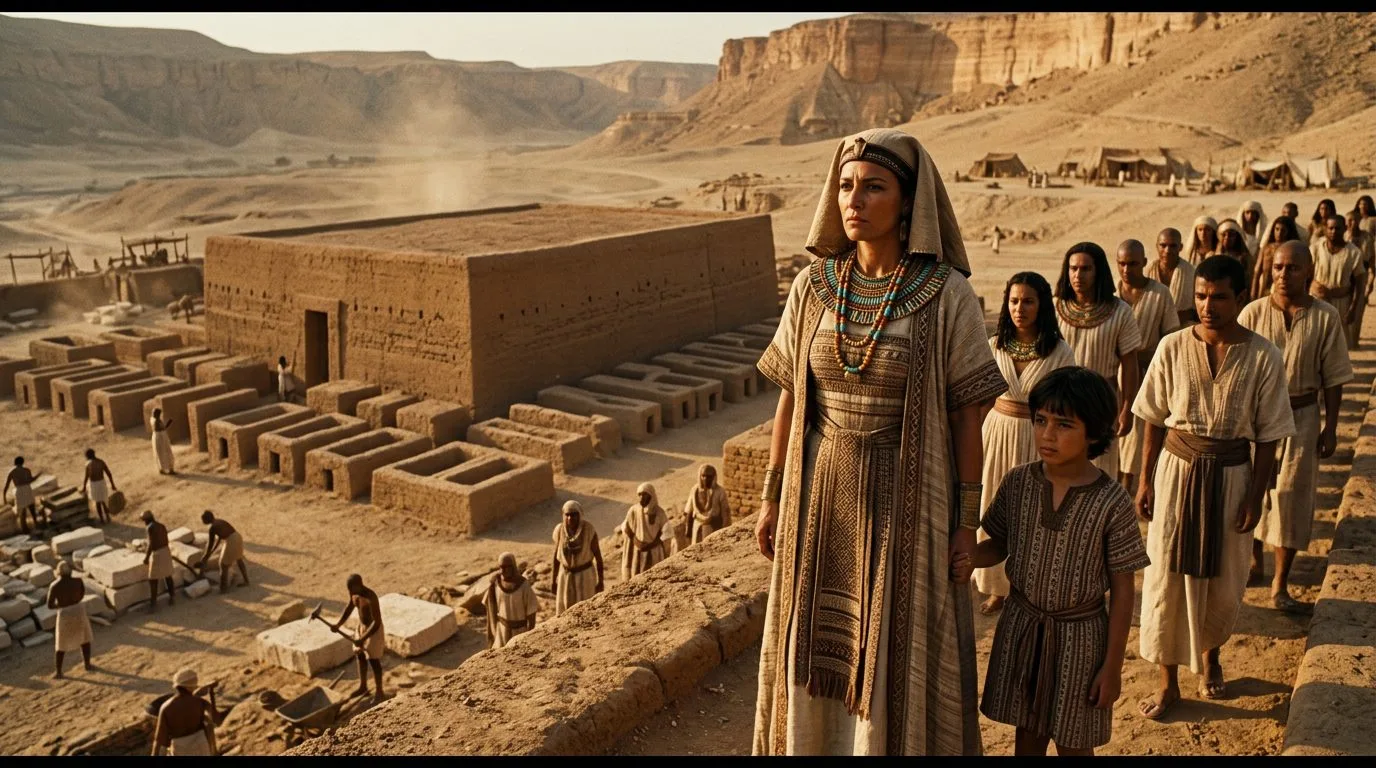
Merneith – Egypt’s First Ruling Queen Mother
Merneith governed Egypt around 2950 BCE as regent for her young son Den, becoming the first woman to rule the unified kingdom. Her tomb at Abydos measured 19 by 16 meters and contained 41 subsidiary burials of servants sacrificed to serve her in the afterlife—a practice reserved for kings. Archaeologists discovered her name inscribed on a seal alongside Egypt’s First Dynasty kings, suggesting she held full royal authority. Her burial included stone vessels, copper tools, and pottery jars that once held wine and oils. She may have ruled for up to 10 years, though records from this early period remain fragmentary and debated among Egyptologists.
Source: britannica.com
6. Kubaba – From Tavern Keeper to Dynasty Founder
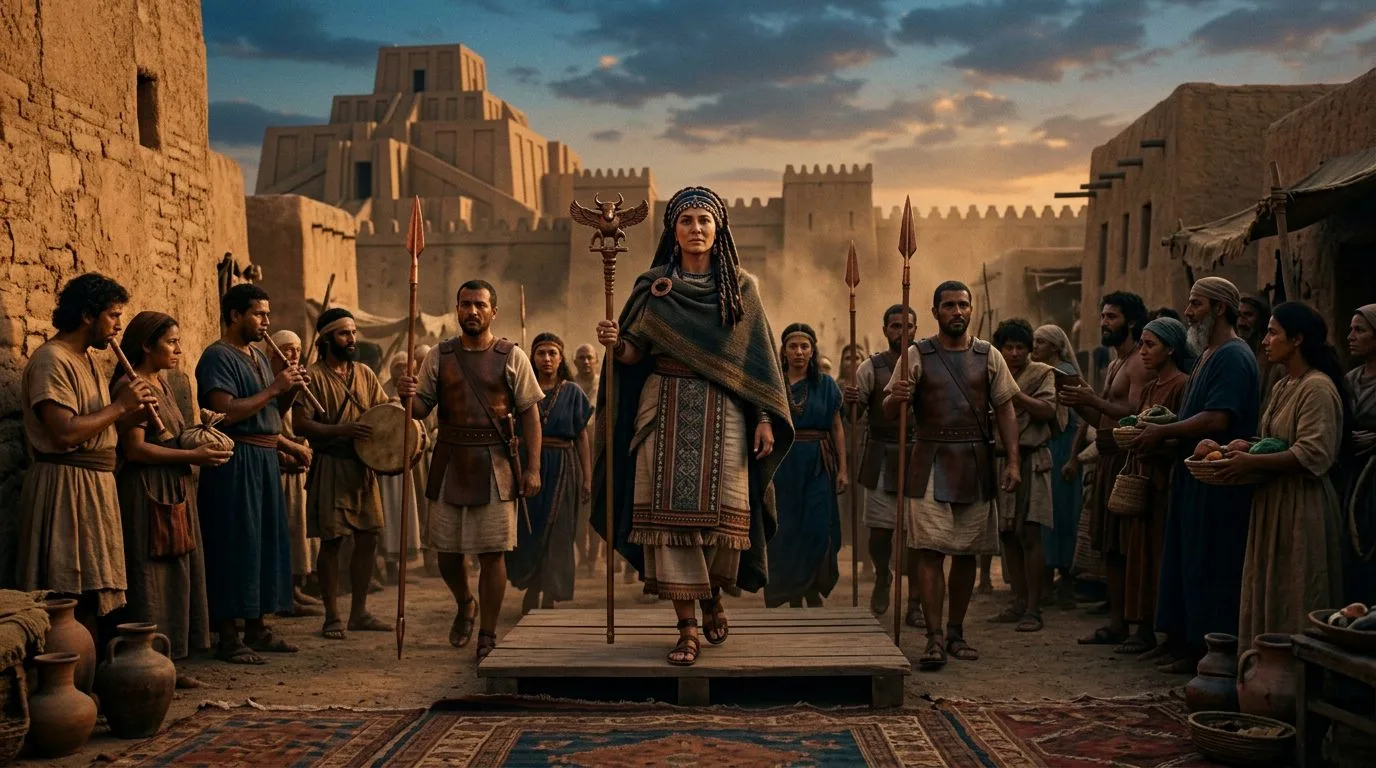
Kubaba – From Tavern Keeper to Dynasty Founder
Kubaba started as a humble tavern keeper in the city of Kish before seizing the throne around 2450 BCE and founding the Third Dynasty. The Sumerian King List credits her with a 100-year reign, though historians believe this number was symbolic rather than literal. She remains the only woman listed as a king in the Sumerian King List among dozens of male rulers spanning thousands of years. Her success was so remarkable that later Mesopotamian cultures elevated her to goddess status, worshipped as Cybele across Anatolia. Her rise from commoner to absolute monarch made her a legend of social mobility in the ancient world.
Source: britannica.com
7. Sobekneferu – The First Confirmed Female Pharaoh
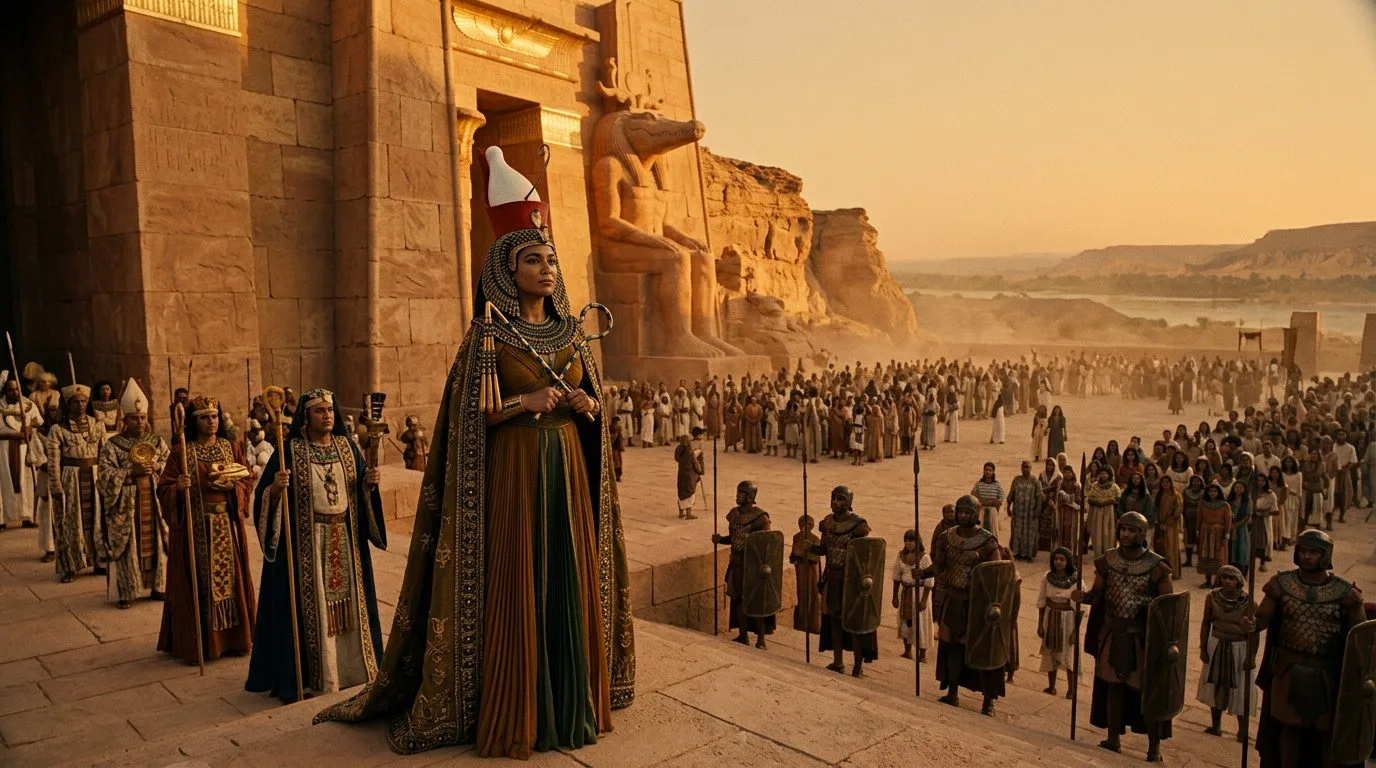
Sobekneferu – The First Confirmed Female Pharaoh
Sobekneferu ruled Egypt from 1806 to 1802 BCE as the last monarch of the Twelfth Dynasty, making her the first woman definitively proven to hold the title of pharaoh. She navigated the delicate balance of gender and power by wearing both male and female royal regalia in official portraits and statues. Her throne name, **Sobek**kare, honored the crocodile god Sobek while asserting her divine right to rule. She commissioned building projects at Hawara and constructed portions of the temple complex at Tell el-Dab’a in the Nile Delta. Her four-year reign ended the dynasty’s 200-year golden age, though the cause of its collapse remains mysterious.
Source: britannica.com
8. Puabi – The Queen in the Death Pit
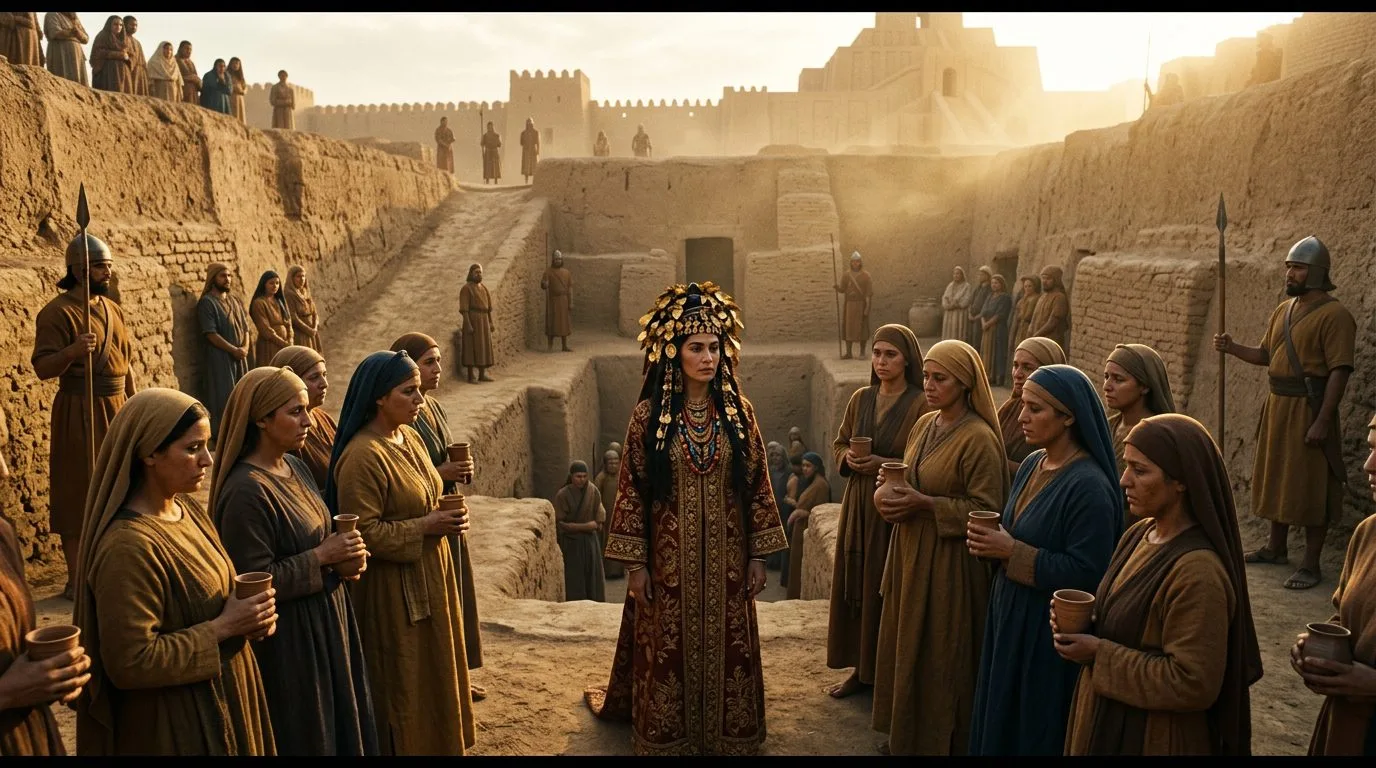
Puabi – The Queen in the Death Pit
Queen Puabi went to her grave around 2600 BCE in the royal cemetery of Ur accompanied by 52 attendants who drank poison to serve her in the afterlife. British archaeologist Leonard Woolley discovered her tomb in antiquity, finding her body adorned with a golden headdress featuring carnelian and lapis lazuli leaves weighing nearly 9 pounds. Her tomb contained a spectacular lyre with a golden bull’s head, now displayed in the British Museum. Analysis of her skeletal remains revealed she was approximately 40 years old at death and stood about 5 feet tall. The cylinder seal found with her body identified her as “Puabi, Queen,” though whether she ruled independently or as a consort remains debated.
Source: britannica.com
9. Nitocris – The Pharaoh Who Drowned Her Enemies
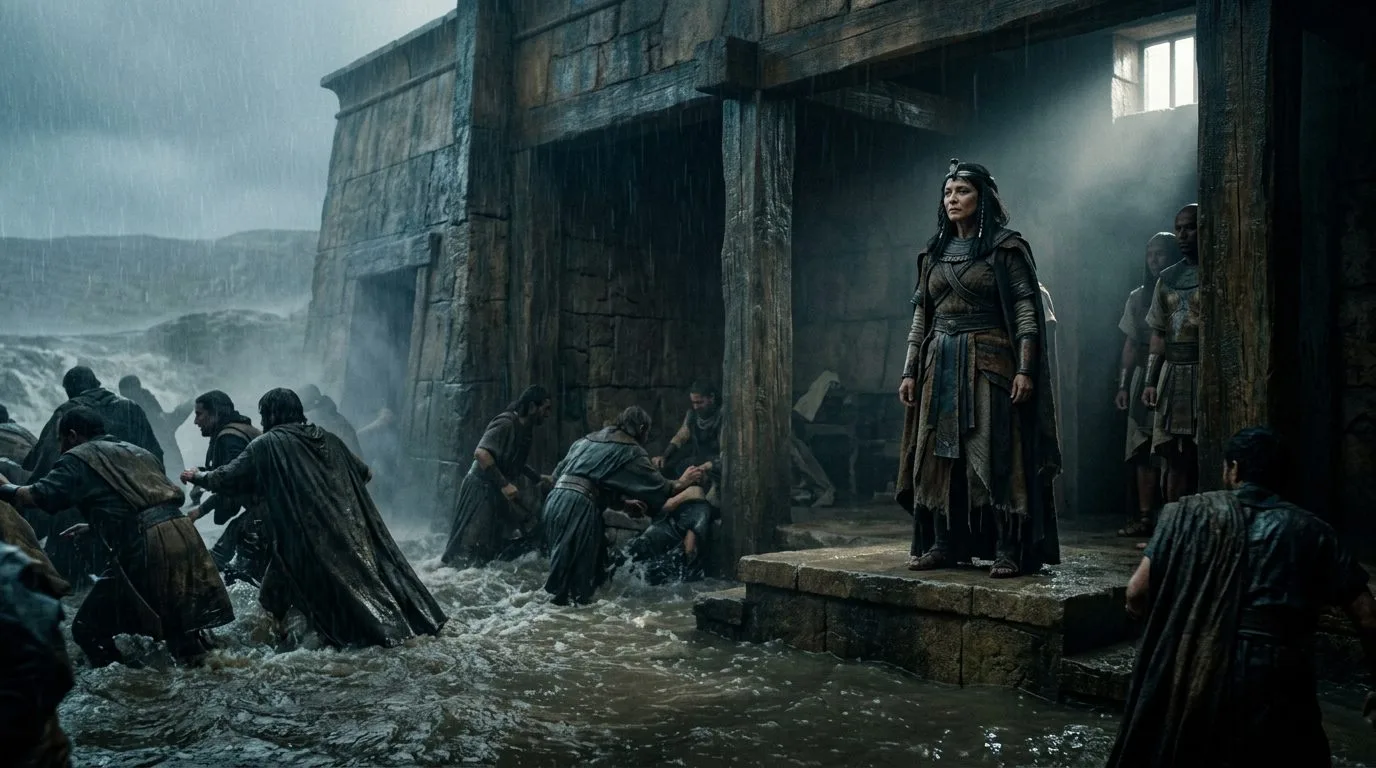
Nitocris – The Pharaoh Who Drowned Her Enemies
Nitocris allegedly ruled Egypt around 2184 BCE as the last pharaoh of the Old Kingdom’s Sixth Dynasty. Greek historian Herodotus recounted how she avenged her brother’s murder by inviting the conspirators to a banquet in an underground chamber, then flooding it through secret sluices from the Nile. Manetho’s king list credits her with building the Third Pyramid at Giza, though modern archaeology attributes this to Menkaure. The Turin Canon, an ancient papyrus listing Egyptian rulers, shows a female name in her time slot, lending credence to her existence. However, some scholars believe she may be a conflation of multiple historical figures or entirely legendary.
Source: britannica.com
10. Semiramis – The Warrior Queen of Legend
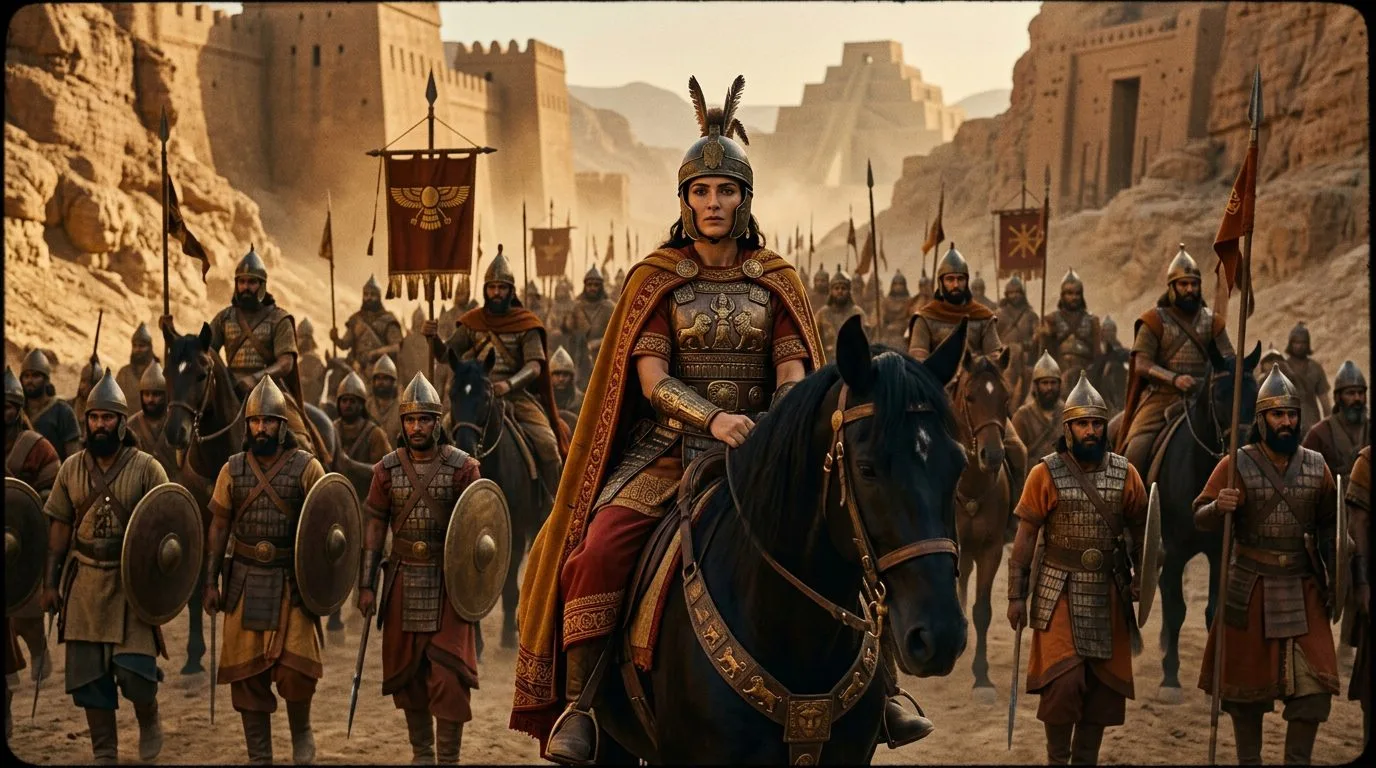
Semiramis – The Warrior Queen of Legend
Semiramis ruled the Assyrian Empire around 800 BCE and led military campaigns from the Mediterranean to India, conquering vast territories through brilliant strategy. Ancient sources credit her with founding Babylon and building its famous Hanging Gardens, though modern historians attribute these to Nebuchadnezzar II. She reportedly disguised herself as her son for 5 days to test his readiness to rule, then abdicated and vanished mysteriously. Greek historian Diodorus Siculus wrote she commanded an army of 3 million infantry and 500,000 cavalry in her campaign against India. Most scholars now identify her with the historical Queen Sammu-Ramat, who ruled as regent from 811 to 808 BCE after her husband King Shamshi-Adad V died.
Source: britannica.com
Did You Know?
Did you know that Hatshepsut’s erasure from history was so thorough that archaeologists only rediscovered her in antiquity—meaning for millennia, one of Egypt’s most successful pharaohs was completely forgotten? Even more ironic: the stepson who tried to delete her legacy ruled for 54 years, yet her temple remains more famous than any of his monuments. These ancient queens didn’t just rule—they rewrote what power looked like for millennia to come.