
Ancient Greece gave us democracy and philosophy, but what about the brilliant women who shaped this world? From poets who rivaled Homer to queens who commanded armies, these ten remarkable women prove Greek history was never just a man’s world.
1. Sappho – The Tenth Muse of Lesbos
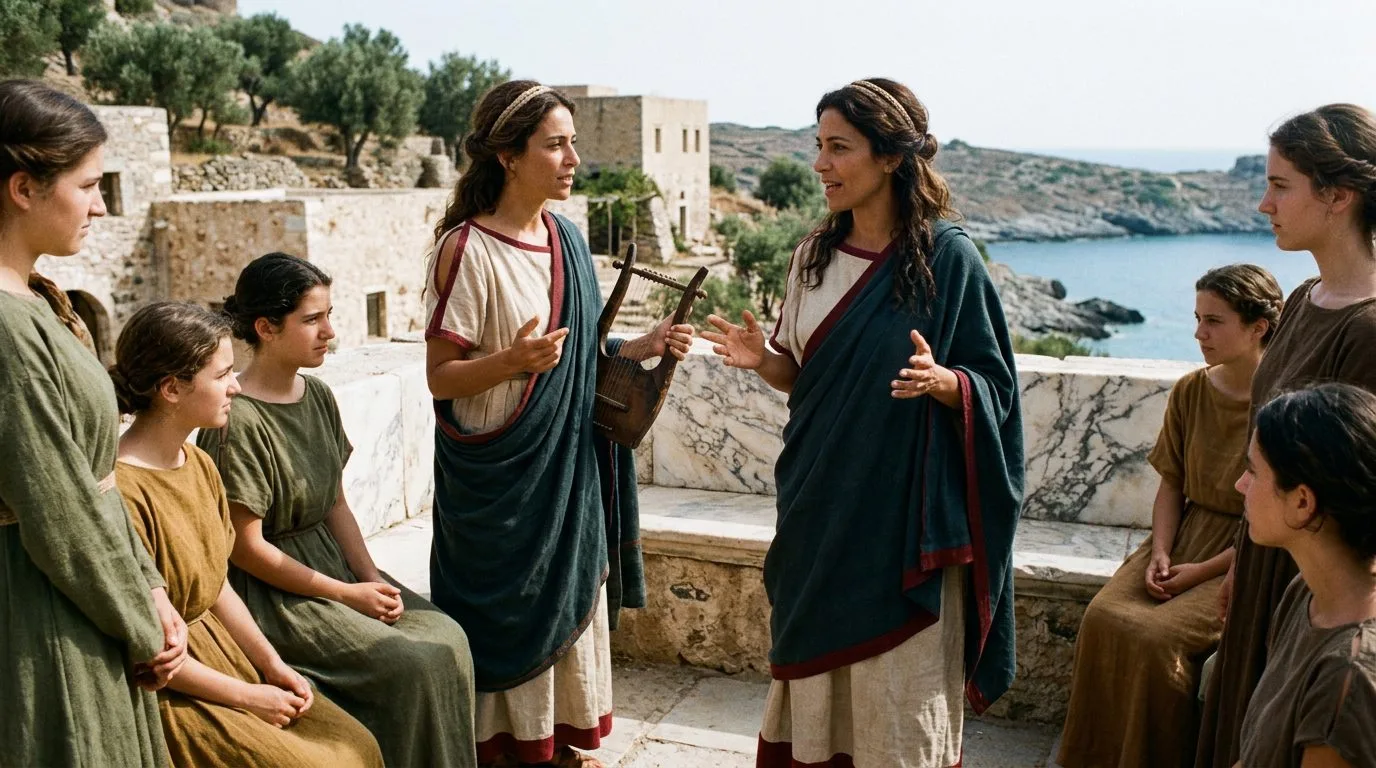
Sappho – The Tenth Muse of Lesbos
Plato himself called Sappho the “tenth muse” around 380 BCE, placing her among the immortal goddesses of artistic inspiration. Born circa 630 BCE on the island of Lesbos, she ran an academy where young women studied poetry, music, and philosophy. Only one complete poem of her nine books survives, yet her influence was so profound that the Roman poet Catullus translated her work 500 years later. Her lyric poetry pioneered the personal voice in literature, shifting Greek verse from epic tales to intimate human emotion. Modern scholars estimate she composed over 10,000 lines of poetry, though we possess fewer than 700 fragmentary lines today.
Source: britannica.com
2. Aspasia of Miletus – Pericles’ Intellectual Equal
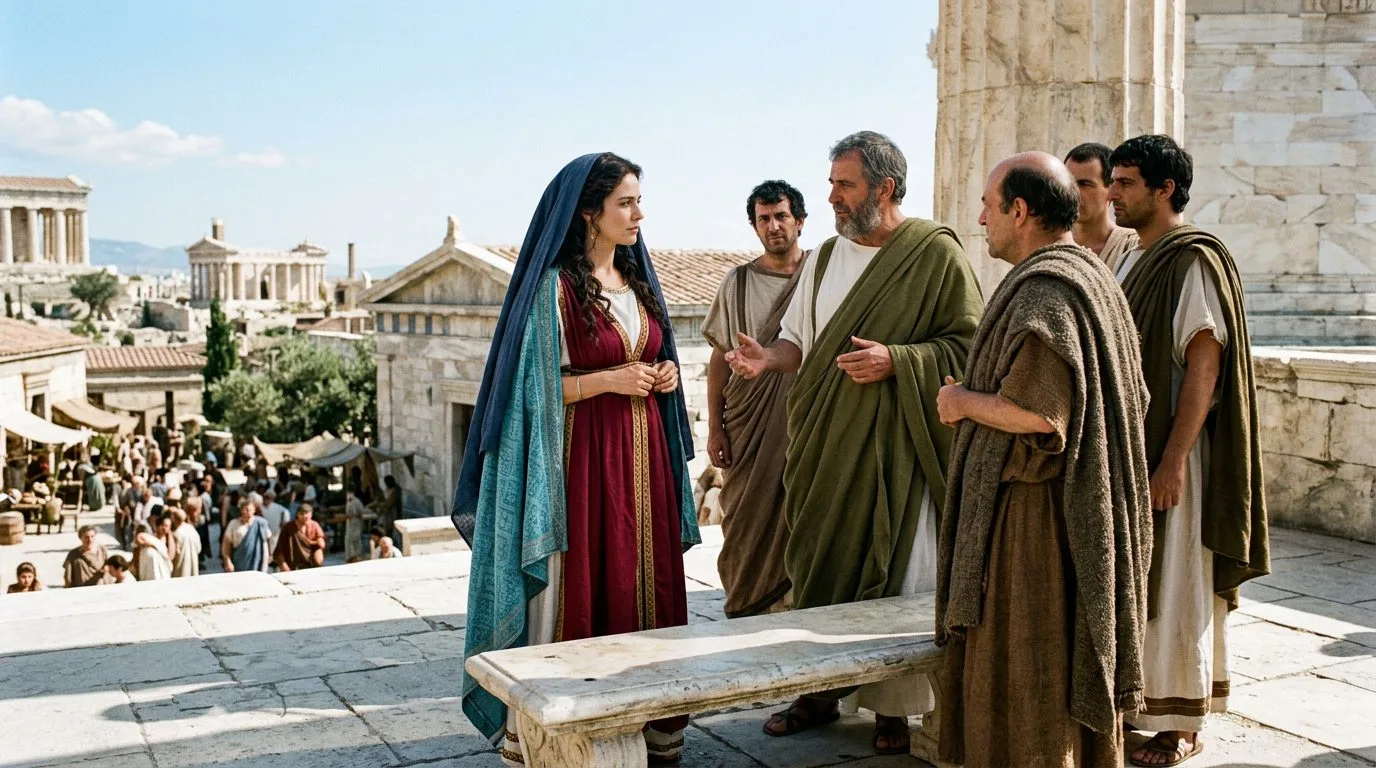
Aspasia of Miletus – Pericles’ Intellectual Equal
Aspasia arrived in Athens around 445 BCE and became the only woman known to participate in philosophical discussions with Socrates. As companion to Pericles, Athens’ greatest statesman, she wielded unprecedented political influence during the Golden Age. Plutarch credits her with teaching rhetoric to Pericles himself, claiming she composed his famous funeral oration of 431 BCE. She ran a salon where Athens’ brightest minds debated philosophy, politics, and ethics—a privilege denied to citizen-born Athenian women. When Pericles divorced his wife to be with her, the scandal rocked Athens, yet her intellectual reputation remained untarnished throughout the Peloponnesian War.
Source: britannica.com
3. Agnodice – Athens’ First Female Physician
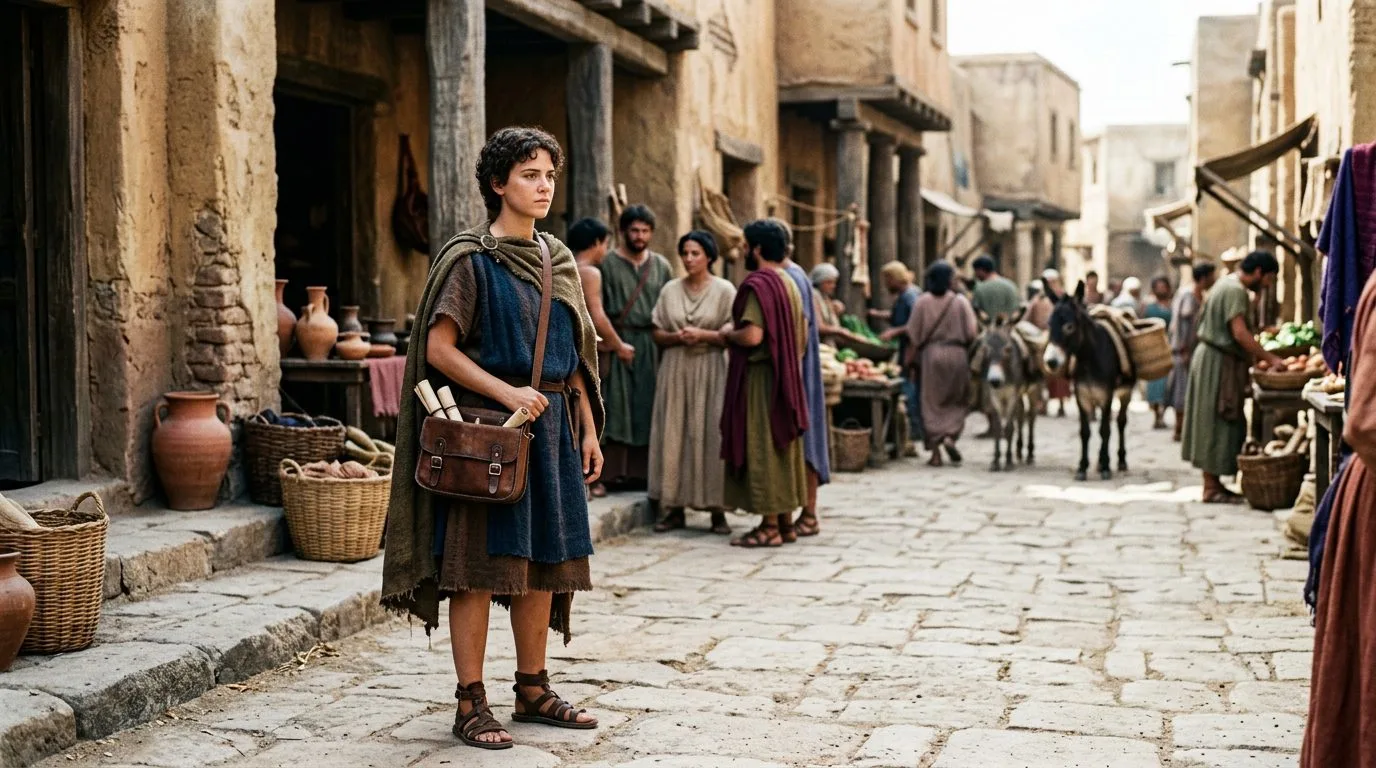
Agnodice – Athens’ First Female Physician
Around 350 BCE, Agnodice disguised herself as a man to study medicine under Herophilus in Alexandria, risking execution under Athenian law that banned women from practicing medicine. She cut her hair, wore male clothing, and completed her medical training before returning to Athens to treat women patients. When jealous male physicians accused her of seducing patients, she revealed her true sex in court, facing immediate death penalty. The women of Athens surrounded the court in protest, threatening their husbands with divorce unless Agnodice was freed. Her trial forced Athens to change its laws in 300 BCE, finally permitting women to practice medicine legally.
Source: britannica.com
4. Gorgo – Sparta’s Wise Queen
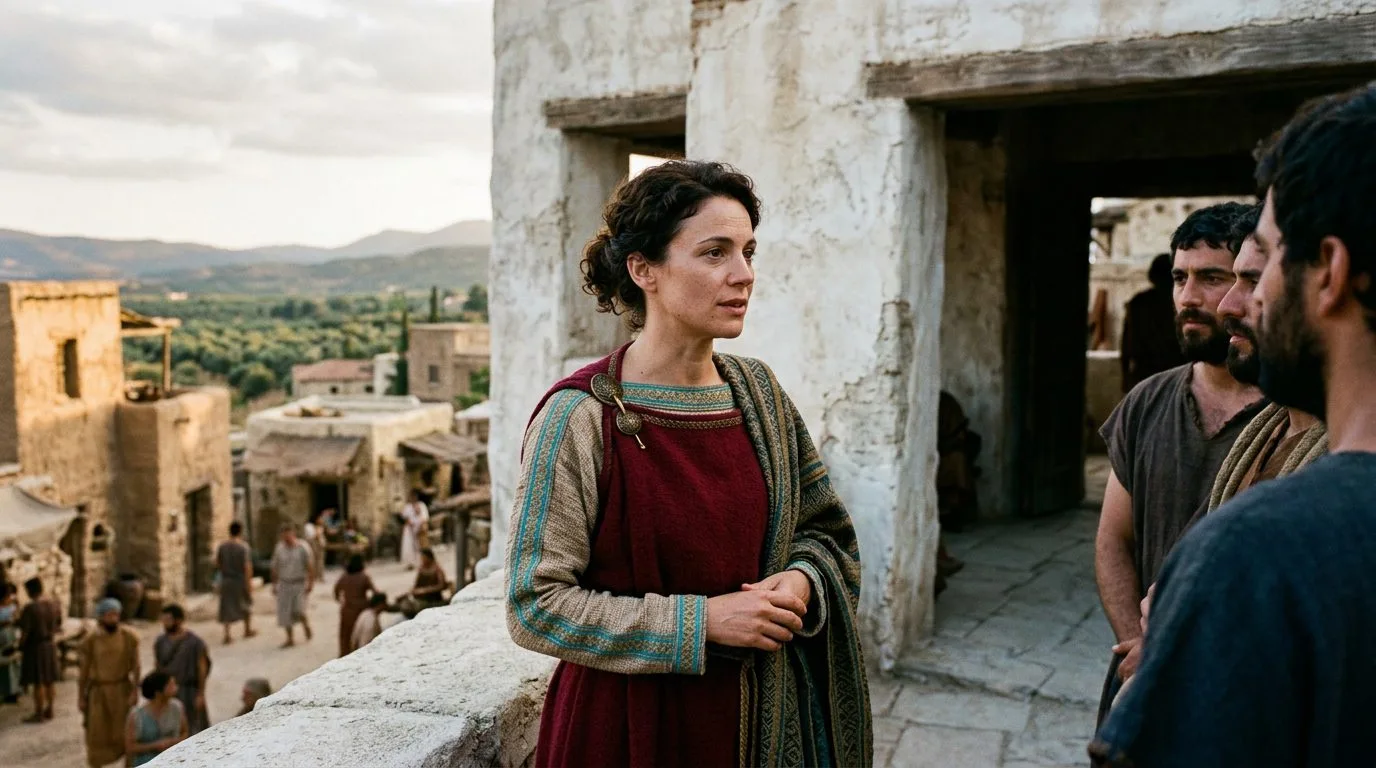
Gorgo – Sparta’s Wise Queen
Gorgo became Sparta’s most influential queen when she married King Leonidas I around 490 BCE, wielding power unusual even in woman-respecting Spartan society. At age eight, she advised her father King Cleomenes to reject a Persian bribe, demonstrating political wisdom that Herodotus specifically praised. In 480 BCE, she cracked a secret code that warned Sparta of Xerxes’ invasion plans—a wax tablet appeared blank until she realized the message was written beneath the wax surface. When Leonidas departed for Thermopylae, she asked what she should do; he replied, “Marry a good man and have good children.” She ruled Sparta as regent after his death, maintaining its military supremacy during the Persian Wars.
Source: britannica.com
5. Hypatia of Alexandria – Philosopher and Mathematician
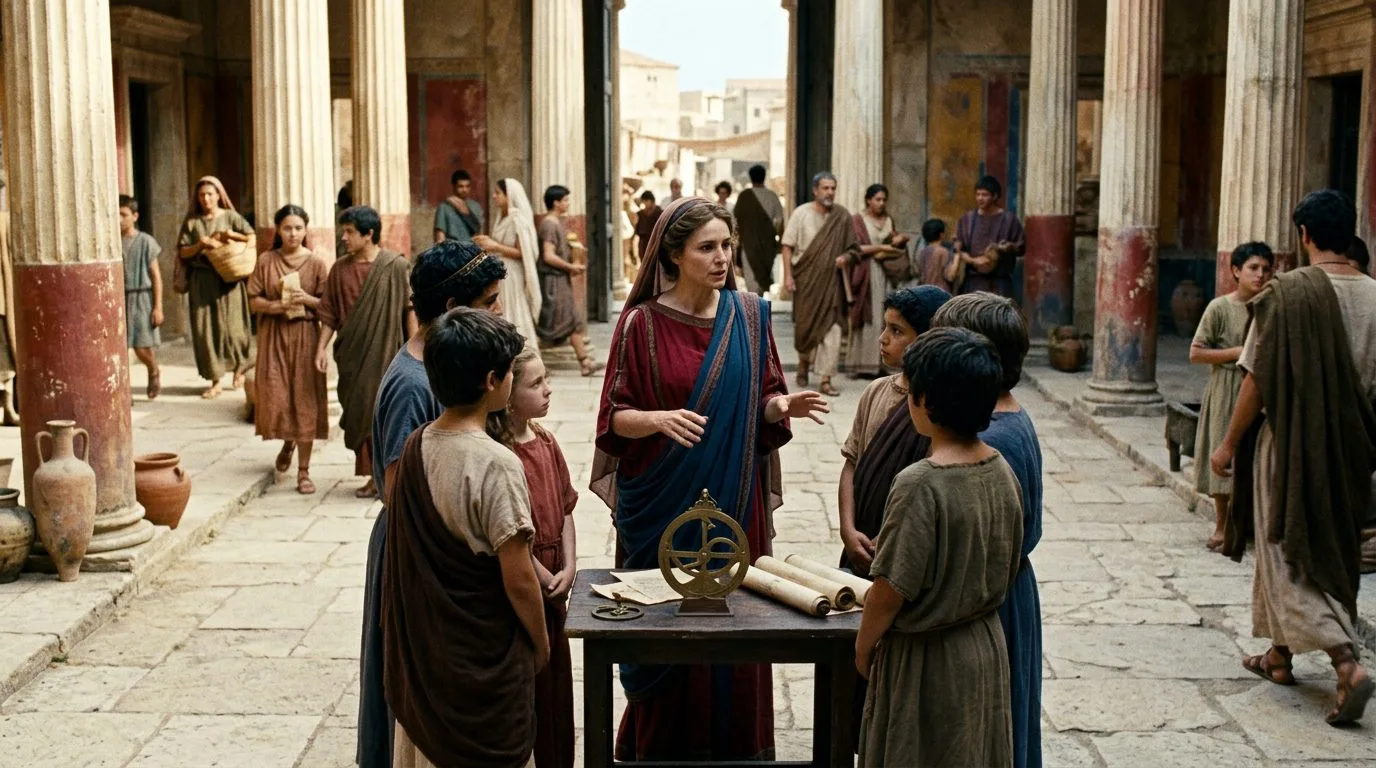
Hypatia of Alexandria
Hypatia became head of Alexandria‘s Neoplatonic school around 400 CE, teaching mathematics, astronomy, and philosophy to students across the Mediterranean world. She improved the design of the astrolabe, invented a hydrometer for measuring liquid density, and wrote commentaries on Diophantus’ thirteen-volume Arithmetica that influenced mathematics for centuries. Her public lectures drew crowds of 600 people, and city officials consulted her on political matters—unprecedented influence for any woman in the Roman Empire. She remained celibate throughout her life, dedicating herself entirely to scholarship. In March 415 CE, a mob murdered her during political-religious violence, destroying most of her written works and ending Alexandria’s era as antiquity’s greatest center of learning.
Source: britannica.com
6. Artemisia I of Caria – Naval Commander at Salamis
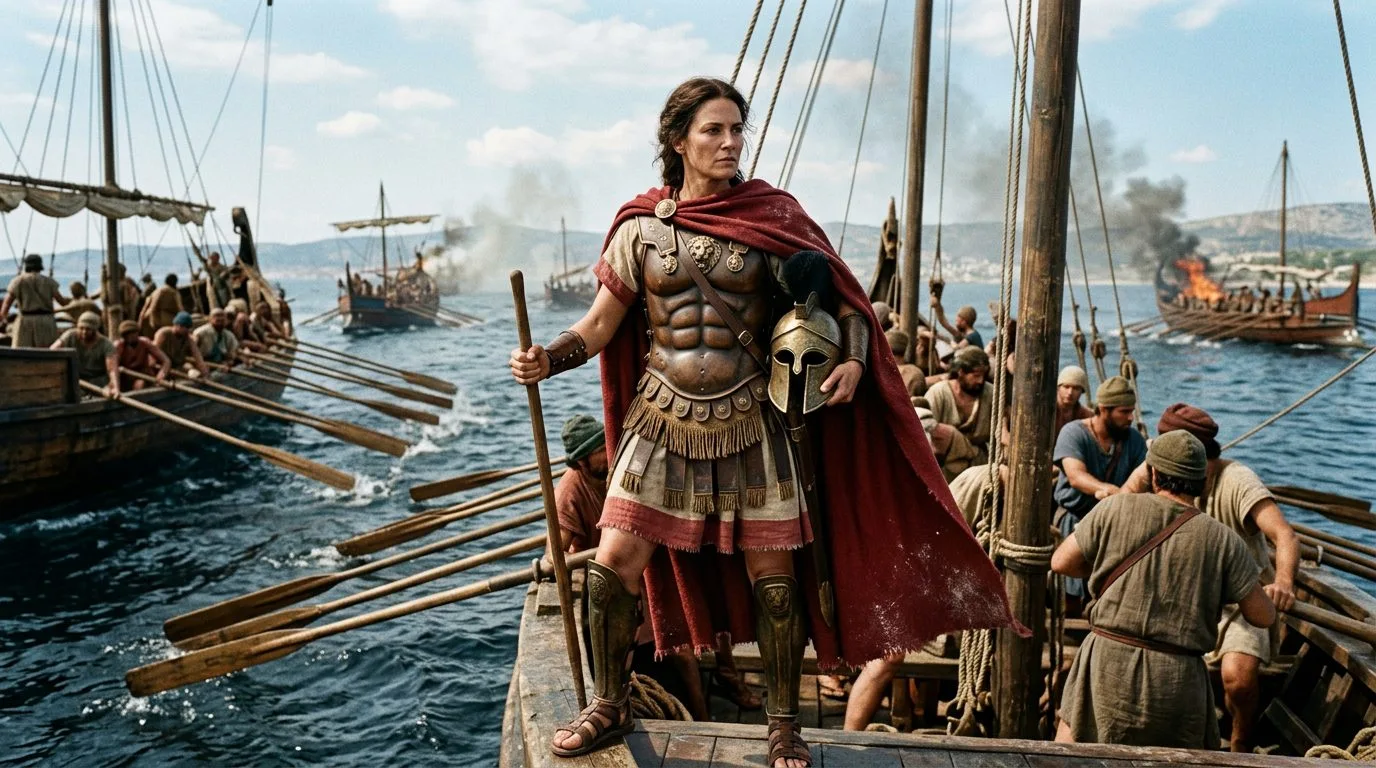
Artemisia I of Caria – Naval Commander at Salamis
Artemisia personally commanded five warships at the Battle of Salamis in 480 BCE, the only female naval commander in Xerxes‘ massive Persian fleet of 1,207 vessels. When Greek ships pursued her trireme during the chaotic battle, she rammed and sank a Persian ally’s ship, tricking the Greeks into thinking she fought for them. Xerxes, watching from shore, reportedly exclaimed, “My men have become women, and my women men!” Herodotus writes that she was Xerxes’ most trusted military advisor, and he valued her counsel above all his male generals. After Salamis, she personally escorted Xerxes’ illegitimate children to safety in Ephesus, commanding the naval escort through hostile Greek waters.
Source: britannica.com
7. Arete of Cyrene – Philosopher and Teacher
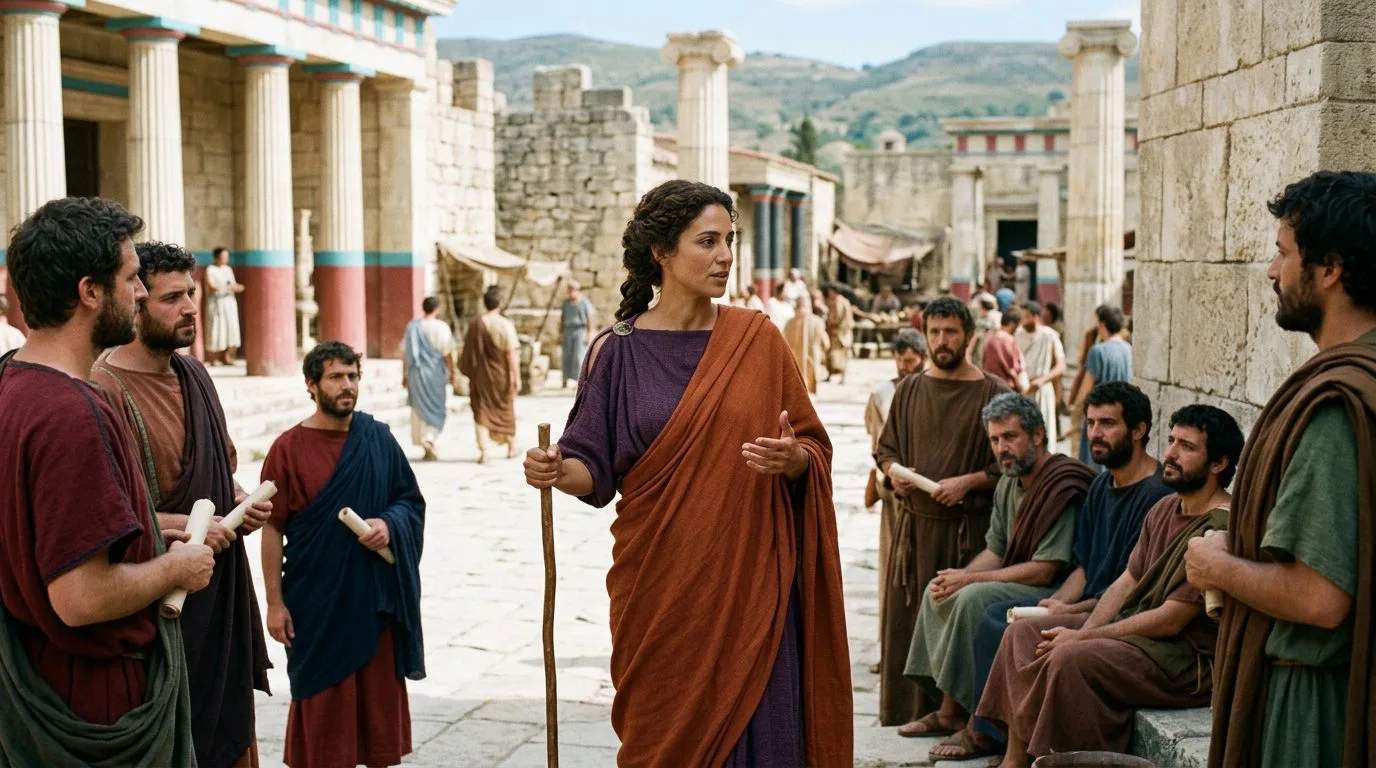
Arete of Cyrene – Philosopher and Teacher
Arete inherited leadership of the Cyrenaic school of philosophy around 340 BCE after her father Aristippus died, becoming one of ancient Greece’s rare female philosophy professors. She taught natural and moral philosophy for 35 years, training more than 110 philosophers including her son Aristippus the Younger. Ancient sources credit her with writing 40 books on philosophy, though none survive today. She taught that pleasure was the highest good but emphasized intellectual pleasures over physical ones—a sophisticated hedonism that influenced Epicurus decades later. The citizens of Cyrene honored her with a statue in the gymnasium, and students traveled from across the Mediterranean to study ethics under her guidance.
Source: britannica.com
8. Hipparchia the Cynic – Philosopher Who Rejected Convention
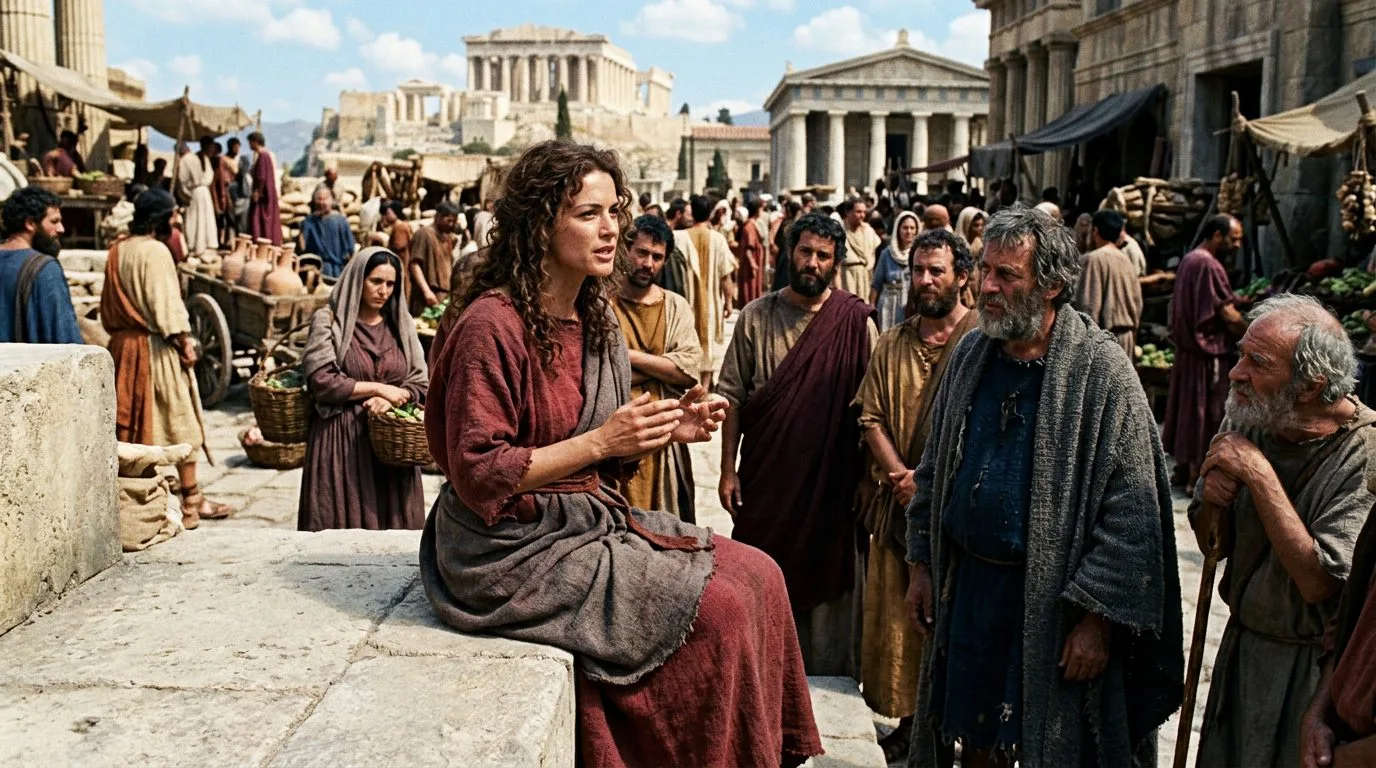
Hipparchia the Cynic
Hipparchia shocked Athens around 325 BCE by marrying the Cynic philosopher Crates and adopting his radical lifestyle of voluntary poverty and public teaching. Born into a wealthy Thracian family, she rejected multiple aristocratic suitors to marry Crates, who owned nothing but a cloak and walking stick. She attended symposia reserved for men, debated philosophy in the agora, and reportedly lived on the streets of Athens with her husband. When the philosopher Theodorus the Atheist tried to humiliate her in a public debate, she defeated him with logical arguments so sharp that he attempted to physically remove her cloak—she remained unmoved. She wrote three books of philosophy and numerous letters, establishing herself as antiquity’s most prominent female Cynic.
Source: britannica.com
9. Telesilla of Argos – Poet Who Defended Her City
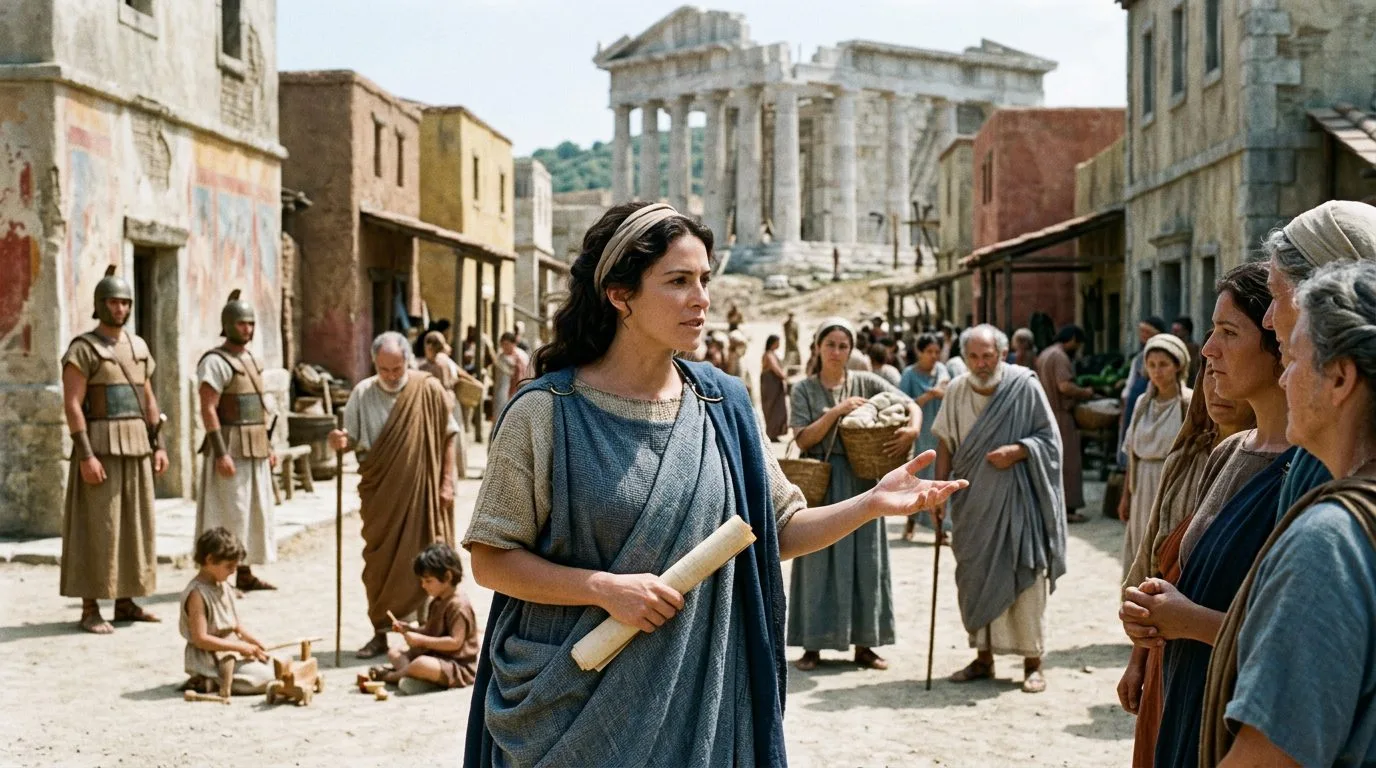
Telesilla of Argos – Poet Who Defended Her City
Telesilla organized Argos‘ defense in 494 BCE after Sparta’s King Cleomenes killed 6,000 Argive soldiers in a single battle, leaving the city defenseless. When Cleomenes advanced on the unguarded city, she armed every woman, slave, and elderly man capable of holding a weapon. She personally led the defense from the city walls, and her improvised army fought so fiercely that Cleomenes retreated rather than face the humiliation of conquering women or the shame of losing to them. Argos erected statues to commemorate the battle, and women wore men’s clothing while men wore women’s robes during the annual festival celebrating her victory. Already famous as a lyric poet before the battle, she composed hymns to Apollo and Artemis that were sung throughout Greece for 300 years.
Source: britannica.com
10. Pythias – Aristotle’s Wife and Fellow Researcher
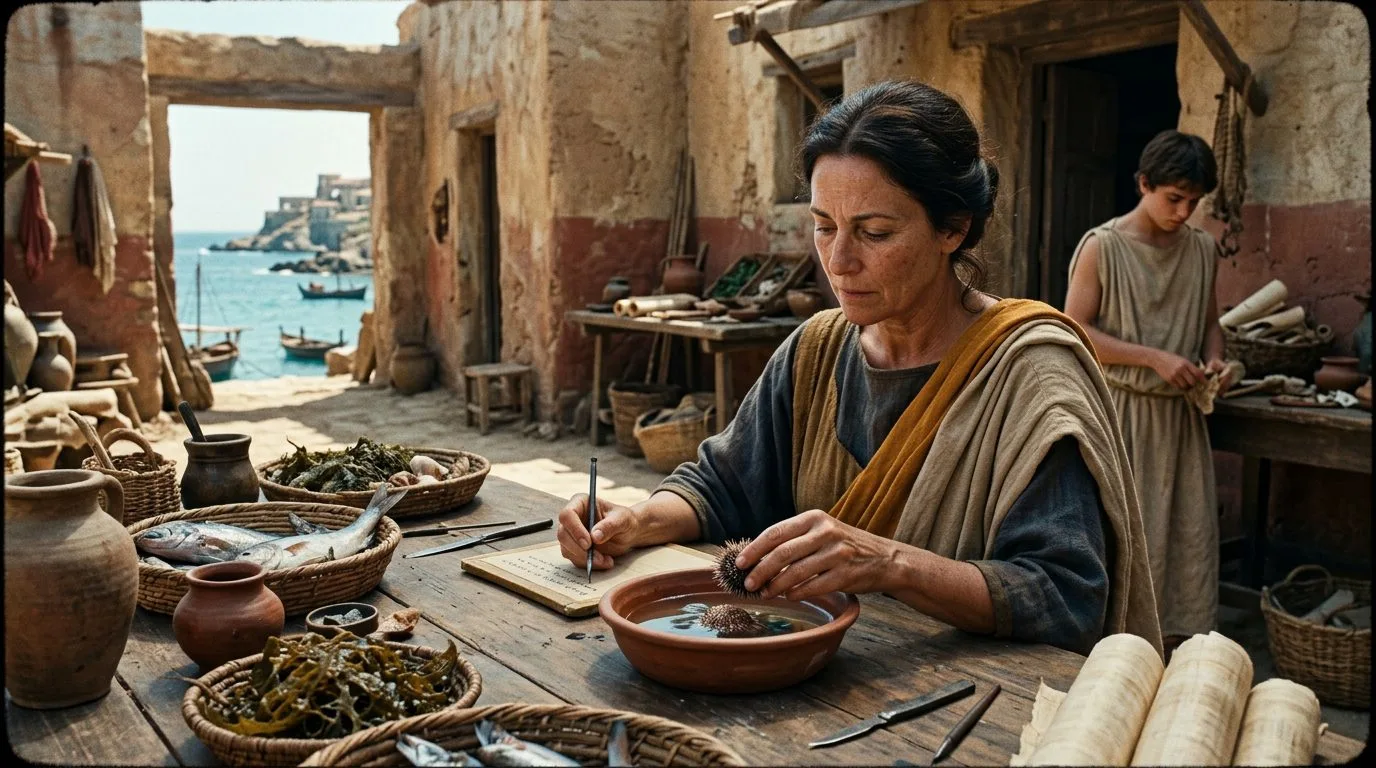
Pythias – Aristotle’s Wife and Fellow Researcher
Pythias married Aristotle around 347 BCE and collaborated on his biological research for nearly 15 years, particularly his groundbreaking studies of marine life. She was the niece and adopted daughter of Hermias of Atarneus, giving Aristotle political connections that proved crucial during his years at the Lyceum. Ancient sources indicate she assisted in dissecting over 500 animal species and contributed observations to his Historia Animalium, the foundational text of Western biology. She bore Aristotle a daughter also named Pythias, who later wrote philosophical works of her own. When she died around 332 BCE, Aristotle requested to be buried beside her—an unusual honor that he specified in his will, emphasizing their intellectual partnership above his later relationship with Herpyllis.
Source: britannica.com
Did You Know?
Did You Know? Spartan women could own property and ran their households while men lived in military barracks—making them the wealthiest women in all of Greece. Meanwhile, Athens, the birthplace of democracy, denied women citizenship entirely. The irony cuts deeper: Aspasia, a foreign-born woman, influenced Athenian politics more than any native-born Athenian woman legally could. These radiant women didn’t just shape ancient Greece—they revealed its contradictions and expanded what was possible despite them.