
The Middle Ages weren’t just about knights and kings. Behind castle walls and monastery doors, remarkable women were ruling empires, penning revolutionary texts, composing music, and shaping European civilization in ways that still resonate today.
1. Eleanor of Aquitaine – The Queen Who Ruled Two Kingdoms
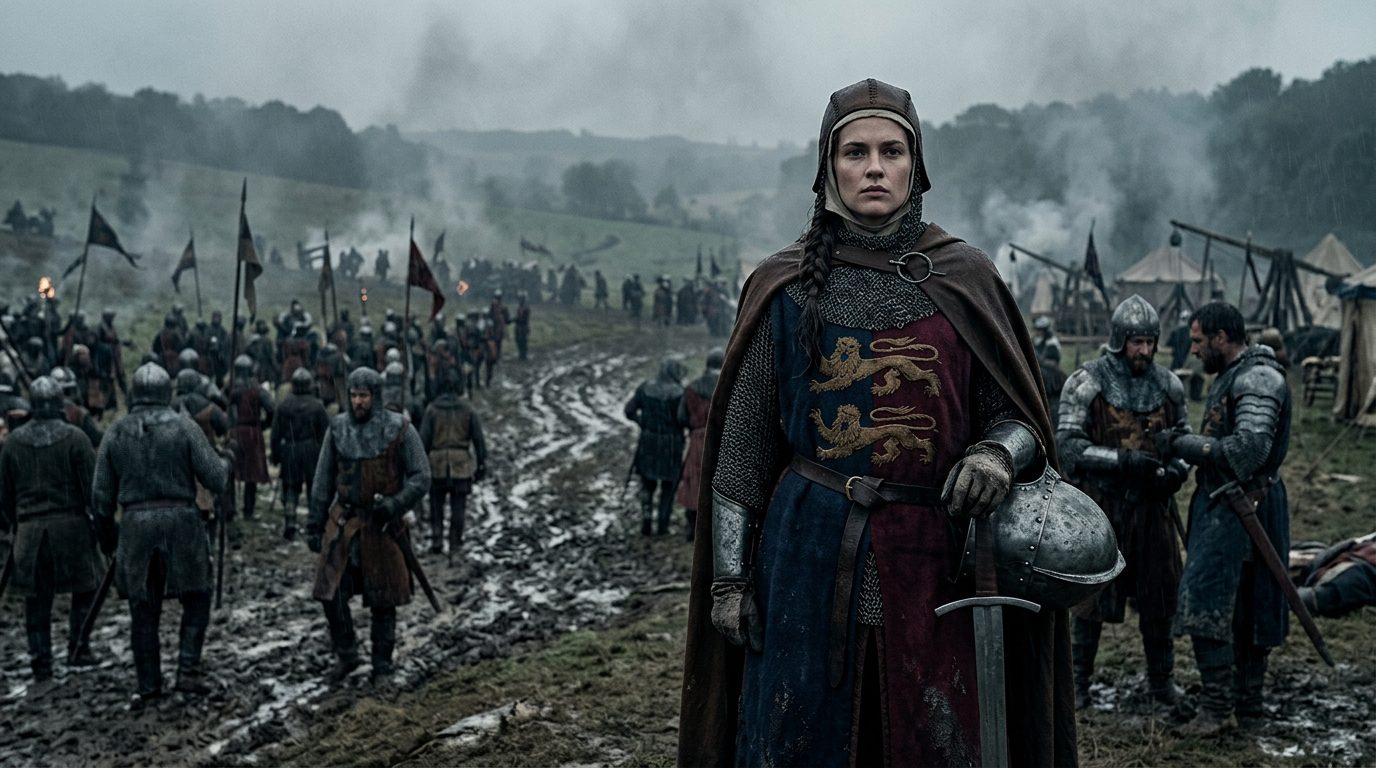
Eleanor of Aquitaine
Eleanor of Aquitaine became Duchess of Aquitaine at age 15 in 1137, inheriting lands larger than those held by the King of France himself. She married two kings, led her own army on the Second Crusade in 1147, and lived to the remarkable age of 82—outliving all but two of her ten children. When her second husband, Henry II of England, imprisoned her for supporting their sons’ rebellion, she spent 16 years in captivity yet emerged to rule England as regent during Richard the Lionheart‘s absence. Her Aquitaine territories stretched from the Loire Valley to the Pyrenees, making her one of medieval Europe’s wealthiest and most powerful rulers.
Source: britannica.com
2. Hildegard of Bingen – The Visionary Who Defied Popes and Emperors
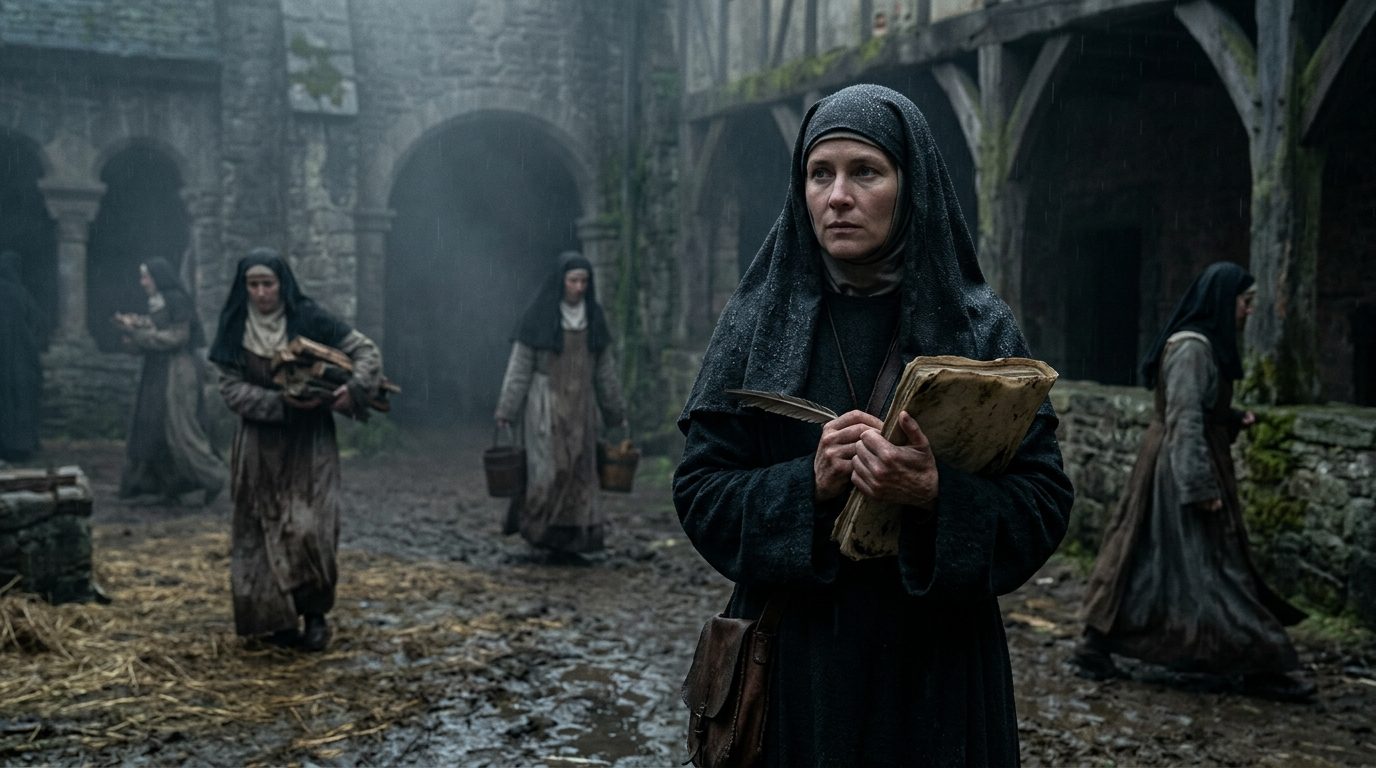
Hildegard of Bingen
Hildegard of Bingen began experiencing divine visions at age three in 1101, yet waited until age 42 to write them down at the command of Pope Eugene III. She composed 77 sacred musical works—more than any other medieval composer whose work survived—and wrote medical texts describing 213 plants and 55 trees with their healing properties. When the Archbishop of Mainz placed her monastery under interdict in 1178, the 80-year-old Hildegard defied him, continuing to celebrate Mass and winning the dispute six months before her death. Her scientific observations about reproduction and the nervous system wouldn’t be rediscovered for centuries.
Source: britannica.com
3. Christine de Pizan – Europe’s First Professional Female Writer
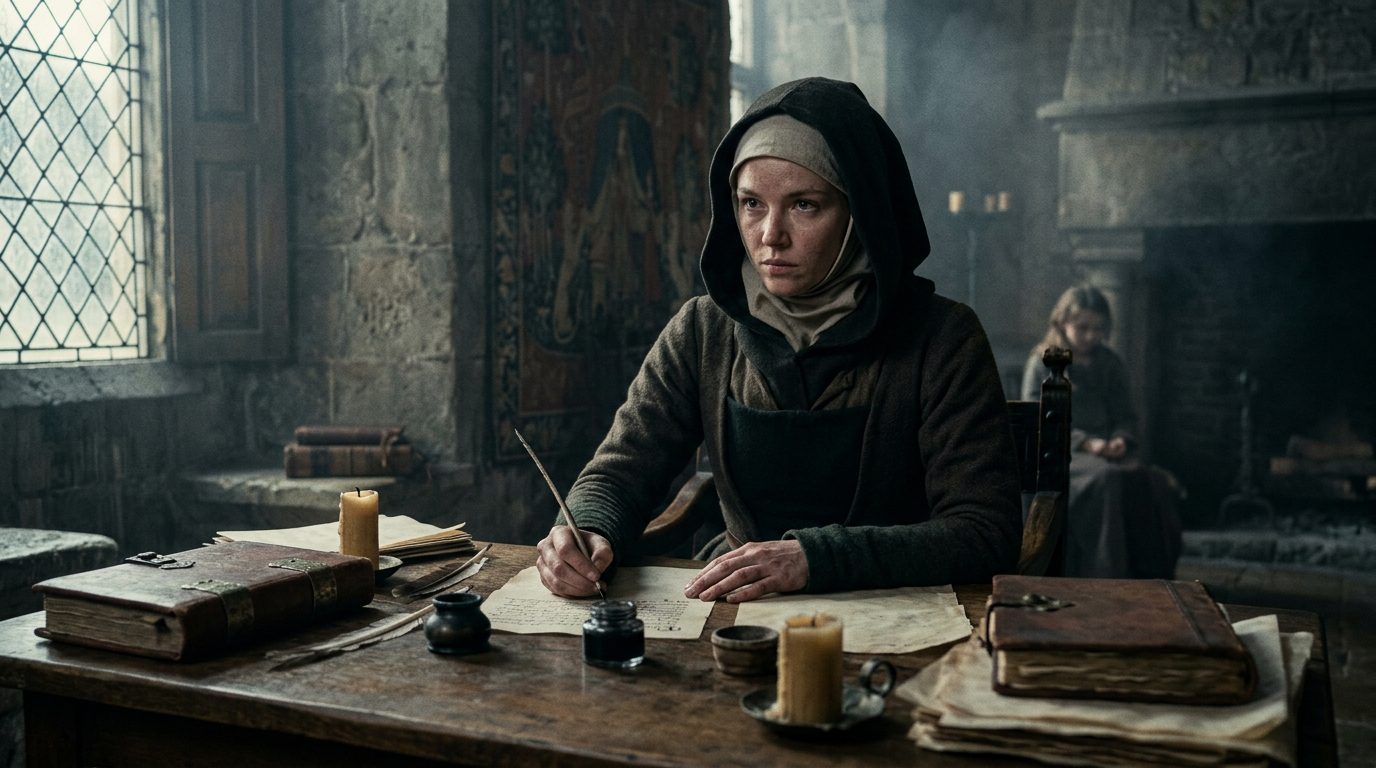
Christine de Pizan
When her husband died in 1389, Christine de Pizan faced poverty at age 25 with three children, a niece, and her mother to support. She became Europe’s first woman to earn a living by writing, producing 41 known works including poetry, military strategy, and political philosophy. Her 1405 masterpiece ‘The Book of the City of Ladies‘ challenged misogynistic writers by cataloguing accomplished women throughout history, creating a metaphorical city where female achievement could flourish. King Charles VI commissioned her to write the official biography of his father, making her the first woman to receive a royal commission for historical writing.
Source: britannica.com
4. Matilda of Tuscany – The Warrior Countess Who Humbled an Emperor
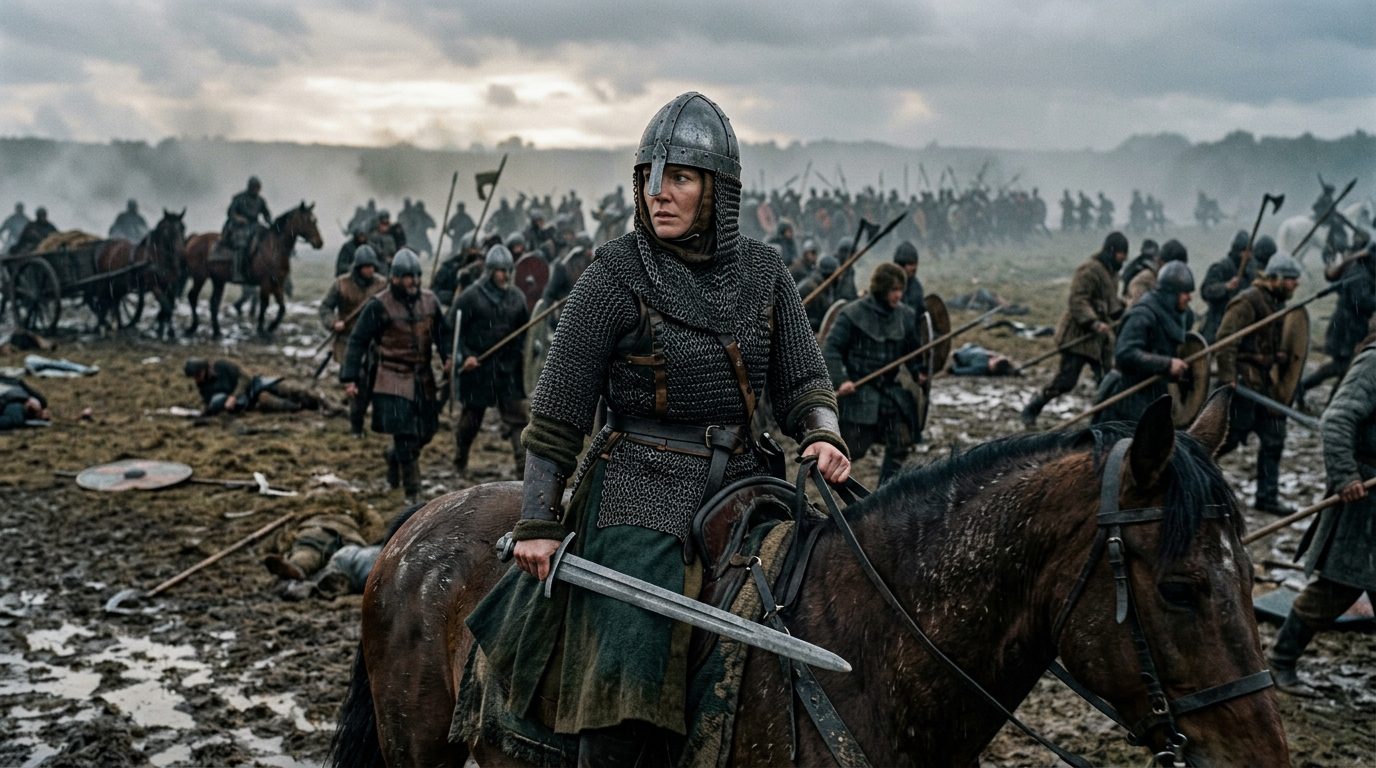
Matilda of Tuscany
Matilda of Tuscany commanded her own army from age 18 in 1064, personally leading troops into battle on horseback in full armor. She controlled a territory spanning central Italy, ruling over 120,000 square kilometers at the height of her power. At her castle of Canossa in January 1077, Holy Roman Emperor Henry IV stood barefoot in the snow for three days begging Pope Gregory VII for forgiveness—an event Matilda orchestrated that shifted the balance of medieval power. She donated all her lands to the Papacy upon her death in 1115, a gift that sparked 200 years of conflict and fundamentally shaped Italian politics.
Source: britannica.com
5. Empress Theodora – From Actress to Architect of Byzantine Law
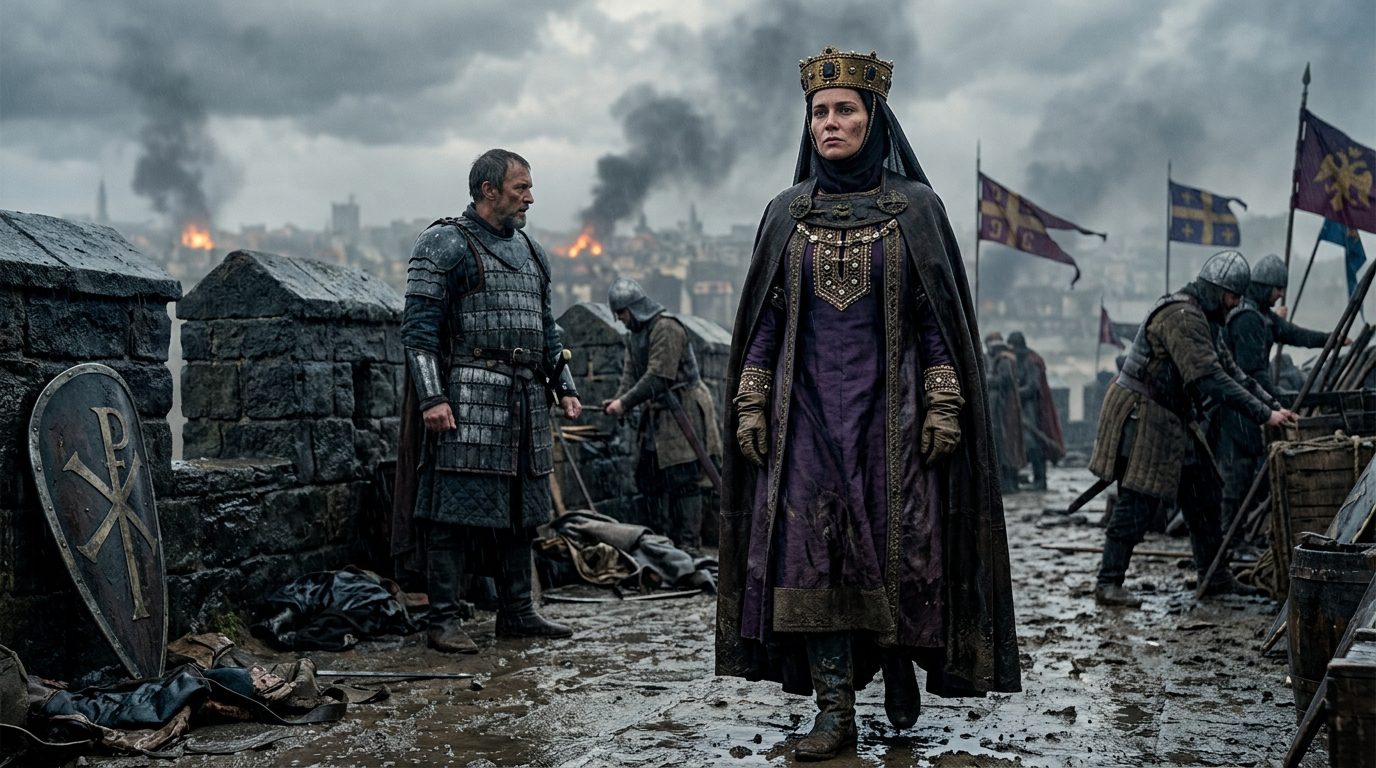
Empress Theodora
Theodora rose from working as an actress—considered disreputable in sixth-century Constantinople—to become co-ruler of the Byzantine Empire beside Justinian I in 527 CE. When the Nika Riots threatened to topple the government in 532 CE, her refusal to flee saved Justinian’s throne, reportedly declaring she would rather die an empress than live a refugee. She championed laws expanding women’s property rights, outlawing forced prostitution, and allowing women to divorce abusive husbands—revolutionary reforms encoded in the Justinian Code that influenced European law for a millennium. The Hagia Sophia contains mosaics showing her wearing imperial purple, equal in status to the emperor himself.
Source: britannica.com
6. Héloïse d’Argenteuil – The Scholar Who Challenged Religious Authority
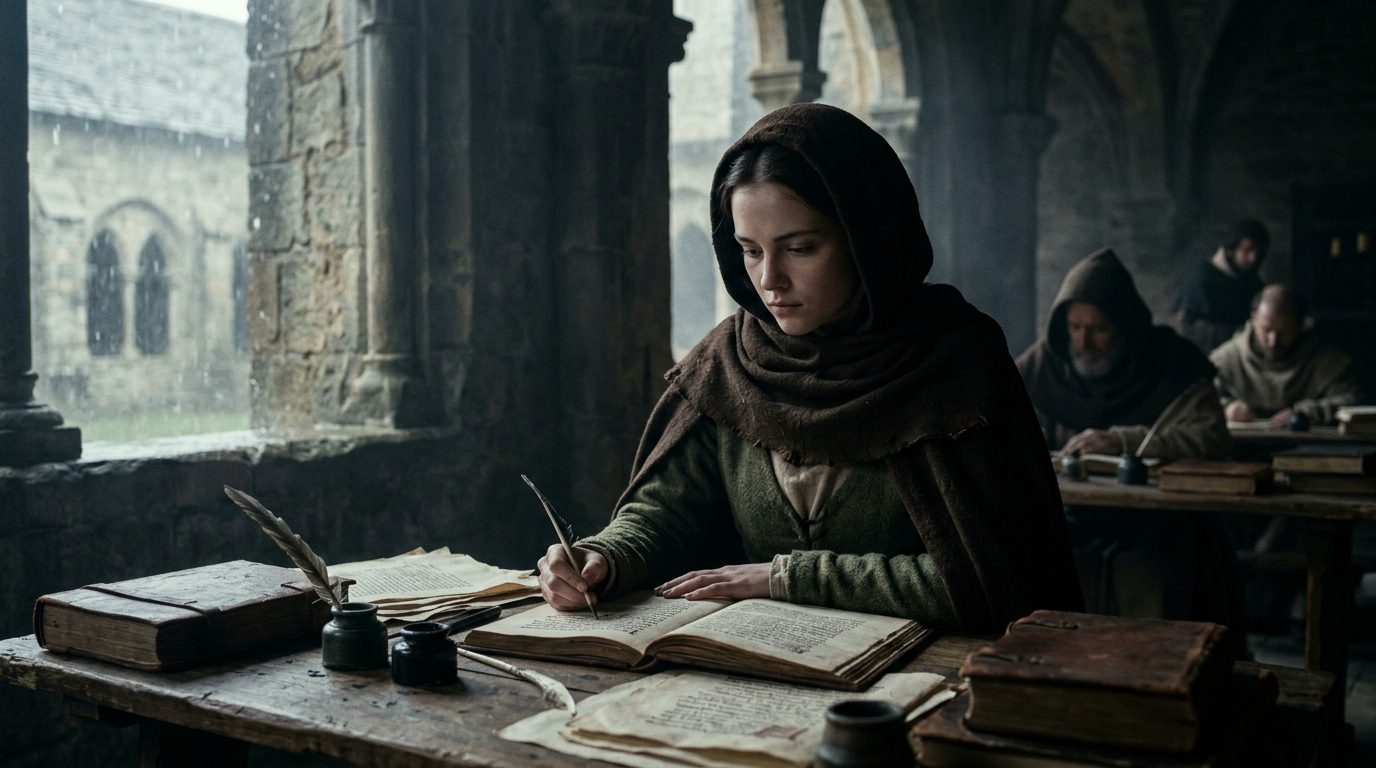
Héloïse d’Argenteuil
Héloïse mastered Latin, Greek, and Hebrew by age 17 in 1118, making her one of medieval Europe’s most educated women when she began studying under philosopher Peter Abelard. Their love affair scandalized Paris; her uncle arranged Abelard’s castration, yet Héloïse continued defending their relationship in letters that survive as masterpieces of medieval literature. As abbess of the Paraclete convent after 1129, she managed six daughter houses and corresponded with Bernard of Clairvaux on theological matters as an intellectual equal. Her letters reveal a woman who questioned forced religious vows and argued that intention mattered more than outward conformity—radical ideas for twelfth-century Christianity.
Source: britannica.com
7. Margery Kempe – The Mystic Who Wrote England’s First Autobiography
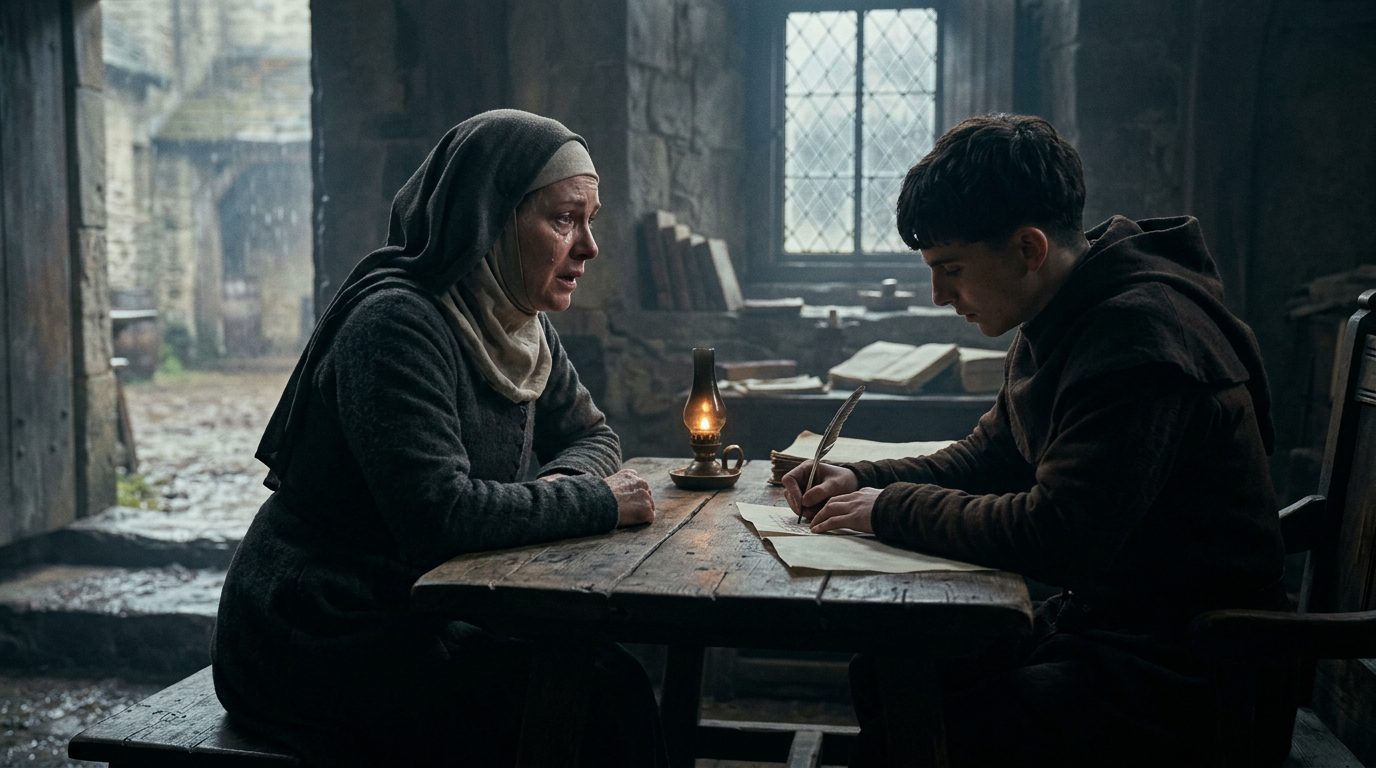
Margery Kempe
Margery Kempe gave birth to 14 children before experiencing mystical visions in 1413 that transformed her into one of medieval England’s most controversial religious figures. Unable to write herself, she dictated ‘The Book of Margery Kempe‘ around 1436—the first autobiography in English and one of the earliest in any European language. She traveled 1,500 miles on pilgrimage to Jerusalem, Rome, and Santiago de Compostela, weeping so loudly during religious services that she was arrested multiple times for disturbing the peace. Church authorities examined her for heresy on at least seven occasions, yet she defended herself successfully each time, creating a remarkable record of a working-class woman’s spiritual authority.
Source: britannica.com
8. Isabella of Castile – The Queen Who Redrew the World Map
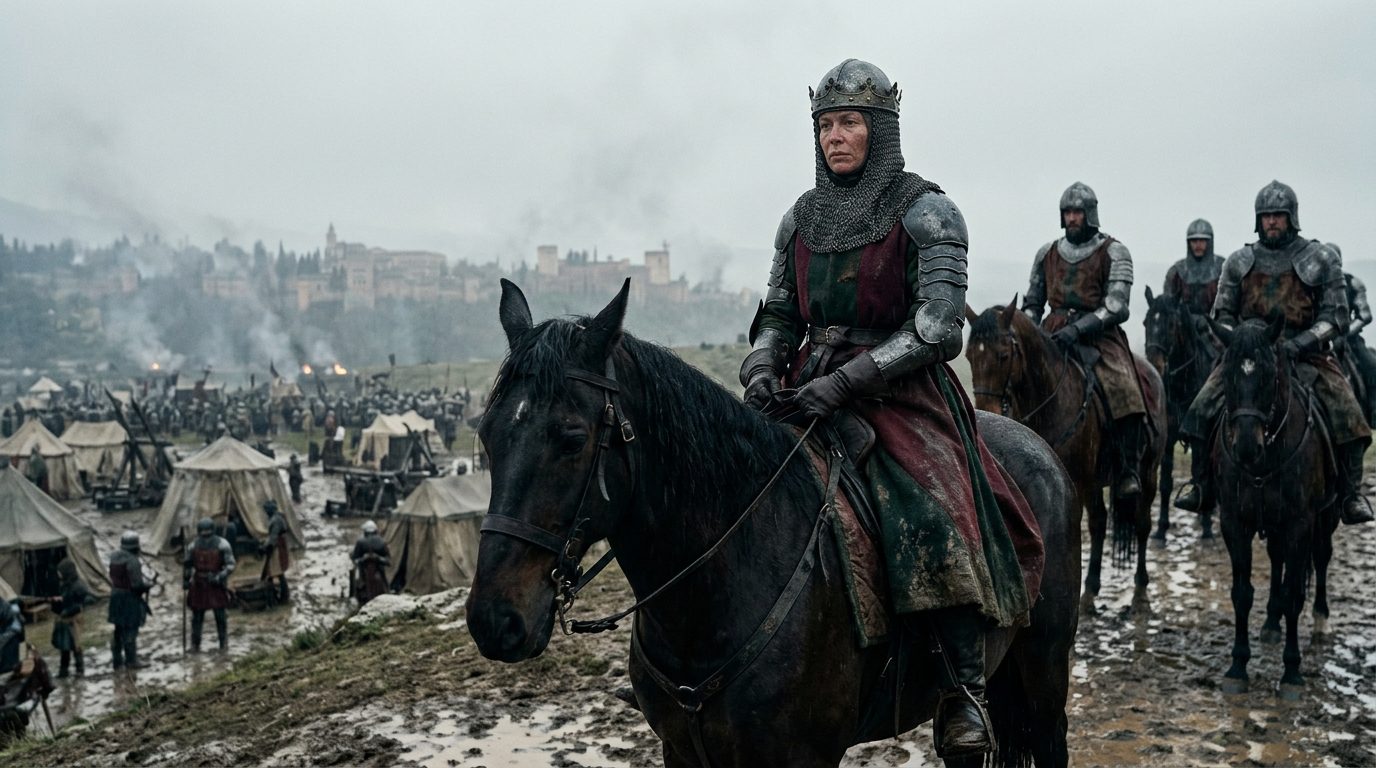
Isabella of Castile
Isabella became Queen of Castile in 1474 after a civil war, ruling a fractured kingdom of 4.3 million people. She commanded armies during the Granada War of 1482-1492, personally visiting the siege camps and financing the 10-year campaign that ended 781 years of Islamic rule in Iberia. Her decision to fund Christopher Columbus‘s 1492 voyage with 2 million maravedis initiated European colonization of the Americas. She established the Spanish Inquisition in 1478, a decision with devastating consequences, yet also founded universities, reformed Spain’s financial system, and created a unified legal code that transformed medieval Castile into a European superpower.
Source: britannica.com
9. Marie de France – The Mysterious Poet Who Revolutionized Literature
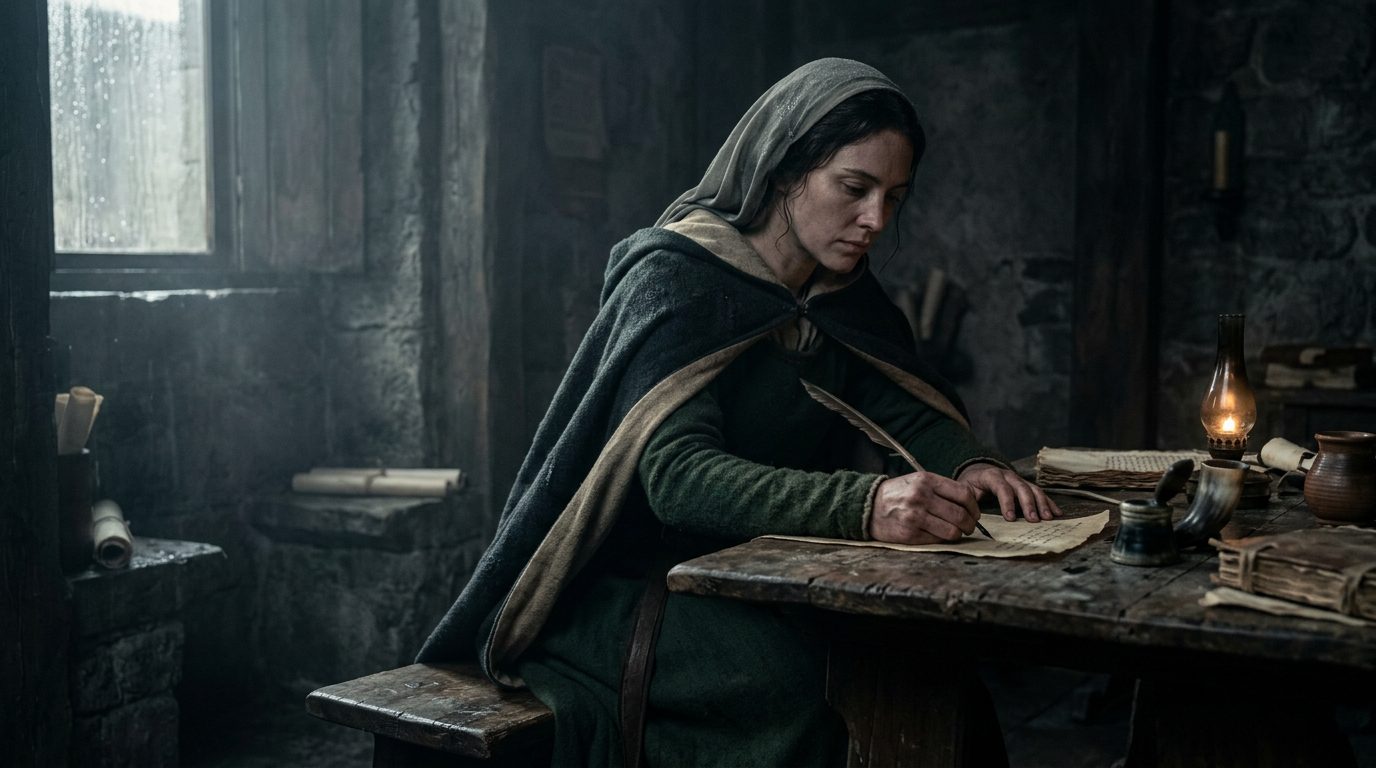
Marie de France
Marie de France wrote 12 narrative poems called ‘Lais‘ around 1170, becoming the first woman poet whose name survived from medieval France. Her works introduced Breton folklore to aristocratic audiences, transforming oral Celtic legends into sophisticated French verse that influenced Chaucer and later writers. She signed her work boldly—’Marie ai nun, si sui de France’—yet her true identity remains unknown, with theories ranging from royal abbess to noble daughter. Her ‘Fables’ collection of 103 poems, translated from English into French, predated La Fontaine’s famous versions by 500 years and demonstrated that women could master multiple literary forms.
Source: britannica.com
10. Trotula of Salerno – The Physician Whose Work Was Stolen for Centuries
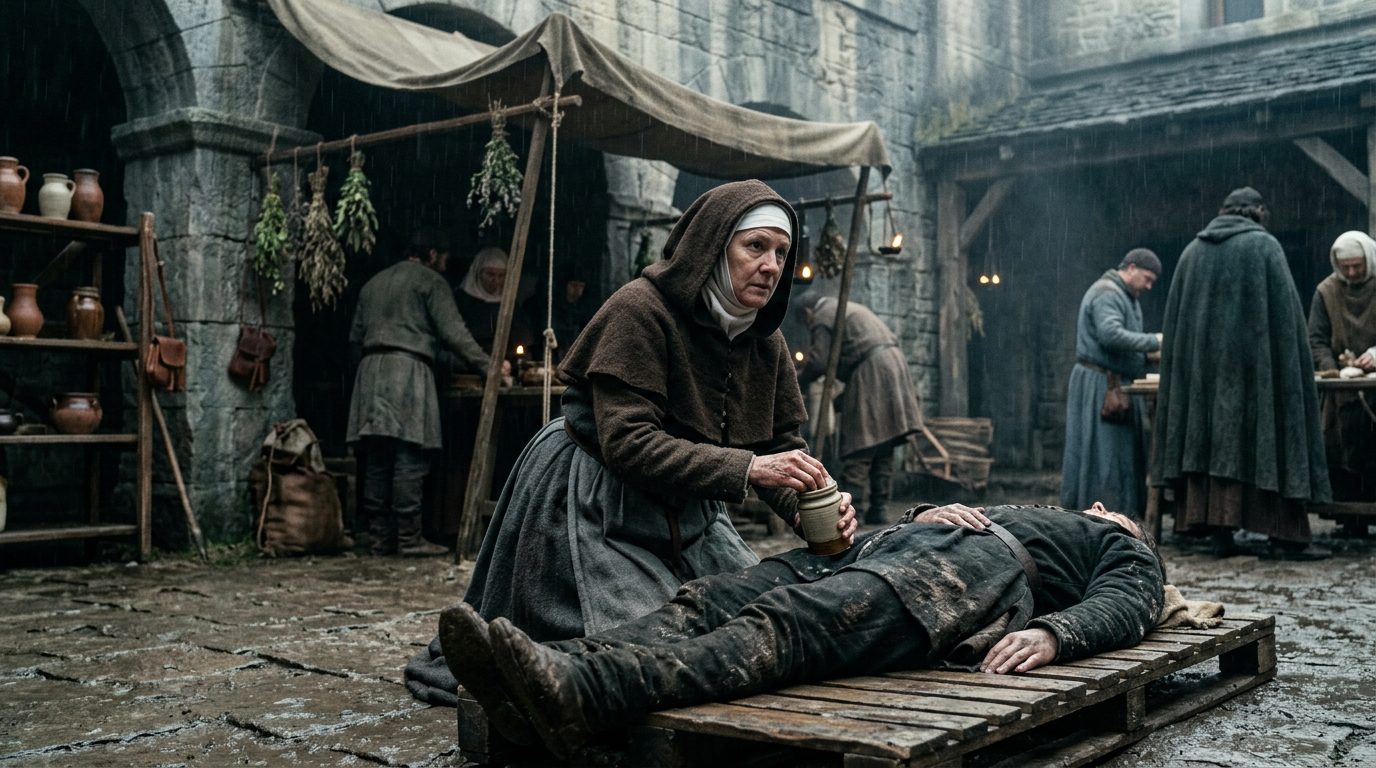
Trotula of Salerno
Trotula practiced medicine at the Salerno Medical School around 1050 CE, writing revolutionary texts on women’s health that remained standard references for 600 years. Her ‘Trotula Major‘ described obstetric techniques including pain relief during childbirth—heretical at a time when Church doctrine held that women should suffer for Eve’s sin. She documented 60 gynecological conditions and treatments, advocating for women’s medical education at a time when most universities banned female students. Male physicians later claimed authorship of her work, changing ‘Trotula’ to ‘Trottus’ to credit a fictional male doctor, yet modern manuscript analysis confirmed a woman wrote these groundbreaking medical texts that saved countless lives.
Source: britannica.com
Did You Know?
Trotula’s medical texts were so advanced that male scholars refused to believe a woman wrote them, literally changing her name in manuscripts to claim male authorship. Christine de Pizan supported her family through writing 300 years before any other European woman could claim that profession. Most striking: Empress Theodora’s legal reforms protecting women in the sixth century wouldn’t be matched in some European countries until the twentieth century—a 1,400-year gap that reframes how we view ‘progress’ through history.