
Some cities don’t slowly fade—they vanish entirely, swallowed by catastrophe or reclaimed by nature. For centuries, they existed only in myth until archaeologists’ spades struck stone and rewrote human history.
1. Pompeii: The City Frozen in Ash
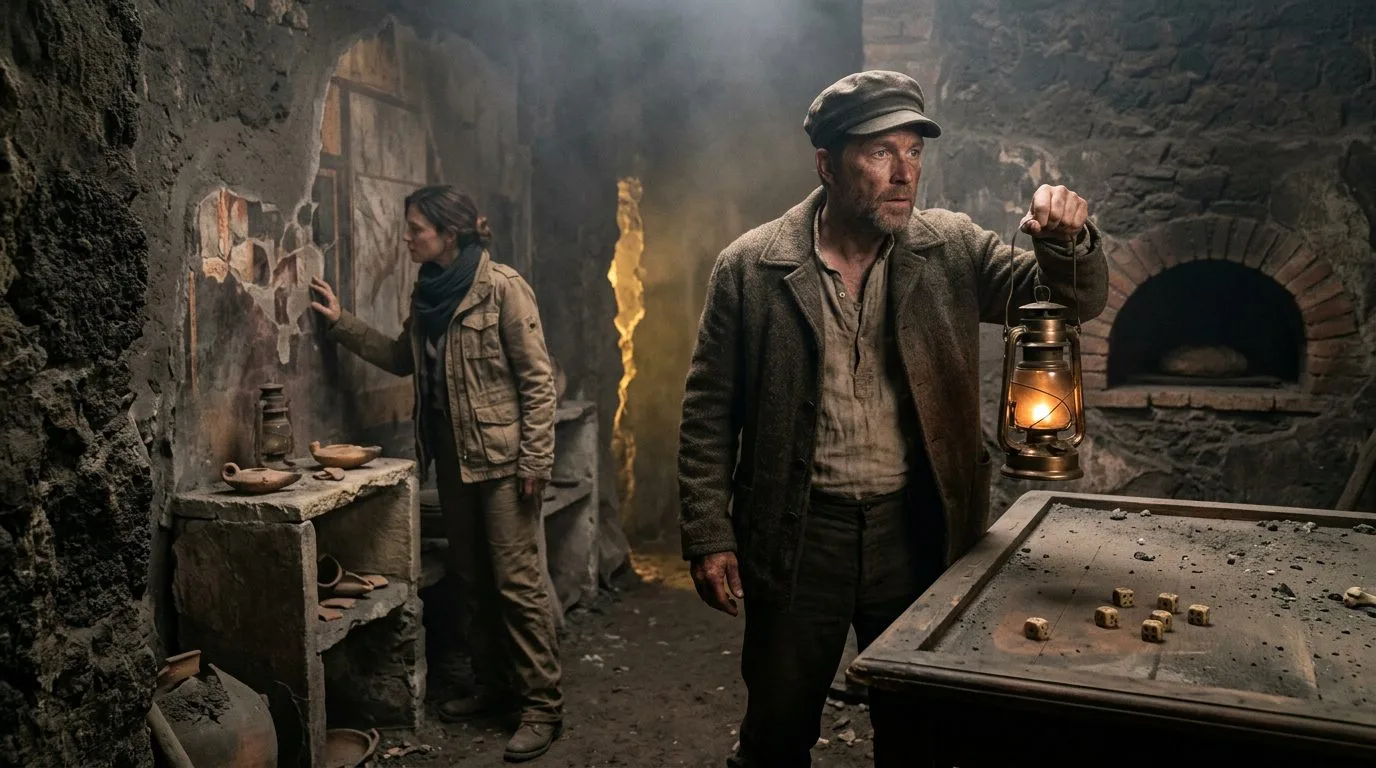
Pompeii: The City Frozen in Ash
When Mount Vesuvius erupted on August 24, 79 CE, superheated pyroclastic flows killed Pompeii’s residents so quickly that bread remained in ovens and dice on gaming tables. The city disappeared under 20 feet of volcanic debris, forgotten until the early 18th century when a farmer’s well shaft broke through into a villa. Giuseppe Fiorelli revolutionized archaeology in the mid-18th century by pouring plaster into body-shaped voids in the ash, creating haunting casts of victims’ final moments. Over 1,150 bodies have been discovered, many still wearing jewelry and clutching children. The city’s preserved brothels, graffiti, and thermopolia (fast-food counters) reveal daily Roman life with unprecedented intimacy, making Pompeii a time capsule unmatched in the ancient world.
Source: britannica.com
2. Machu Picchu: The Lost Citadel Above the Clouds
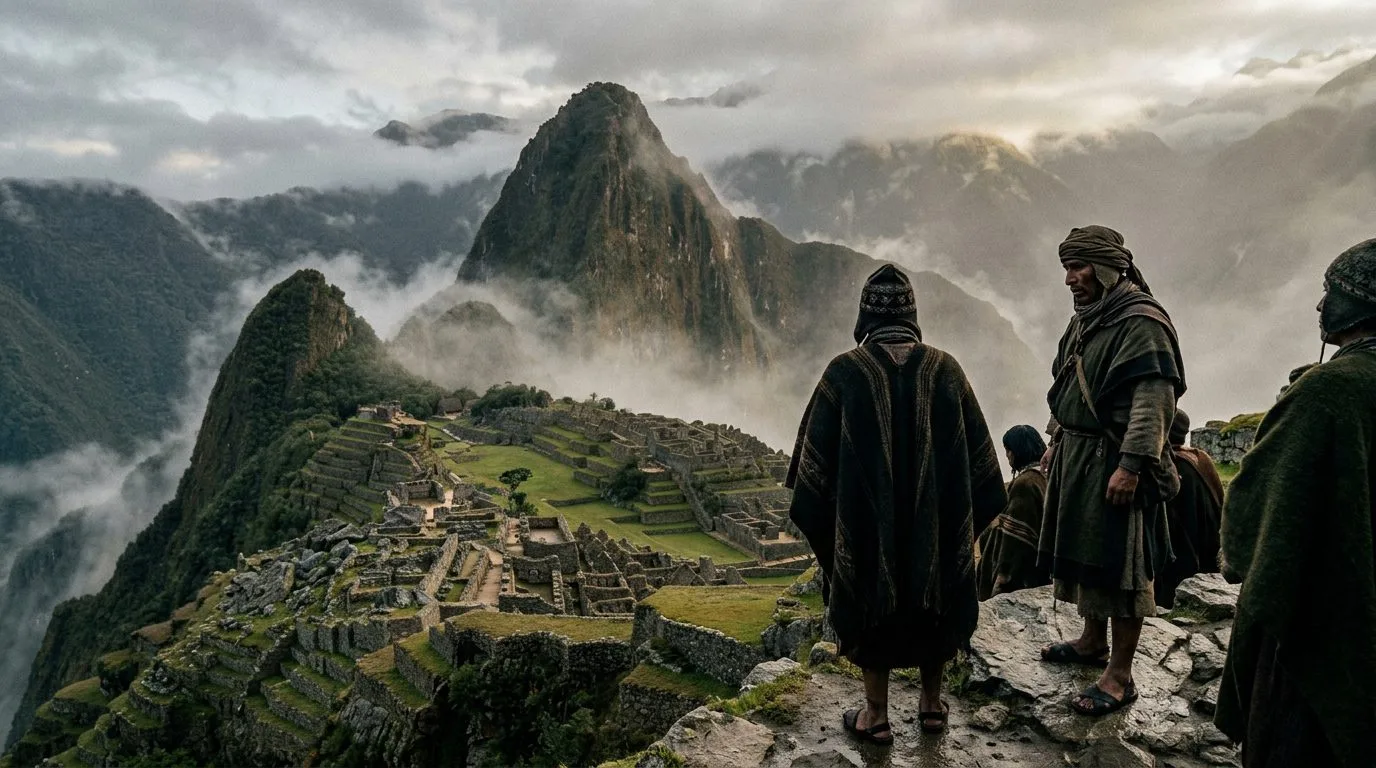
Machu Picchu: The Lost Citadel Above the Clouds
Hidden 8,000 feet above Peru’s Urubamba Valley, Machu Picchu remained unknown to Spanish conquistadors despite their systematic destruction of Incan sites. Local Quechua farmers knew of the ruins, but American historian Hiram Bingham brought it to global attention in the early 20th century after an 11-year-old boy led him up the mountain. Built around 1450 CE under Emperor Pachacuti, the city’s 200 structures used mortarless stonework so precise that a knife blade cannot fit between blocks. The site’s purpose remains debated—royal estate, sacred religious center, or astronomical observatory. What astonished archaeologists was the engineering: agricultural terraces prevented erosion, drainage systems still function after 500 years, and earthquake-resistant foundations have survived countless tremors that would topple modern buildings.
Source: smithsonianmag.com
3. Angkor Wat: When Jungle Consumed an Empire
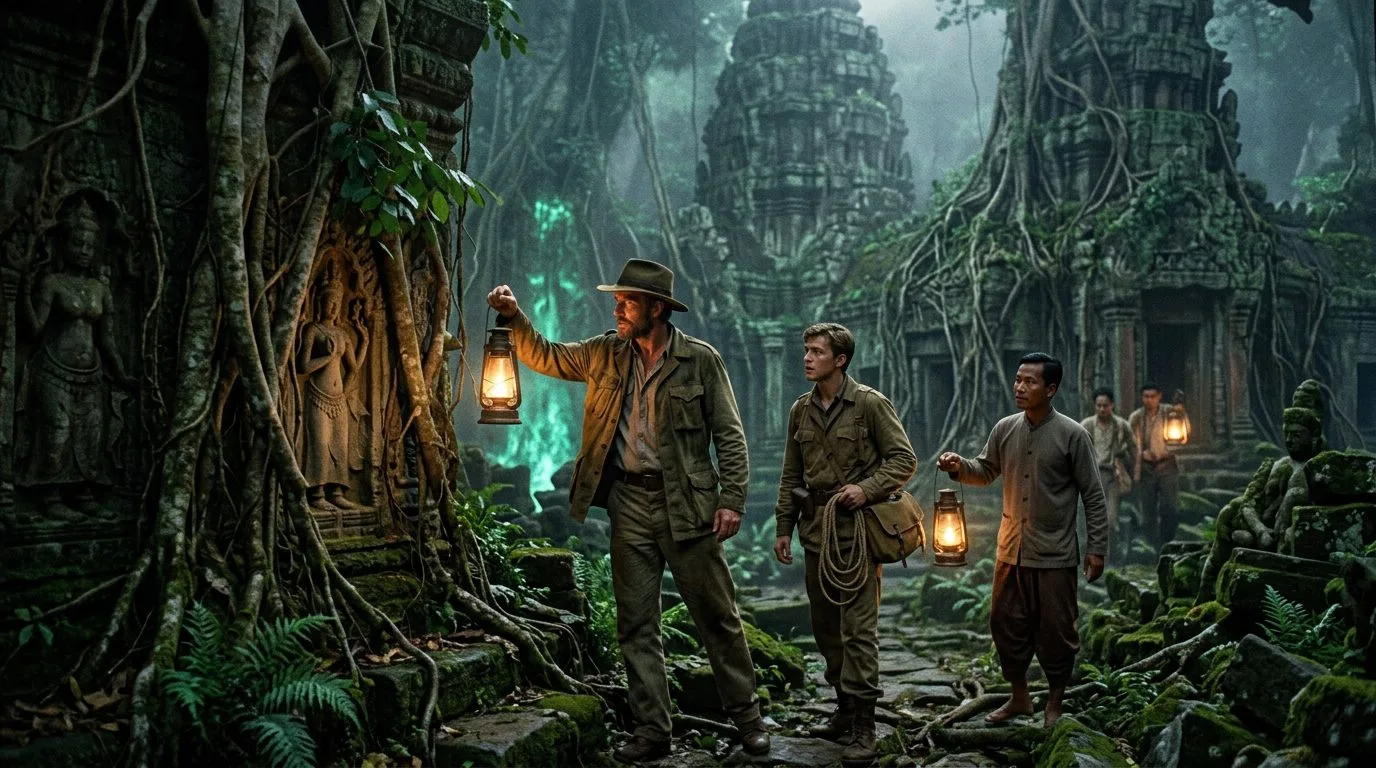
Angkor Wat: When Jungle Consumed an Empire
The world’s largest religious monument disappeared so completely that French explorer Henri Mouhot, arriving in the mid-19th century, believed he’d found an ancient Roman city in Southeast Asia. Angkor Wat was actually built between 1113 and 1150 CE by Khmer King Suryavarman II as a Hindu temple covering 400 acres. After the Khmer Empire collapsed in the 15th century, the jungle reclaimed the complex—strangler figs wrapped around towers, their roots prying apart sandstone blocks weighing up to 8 tons each. The temple city of Angkor once housed 750,000 people across 390 square miles, making it larger than any medieval European city. Modern laser scanning revealed in recent decades that the urban complex was even vaster than imagined, with previously unknown temples and an intricate water management system still buried beneath the forest canopy.
Source: history.com
4. Mohenjo-daro: The Drowned City of the Indus
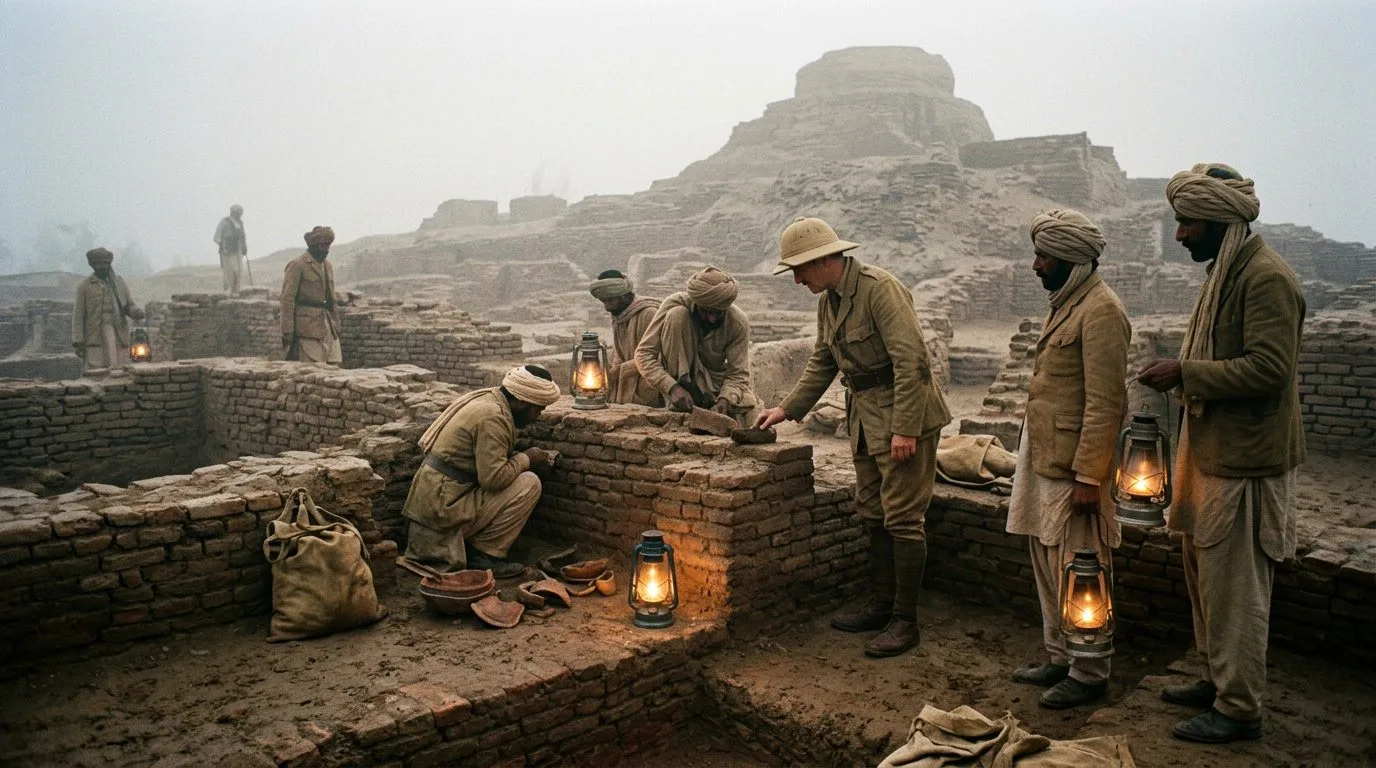
Mohenjo-daro: The Drowned City of the Indus
Buried beneath Pakistani silt for 3,700 years, Mohenjo-daro emerged in the early 20th century when archaeologist R.D. Banerji noticed Buddhist stupa bricks that seemed impossibly ancient. Excavation revealed a Bronze Age metropolis from 2500 BCE with urban planning that wouldn’t be matched in Europe for 3,000 years. The city’s 40,000 residents enjoyed covered sewage systems, standardized fired bricks, and multi-story houses with private wells and bathrooms. The Great Bath, a watertight pool 39 feet long, suggests ritual bathing practices that predate similar Hindu traditions. What baffles scholars is the peaceful nature of the site—no weapons caches, no defensive walls, no evidence of armies or kings. Around 1900 BCE, the city was mysteriously abandoned, leaving behind undeciphered script on over 4,000 seals that still guards the civilization’s secrets.
Source: britannica.com
5. Herculaneum: Better Preserved Than Its Famous Neighbor
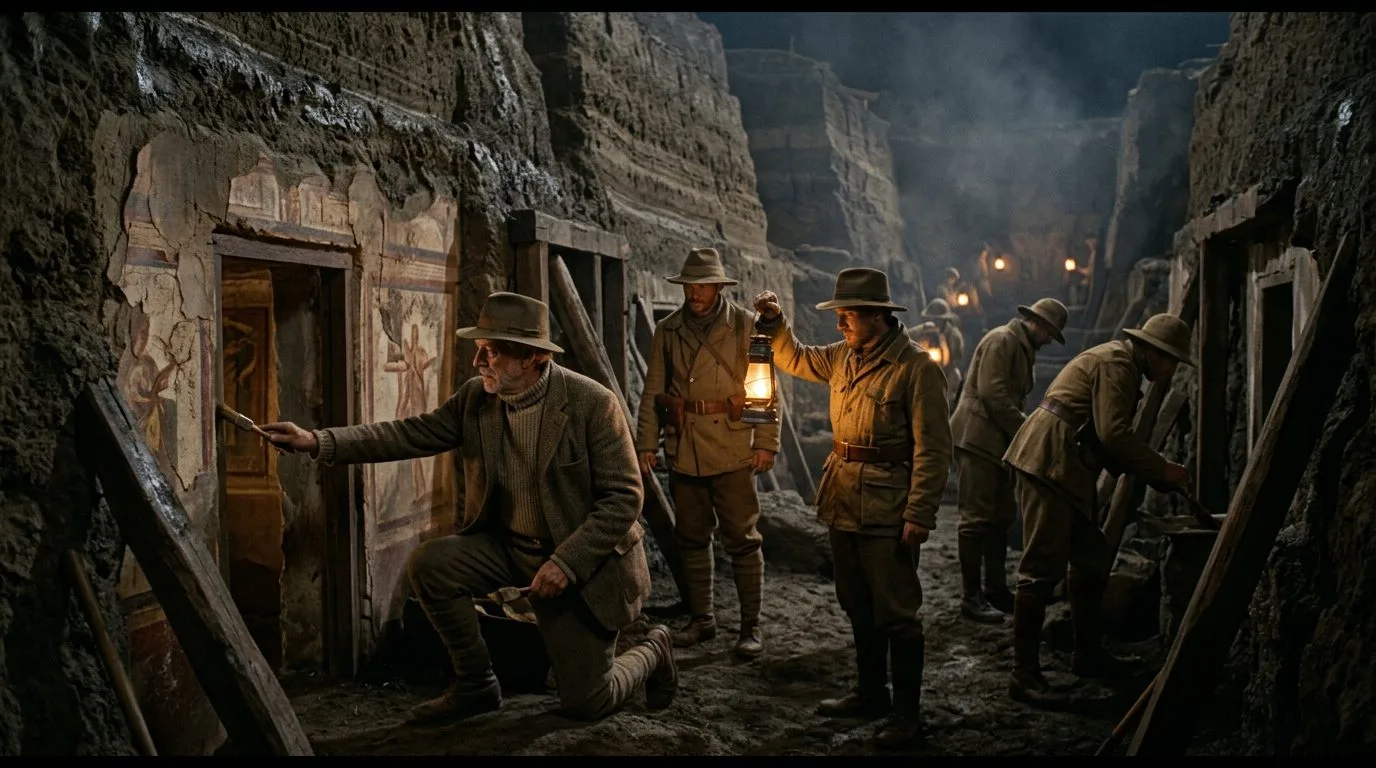
Herculaneum
While Pompeii grabbed headlines, Herculaneum’s fate was far more dramatic—and created better preservation. The same 79 CE eruption buried this wealthy resort town under 75 feet of superheated mud that carbonized organic materials instead of destroying them. Wooden furniture, rope, bread, and even an intact library of 1,800 papyrus scrolls survived, making it archaeology’s greatest archive of Roman daily life. Discovered accidentally in the early 18th century when a well-digger struck marble pavement, the site revealed horrors Pompeii couldn’t: 300 skeletons huddled in boat chambers, their bones instantly vaporized by 900-degree pyroclastic surges. The Villa of the Papyri alone contained bronze and marble sculptures worth millions, inspiring the Getty Villa’s design. Recent excavations of the still-unread scrolls using modern particle accelerators promise to recover lost works of ancient philosophy and literature.
Source: smithsonianmag.com
6. Petra: The Rose-Red City Half as Old as Time
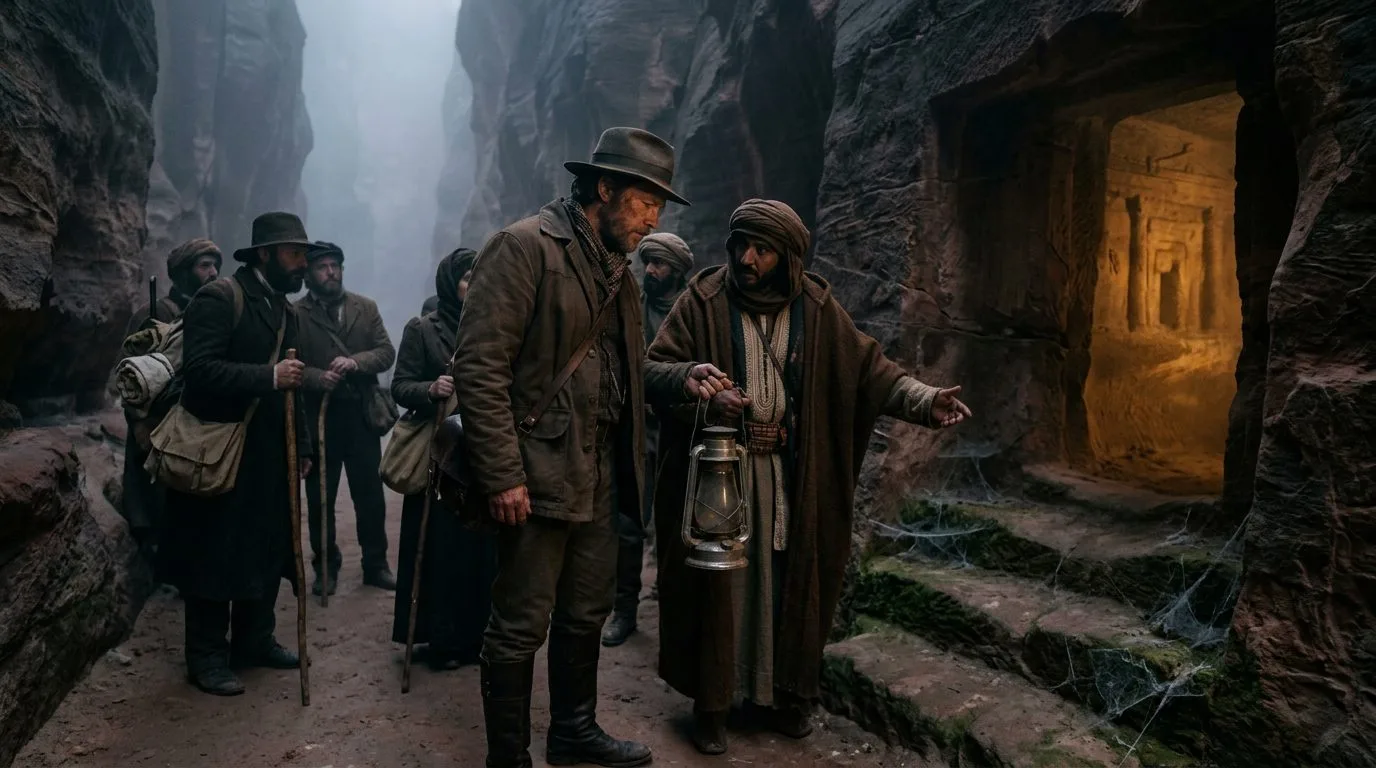
Petra: The Rose-Red City Half as Old as Time
Hidden in Jordan’s sandstone canyons behind the mile-long Siq gorge, Petra vanished from Western knowledge after the 14th century when trade routes shifted. Swiss explorer Johann Ludwig Burckhardt rediscovered it in the early 19th century by disguising himself as an Arab pilgrim—the local Bedouins guarding the site would have killed a European. The Nabataean capital flourished from the 4th century BCE by controlling water in the desert through sophisticated cisterns and pipes carved into cliffs. The Treasury facade, 128 feet tall and carved from solid rock around 100 BCE, was actually a royal tomb, not a treasure house. At its peak in the 1st century CE, Petra housed 20,000 people and controlled trade routes carrying frankincense, myrrh, and spices worth fortunes. Earthquakes in 363 CE and 551 CE devastated the water systems, forcing abandonment of a city that still reveals new tombs and temples beneath the sand.
Source: britannica.com
7. Göbekli Tepe: The Temple That Shattered Prehistory
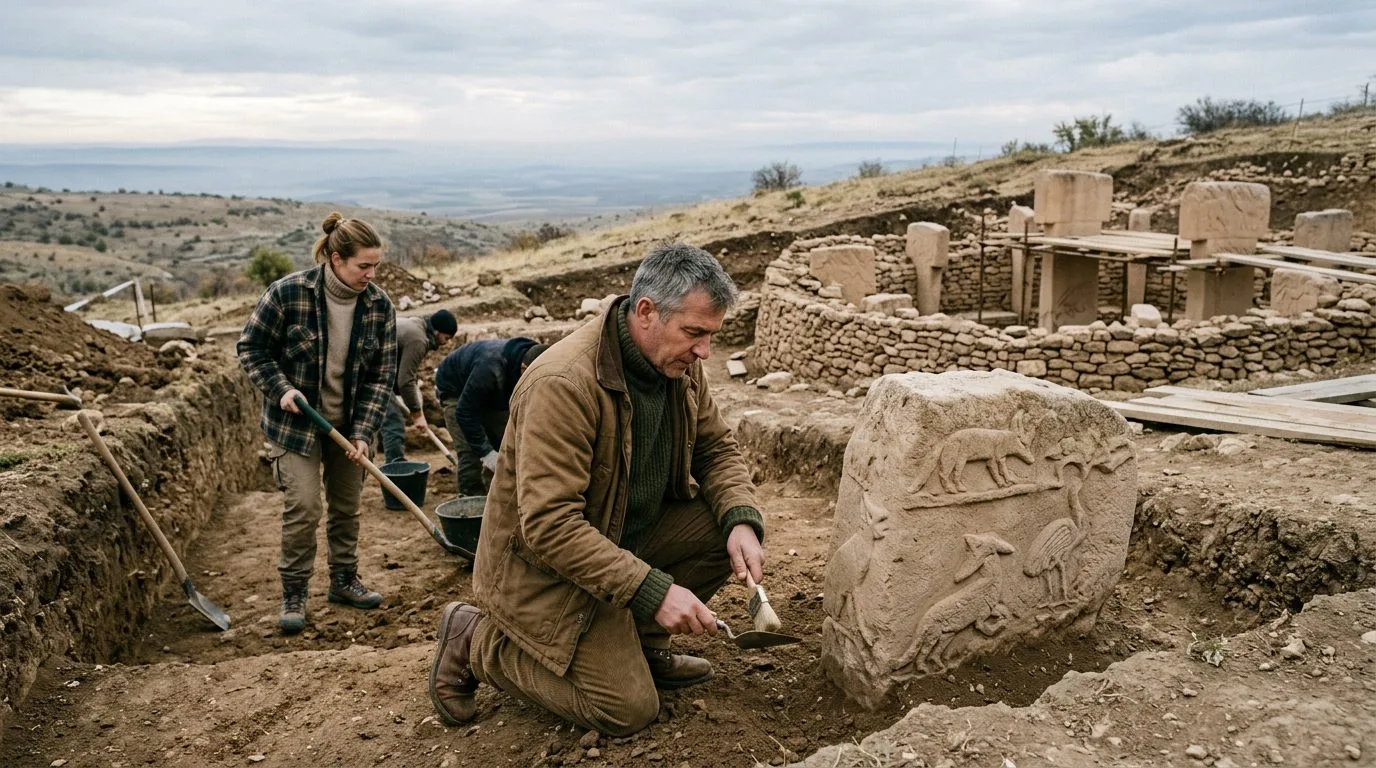
Göbekli Tepe: The Temple That Shattered Prehistory
When German archaeologist Klaus Schmidt began excavating a Turkish hillside in the late 20th century, he found circular stone structures that were impossibly old—built around 9600 BCE, before pottery, writing, or the wheel. Göbekli Tepe‘s 20-ton limestone pillars carved with foxes, scorpions, and vultures predated Stonehenge by 6,000 years and the Egyptian pyramids by 7,000 years. The site shatters the assumption that agriculture came before religion—these hunter-gatherers built monumental temples first, then domesticated crops to feed the construction workers. The complex contains at least 20 circular enclosures buried deliberately around 8000 BCE for reasons unknown. Recent geophysical surveys suggest 90 percent of the site remains unexcavated, potentially hiding older structures that could push back the origins of civilization even further than this already mind-bending date.
Source: smithsonianmag.com
8. Sanxingdui: The Bronze Masks That Challenged China’s Past
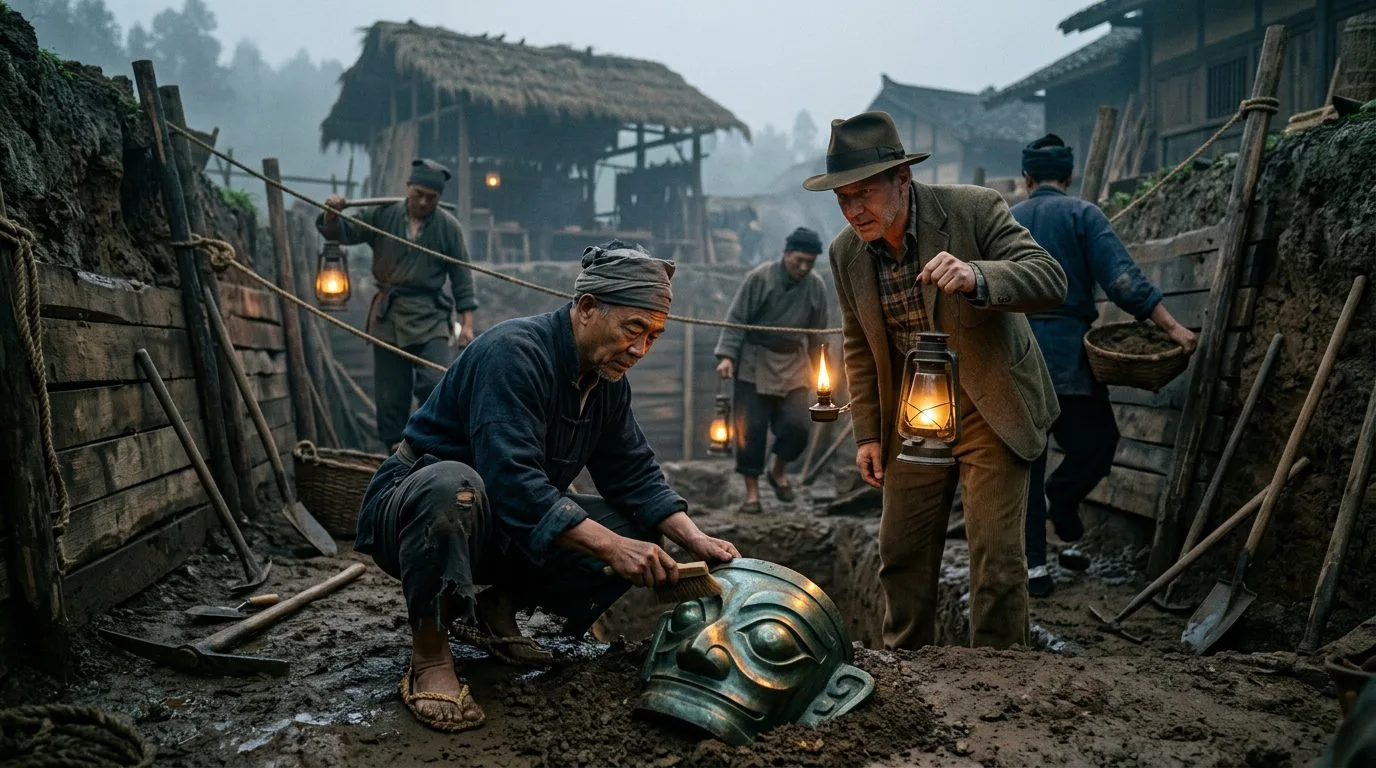
Sanxingdui
A farmer digging an irrigation ditch in Sichuan Province in the early 20th century uncovered jade that led to discoveries challenging everything scholars knew about Chinese civilization. Full excavation beginning in the late 20th century revealed Sanxingdui, a Bronze Age city from 1200 BCE producing artifacts unlike anything in the traditional Chinese canon. Bronze masks over 3 feet wide with protruding eyes and oversized ears, gold scepters, and a 12-foot bronze sacred tree suggest a culture completely independent of the Yellow River civilizations considered China’s sole ancestors. The city covered 5 square miles at its peak, with massive rammed-earth walls protecting workshops producing bronze technology more advanced than contemporary sites. Around 1000 BCE, the inhabitants deliberately smashed and buried thousands of objects in sacrificial pits before abandoning the city, leaving no written records to explain who they were or where they went.
Source: history.com
9. Troy: When Homer’s Epic Became Archaeology
Troy: When Homer’s Epic Became Archaeology
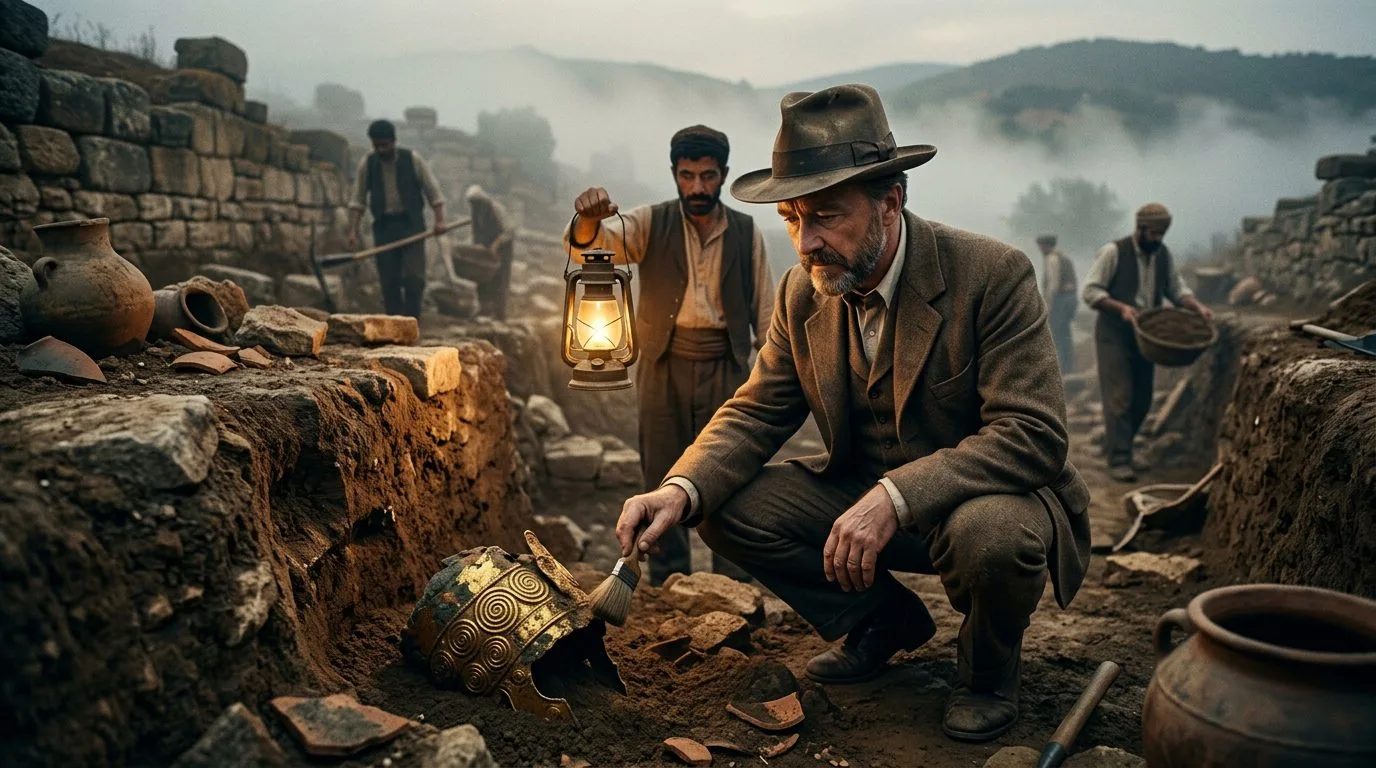
For 2,000 years scholars dismissed Homer’s Iliad as pure fiction until German businessman Heinrich Schliemann began digging at Hisarlik, Turkey in the late 19th century. Obsessed since childhood with finding Troy, Schliemann discovered not one but nine cities stacked atop each other, spanning from 3000 BCE to 500 CE. He controversially blasted through multiple layers with dynamite, destroying evidence in his rush to find Priam’s treasure. The layer identified as Homer’s Troy (Troy VII) shows destruction by fire around 1180 BCE, matching the traditional date of the Trojan War. Schliemann’s most spectacular find—gold diadems, cups, and jewelry he called Priam’s Treasure—actually came from Troy II, 1,000 years too early. The discovery proved that epic poetry could preserve historical truth across millennia, though whether Helen and Achilles actually existed remains unknowable. The site’s excavation pioneered stratigraphic archaeology despite Schliemann’s crude methods.
Source: britannica.com
10. Great Zimbabwe: The Stone City Colonizers Refused to Believe
Great Zimbabwe
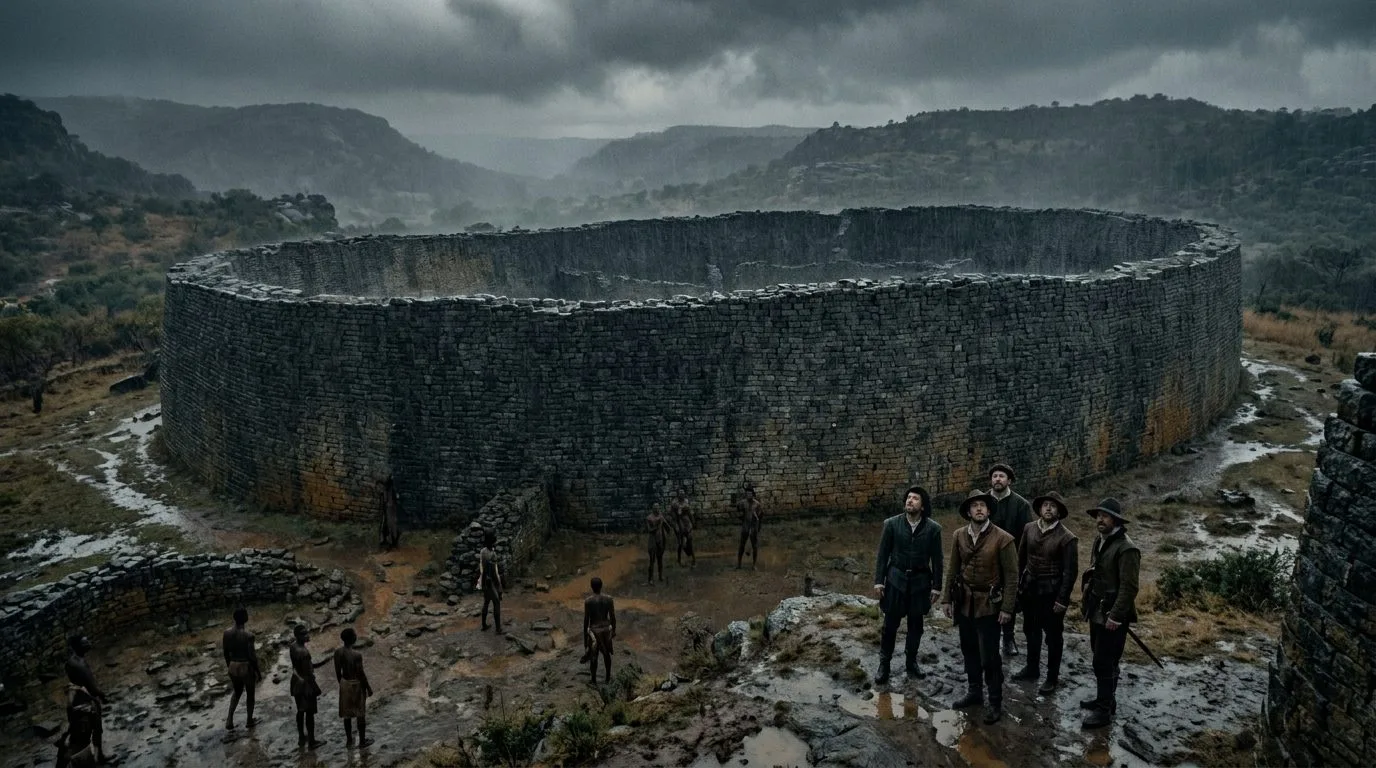
When European explorers encountered 30-foot stone walls and towers in Zimbabwe’s interior in the 16th century, they refused to believe Africans built them. The ruins were attributed to Phoenicians, Ethiopians, or the Queen of Sheba—anyone but the indigenous Shona people. Great Zimbabwe thrived from 1100 to 1450 CE as the capital of a trading empire controlling gold and ivory routes to the Indian Ocean. The mortarless granite walls, some 36 feet tall and 20 feet thick, were constructed from over 900,000 precisely cut blocks using chevron patterns and conical towers that required sophisticated engineering. At its peak around 1300 CE, the city housed 18,000 people and displayed wealth from trading networks reaching China—excavations found Persian pottery and Arab coins. Colonial archaeologists deliberately destroyed evidence of African construction until the late 20th century, making Great Zimbabwe’s rediscovery also a story of overcoming racist pseudoarchaeology that buried truth beneath ideology.
Source: smithsonianmag.com
Did You Know?
The archaeologist who found Troy used dynamite and destroyed priceless evidence in his treasure-hunting frenzy, while colonial scholars at Great Zimbabwe deliberately buried findings proving African architectural genius. Perhaps most ironic: Göbekli Tepe’s builders intentionally buried their own masterpiece 11,000 years ago, ensuring it would outlast civilizations that never bothered to preserve their monuments. These cities didn’t just hide themselves—sometimes we hid them.