
When most people think of samurai, they picture a warrior with a katana. But the samurai arsenal was far more diverse and deadly than Hollywood suggests. From specialized battlefield weapons to ingenious tools of espionage, these 10 weapons reveal how Japan’s warrior class adapted tactics across centuries.
1. Yari: The Spear That Dominated Samurai Battlefields
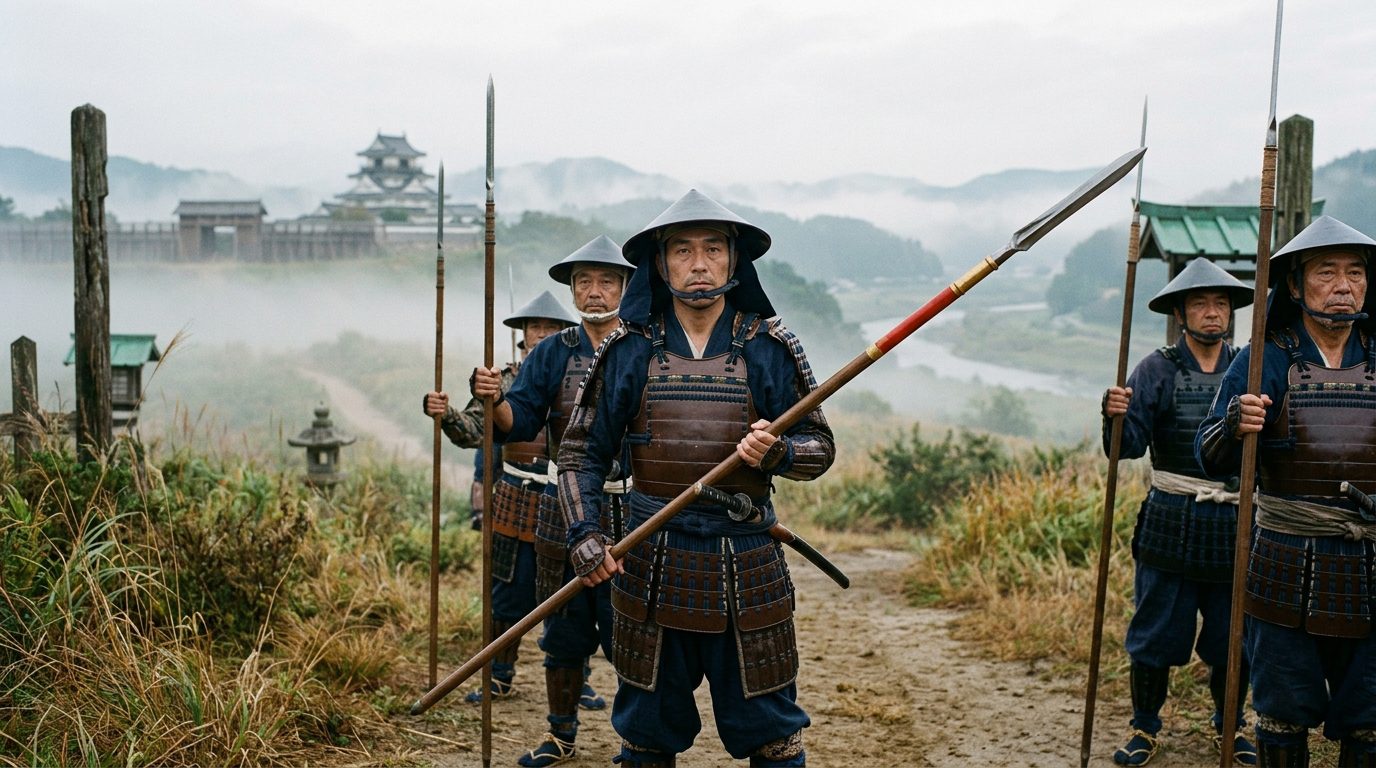
Yari
The yari wasn’t just another spear—it was the primary weapon of samurai warfare from the 14th century onward. During the Battle of Nagashino in 1575, Oda Nobunaga‘s ashigaru foot soldiers wielded 3-meter-long yari to devastating effect against mounted samurai cavalry. The weapon’s straight blade, typically 30 to 50 centimeters long, could pierce armor more effectively than swords. Samurai trained extensively in sojutsu (spear techniques), and historical records show that yari kills outnumbered sword kills by a ratio of roughly 5 to 1 in major battles. The weapon’s reach advantage meant that skilled yari practitioners could engage enemies before swordsmen got close enough to strike. Legendary samurai Honda Tadakatsu famously never suffered a significant wound in over 100 battles, attributing his survival to masterful yari technique.
Source: britannica.com
2. Naginata: The Curved Blade That Redefined Reach
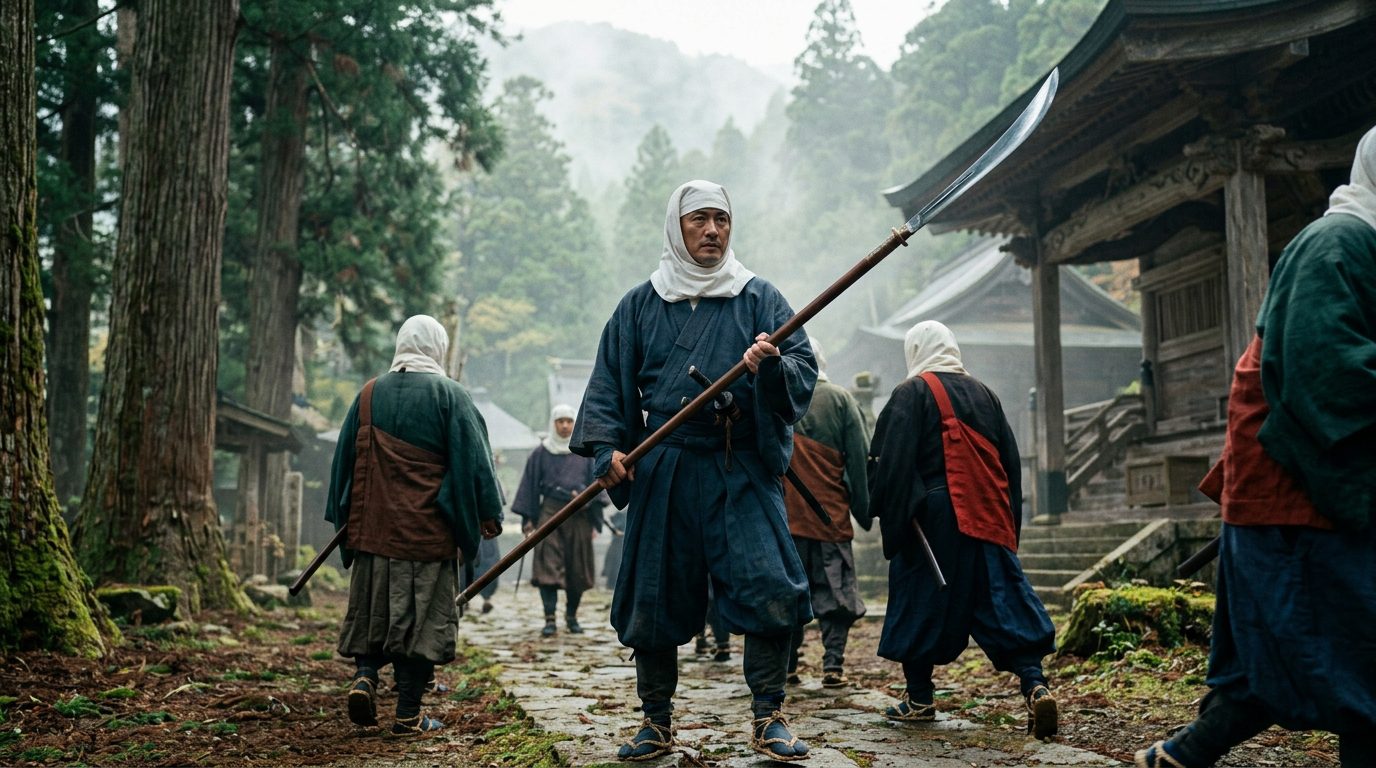
Naginata: The Curved Blade That Redefined Reach
The naginata resembled a curved sword mounted on a 2-meter pole, creating a weapon that could slice through horse legs and unhorse cavalry with brutal efficiency. Buddhist warrior monks called sohei wielded naginata at the Battle of Uji in 1180, where they held off samurai forces for hours despite being outnumbered. The weapon’s 30 to 60 centimeter curved blade allowed for sweeping cuts that swords couldn’t match. What’s remarkable is that by the Edo period (1603-1868), the naginata became the preferred weapon for women of samurai families, who used shorter versions for home defense. The famous female warrior Tomoe Gozen reportedly killed multiple opponents with her naginata during the Genpei War. Training schools called naginatajutsu still preserve these techniques today.
Source: britannica.com
3. Kusarigama: The Chain-Sickle That Confused Swordsmen
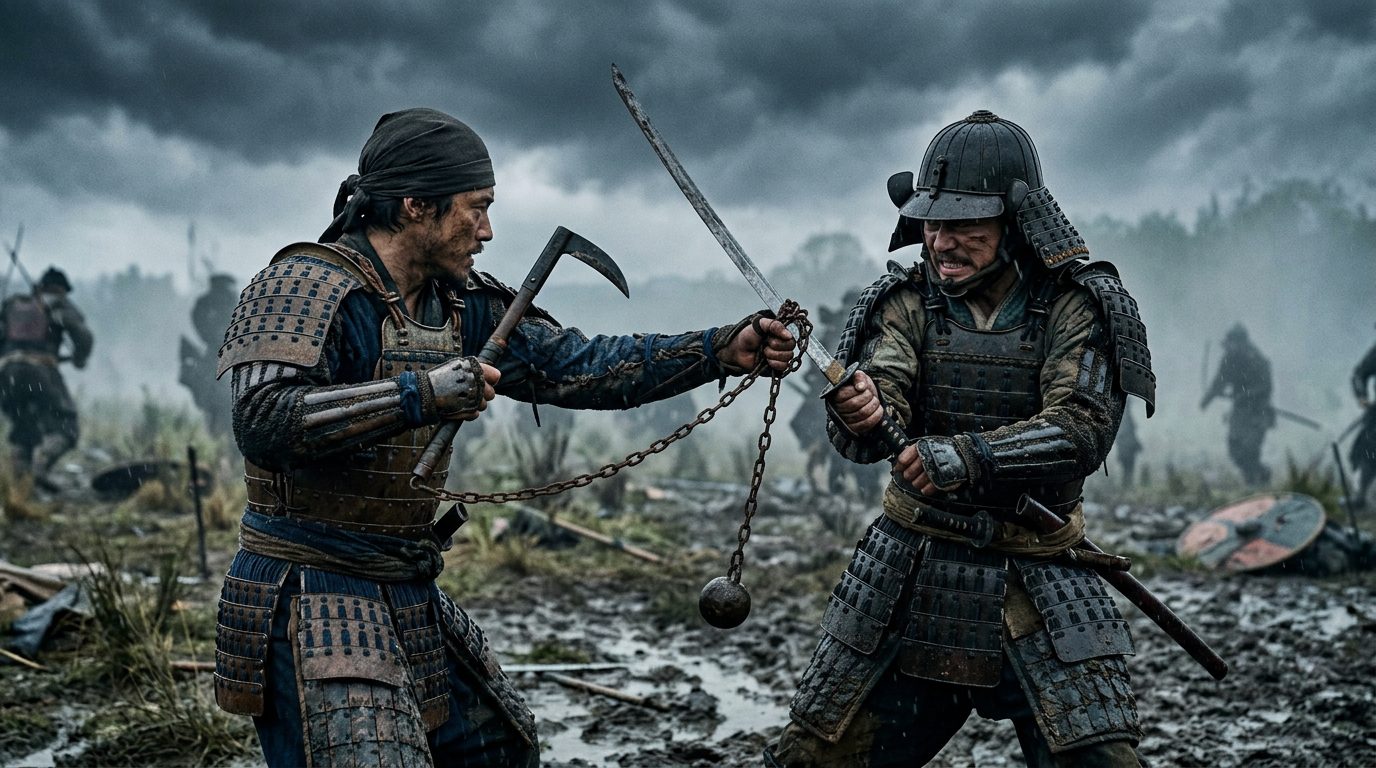
Kusarigama
Imagine facing an opponent who could trap your sword with a weighted chain, then cut your throat with a sickle before you could react. The kusarigama combined a traditional farming kama (sickle) with a 2.5-meter metal chain weighted at the end, creating an unpredictable combat style that frustrated traditional swordsmen. Yamada Shinryukan, a legendary kusarigama master, reportedly defeated over 20 sword-wielding opponents in duels during the 1560s without suffering injury. The weapon’s versatility was staggering: the chain could entangle weapons or limbs from 3 meters away, while the sickle delivered close-range killing strikes. Feudal lords banned the kusarigama in several provinces during the 16th century because assassins favored it for eliminating armored targets in confined spaces where swords proved less effective.
Source: britannica.com
4. Tetsubo: The Iron Club That Crushed Armor Like Paper
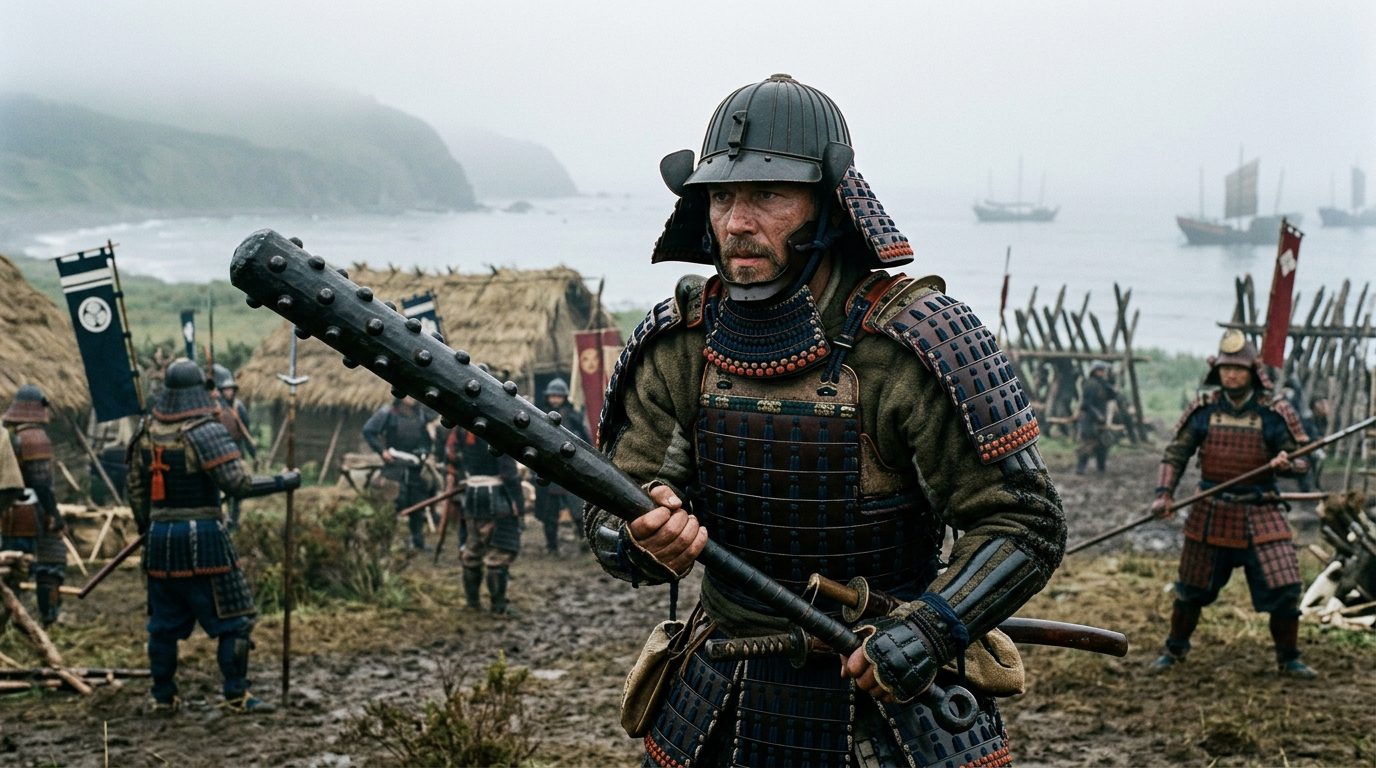
Tetsubo
The tetsubo was essentially a 1.5-meter iron or heavy wood club covered in metal studs, designed for one purpose: obliterating opponents through armor without needing to pierce it. During the Mongol invasions of Japan in 1274 and 1281, samurai discovered that Mongol leather armor resisted sword cuts effectively, leading to increased tetsubo use. A single overhead strike from this weapon, which weighed 5 to 10 kilograms, could shatter bones, dent helmets, and incapacitate enemies instantly. The legendary warrior monk Benkei allegedly wielded a massive tetsubo when he defended Minamoto no Yoshitsune at the Battle of Koromo River in 1189, holding off attackers until he died standing. Strength requirements limited tetsubo use to the most physically powerful warriors.
Source: britannica.com
5. Kanabo: The Spiked War Club That Terrorized Battlefields
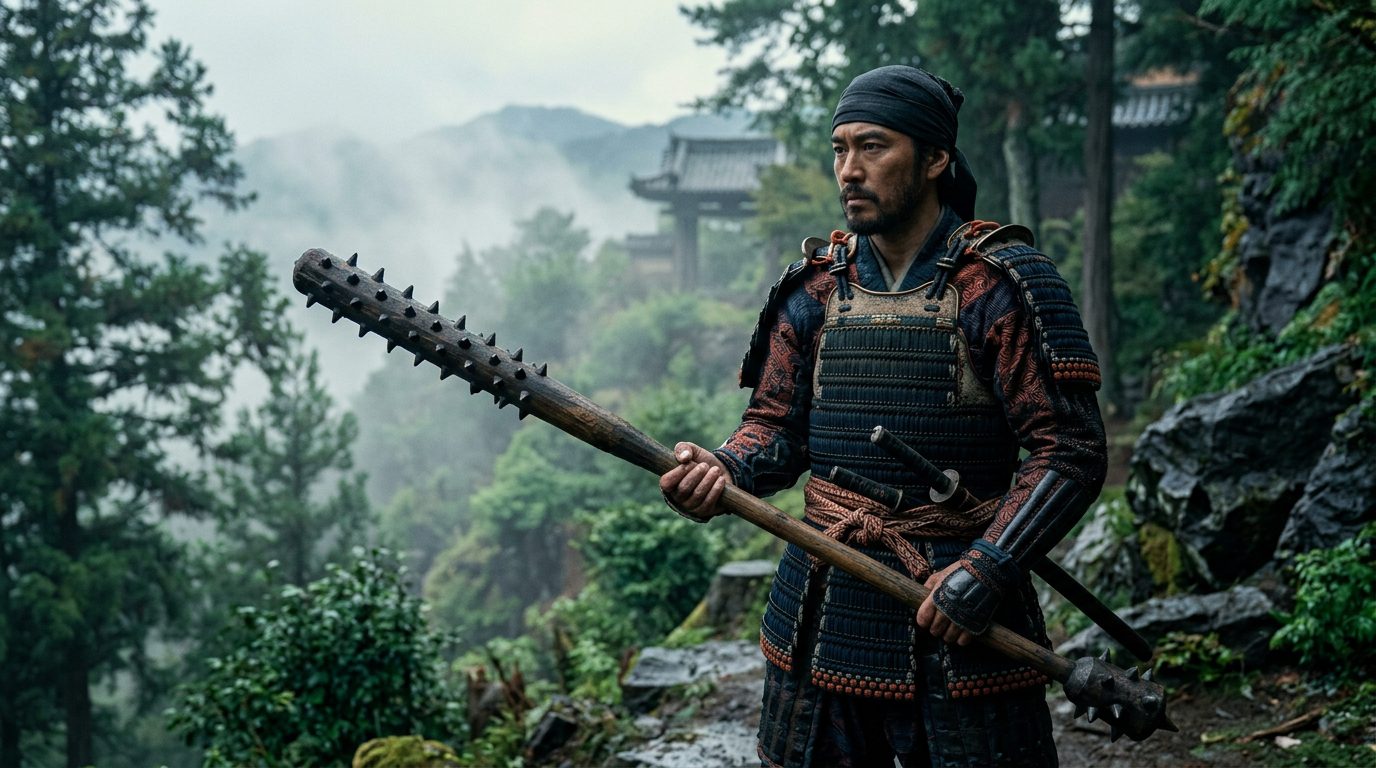
Kanabo
While similar to the tetsubo, the kanabo featured vicious metal spikes or studs along its entire 1 to 2-meter length, making it even more devastating against armored opponents. The phrase “kanabo wo motta oni,” meaning “an oni (demon) with an iron club,” entered Japanese language to describe unstoppable force. Historical accounts from the Sengoku period (1467-1615) describe how a single kanabo strike could kill a fully armored samurai or break a horse’s legs during cavalry charges. The weapon required enormous strength to wield effectively—carriers typically stood over 180 centimeters tall and trained for years just to swing it properly. Saito Musashibo Benkei’s retainer allegedly needed two men just to carry his master’s kanabo between battles. Despite Hollywood depictions, only about 2% of samurai could effectively use this weapon in combat.
Source: britannica.com
6. Yumi: The Asymmetric Longbow That Defined Samurai Identity
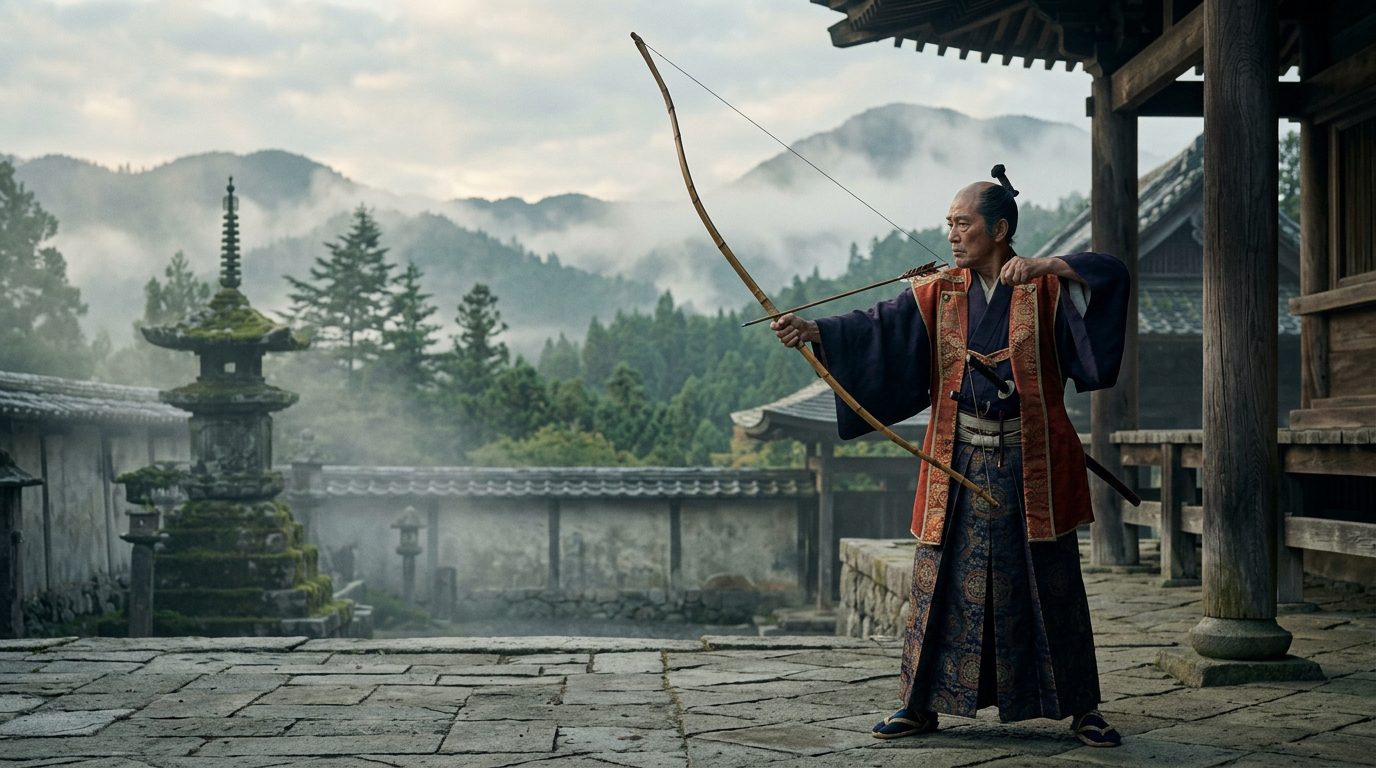
Yumi
Before samurai were swordsmen, they were archers. The yumi, a 2.2-meter asymmetric bamboo longbow with the grip positioned one-third from the bottom, could fire arrows over 300 meters with armor-piercing force. At the Battle of Dan-no-ura in 1185, mounted archers decided the war’s outcome before swords were even drawn. The bow’s unusual asymmetric design allowed samurai to shoot from horseback without the upper limb catching on the saddle. Training began at age 5 for samurai children, and kyujutsu (archery) remained a core skill throughout the samurai period. The famous warrior Minamoto no Tametomo reportedly possessed such strength that his arrows could sink enemy ships by piercing their hulls. Even after firearms arrived in 1543, samurai continued yumi training as a meditation practice and symbol of warrior heritage.
Source: britannica.com
7. Tanto: The Samurai Dagger That Served Honor and Survival
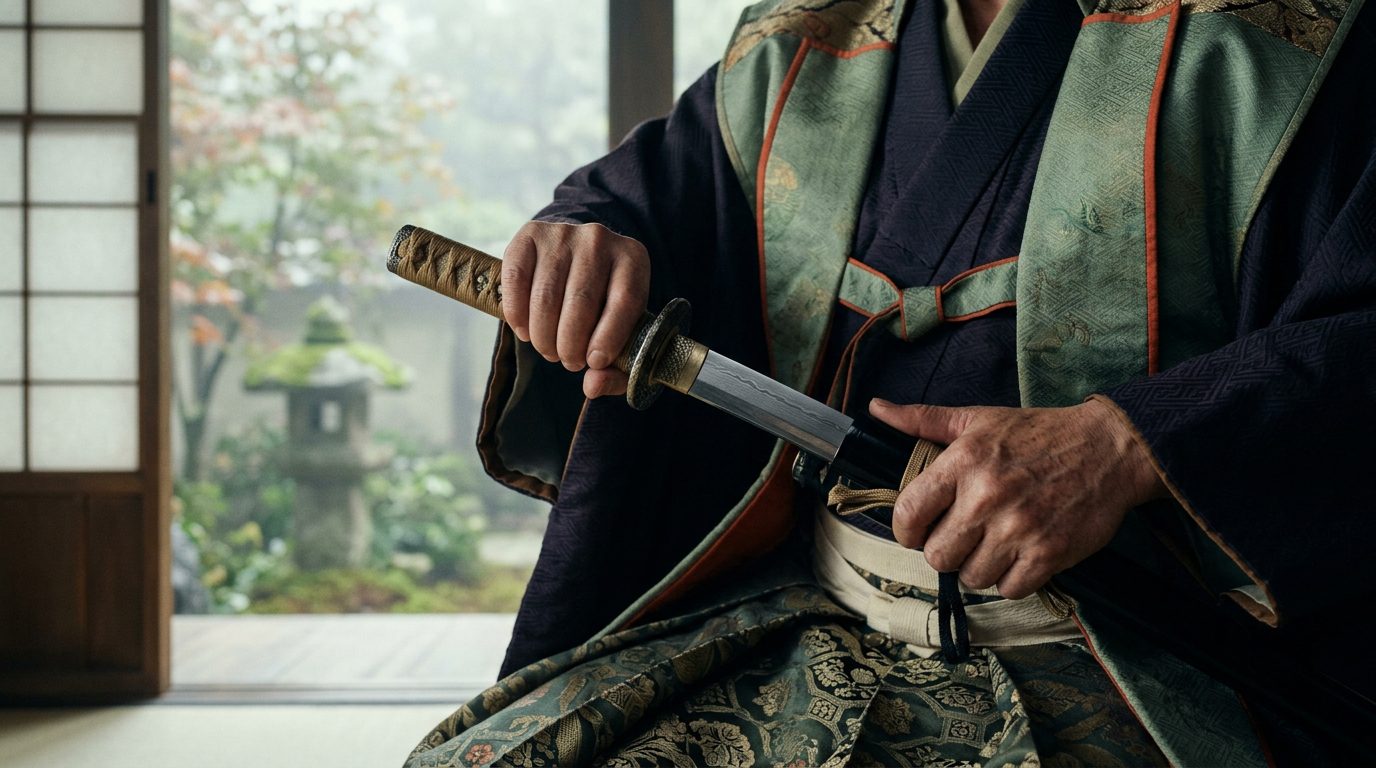
Tanto
The tanto was far more than a backup weapon—this 15 to 30 centimeter dagger served as a samurai’s most versatile tool for both combat and ritual. During the Kamakura period (1185-1333), samurai carried tanto as armor-piercing weapons specifically designed to exploit gaps in yoroi armor at joints and neck. The blade’s thickness and reinforced point could punch through riveted armor plates that swords couldn’t penetrate. Women of samurai families carried kaiken (a tanto variant) for self-defense and potential suicide to avoid capture. The tanto also played a crucial role in seppuku (ritual suicide), where the blade’s length allowed precise execution of the ceremonial cut. Master swordsmith Masamune created tanto so perfectly balanced that they became family heirlooms worth more than entire estates. Samurai law required tanto to be worn at all times, even when katana were forbidden in certain settings.
Source: britannica.com
8. Shuriken: The Throwing Blades Ninja Actually Used
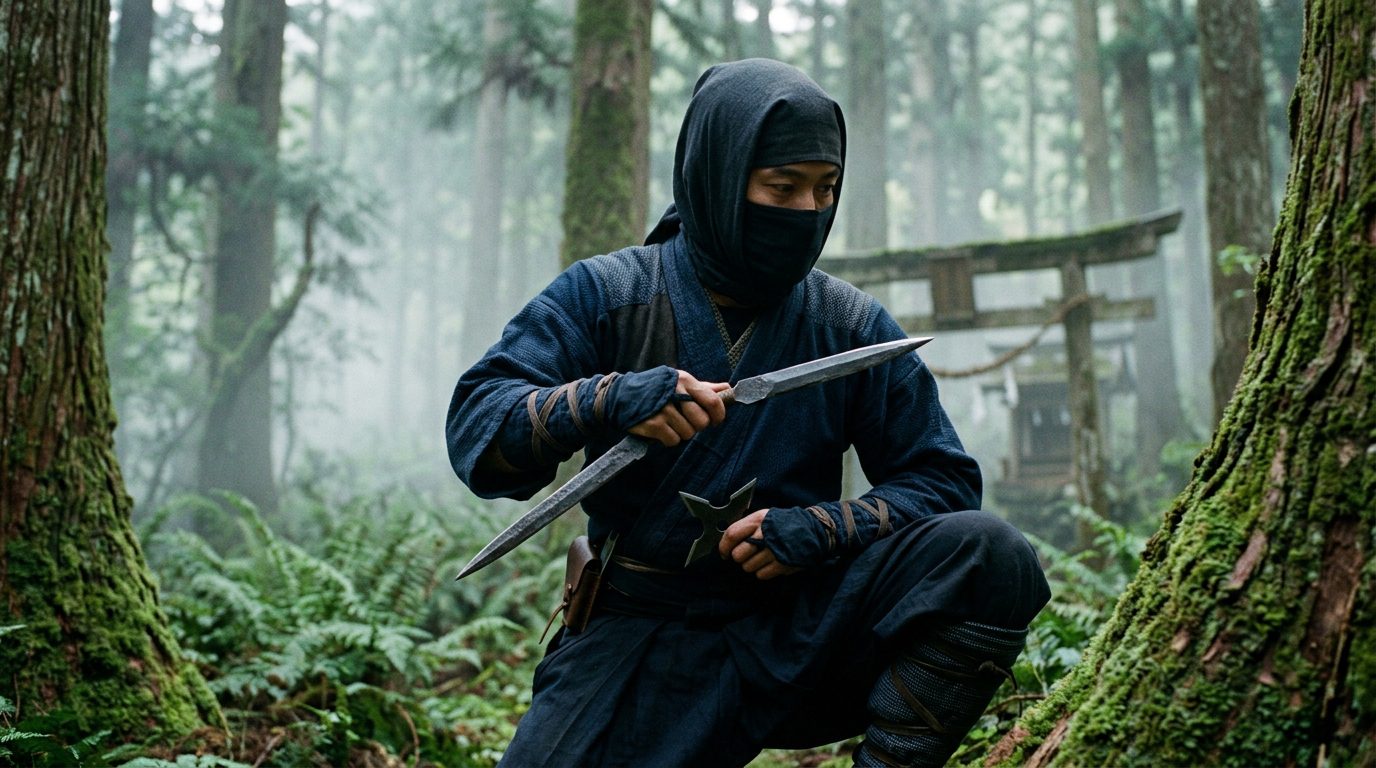
Shuriken: The Throwing Blades Ninja Actually Used
Forget Hollywood’s spinning star barrages—real shuriken were tactical distraction tools, not primary weapons. These 10 to 15 centimeter pointed metal implements came in two main forms: the iconic star-shaped hira shuriken and the spike-like bo shuriken. During the Sengoku period, shinobi (ninja) and some samurai carried 8 to 12 shuriken for harassment tactics, throwing them at faces or hands to disrupt enemy attacks. Historical ninja manuals from the 1600s describe coating shuriken tips with human waste or plant toxins to cause infections rather than immediate death. The Negishi-ryu school, founded around 1670, specialized in shuriken techniques that targeted eyes, throats, and wrists with surprising accuracy at ranges up to 7 meters. Despite their fame, shuriken accounted for fewer than 1% of combat casualties—their real value lay in psychological disruption and creating openings for deadlier weapons.
Source: smithsonianmag.com
9. Nodachi: The Oversized Sword That Sliced Through Cavalry
Nodachi
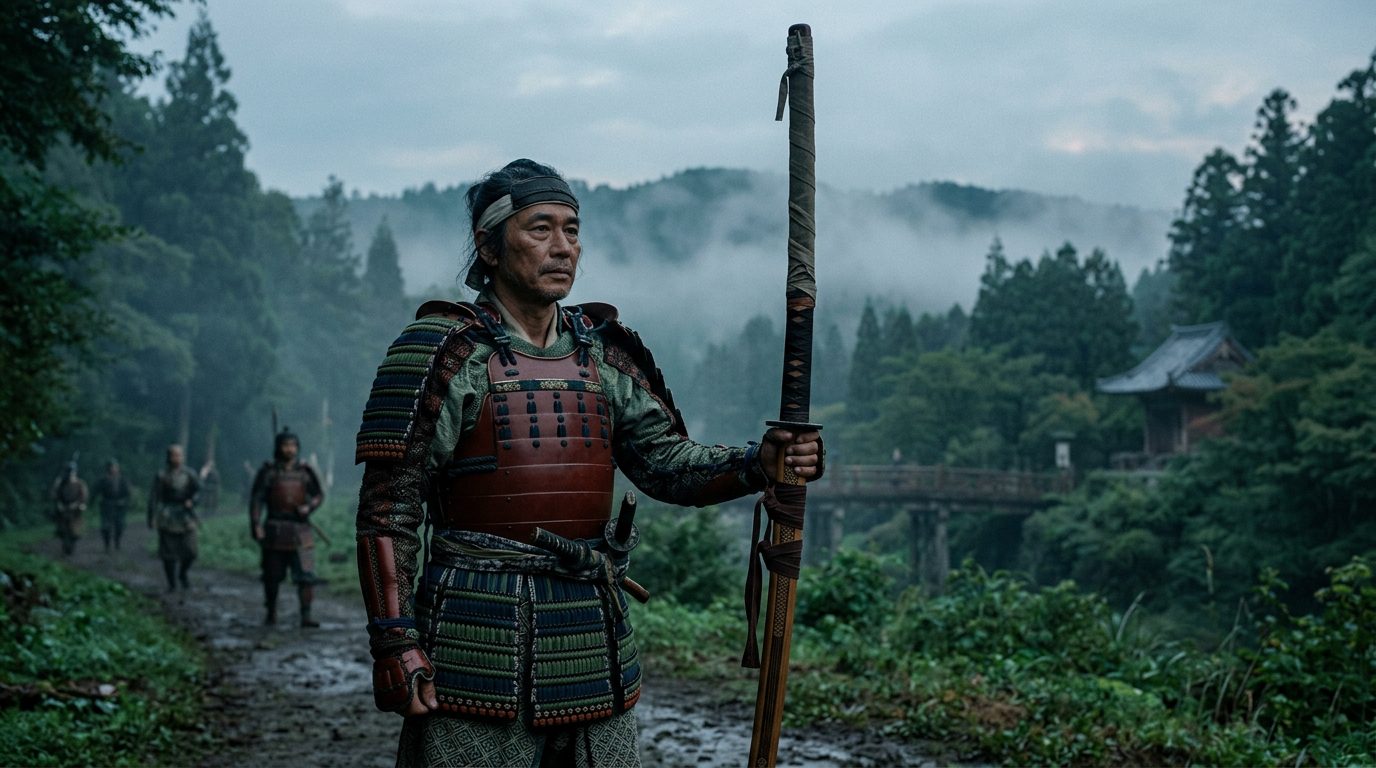
The nodachi was an enormous battlefield sword measuring 150 to 220 centimeters in total length—so large it couldn’t be drawn from a normal belt scabbard. During the Nanboku-cho period (1336-1392), infantry wielded these massive blades to cut down cavalry horses and riders in single sweeping strikes that smaller swords couldn’t achieve. The weapon’s 120-centimeter blade could generate devastating momentum, capable of slicing through a horse’s legs or severing multiple opponents in one arc. Specialized troops called nodachi-tai carried these swords into battle, often with an attendant who helped carry or position the weapon between engagements. The legendary swordsman Sasaki Kojiro favored an exceptionally long nodachi called “The Drying Pole” in his duels during the 1610s. As warfare evolved toward closer formations and firearms, the nodachi’s impracticality led to its decline—many were later cut down into regular katana.
Source: britannica.com
10. Manriki-gusari: The Hidden Chain Weapon of Samurai Police
Manriki-gusari
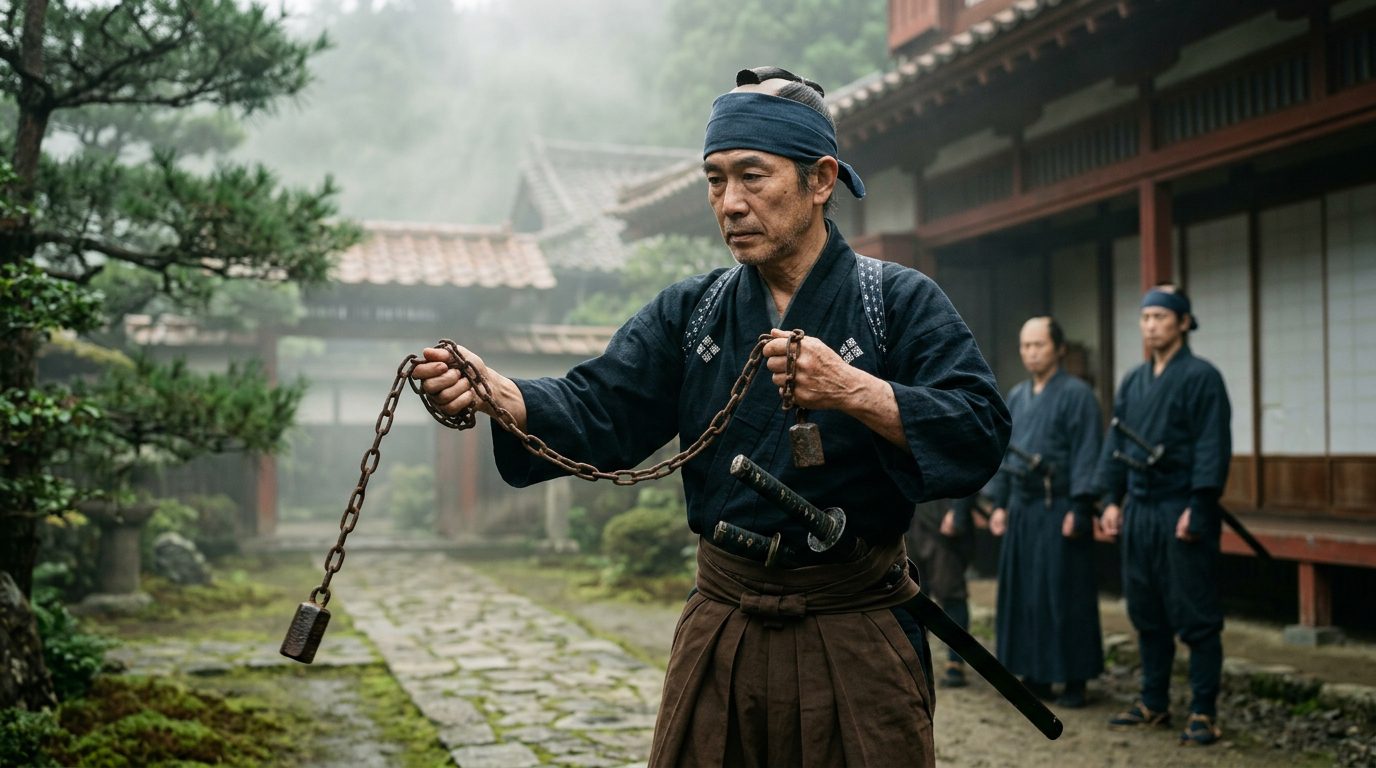
This inconspicuous weapon—a 1 to 1.5-meter chain with weights on each end—became the signature tool of Edo period police and bodyguards who needed to subdue opponents without lethal force. Masaki Toshimitsu invented the manriki-gusari around 1670 after studying chain combat, creating techniques that could disarm, entangle, or strike from unexpected angles. The weapon’s 150 to 300-gram weights could strike pressure points, break bones, or wrap around limbs and weapons with devastating speed. Samurai law enforcement officers called yoriki used manriki-gusari to capture criminals alive for interrogation—a chain wrap around the neck could render someone unconscious in seconds without permanent injury. The weapon’s genius lay in its concealment: when coiled, it resembled ordinary rope or could be hidden in sleeves. Training required 5 to 7 years to master the 24 traditional striking and entanglement techniques, making it one of the most technically demanding samurai weapons.
Source: britannica.com
Did You Know?
Did You Know? The katana—the sword everyone associates with samurai—was actually their sidearm, not their primary weapon. Statistical analysis of battle records from the Sengoku period reveals that yari (spears) and yumi (bows) caused over 80% of samurai combat deaths, while swords accounted for less than 10%. The katana’s legendary status emerged during the peaceful Edo period when it became a status symbol rather than a battlefield necessity. Ironically, the weapon that defines samurai in popular culture was rarely their first choice when actual fighting began.