
The samurai didn’t just master the blade—they revolutionized warfare with an arsenal of specialized weapons that turned Japan’s warrior class into a military force unlike any other. Discover the ingenious weapons that made samurai legendary.
1. Yumi: The Asymmetrical Longbow That Dominated Medieval Battlefields
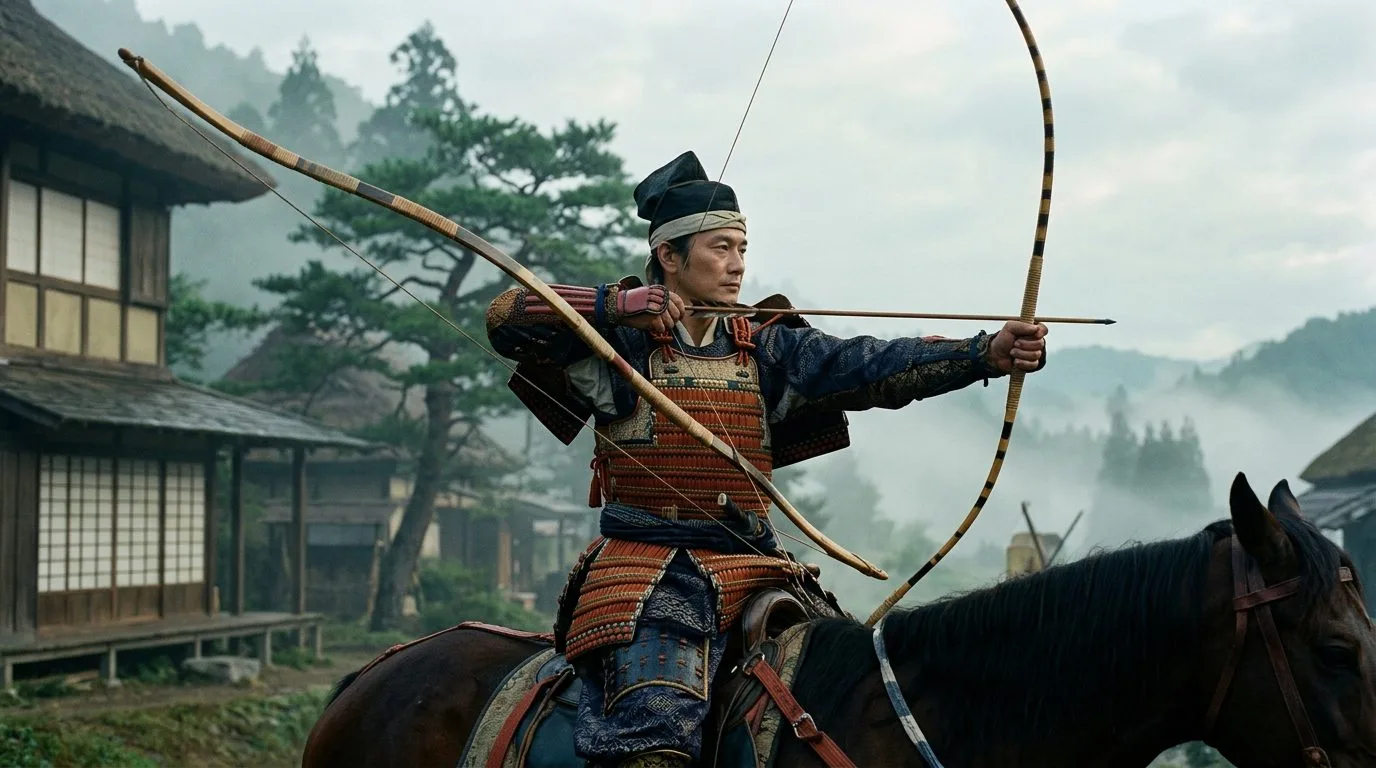
Yumi
The yumi’s distinctive off-center grip gave mounted samurai archers devastating accuracy at ranges exceeding 380 meters. During the Genpei War (1180-1185), samurai like Minamoto no Tametomo could pierce armor from horseback, fundamentally changing Japanese battle tactics. Unlike symmetric European longbows, the yumi’s 2.2-meter length and bamboo-wood-bamboo laminate construction allowed the grip to sit one-third from the bottom, enabling riders to shoot without the bow catching their horse’s neck. This asymmetrical design made kyūjutsu (mounted archery) the primary samurai skill for over 400 years. The weapon proved so effective that samurai were called “those who serve with the bow” long before swords became their symbol.
Source: britannica.com
2. Naginata: The Bladed Polearm That Kept Cavalry at Bay
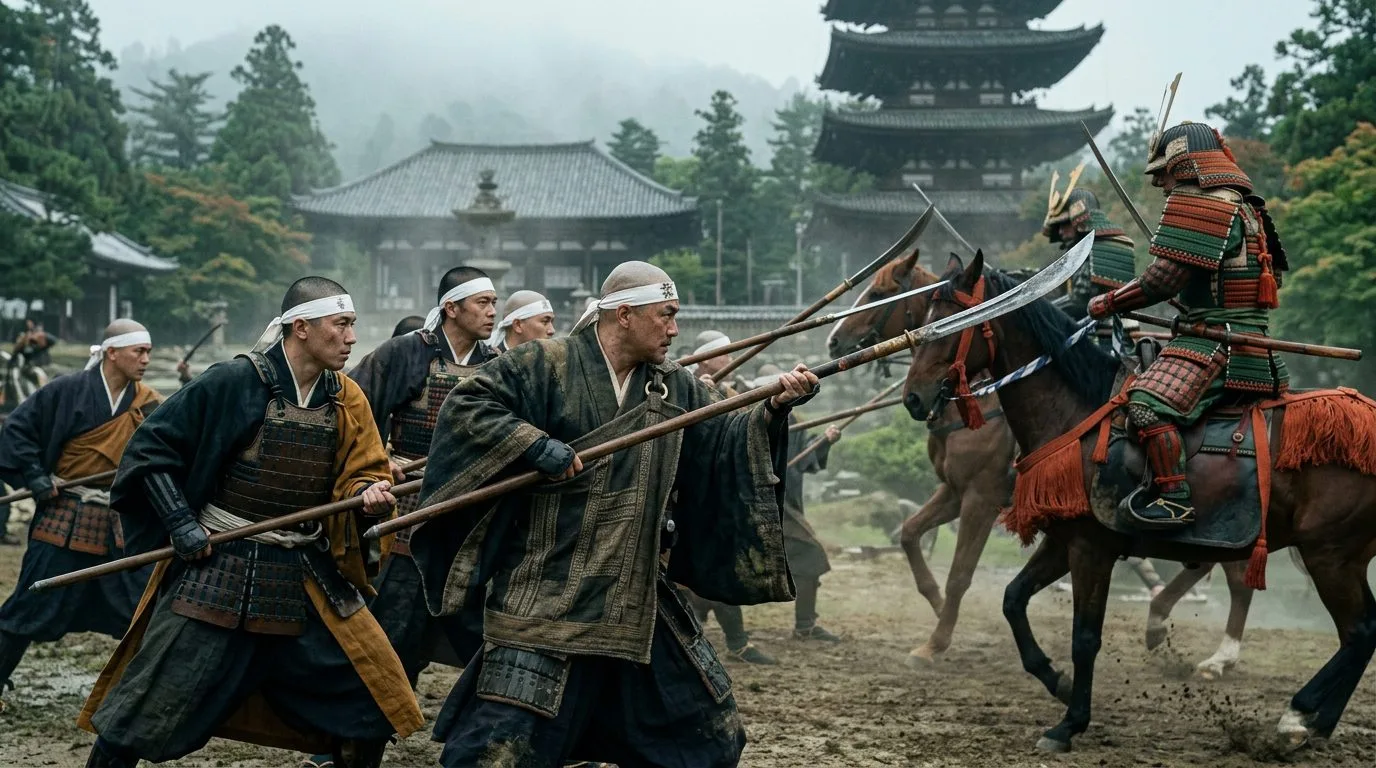
Naginata
Sōhei warrior monks wielding 2-meter naginata devastated mounted samurai during the siege of Nara in 1180, proving infantry could counter Japan’s cavalry elite. The weapon featured a curved 30-60 centimeter blade mounted on a wooden shaft, creating a reach advantage that transformed defensive warfare. During the Mongol invasions of 1274 and 1281, naginata-armed defenders could strike riders before enemy swords came within range. The weapon’s sweeping cuts targeted horses’ legs, unhorsing elite warriors and negating their mobility advantage. By the Sengoku period (1467-1615), the naginata became associated with female samurai who defended estates, with legendary warrior Tomoe Gozen famously wielding one at the Battle of Awazu in 1184.
Source: britannica.com
3. Tantō: The Honor Blade That Decided Fate in Close Combat
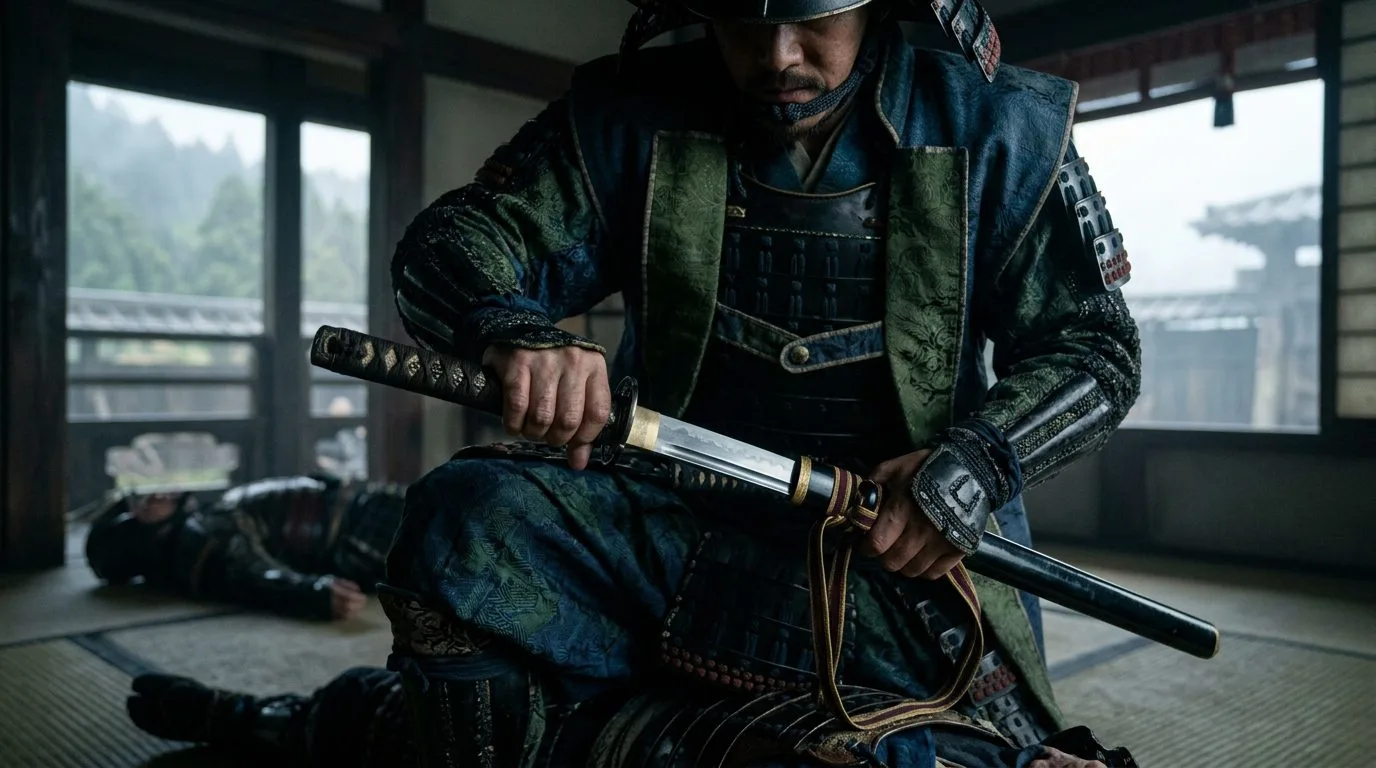
Tantō
The tantō’s 15-30 centimeter blade served as the samurai’s final weapon when combat became desperate, capable of piercing armor gaps that longer swords couldn’t reach. Samurai carried these daggers as part of their daishō (sword pair) from the Kamakura period (1185-1333) onward, using them for both utility and ritual suicide. During the Battle of Dan-no-ura in 1185, defeated Taira warriors used tantō to commit seppuku rather than face capture. The blade’s thick spine and reinforced point could penetrate the vulnerable areas of ō-yoroi armor—armpits, neck joints, and face openings—making it essential for grappling situations. Craftsmen like Yoshimitsu created tantō with such precise geometry that they became status symbols worth more than a samurai’s annual rice stipend of 100 koku.
Source: britannica.com
4. Yari: The Straight Spear That Replaced the Sword as Primary Weapon
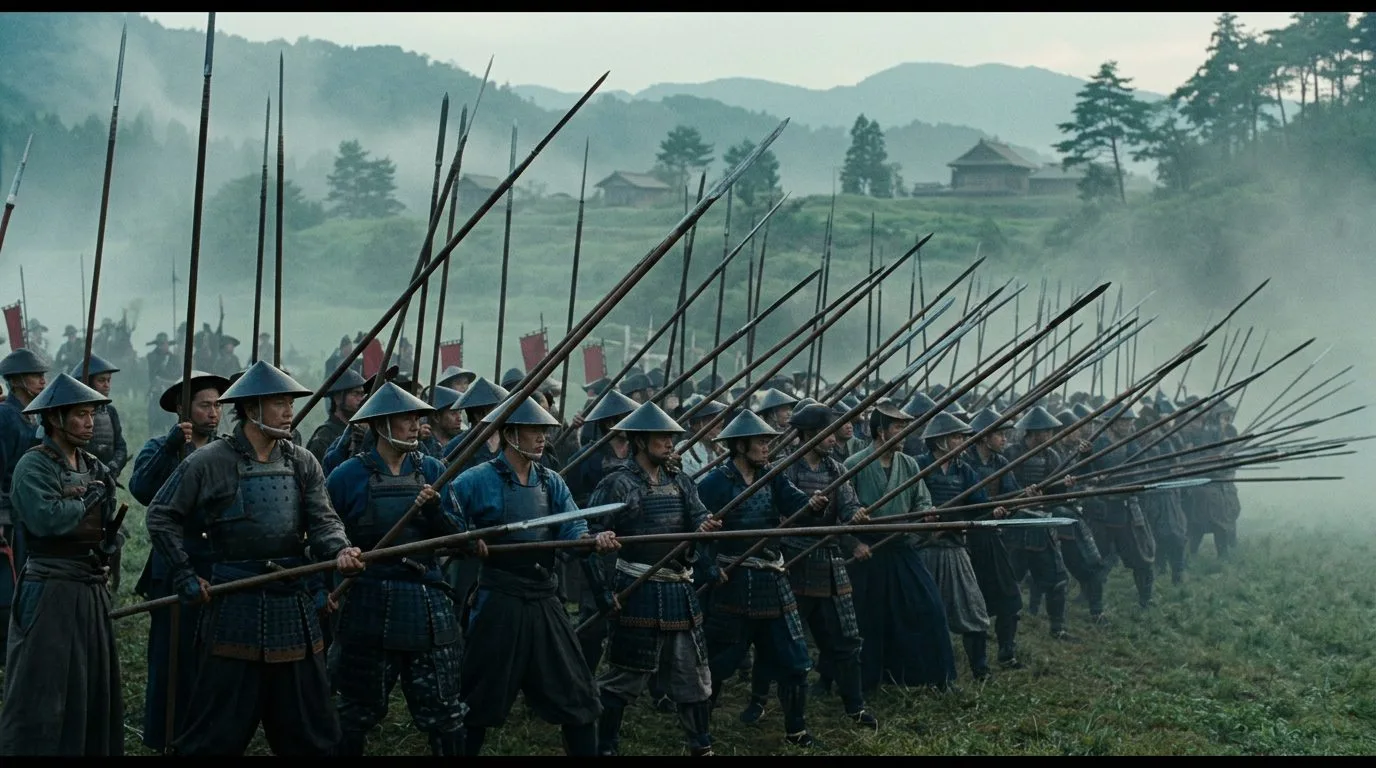
Yari
Oda Nobunaga’s ashigaru (foot soldiers) armed with 5-6 meter yari decimated traditional samurai cavalry at the Battle of Nagashino in 1575, marking warfare’s shift from individual combat to formation tactics. Unlike curved naginata, the yari’s straight blade excelled at thrusting attacks that could punch through improved armor designs of the 16th century. The weapon came in dozens of variations—some with cross-blades (jumonji yari) to trap enemy weapons, others with triple points. A skilled yari user could strike with devastating speed; legendary spearman Honda Tadakatsu reportedly killed over 100 enemies in single combat throughout 57 battles without sustaining injury. By the late Sengoku period, yari had become so dominant that 70 percent of battlefield casualties came from spear wounds rather than swords.
Source: britannica.com
5. Kanabō: The Iron War Club That Crushed Armor Like Paper
Kanabō
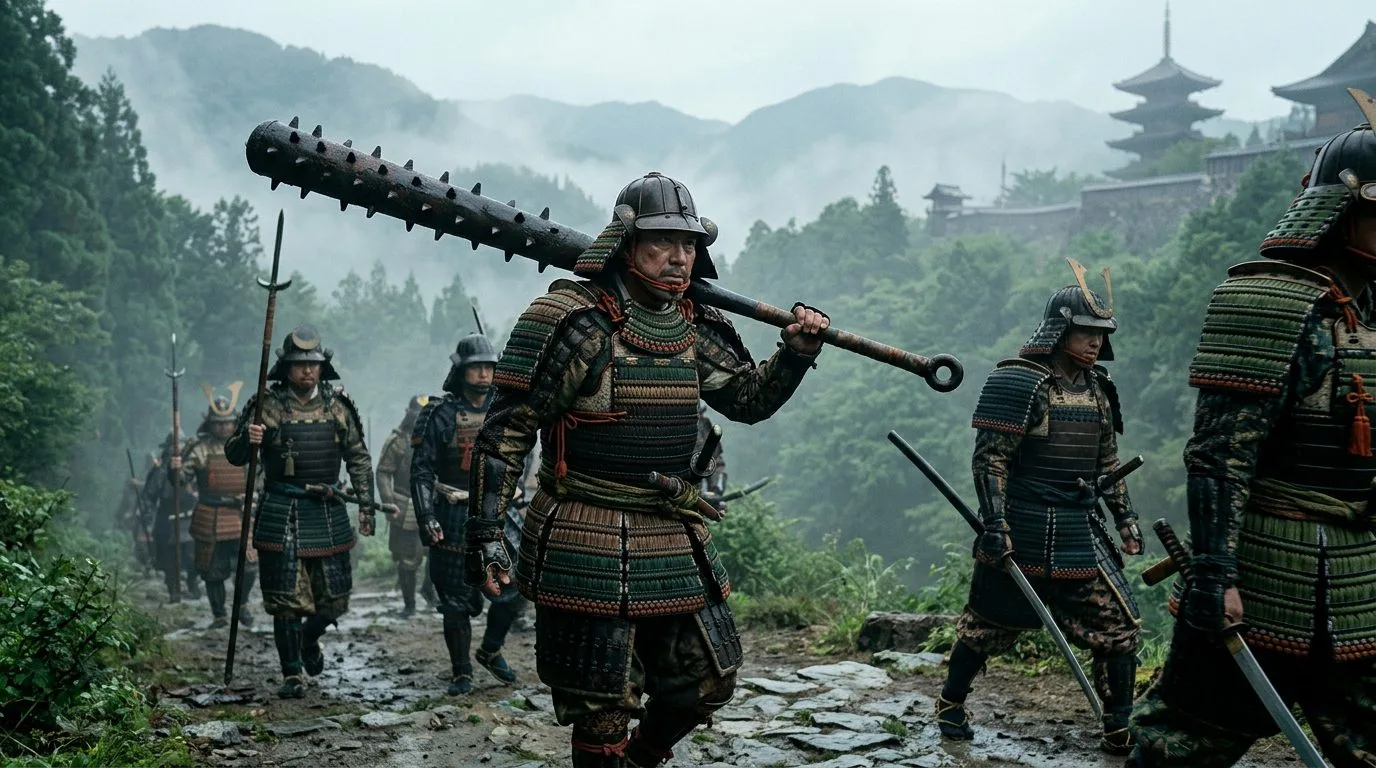
The kanabō’s 1-2 meter length and iron studs delivered bone-crushing blows that rendered even the finest armor useless during the Genpei War. Warriors like Saitō Musashibō Benkei famously wielded these 15-20 kilogram clubs, which required immense strength but could split helmets and shatter shoulder guards with single strikes. The weapon’s effectiveness against improved armor made it the choice of warrior monks defending monasteries, where its devastating power in confined spaces proved unmatched. During the siege of Uji in 1180, kanabō-wielding defenders held a bridge against hundreds of mounted samurai. The phrase “kanabō wo motta oni” (demon with an iron club) emerged to describe unstoppable warriors, cementing the weapon’s legendary status as the ultimate symbol of raw martial power.
Source: britannica.com
6. Kusarigama: The Chain-Sickle Weapon That Made Distance Irrelevant
Kusarigama
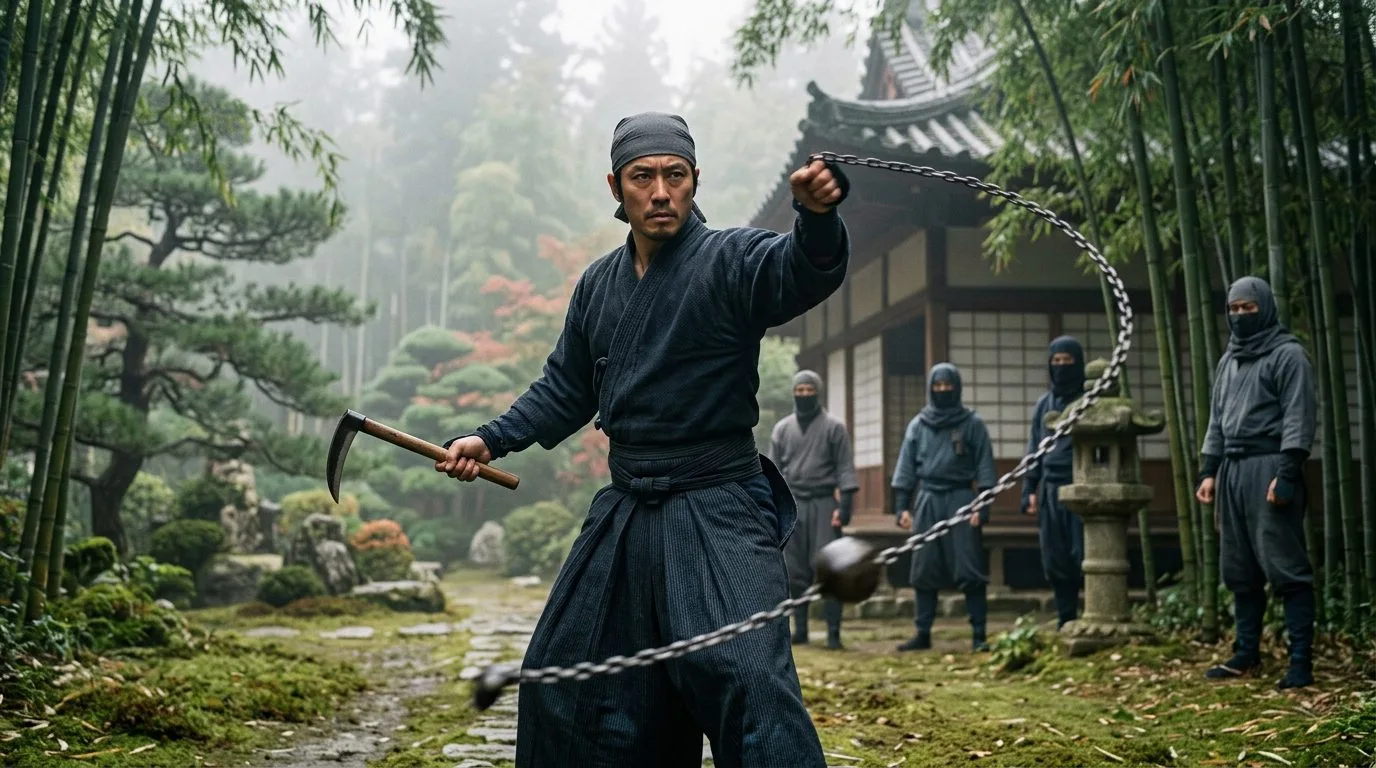
The kusarigama combined a kama (sickle) with a 2-3 meter chain weighted with a fundo (iron weight), creating a weapon that struck from unexpected angles and ranges. Legendary ninja Yamada Shinryūken mastered this weapon during the Sengoku period, using the weighted chain to entangle opponents’ weapons before closing with the sickle blade. The weapon’s weighted end could swing at speeds exceeding 160 kilometers per hour, breaking bones or wrapping around necks and limbs. Samurai found the kusarigama particularly challenging because traditional sword techniques failed against its unpredictable attack patterns. The Isshin-ryū school, founded circa 1560, developed specific kata (forms) to counter this weapon after several high-ranking samurai fell to peasant-wielding kusarigama during village uprisings.
Source: britannica.com
7. Tessen: The War Fan That Hid a Deadly Secret
Tessen: The War Fan That Hid a Deadly Secret
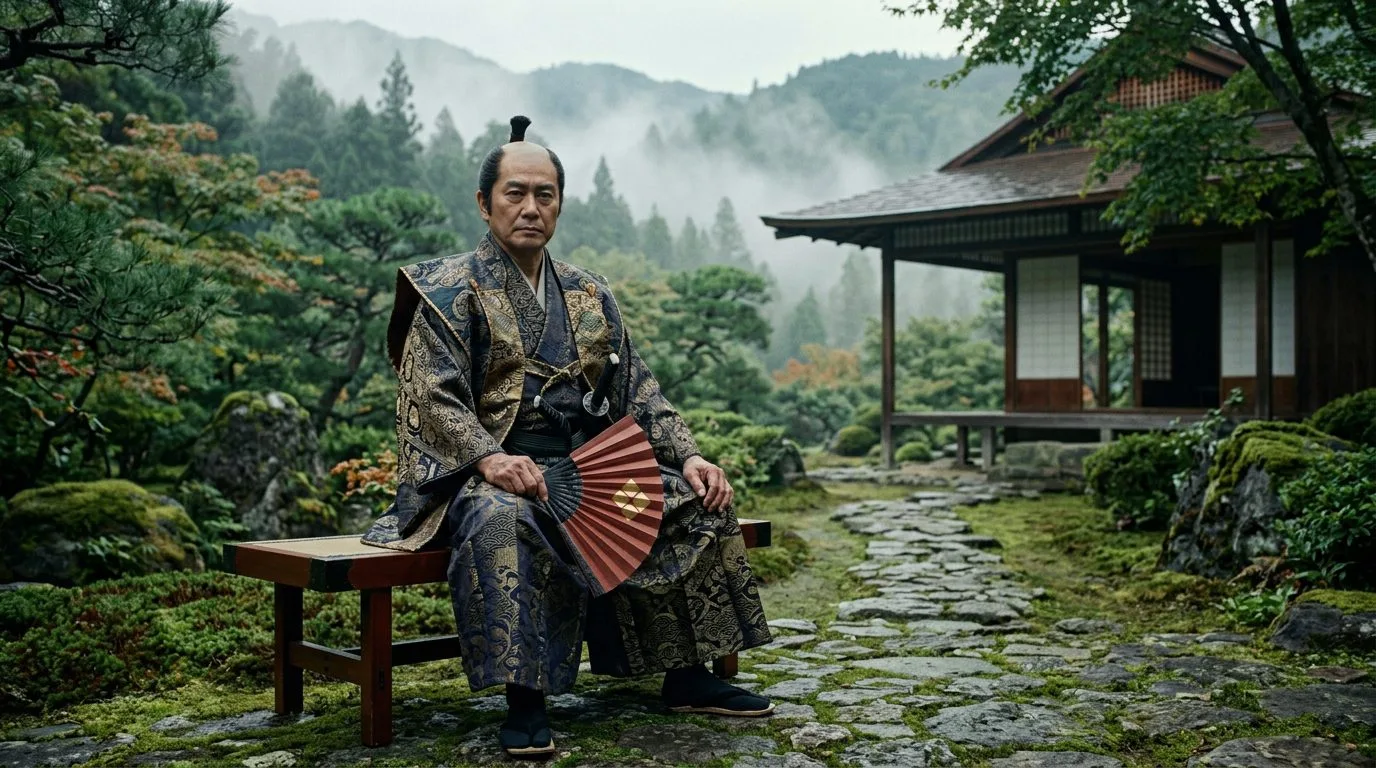
The tessen’s iron ribs could deflect sword strikes and deliver skull-fracturing blows while appearing as a harmless court accessory during the Edo period (1603-1868). Samurai like Takeda Shingen carried solid iron fans weighing nearly 2 kilograms, using them to direct troops in battle while keeping both hands free for combat. The weapon proved invaluable in situations where drawing swords was forbidden—castles, courts, and peace negotiations. Master swordsman Miyamoto Musashi killed armed opponents using only a tessen in at least three documented duels between 1604 and 1612. Some versions featured sharpened outer edges or concealed blades, transforming ceremonial fans into lethal weapons that passed through security unnoticed. The psychological advantage was immense: enemies never knew if that decorative fan could block their killing stroke.
Source: britannica.com
8. Tekkō: The Armored Hand Guards That Turned Fists Into Weapons
Tekkō
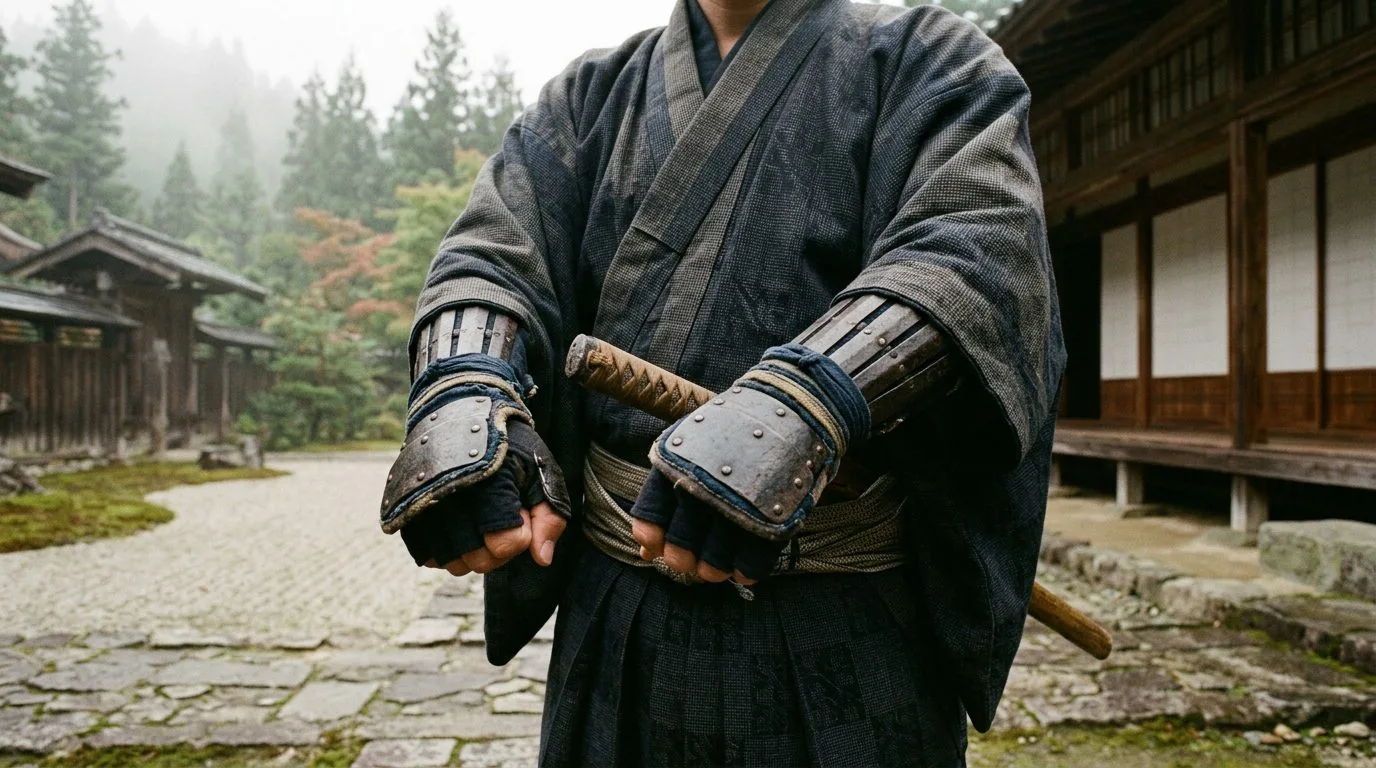
Tekkō transformed empty-handed samurai into dangerous opponents by reinforcing fists and forearms with iron plates capable of blocking sword strikes. These gauntlets, developed during the Muromachi period (1336-1573), featured 3-5 iron bars across the knuckles and could shatter ribs or disarm sword-wielding enemies. Okinawan martial artists adapted the weapon into karate’s sai, but samurai used tekkō primarily for close-quarters grappling when weapons were lost or impractical. During the Ōnin War (1467-1477), urban combat made tekkō essential as samurai fought through narrow Kyoto streets where long weapons proved cumbersome. The weapon’s defensive capability was remarkable—properly positioned tekkō could catch and redirect blade strikes, giving unarmed warriors fighting chances against armed opponents. Master tekkō users could strike pressure points with devastating precision, incapacitating enemies without drawing blood.
Source: britannica.com
9. Metsubushi: The Blinding Powder That Won Battles Before They Started
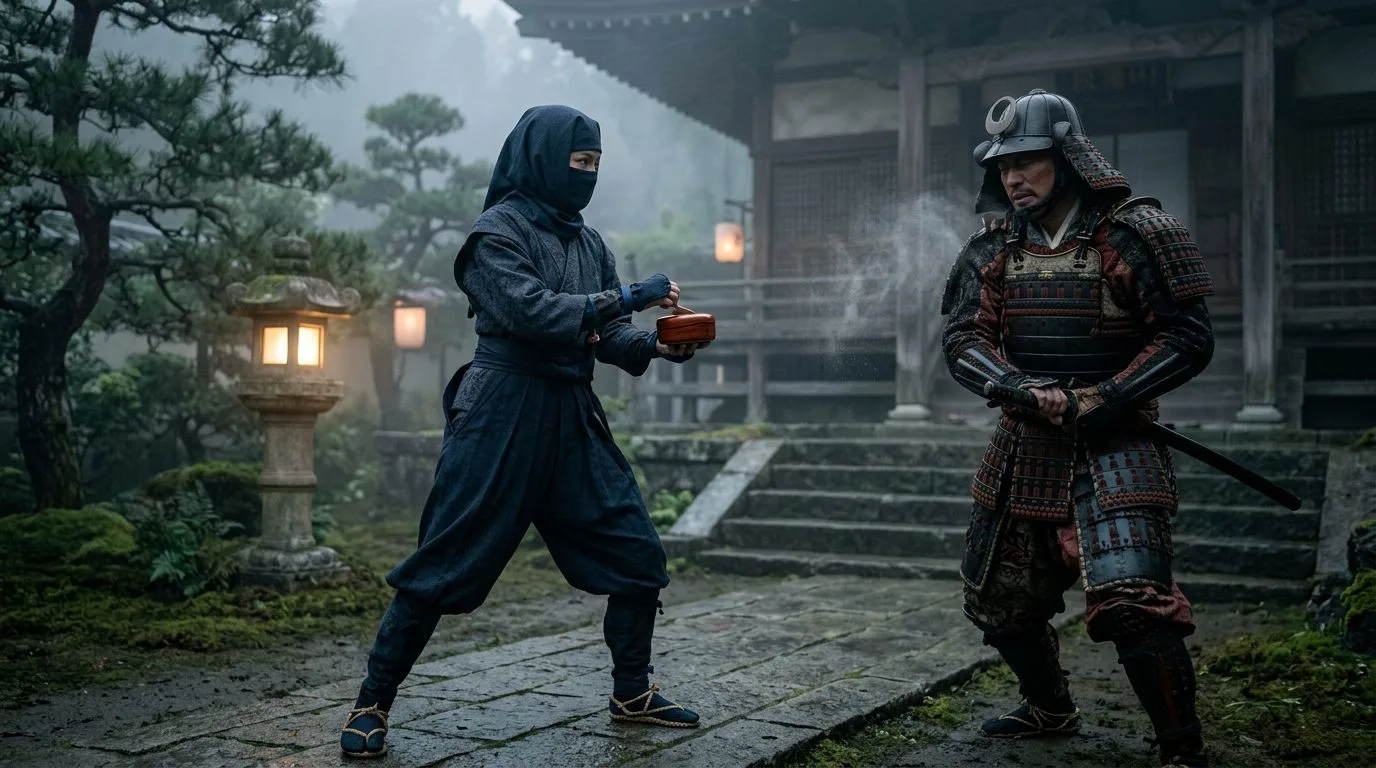
Metsubushi
Metsubushi containers held irritant powders—ground pepper, ash, or crushed glass—that ninja and samurai threw into opponents’ faces to gain critical seconds. These devices, refined during the Sengoku period, came in various forms: hollowed eggs filled with powder, bamboo tubes, or specialized boxes that dispersed contents when squeezed. The psychological impact matched the physical effect; opponents blinded by metsubushi often panicked, creating openings for lethal strikes. During the siege of Hara Castle in 1638, defenders used metsubushi against attacking samurai, temporarily blinding hundreds and stalling assaults. The Natori-Ryū ninja school documented 17 different powder formulas in their 1681 manual “Shōninki,” including mixtures that caused temporary paralysis when inhaled. Smart warriors carried metsubushi as insurance—the ability to blind opponents turned losing fights into survival opportunities.
Source: britannica.com
10. Fukiya: The Concealed Blowgun That Made Silent Killing an Art
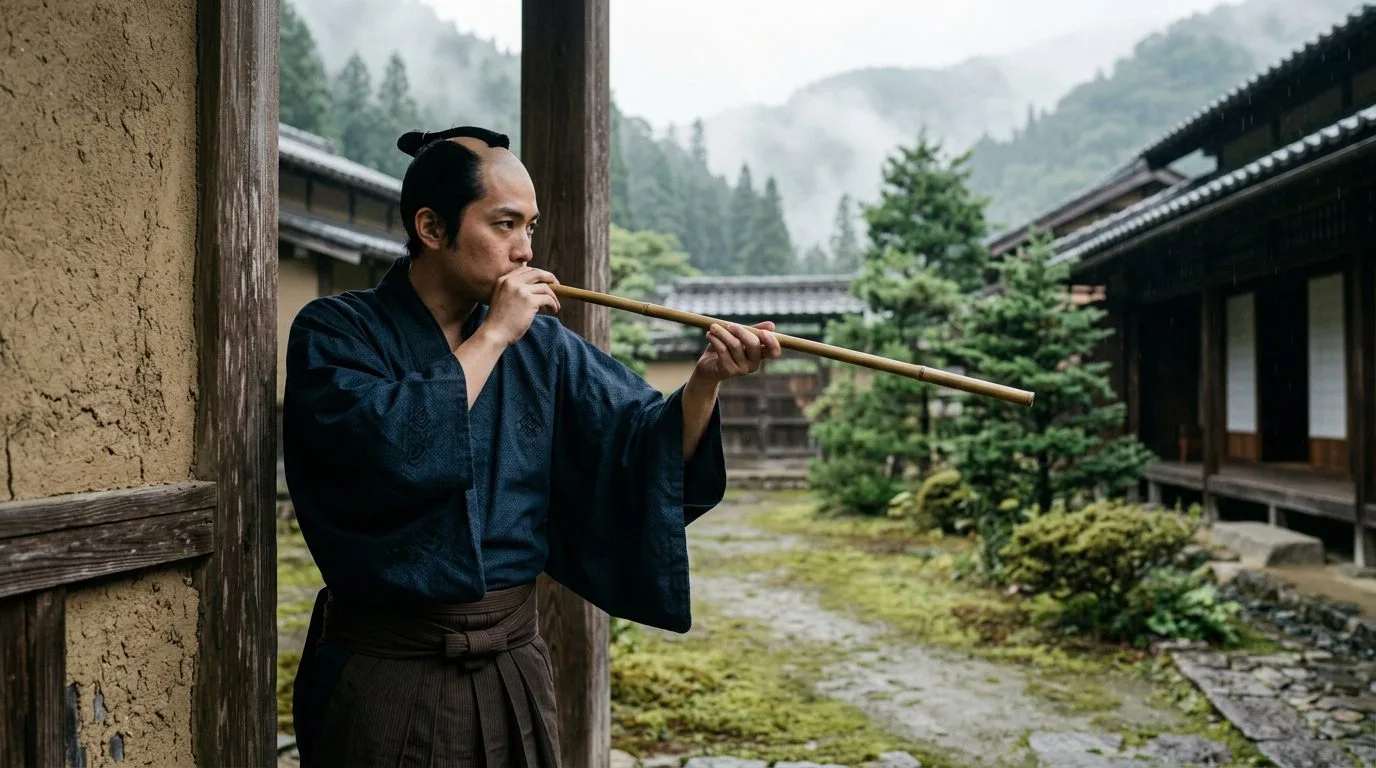
Fukiya
The fukiya’s 1-meter bamboo tube fired poisoned darts with lethal accuracy up to 20 meters, making it the assassin’s weapon of choice during the Edo period. Ninja clans like the Iga and Kōga developed specialized darts (fukibari) dipped in aconite poison that could kill within minutes of penetrating skin. The weapon’s silence was its greatest advantage—no warning preceded the dart’s arrival, allowing single operatives to eliminate sentries without alerting nearby guards. During the Shimabara Rebellion (1637-1638), government forces documented ninja using fukiya to assassinate rebel leaders inside fortifications. The blowgun could be disguised as a walking stick, flute, or bamboo staff, making it virtually undetectable until the moment of attack. Master users could hit targets the size of a coin at 15 meters, threading darts through armor gaps with surgical precision.
Source: britannica.com
Did You Know?
Did You Know? The katana was actually considered a samurai’s backup weapon for most of Japanese history. Until the late 1500s, samurai primarily trained with bows and spears—the sword only became the warrior class’s symbol during the peaceful Edo period when actual battlefield skills became less important than ceremonial tradition. Ironically, the weapon we most associate with samurai warfare saw far less combat use than these ten specialized tools that actually decided Japan’s medieval battles.
Continue Exploring
For the strict codes that governed how these weapons were used — the warrior ethics, honor rituals, and social hierarchies of the samurai class — see 10 samurai codes that shaped Japanese society.