
Spartan boys were ripped from their mothers at age seven and thrown into the agoge—a brutal training program where weakness meant death. No army in ancient Greece could match their terror.
1. The Agoge Began at Age Seven With Forced Separation
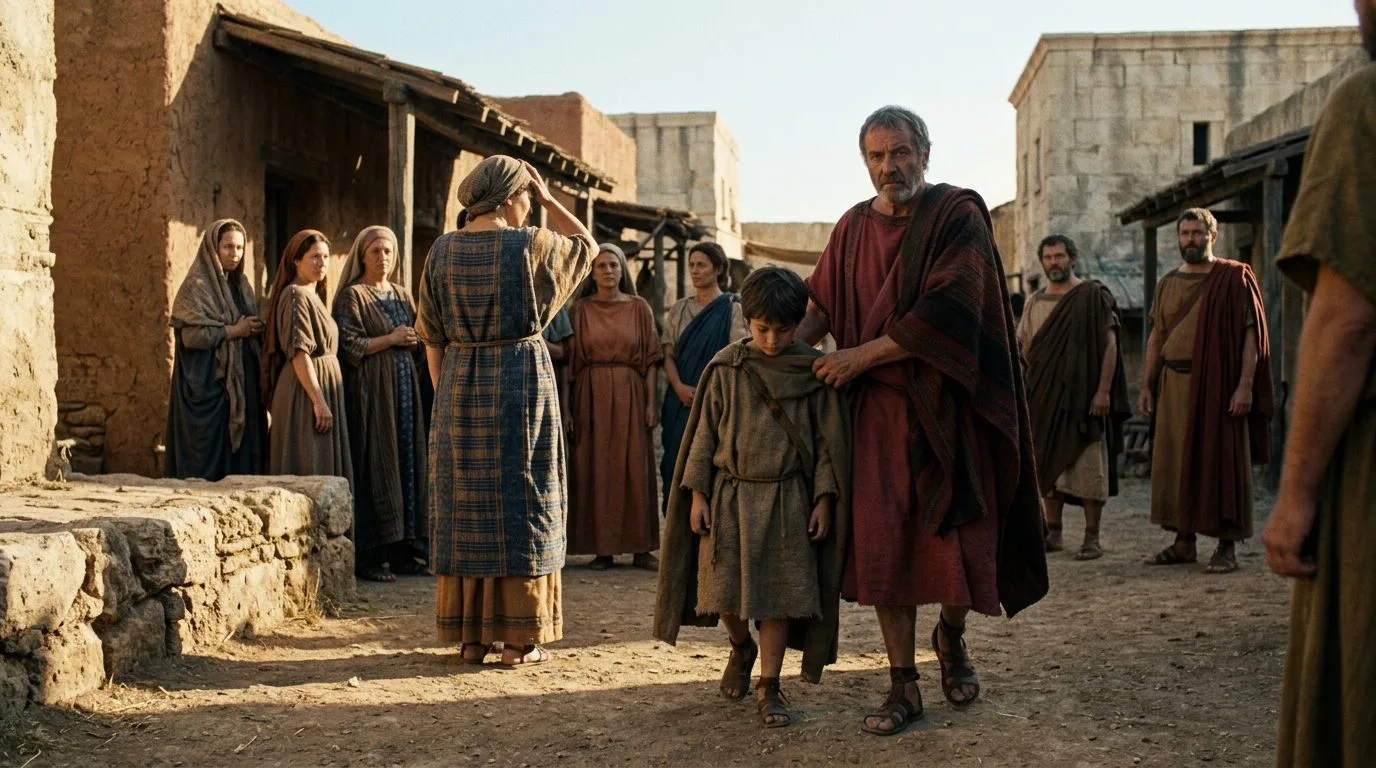
Young Spartan boys torn from mothers’ arms.
In 480 BCE, as Persian armies massed at Thermopylae, every Spartan warrior defending the pass had survived the agoge—a state-mandated training program that began when boys turned seven. Spartan law required fathers to present their sons to the paidonomos (youth magistrate) who assigned them to training bands called agelai. These groups of roughly 15 boys lived together under an older youth leader called an eiren, typically age 18-20. The separation was permanent—boys saw their parents only during religious festivals. This system, established by the legendary lawgiver Lycurgus around 650 BCE, transformed Sparta from a typical Greek polis into history’s first militarized state. While Athenian boys learned geometry and rhetoric, Spartan seven-year-olds were learning to kill.
Source: britannica.com
2. Controlled Starvation Forced Boys to Become Expert Thieves
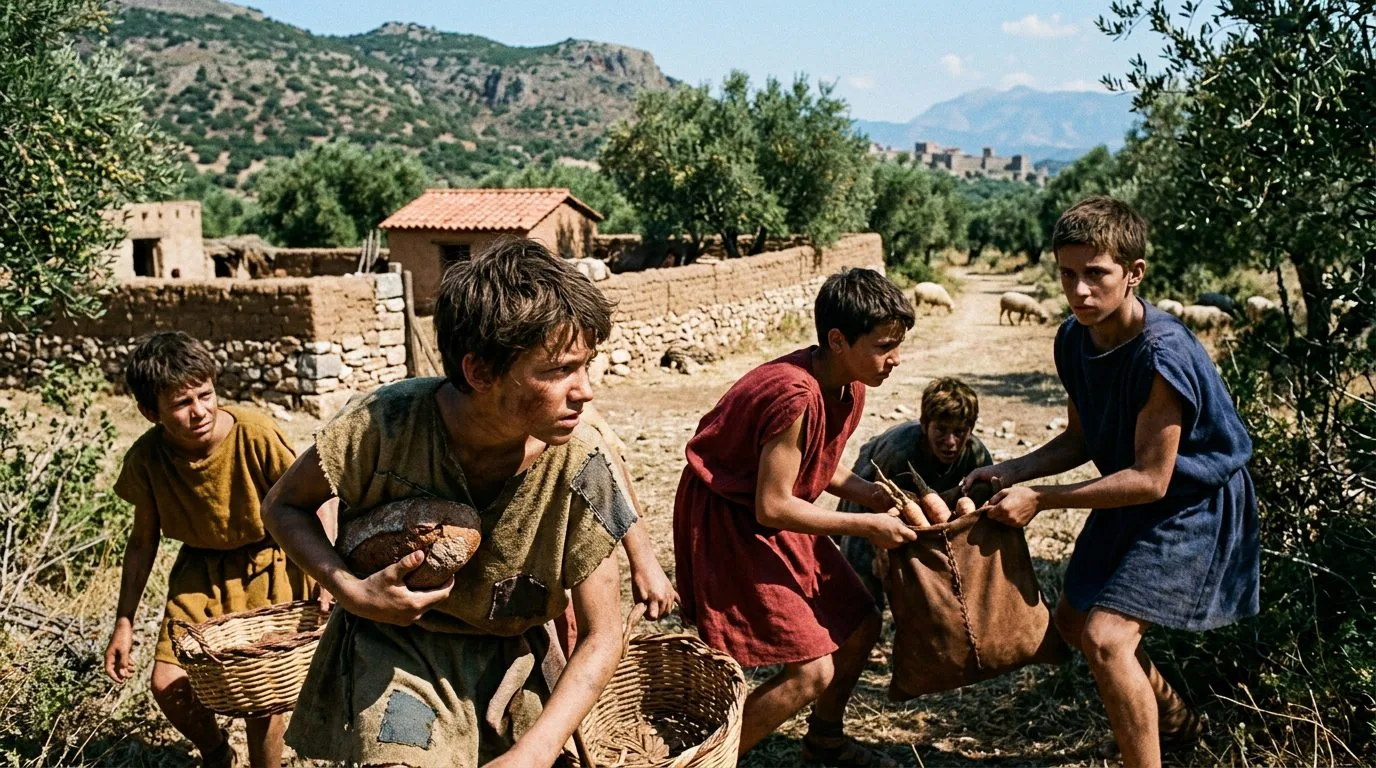
Desperate hunger drove children to steal for
Spartan trainers deliberately fed agoge students only 900-1000 calories daily—roughly half what growing adolescents need. The policy was intentional: hunger forced boys to steal food from nearby farms and estates, developing stealth and cunning. Getting caught, however, meant brutal punishment—not for stealing, but for incompetence in getting caught. The philosopher Plutarch recorded one notorious case from the mid-5th century BCE where a boy stole a fox, hid it under his cloak, and let it gnaw through his stomach rather than reveal his theft during inspection. He died without making a sound. This starvation protocol taught Spartans to forage during campaigns, allowing their armies to travel lighter and faster than enemies burdened with supply trains.
Source: history.com
3. The Crypteia Death Squads Hunted Slaves as Final Examination
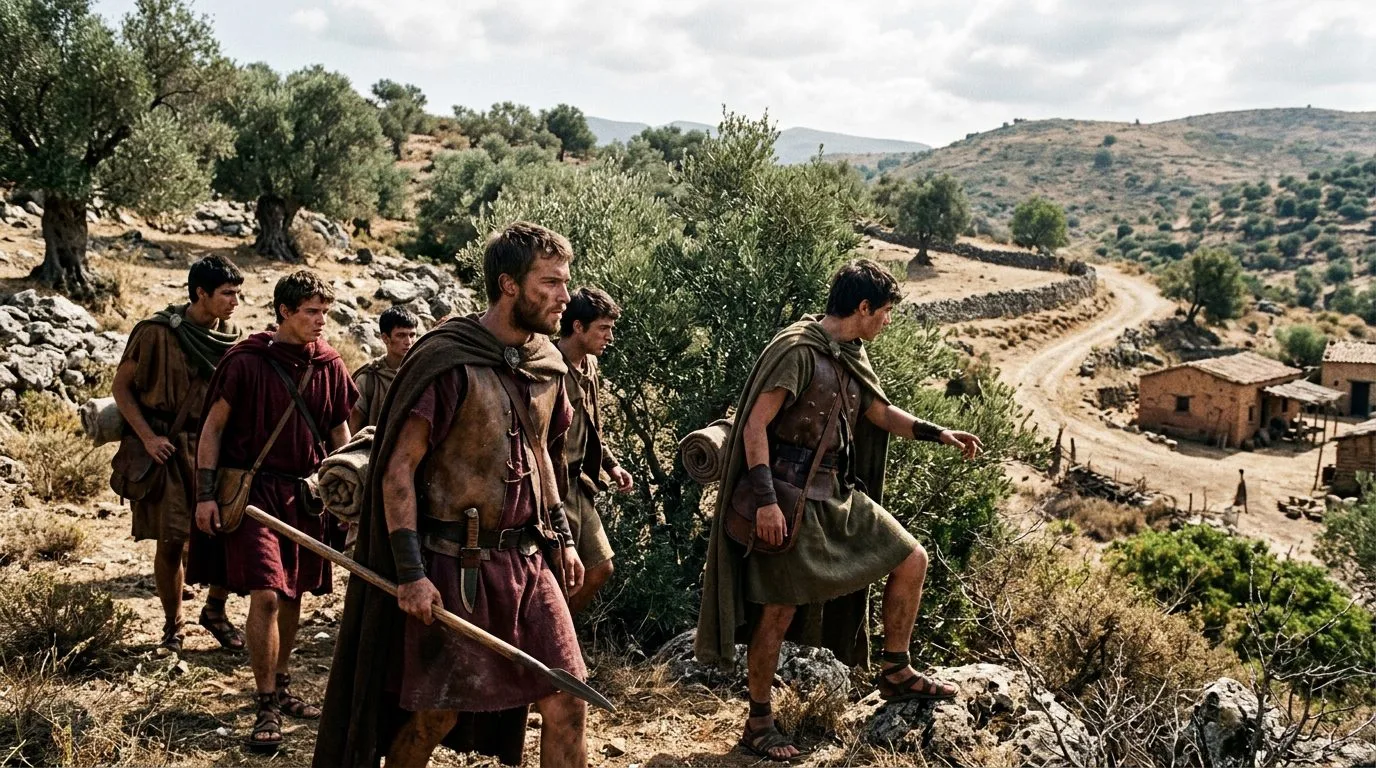
Young Spartan warriors on deadly night hunts.
At age 20, the most promising agoge graduates were selected for the crypteia—Sparta’s secret police force that terrorized the helot slave population. Each autumn, Spartan magistrates formally declared war on their own slaves, making their murder legal. Crypteia members received only a short blade and were sent into the countryside to hunt helots, particularly strong or intelligent ones who might lead revolts. These missions lasted weeks, with trainees surviving on stolen food while tracking and killing targets. The historian Thucydides noted that in 424 BCE, Spartan authorities promised freedom to 2,000 helots who had distinguished themselves in battle, then massacred all of them using crypteia operatives. This brutal initiation ensured only the most ruthless young men entered Sparta’s warrior elite.
Source: britannica.com
4. Bare-Handed Pankration Combat Began at Age Twelve
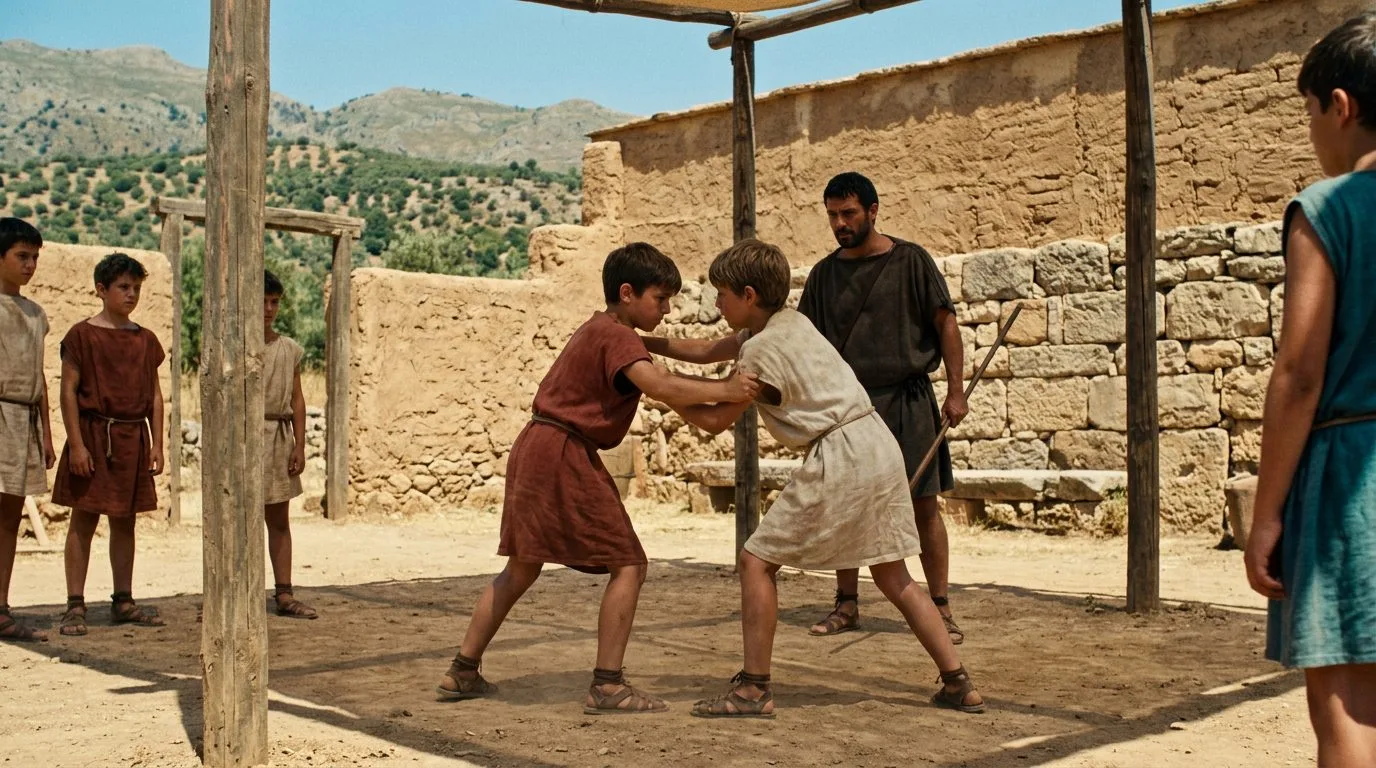
Bare-Handed Pankration Combat Began at Age Twelve
Spartan boys started training in pankration—ancient Greece’s brutal combination of boxing and wrestling—at age twelve. Unlike Olympic pankration which banned eye gouging and biting, Spartan instructors encouraged both. Fights continued until one opponent submitted, lost consciousness, or died. The agoge version specifically prepared warriors for situations where they lost their weapons in combat. Training sessions occurred in a sandy pit called the skamma, where boys fought naked regardless of weather. Xenophon described watching Spartan youths train in the early 4th century BCE, noting that many bore permanent scars from torn ears, broken noses, and gouged eyes. One documented match lasted four hours before both combatants collapsed from exhaustion and blood loss.
Source: history.com
5. Public Whipping Contests Tested Pain Endurance to Death
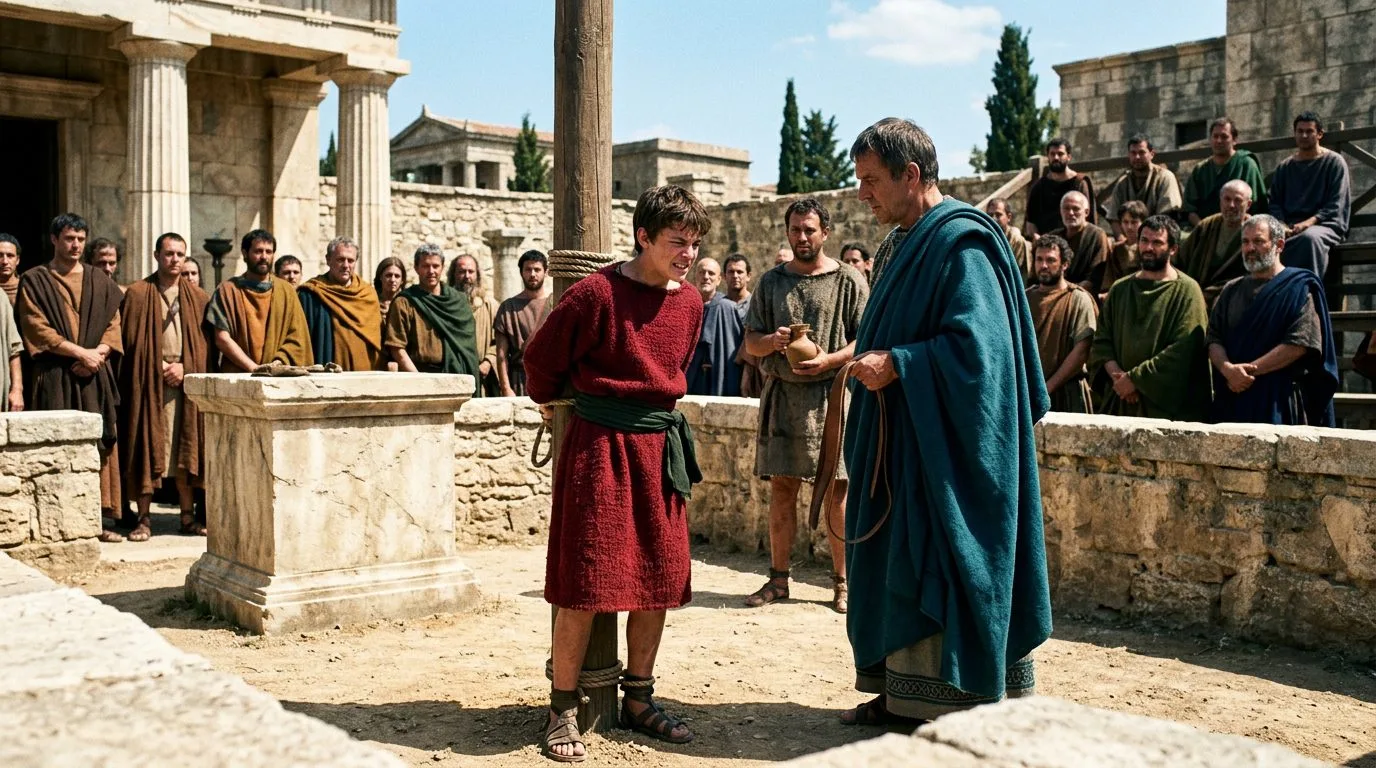
Public Whipping Contests Tested Pain Endurance to
Each year during the Diamastigosis festival at Sparta’s Sanctuary of Artemis Orthia, teenage boys competed to see who could endure the most whip lashes without crying out. The contest began around 600 BCE as a blood ritual—boys originally stole cheeses from the altar while adult Spartans beat them. By the late 5th century BCE, it evolved into pure endurance testing where competitors were whipped until they collapsed or died. Archaeological evidence from the sanctuary shows an amphitheater built in the Hellenistic period specifically for spectators to watch these contests. Roman tourists later visited Sparta to witness the spectacle. Several boys died annually during the ritual, and their deaths were considered honorable. Winners received nothing but reputation—the most valuable currency in Spartan society.
Source: britannica.com
6. Mock Battles With Wooden Weapons Drew Real Blood
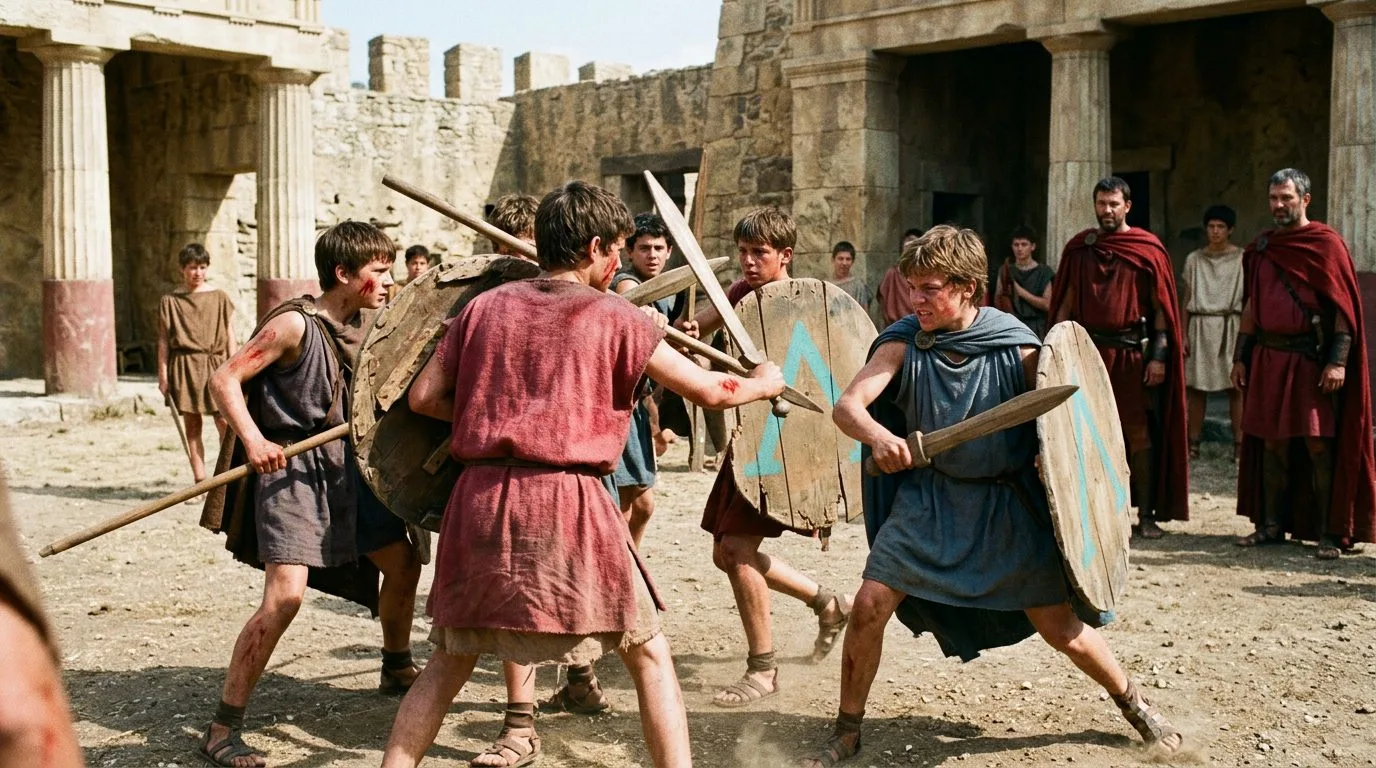
Mock Battles With Wooden Weapons Drew Real Blood
Spartan training employed wooden replicas of spears, swords, and shields—but these weren’t safe practice tools. The xiphos wooden sword weighed 8-10 pounds, twice the weight of bronze combat blades, building arm strength through constant drilling. Mock battles called anabasis occurred weekly, with two agoge groups fighting for hours using full-force strikes. Broken bones, concussions, and lost teeth were common outcomes considered valuable lessons. The wooden aspis shield replica weighed 35 pounds compared to the 16-pound bronze battle version, ensuring real shields felt light in actual combat. By age eighteen, a Spartan youth had participated in approximately 500 mock battles. This repetition made phalanx movements instinctive—Spartan armies could execute complex maneuvers without verbal commands.
Source: britannica.com
7. Mountain Survival Training Killed the Unprepared
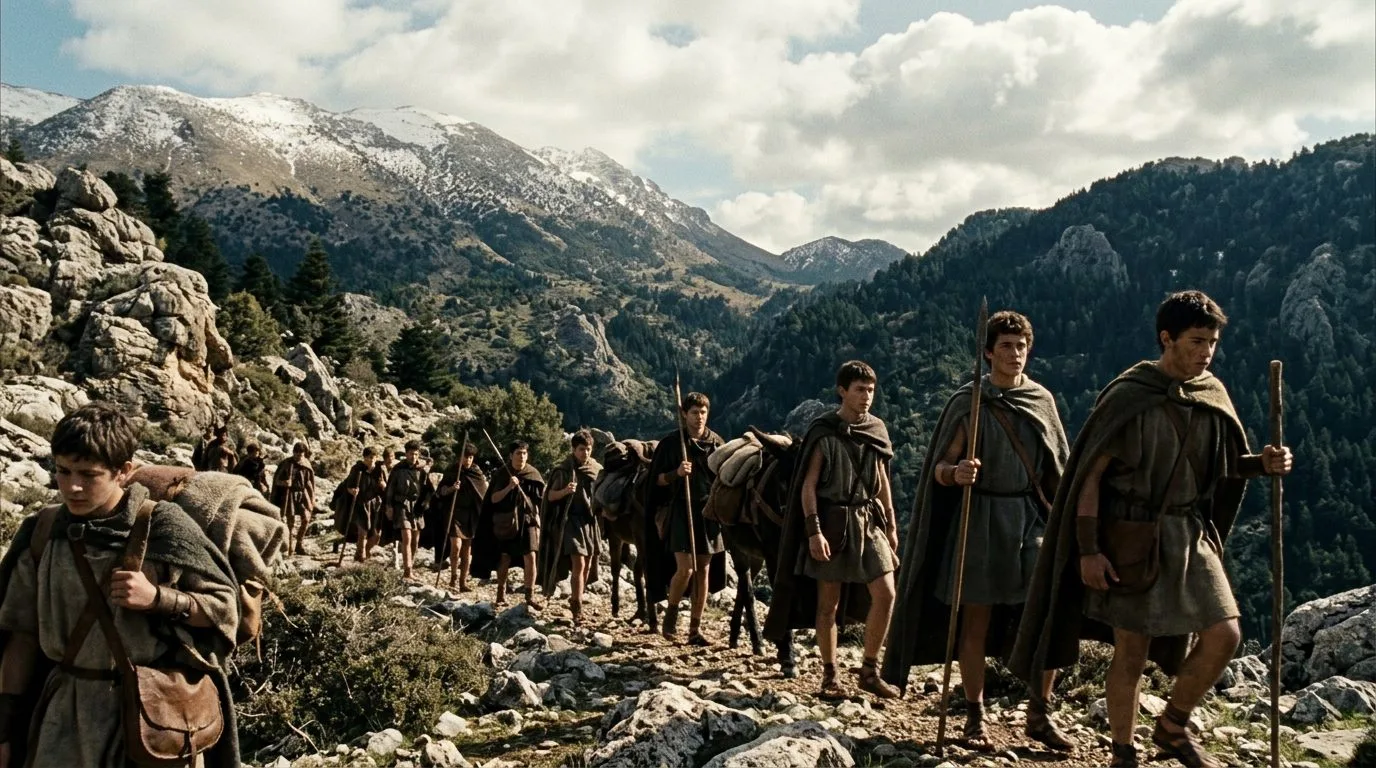
Mountain Survival Training Killed the Unprepared
At age fifteen, agoge students faced the diamonitai—a months-long survival test in the Taygetus Mountains that rise 7,900 feet above Sparta. Boys received no food, weapons, or supplies beyond a single woolen cloak. They survived by hunting with improvised weapons, eating raw meat, and sleeping in caves during winter when temperatures dropped below freezing. The same mountain range where Spartans exposed weak infants to die now tested adolescents. Approximately 10-15% of boys died during these trials from exposure, starvation, or falls. Those who survived learned to navigate by stars, predict weather patterns, and identify edible plants. When the Spartan king Leonidas held Thermopylae for three days in 480 BCE, his 300 warriors needed no supply line—mountain training had taught them to live on almost nothing.
Source: history.com
8. Communal Mess Hall Trials Enforced Absolute Equality
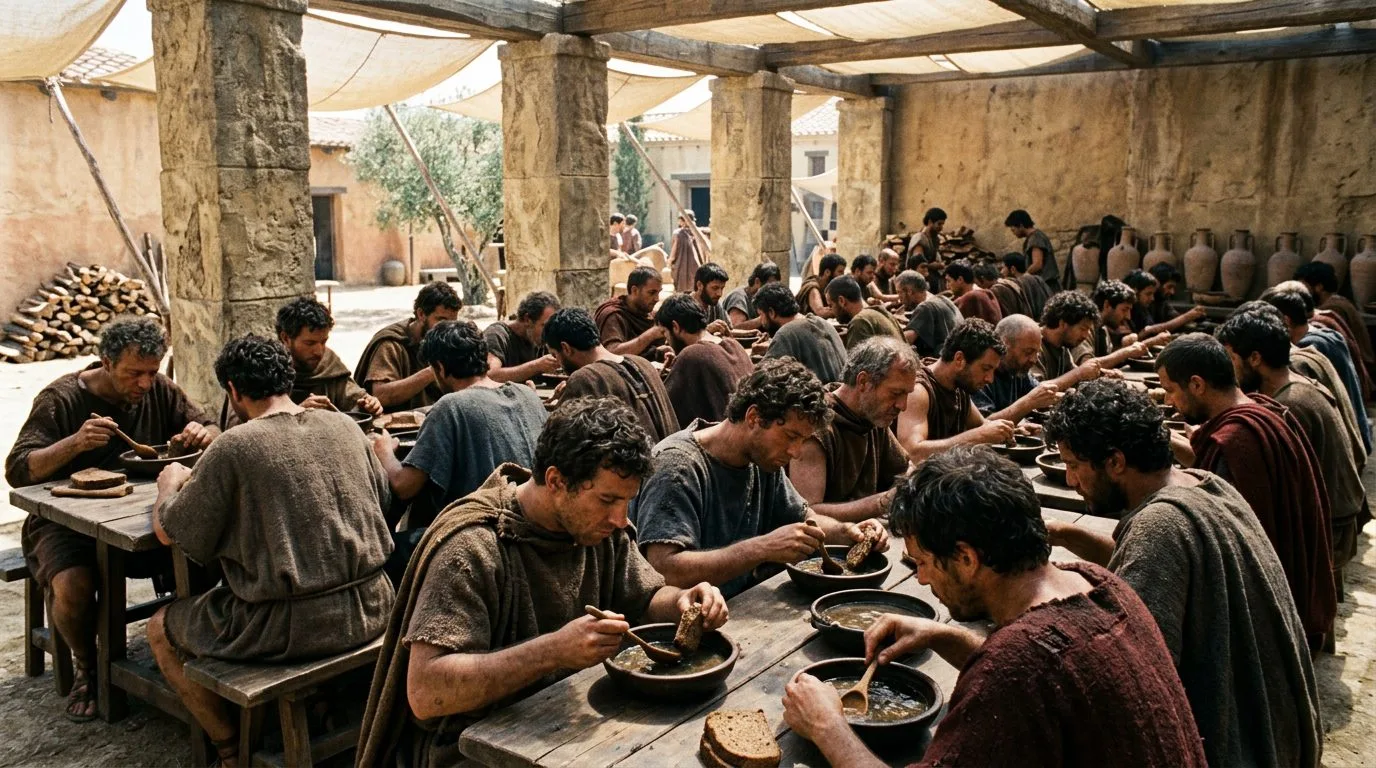
Workers gather for communal meals enforcing
The syssitia were mandatory communal dining halls where Spartan warriors ate identical meals of black broth—a disgusting mixture of pork blood, vinegar, and salt. Starting at age twelve, agoge students joined these messes and contributed food from their family estates. The meals were intentionally unpalatable; one visiting king from Pontus tasted the broth in the mid-5th century BCE and declared he now understood why Spartans had no fear of death. Each syssitia contained exactly 15 members who voted on admitting new members—a single blackball vote meant rejection and social death. These halls eliminated class distinctions; rich and poor Spartans ate the same revolting food. The system ensured warriors trusted their messmates absolutely, since these 15 men would form their phalanx unit in battle.
Source: britannica.com
9. Shield Wall Drills Repeated Ten Thousand Times
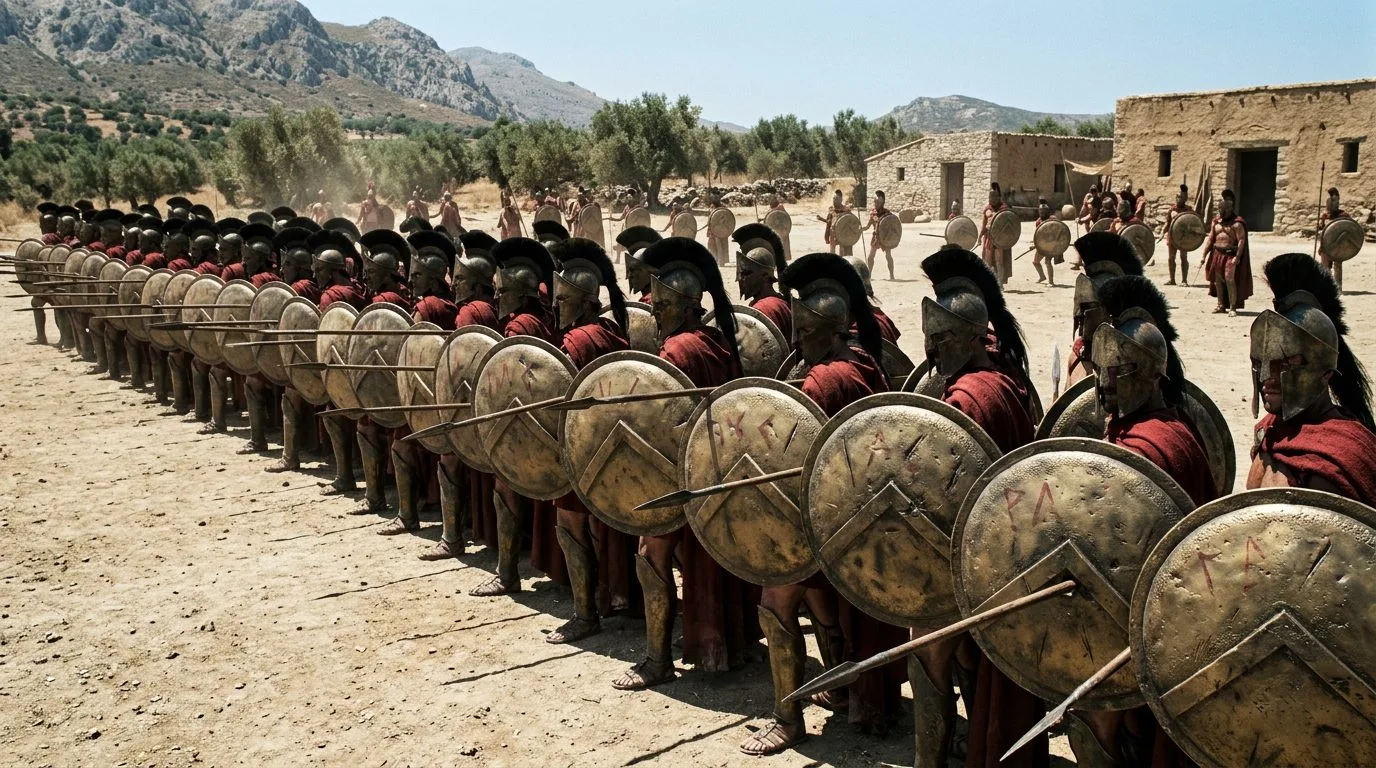
Shield Wall Drills Repeated Ten Thousand Times
Spartan training obsessed over the shield wall—the defensive formation where overlapping shields created an impenetrable barrier. Boys practiced the shield grip thousands of times: left arm through the central band (porpax) and hand gripping the edge rope (antilabe). The 16-pound aspis shield covered the bearer’s left side and his neighbor’s right side, making individual survival dependent on collective discipline. Instructors beat boys who let their shield drop even an inch during drills that lasted six hours. By age twenty, muscle memory was so ingrained that Spartans maintained shield walls while exhausted, wounded, or dying. At Thermopylae in 480 BCE, the Spartan phalanx held formation against Persian cavalry charges, arrow storms, and infantry waves for three consecutive days—their shields literally saved Greece from conquest.
Source: history.com
10. Graduation Required Proving Ruthlessness Against Helots
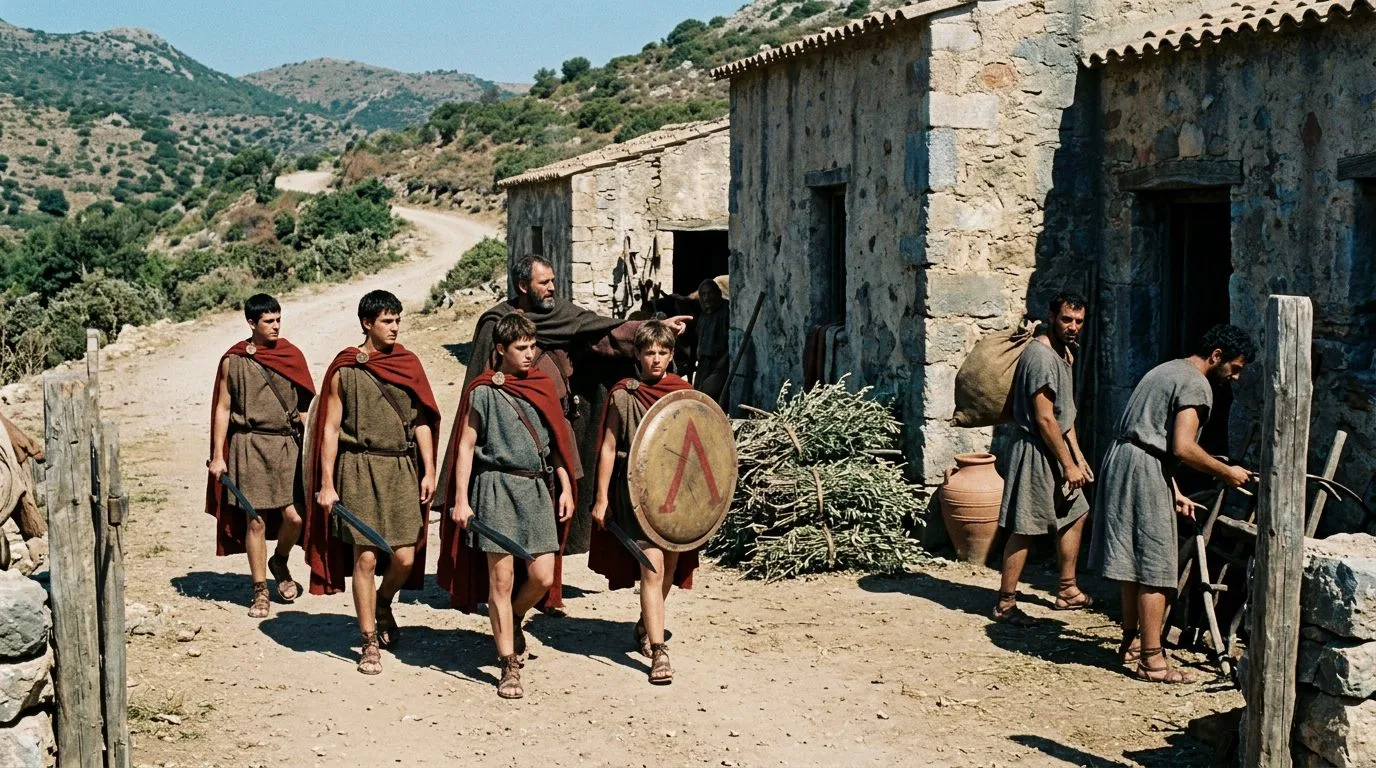
Spartan youths tested in combat against slaves.
Before receiving full Spartan citizenship at age twenty, agoge graduates faced a final test that modern sources debate but ancient writers confirmed—killing a helot slave in cold blood. This wasn’t crypteia hunting but ritualized murder demonstrating a warrior’s capacity for ruthless violence against unarmed victims. Sparta’s economy depended on terrorizing roughly 200,000 helots who outnumbered citizens seven to one. The state needed warriors psychologically capable of massacring rebellious slaves without hesitation. Plutarch recorded that helots were forced to drink unmixed wine until drunk, then paraded before agoge students as examples of degradation—immediately before some were executed. This final test ensured only men who valued Spartan survival over individual morality joined the warrior elite. By 371 BCE, when Thebes finally defeated Sparta at Leuctra, the brutality that forged warriors had also created a society incapable of change.
Source: britannica.com
Did You Know?
Did You Know? The Spartan agoge produced warriors so feared that their reputation alone won battles—yet this same system doomed Sparta to extinction. By forbidding warriors from commerce or crafts, Sparta created a shrinking elite class dependent on enslaved helots. When Thebes killed 400 full Spartan citizens at Leuctra in 371 BCE, the loss represented an irreplaceable 10% of the entire warrior class. Within a century, the terror state that once made Athens tremble could barely field 1,000 soldiers. The training that forged history’s fiercest warriors also guaranteed their society couldn’t survive a single catastrophic defeat.