
While Europe burned during the Dark Ages, a network of monasteries quietly saved Western civilization. These fortified sanctuaries didn’t just preserve knowledge—they invented new technologies, saved dying languages, and kept the flame of learning alive through centuries of chaos.
1. Monte Cassino: The Fortress That Survived Five Destructions
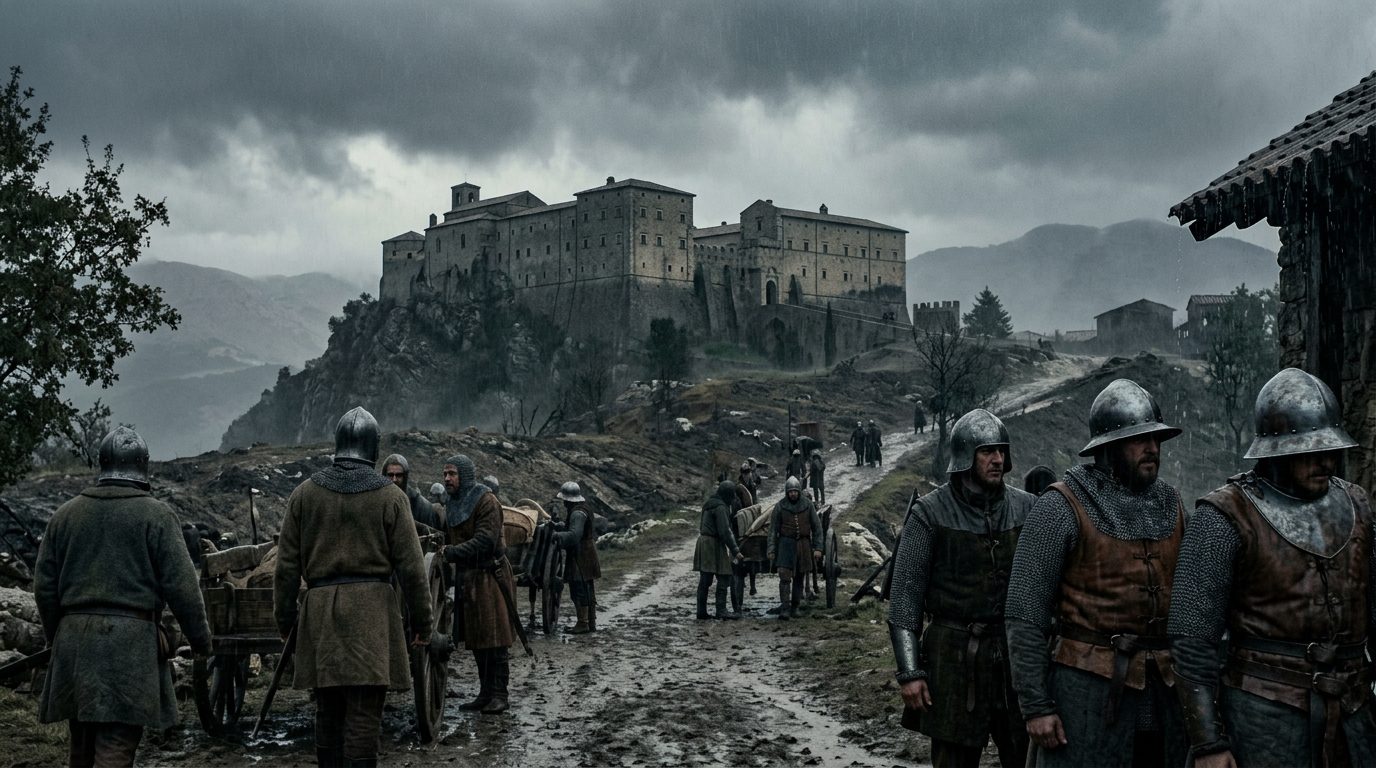
Monte Cassino
Benedict of Nursia founded Monte Cassino in 529 CE atop a mountain between Rome and Naples, creating the blueprint for Western monasticism. The monastery housed over 80,000 manuscripts at its peak, including the only surviving copies of works by Tacitus and Horace. Destroyed by Lombards in 577 CE, earthquakes in the mid-14th century, and during the Second World War, monks rebuilt it each time using the same architectural plans preserved in their archives. By 1071, the abbey controlled 872 churches across southern Italy and employed over 3,000 copyists who reproduced classical texts at a rate of one complete manuscript every six days.
Source: britannica.com
2. Vivarium: Where Roman Knowledge Met Christian Faith
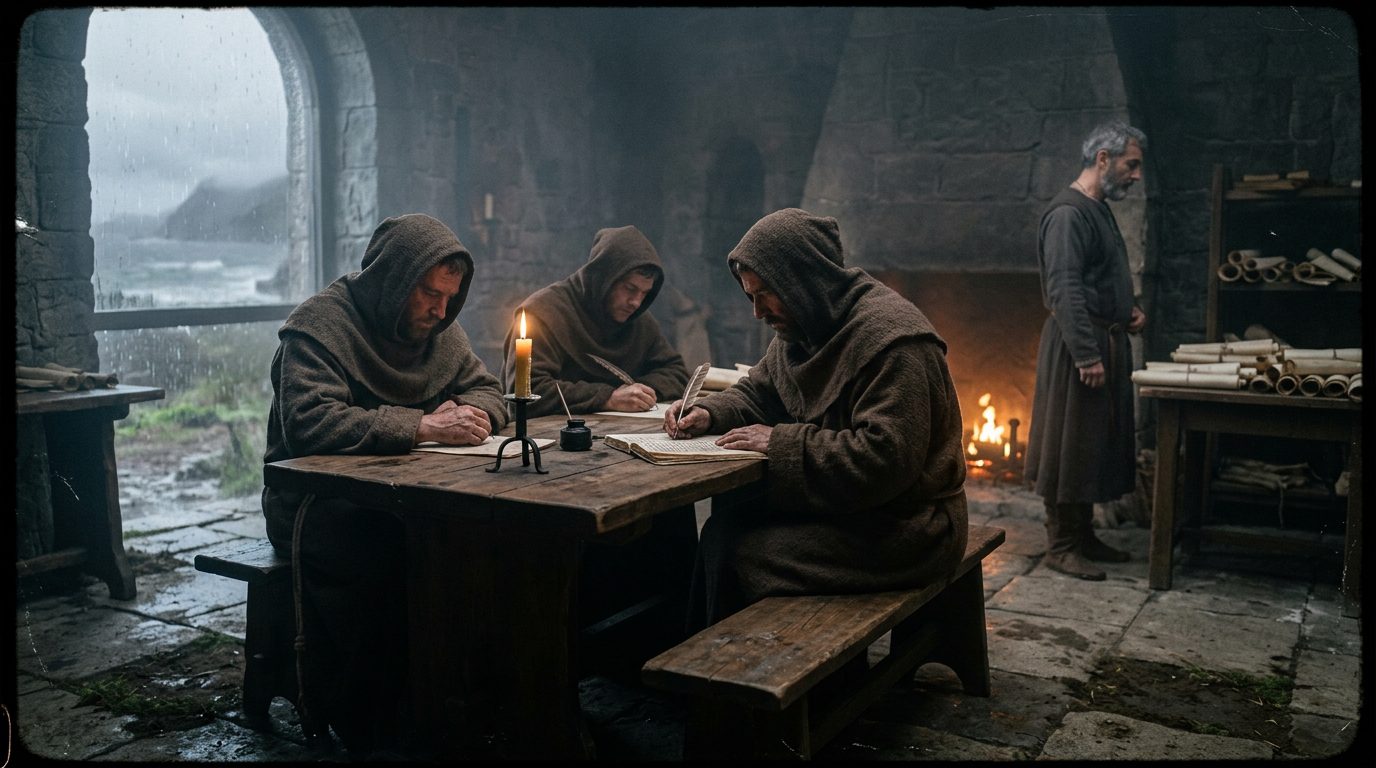
Vivarium
Cassiodorus established Vivarium in Calabria around 554 CE after his political career collapsed during Gothic wars. This monastery pioneered the scriptorium system where monks worked in heated, well-lit rooms copying both pagan and Christian texts—a revolutionary concept when most scholars viewed classical works as heretical. Cassiodorus invented marginalia, adding notes explaining difficult passages, and created the first known grammar textbook combining Latin rules with biblical examples. His institution preserved 97 classical works that would have otherwise vanished, including engineering treatises that later inspired Renaissance architects.
Source: history.com
3. Lindisfarne: The Island That Illuminated Britain
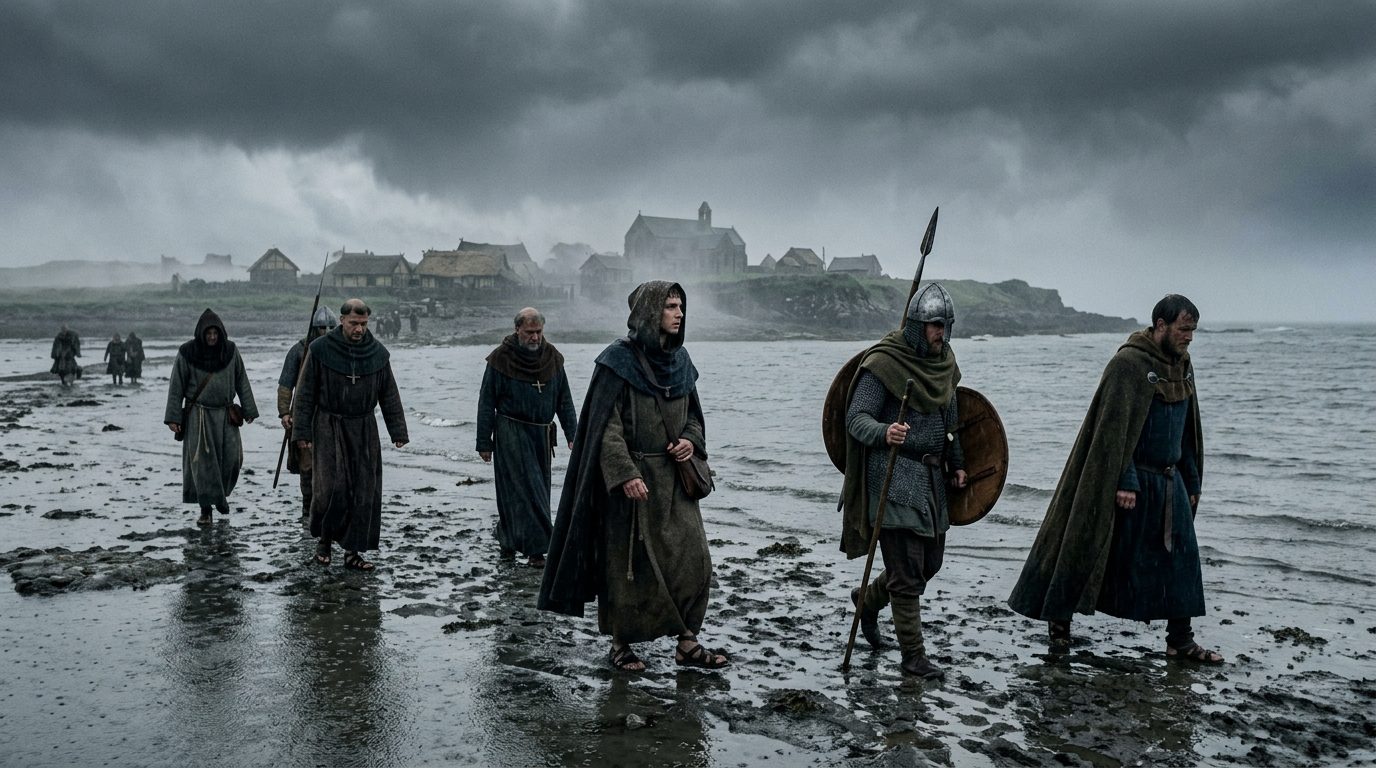
Lindisfarne: The Island That Illuminated Britain
Founded in 635 CE by Irish monk Aidan on a tidal island off Northumbria, Lindisfarne produced the Lindisfarne Gospels around 715 CE—259 pages requiring the skins of 129 calves and pigments from as far as the Himalayas. Monks developed insular script, blending Roman letters with Celtic flourishes, creating the most readable manuscript form of the early medieval period. When Vikings raided in 793 CE, killing everyone except one boy, the attack shocked Christian Europe into establishing better monastery defenses. The surviving scriptorium techniques spread to 43 daughter houses across Scotland and northern England.
Source: britannica.com
4. Cluny Abbey: The Medieval Empire of 10,000 Monks
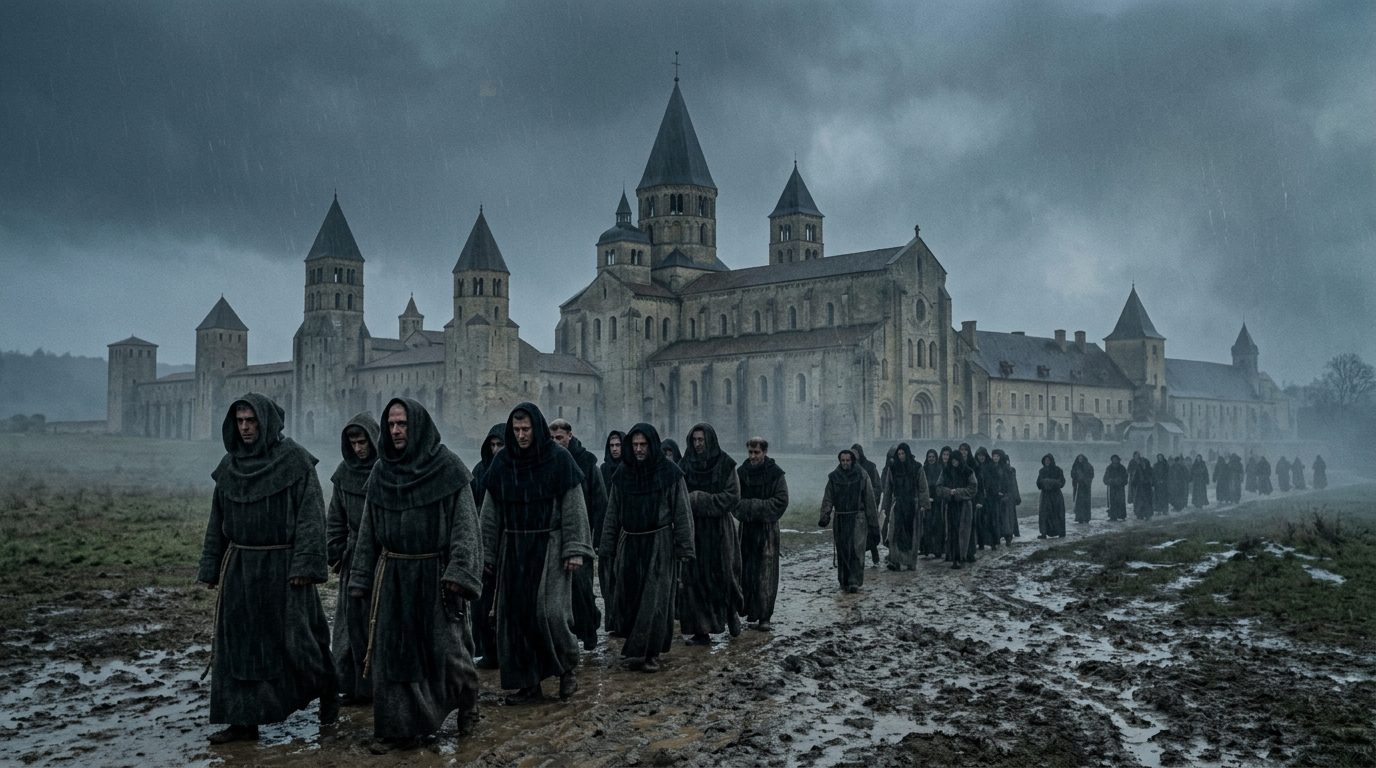
Cluny Abbey: The Medieval Empire of 10,000 Monks
Duke William of Aquitaine founded Cluny in 910 CE with unprecedented independence from local lords—reporting only to the Pope. By 1100, Cluny controlled 1,450 monasteries from Poland to Portugal, housing over 10,000 monks under a single abbot. The abbey church, built in 1088, stretched 187 meters long with five naves and 225 windows, making it Christianity’s largest building until the completion of St. Peter’s Basilica in the early 16th century. Cluniac reforms standardized liturgy, agricultural techniques, and manuscript production across Europe, effectively creating the first international corporation centuries before later commercial enterprises.
Source: smithsonianmag.com
5. St. Gall: The Monastery With a Blueprint for Perfection
St. Gall
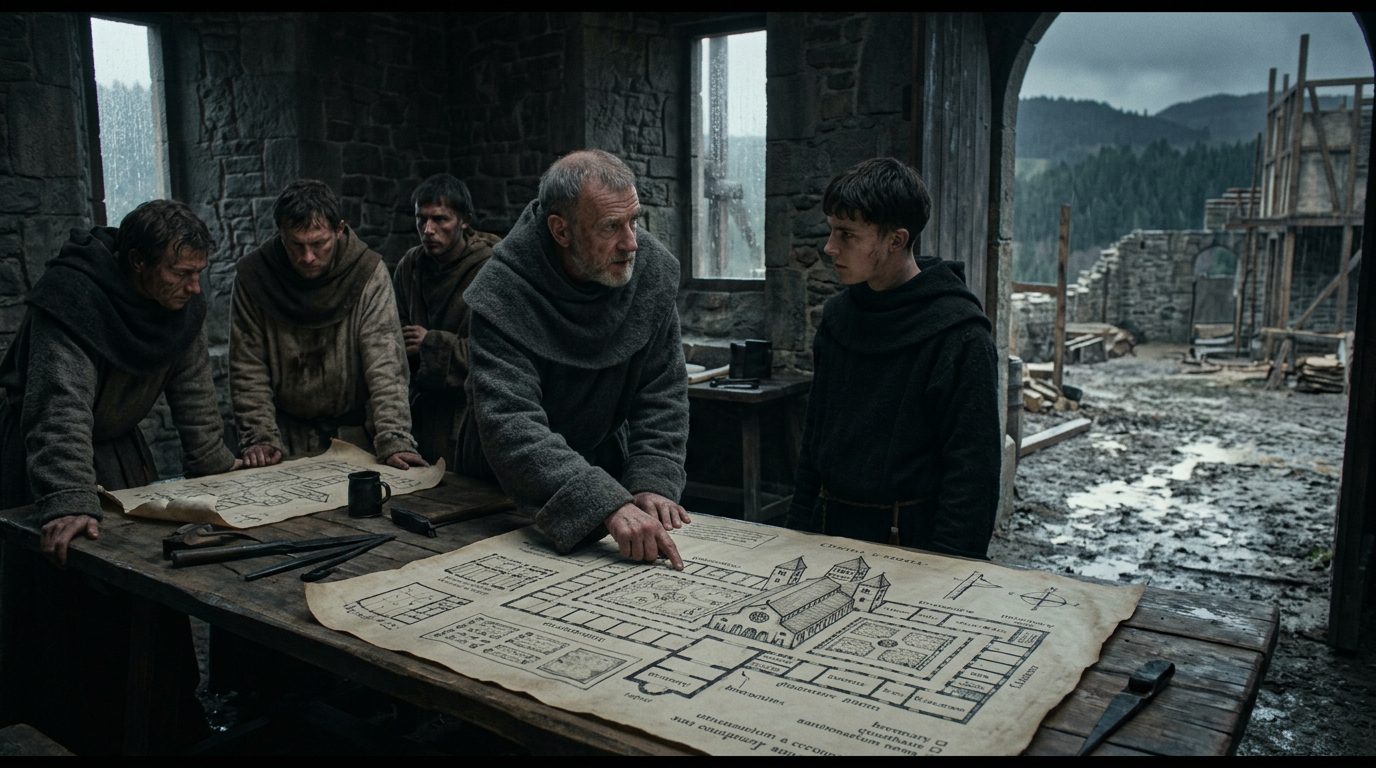
Irish monk Gallus established St. Gall in 612 CE in what is now Switzerland, but the monastery’s fame rests on a 9th-century parchment called the Plan of St. Gall. Drawn around 820 CE, this architectural blueprint details a self-sufficient monastery with 40 buildings including breweries, bakeries, hospitals, and a school—the only complete medieval architectural plan to survive. The monastery’s library accumulated 400,000 manuscripts by the mid-15th century, including the oldest known German-language books and the sole surviving copy of the epic poem Waltharius. Monks developed new binding techniques using wooden boards covered in leather, protecting texts from moisture for over 700 years.
Source: history.com
6. Bobbio: The Medical Library That Fought Plagues
Bobbio: The Medical Library That Fought Plagues
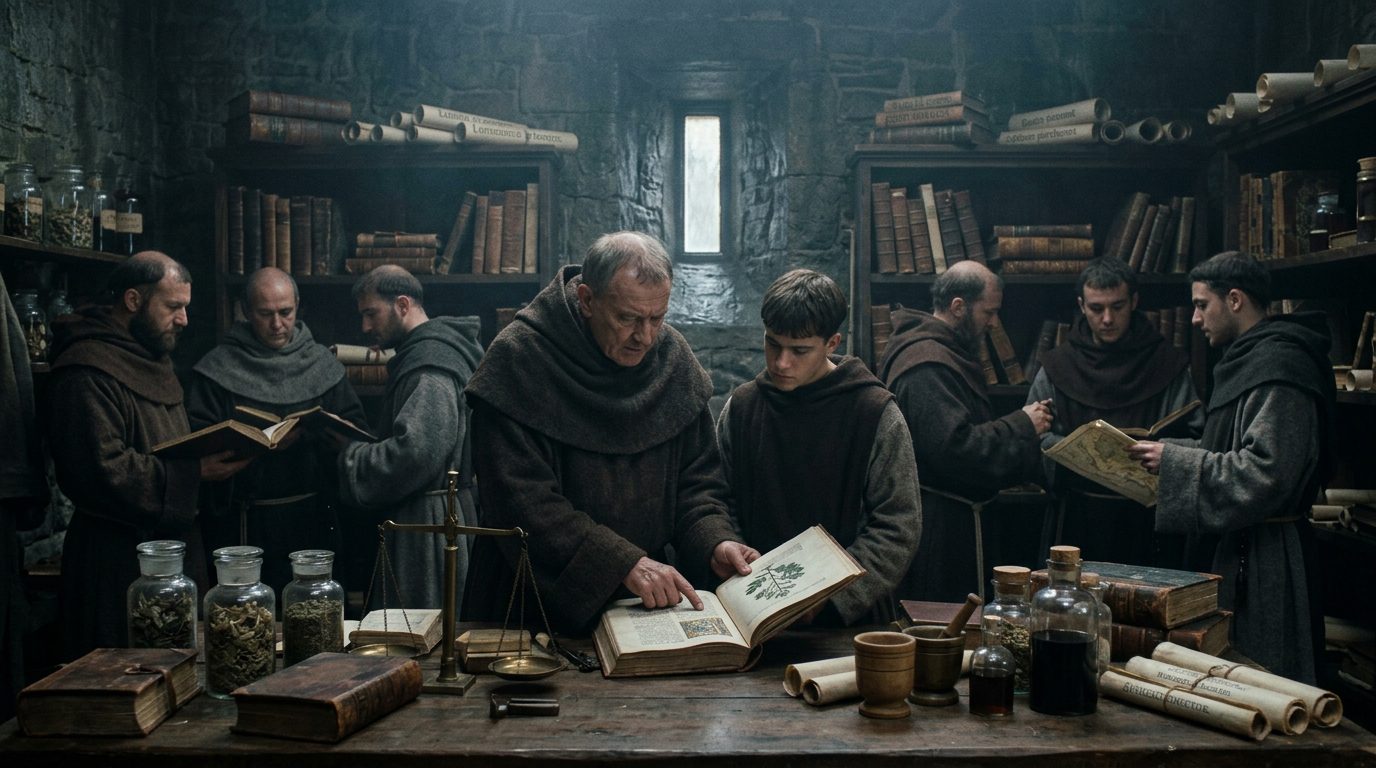
Columbanus founded Bobbio in 614 CE in northern Italy, creating what became medieval Europe’s premier medical research center. The monastery library contained 64 treatises on medicine by the late 10th century, including translations of Hippocrates and Galen lost elsewhere. Monks cultivated 73 medicinal plant species in experimental gardens, documenting treatments for plague, leprosy, and ergotism in manuscripts that physicians consulted into the 15th century. During the Black Death of the mid-14th century, Bobbio’s infirmary treated over 2,000 patients using isolation protocols and herbal remedies—achieving a survival rate of 22 percent when most plague victims died within three days.
Source: britannica.com
7. Reichenau: The Island Academy That Taught Emperors
Reichenau: The Island Academy That Taught Emperors
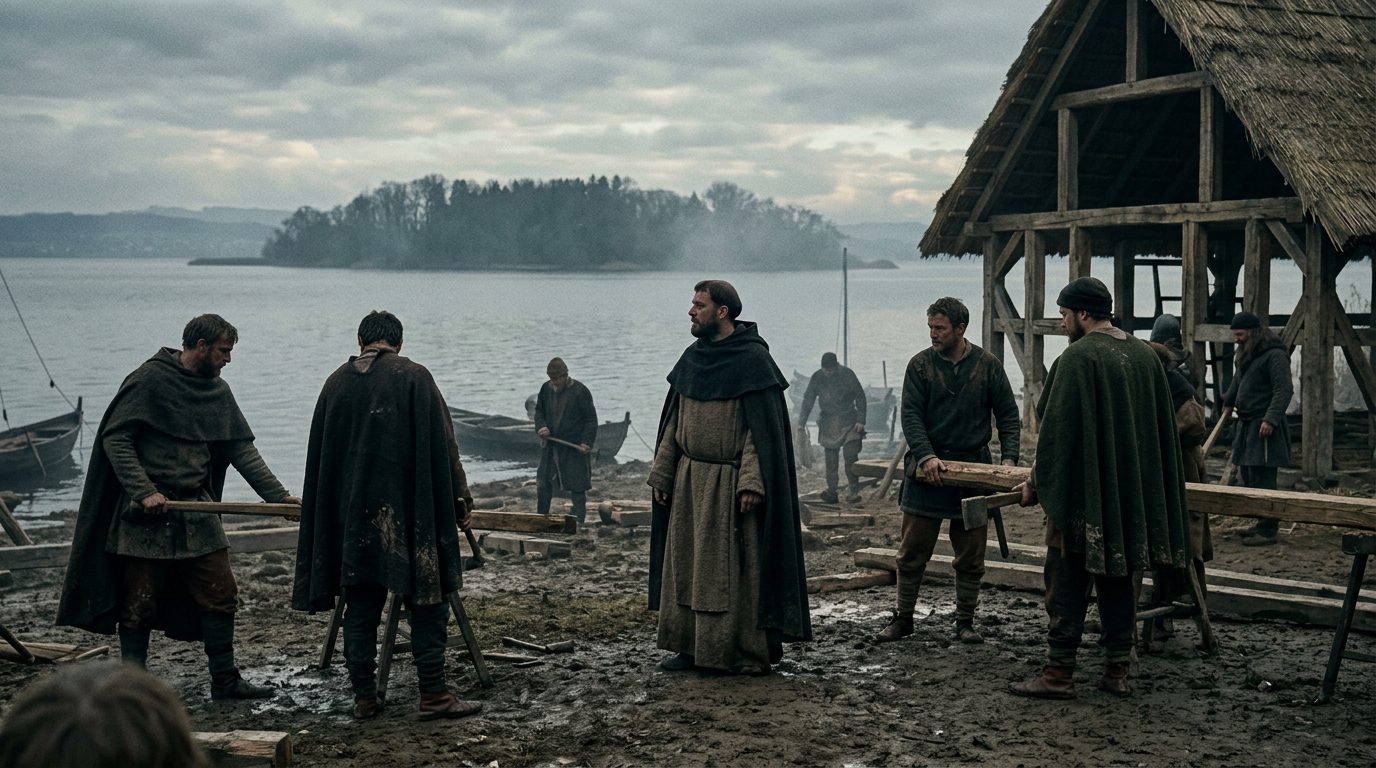
Pirmin established Reichenau on Lake Constance in 724 CE, and it rapidly became the Carolingian Empire’s intellectual powerhouse. The monastery school trained over 40 bishops and 3 popes between 800 and the year 1000, teaching the seven liberal arts to students who paid tuition in grain or livestock. Monks developed four-part musical notation around 850 CE, revolutionizing how plainchant was taught and transmitted across Europe. The scriptorium produced 246 surviving manuscripts with distinctive red and green illustrations, including the earliest known medical diagrams showing human anatomy with labeled organs—created centuries before university medical schools emerged.
Source: smithsonianmag.com
8. Fulda: The Monastery That Recorded Germanic Heritage
Fulda
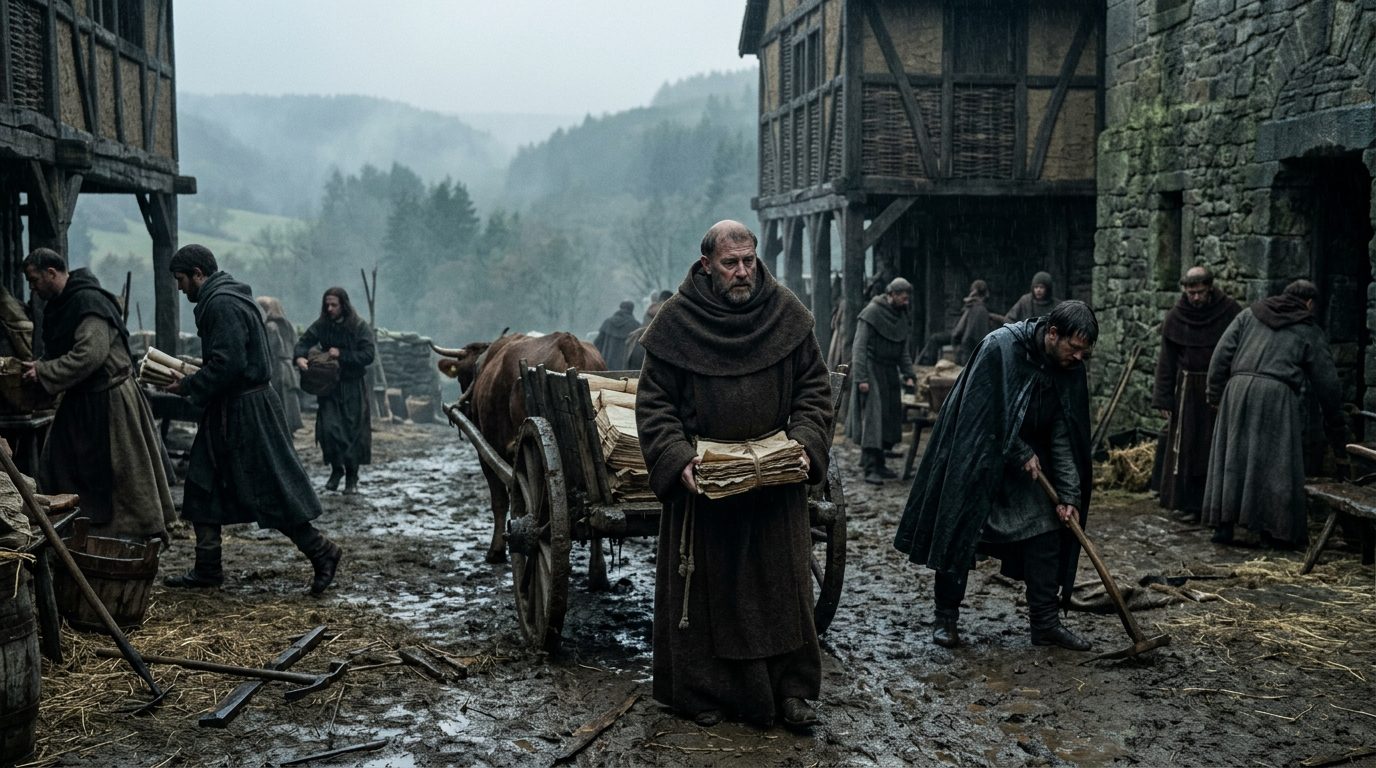
Sturm founded Fulda in 744 CE in central Germany, where monks undertook the controversial task of preserving pagan Germanic oral traditions alongside Christian texts. The monastery produced the Annals of Fulda, covering European history from 714 to 901 CE with unprecedented detail about Viking raids, Slavic migrations, and royal genealogies. Monks transcribed the Hildebrandslied around 830 CE—the oldest known German heroic poem—on the back pages of a Christian manuscript, hiding it from reformers who burned vernacular texts. By the mid-12th century, Fulda’s library contained 2,000 volumes including the only surviving copies of Tacitus’ early books on Germanic tribes.
Source: history.com
9. Corbie: The Factory That Mass-Produced Knowledge
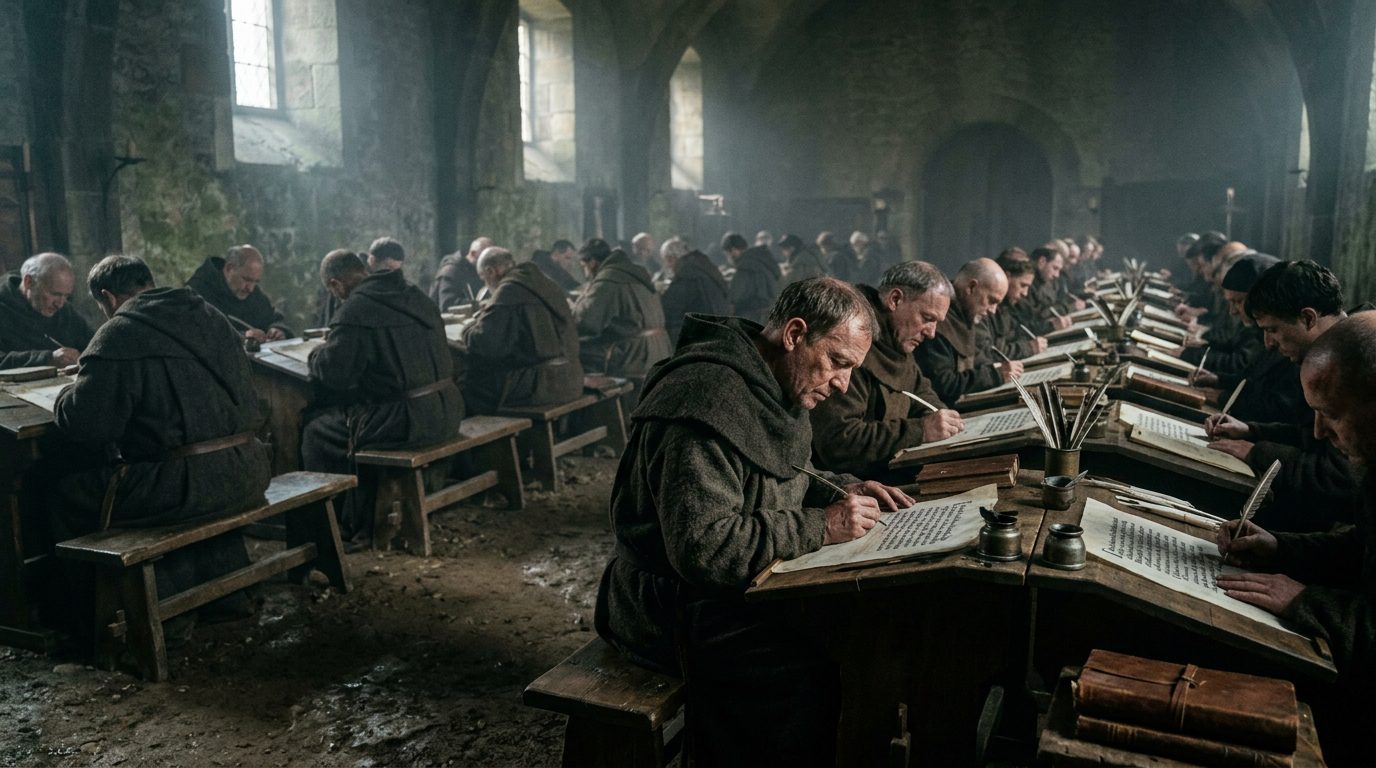
Corbie: The Factory That Mass-Produced Knowledge
Founded in 657 CE near Amiens, Corbie revolutionized book production by developing Carolingian minuscule script around 780 CE—lowercase letters that were 30 percent faster to write than Roman capitals. The monastery operated 12 scriptorium rooms simultaneously, employing 400 scribes who copied 6,500 manuscripts between 750 and the year 1000. Monks invented quire numbering and catchwords, quality-control techniques ensuring pages stayed in order, reducing errors from 15 percent to under 2 percent. Corbie’s daughter house at Corvey in Germany received 200 master manuscripts annually, creating a medieval information network that distributed texts faster than royal messengers traveled.
Source: britannica.com
10. Cîteaux: The Startup That Disrupted Medieval Monasticism
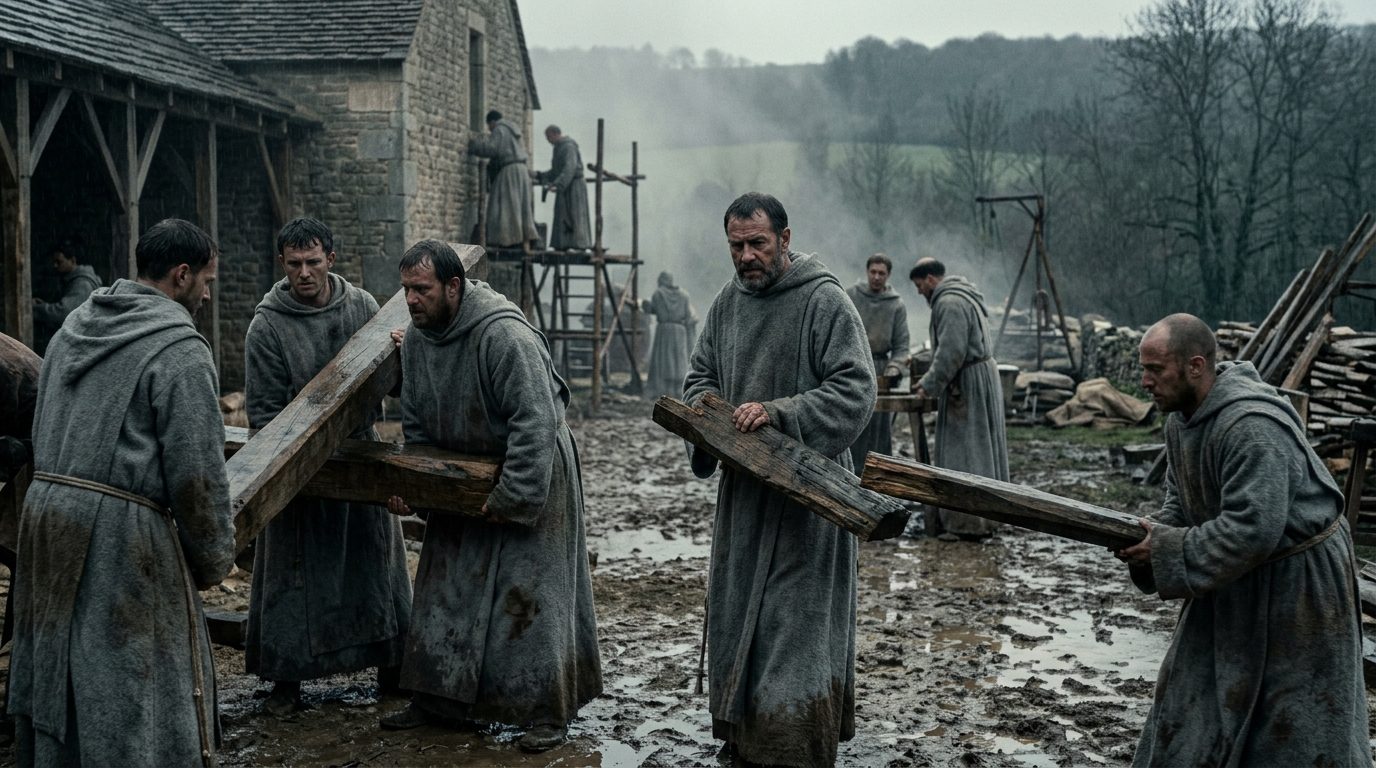
Cîteaux
Robert of Molesme founded Cîteaux in 1098 CE in Burgundy, rejecting Cluniac wealth and returning to strict Benedictine poverty. The Cistercian order exploded to 525 monasteries by the early 13th century through a franchise model requiring identical architecture, schedules, and agricultural methods across Europe. Monks pioneered industrial-scale sheep farming, operating flocks of 15,000 animals and inventing wool grading systems still used today. Their hydraulic engineering—water-powered mills, fish ponds, and irrigation channels—reclaimed over 200,000 acres of swampland. Cistercian agricultural manuals from the 12th century documented crop rotation, selective breeding, and cost accounting techniques that increased yields 300 percent above secular farms.
Source: smithsonianmag.com
Did You Know?
These monasteries weren’t passive libraries—they were laboratories, hospitals, schools, and farms that rebuilt civilization from scratch. The techniques they pioneered, from lowercase letters to crop rotation, still shape our world today. Knowledge doesn’t preserve itself; it requires obsessive dedication across generations.