
While Europe burned during the Dark Ages, a network of monasteries quietly saved Western civilization. These fortress-libraries preserved everything from Aristotle’s philosophy to beer-brewing techniques. Discover the 10 monasteries that changed history.
1. Monte Cassino: The Birthplace of Western Monasticism
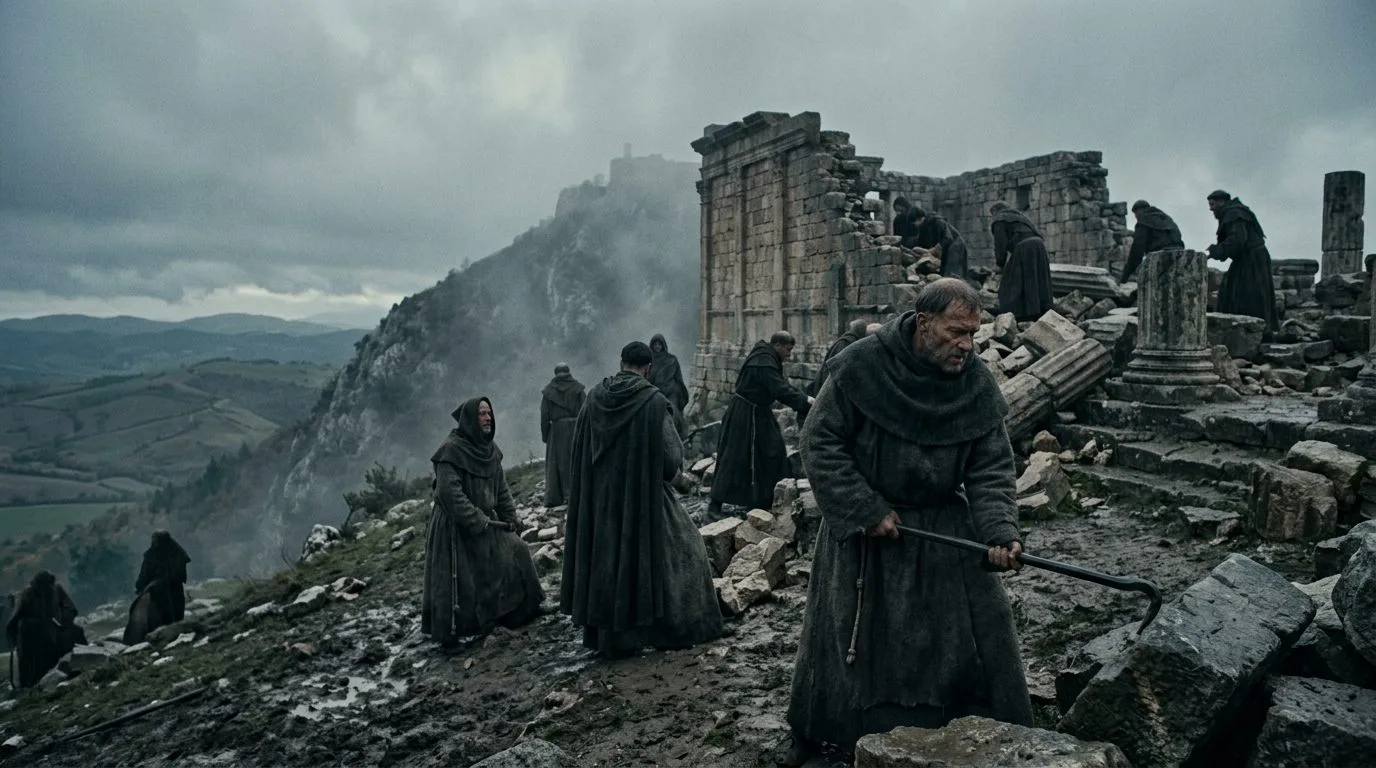
Monte Cassino
Benedict of Nursia founded Monte Cassino in 529 CE atop a Roman temple to Apollo in central Italy. His Rule of Saint Benedict created a revolutionary blueprint: monks would divide their days between prayer, manual labor, and copying manuscripts. This single monastery produced over 1,400 handwritten volumes before its destruction in World War II. Benedict’s system spread to 40,000 monasteries across Europe, creating the largest knowledge-preservation network in history. The abbey’s scriptorium employed 12 full-time scribes who copied everything from Virgil to Tacitus, ensuring classical learning survived barbarian invasions.
Source: britannica.com
2. Lindisfarne: Where Celtic and Roman Traditions Merged
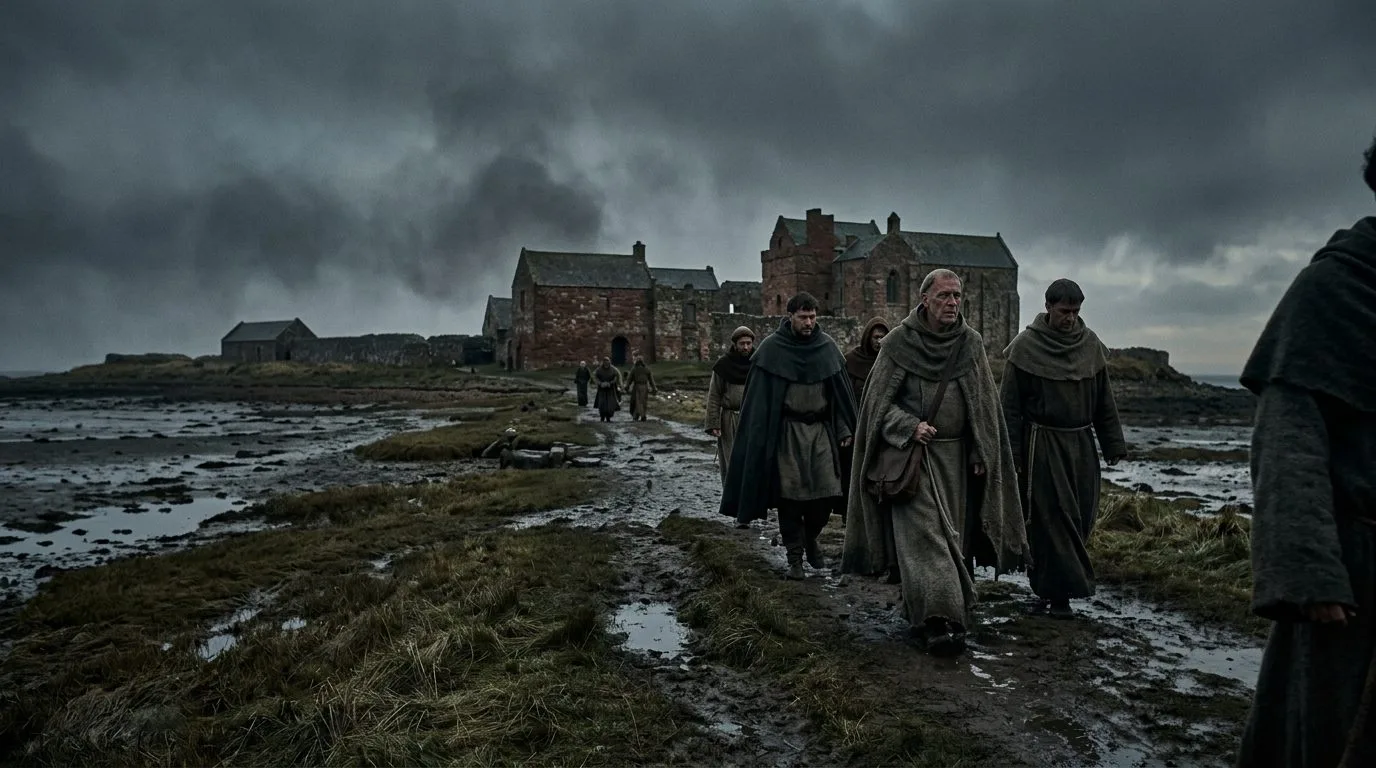
Lindisfarne
Founded in 635 CE on a tidal island off Northumbria’s coast, Lindisfarne produced the breathtaking Lindisfarne Gospels around 715 CE. Monk Eadfrith spent an estimated 2 years creating 259 pages of intricate Celtic knotwork and Latin text using pigments from 90 different sources. The monastery became a beacon of learning until Viking raiders destroyed it in 793 CE during history’s first recorded Viking attack. Before its fall, Lindisfarne trained over 300 missionary monks who spread literacy across northern Europe. The monastery’s unique fusion of Irish and Roman Christian traditions created a cultural bridge that shaped medieval England.
Source: britannica.com
3. Cluny Abbey: Medieval Europe’s Powerhouse
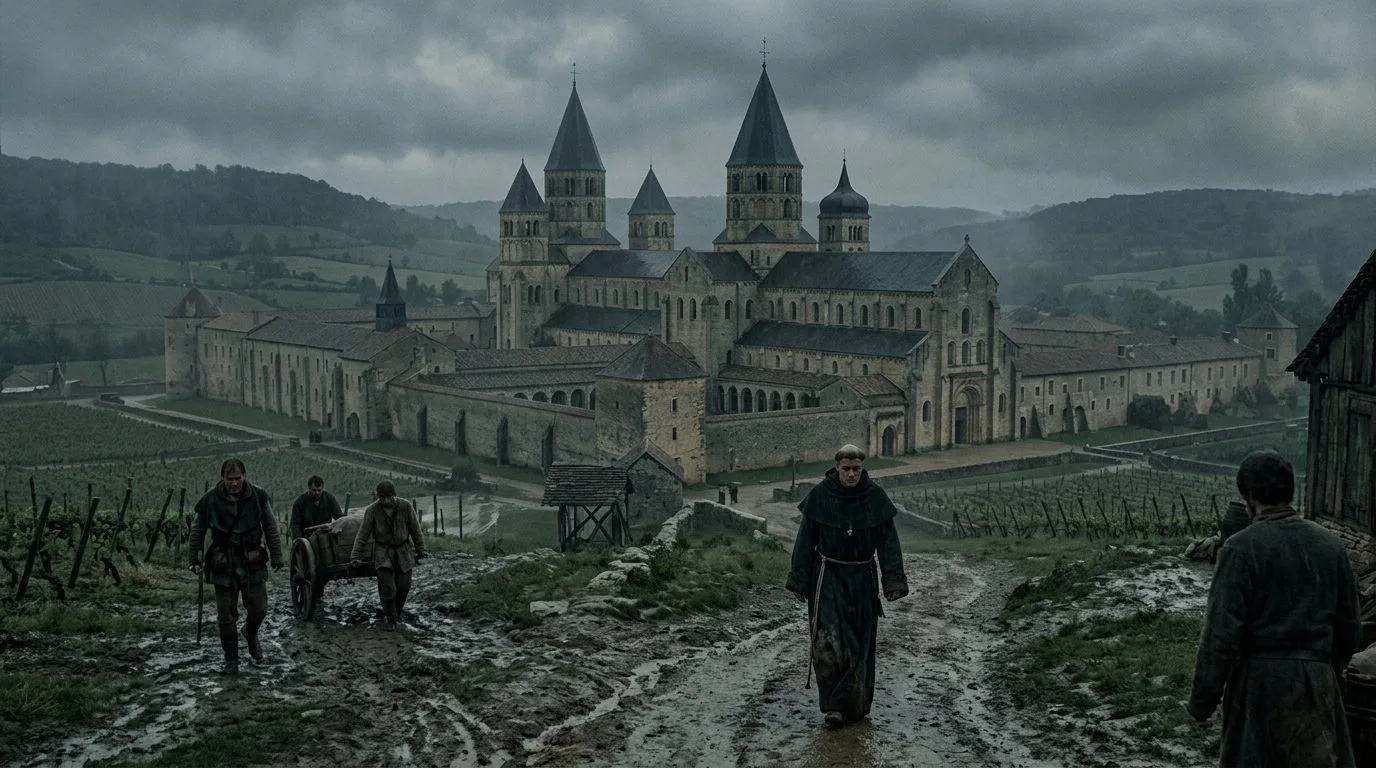
Cluny Abbey: Medieval Europe’s Powerhouse
When Duke William of Aquitaine founded Cluny in 910 CE in Burgundy, he placed it directly under papal protection, bypassing local nobles. Within 150 years, Cluny controlled 1,450 monasteries across Europe, forming Christianity’s first multinational organization. Its church, completed in 1130 CE, stretched 187 meters long—larger than Old St. Peter’s Basilica in Rome. The abbey’s scriptorium employed 40 scribes simultaneously, producing 570 books on agriculture, astronomy, and medicine. Cluny standardized religious practices across Europe and pioneered economic innovations like three-field crop rotation, directly influencing 2 million people under its spiritual authority.
Source: britannica.com
4. St. Gall: Switzerland’s Center of Learning
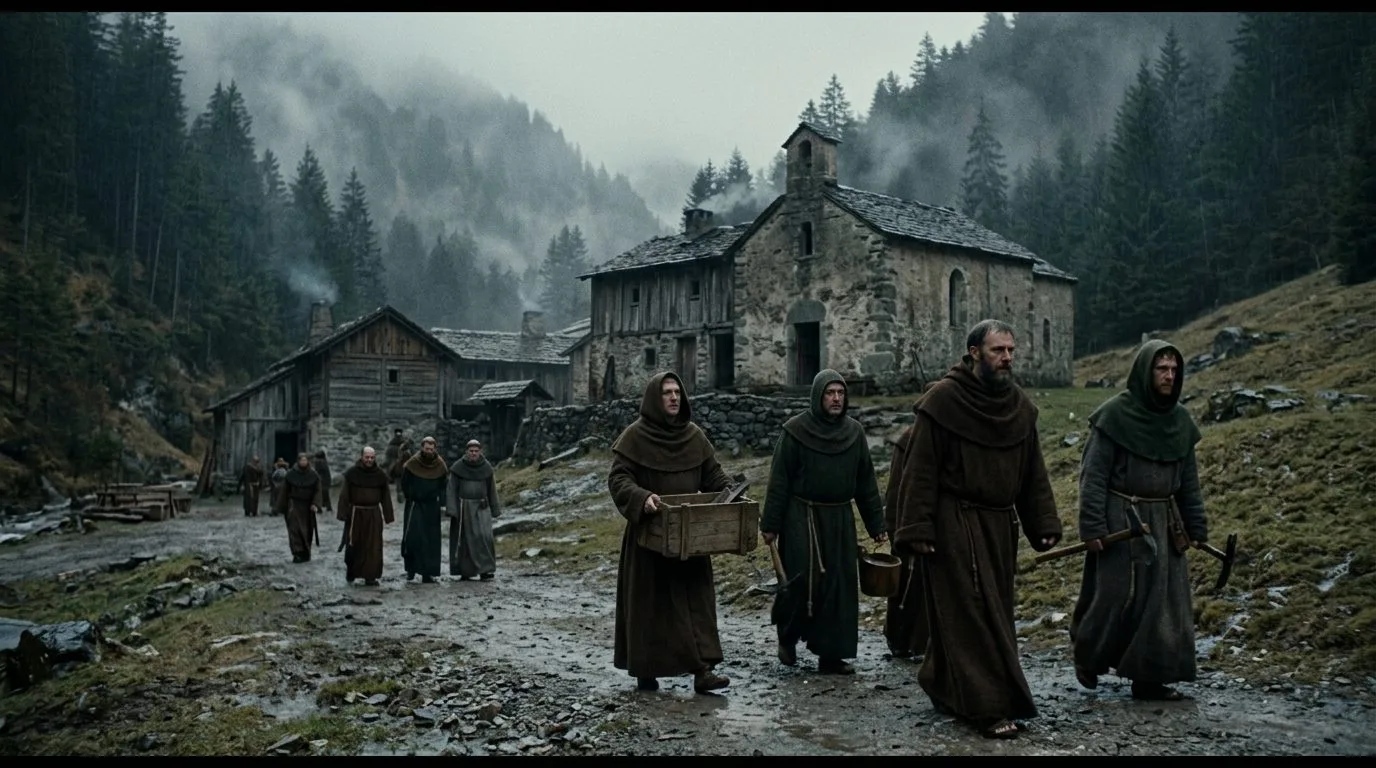
St. Gall: Switzerland’s Center of Learning
Irish monk Gallus established a hermitage in 612 CE that evolved into St. Gall Abbey by 719 CE in what is now Switzerland. The monastery’s library, still standing today, contains 160,000 documents including the famous Plan of St. Gall from 820 CE—the only surviving architectural blueprint from the early Middle Ages. St. Gall’s monks developed the first musical notation system around 900 CE, revolutionizing how knowledge transferred across generations. The scriptorium produced 400 manuscripts on subjects ranging from Virgil’s poetry to veterinary medicine. One monk, Notker the Stammerer, composed 40 hymns still sung in churches today.
Source: britannica.com
5. Bobbio Abbey: Italy’s Manuscript Treasure Vault
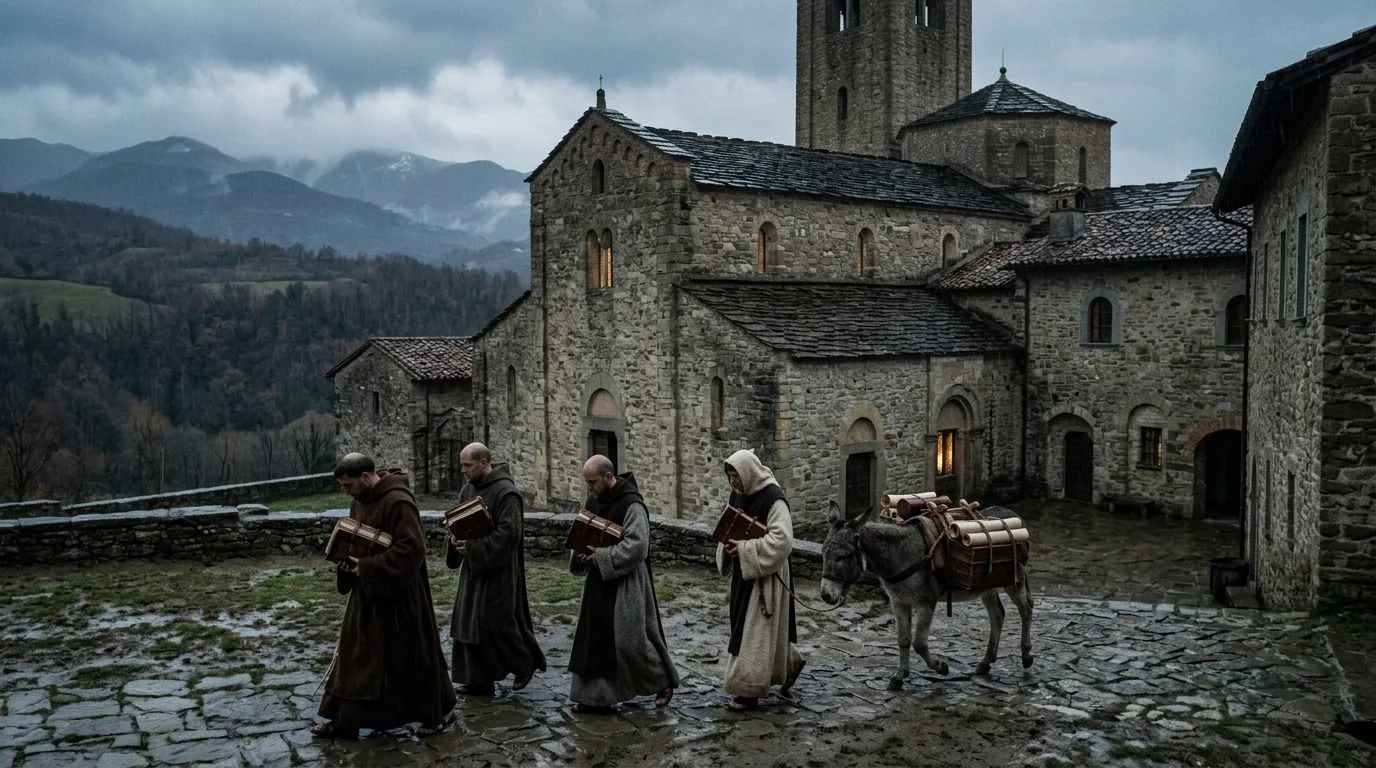
Bobbio Abbey: Italy’s Manuscript Treasure Vault
Irish missionary Columbanus founded Bobbio in 614 CE in northern Italy’s Trebbia Valley with just 12 companion monks. By 982 CE, its library contained 700 manuscripts—the largest collection in medieval Italy and 25 percent of all surviving classical Latin texts. Bobbio monks pioneered the ‘palimpsest’ technique, scraping expensive parchment to reuse it, inadvertently preserving fragments of lost Roman works beneath Christian texts. The monastery’s most famous treasure, a 7th-century copy of Virgil’s Aeneid, survived only because monks wrote prayers over it. Scholars discovered 150 lost classical texts hidden in Bobbio’s palimpsests during the 19th century.
Source: britannica.com
6. Fulda Abbey: Charlemagne’s Educational Cornerstone
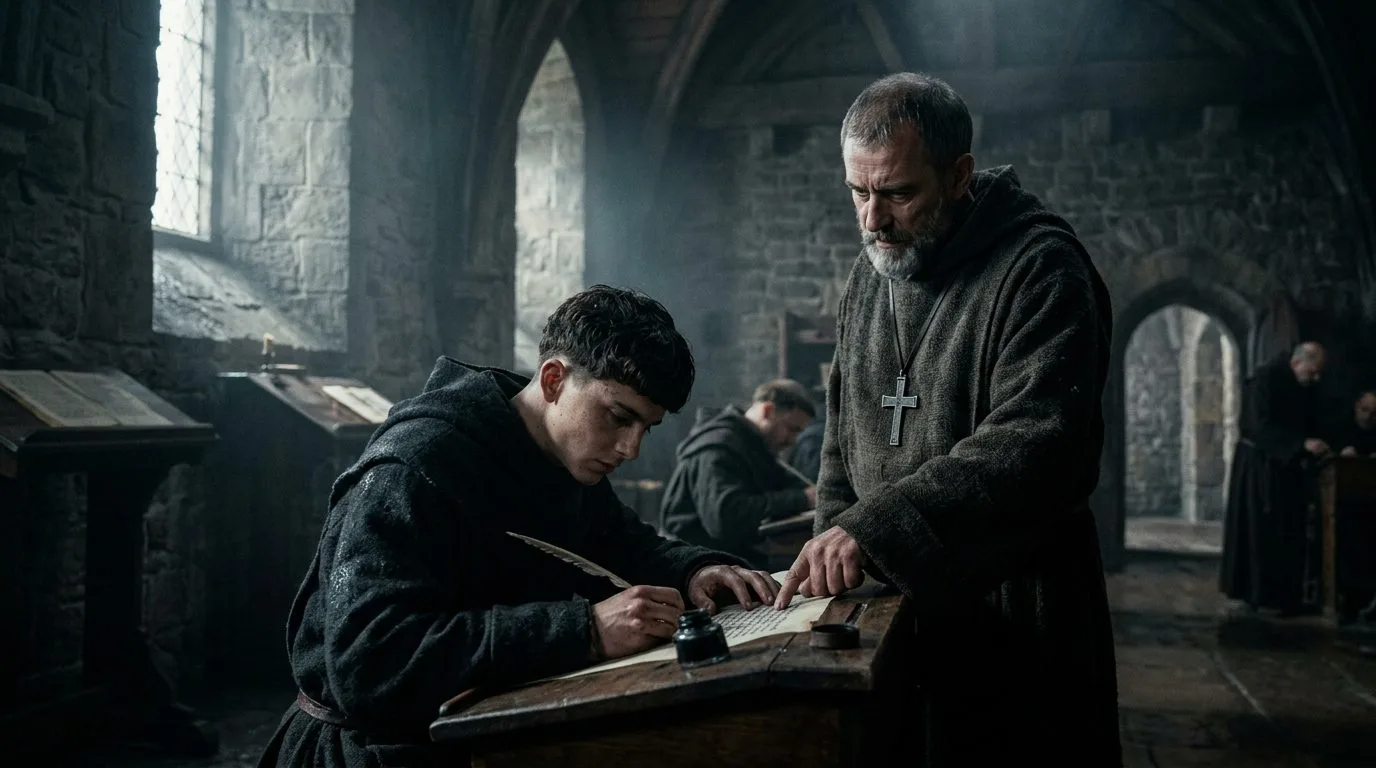
Fulda Abbey: Charlemagne’s Educational Cornerstone
Boniface founded Fulda in 744 CE in central Germany as a base for converting pagan Germanic tribes. Under Abbot Rabanus Maurus from 822 to 842 CE, Fulda became the intellectual heart of the Carolingian Renaissance, educating over 400 students annually in the trivium and quadrivium. The monastery’s scriptorium produced 1,000 manuscripts, including the only complete copy of Tacitus’s Annals that survived to modern times. Fulda monks developed improved agricultural techniques that increased wheat yields by 40 percent across Frankish territories. Charlemagne personally visited 3 times to consult with Fulda’s scholars on legal reforms.
Source: britannica.com
7. Reichenau Island: The Three-Abbey Wonder
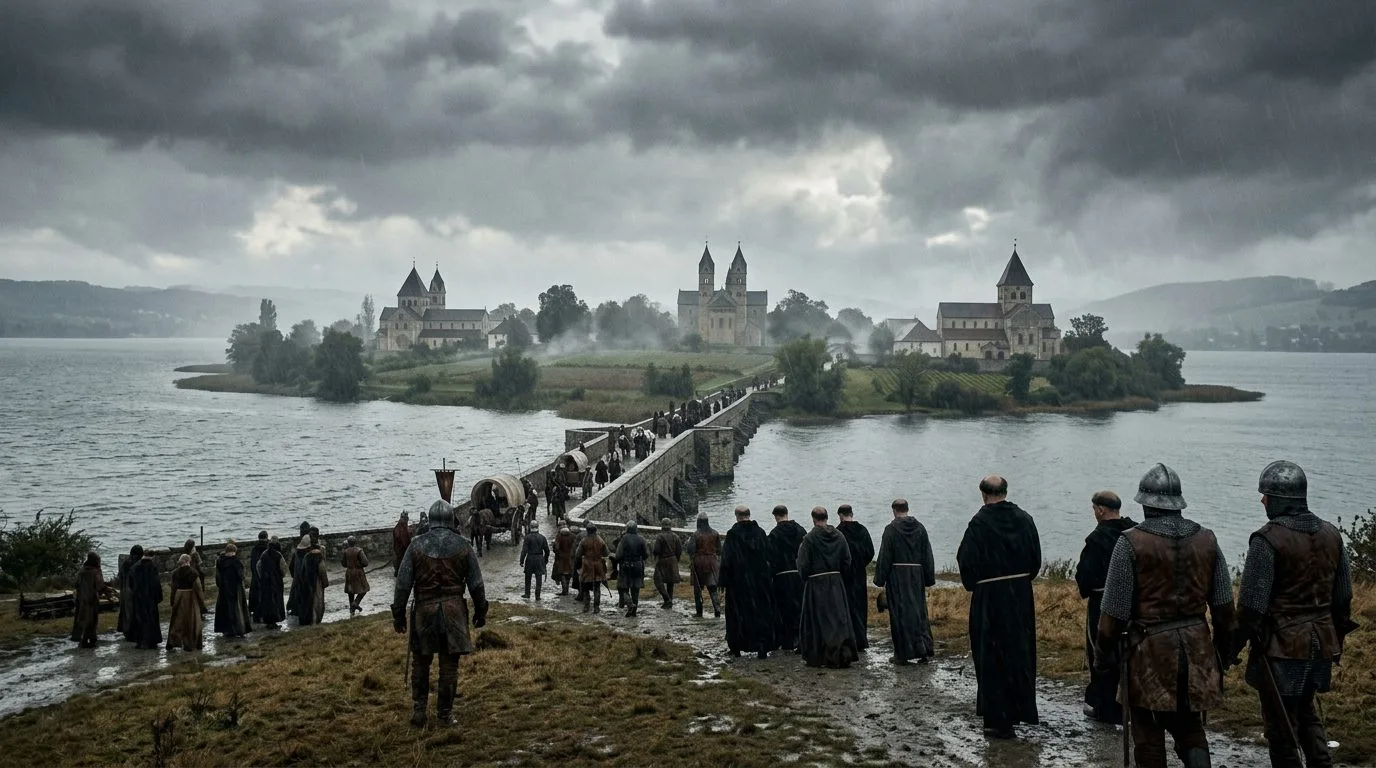
Reichenau Island: The Three-Abbey Wonder
Founded in 724 CE on a Lake Constance island in southern Germany, Reichenau grew into 3 separate monasteries connected by a single causeway. Between 950 and 1000 CE, its Reichenau School produced the most magnificent illuminated manuscripts of the Ottonian period, including 20 gospel books with over 500 gold-leaf illustrations. Monk Walahfrid Strabo wrote Europe’s first comprehensive gardening manual in 840 CE, cataloging 23 medicinal herbs with cultivation instructions. The island’s 5 square kilometers supported 200 monks who managed 700 hectares of mainland farmland, demonstrating monastic economic efficiency. Reichenau supplied 40 daughter monasteries with trained scribes and teachers.
Source: britannica.com
8. Vivarium: The Monastery Designed for Scholarship
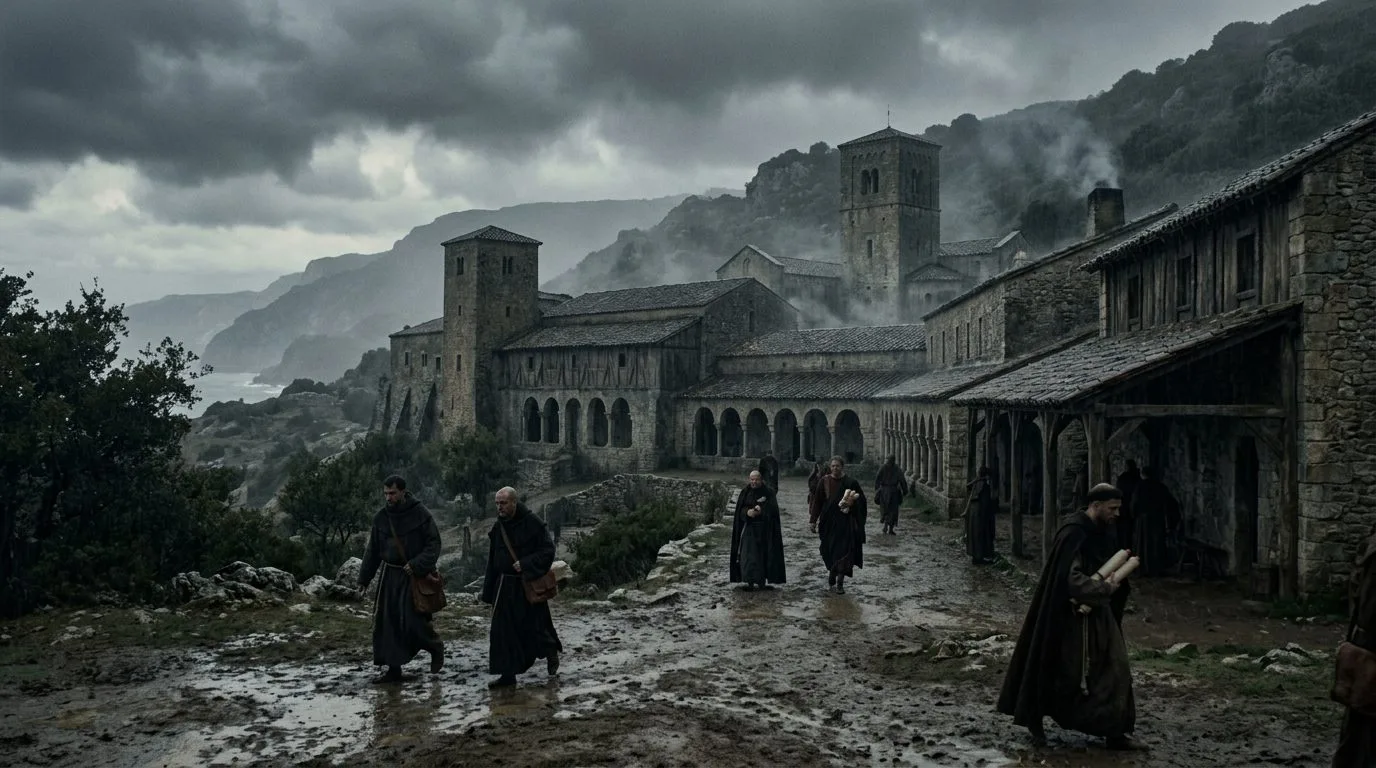
Vivarium: The Monastery Designed for Scholarship
Roman senator Cassiodorus founded Vivarium around 555 CE in Calabria, southern Italy, after failing to establish a Christian university in Rome. He designed the monastery specifically as a manuscript preservation center, with 7 separate scriptoria specializing in different subjects. Cassiodorus personally wrote the Institutiones, a 12-volume guide teaching monks how to copy texts accurately and maintain libraries. His monastery introduced the desk lamp with reflective surfaces, allowing scribes to work 14 hours daily. Vivarium monks copied 95 classical works before the monastery’s closure around 620 CE, including the only surviving copy of Josephus’s Jewish Antiquities.
Source: britannica.com
9. Corbie Abbey: The Carolingian Script Innovators
Corbie Abbey: The Carolingian Script Innovators
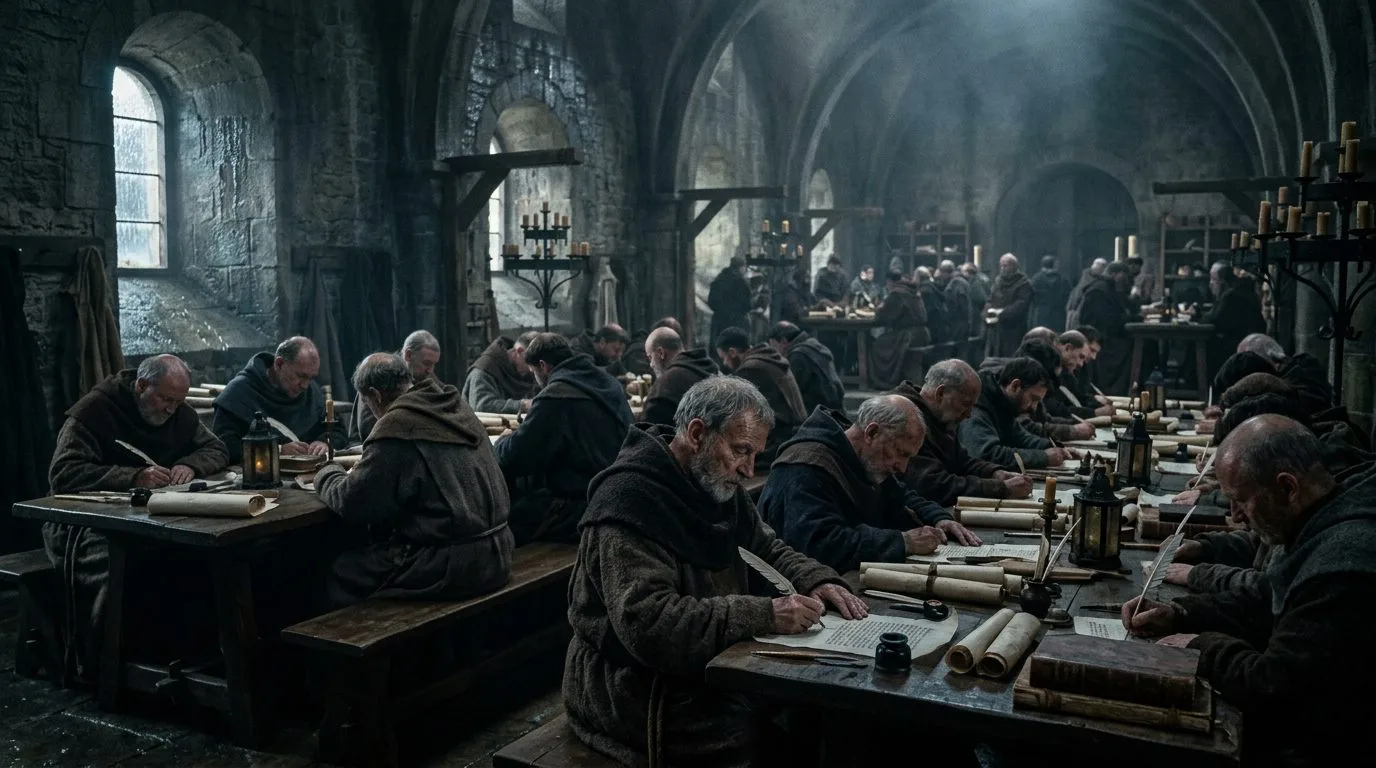
Queen Bathild founded Corbie in 657 CE near Amiens in northern France, and it grew into a scriptorium employing 60 monks by 780 CE. Corbie scribes invented Carolingian minuscule around 780 CE—a revolutionary lowercase alphabet that made reading faster and required 50 percent less parchment than previous scripts. This innovation became the foundation for modern lowercase letters. The abbey’s library held 400 volumes by 831 CE, making it Western Europe’s second-largest collection after St. Gall. Corbie monks established 15 daughter monasteries across Germany, spreading their writing system. One manuscript, the Corbie Psalter from 800 CE, contains the earliest known Old French annotations.
Source: britannica.com
10. Jarrow and Wearmouth: The Twin Monasteries of Bede
Jarrow and Wearmouth: The Twin Monasteries of Bede
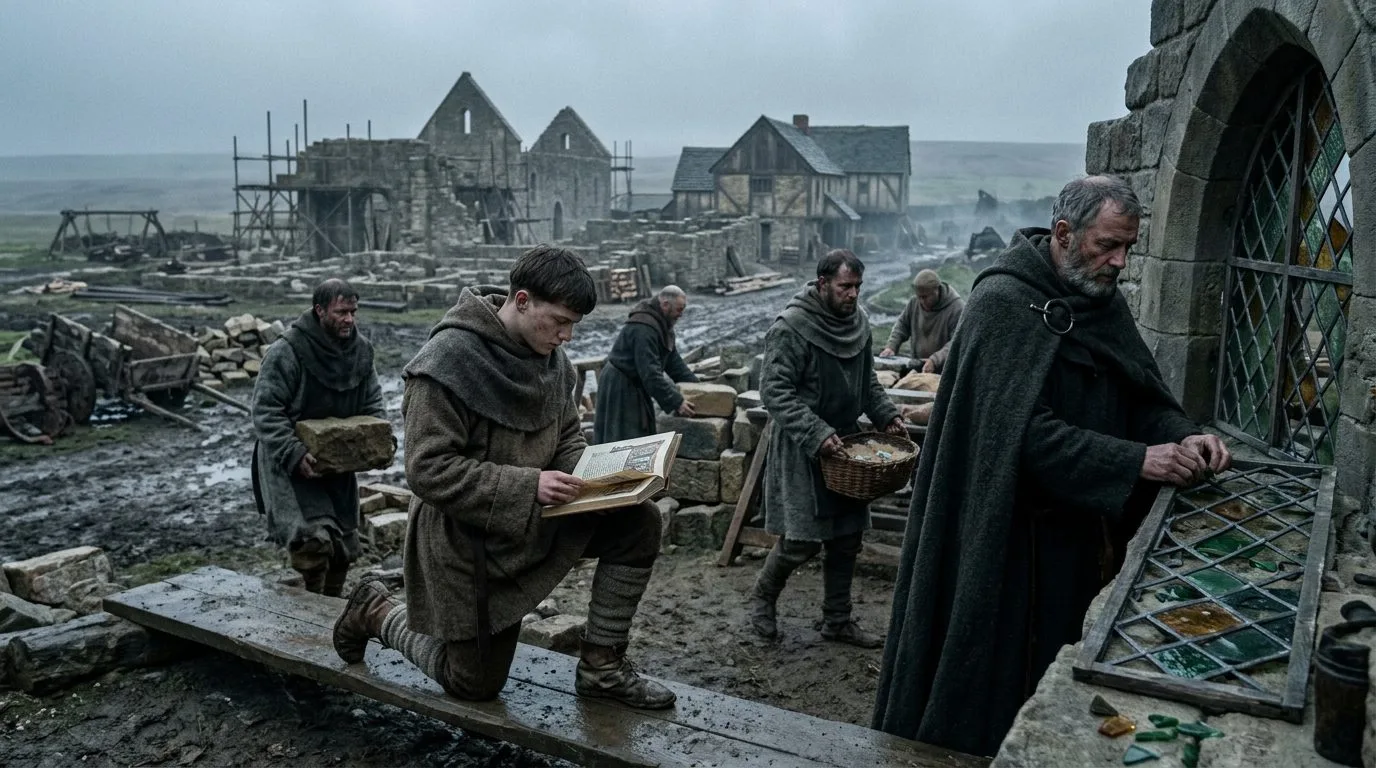
Benedict Biscop founded Wearmouth in 674 CE and Jarrow in 682 CE as twin monasteries in Northumbria, importing 300 books from Rome and establishing England’s first glass-making workshop. The young monk Bede entered Jarrow at age 7 in 680 CE and spent 59 years writing 60 works, including his Ecclesiastical History of the English People completed in 731 CE—the single most important source for early English history. The monasteries’ Codex Amiatinus, completed in 716 CE, remains the oldest complete Latin Bible in existence, requiring the skins of 1,600 calves for its parchment. Jarrow’s library of 200 volumes made it northern Europe’s premier research center until Viking raids in 794 CE.
Source: britannica.com
Did You Know?
These 10 monasteries formed an unbroken chain of knowledge across a continent in chaos. Without their dedication, Aristotle’s logic and Virgil’s poetry might exist only as footnotes in Islamic libraries. Civilization owes them everything.