
Before modern medicine, Greek physicians dissected human corpses in secret, tasted patient urine for diagnosis, and discovered the brain controlled thought—not the heart. These 10 medical pioneers changed healing forever.
1. Hippocrates Rejected Divine Disease Theory in 400 BCE
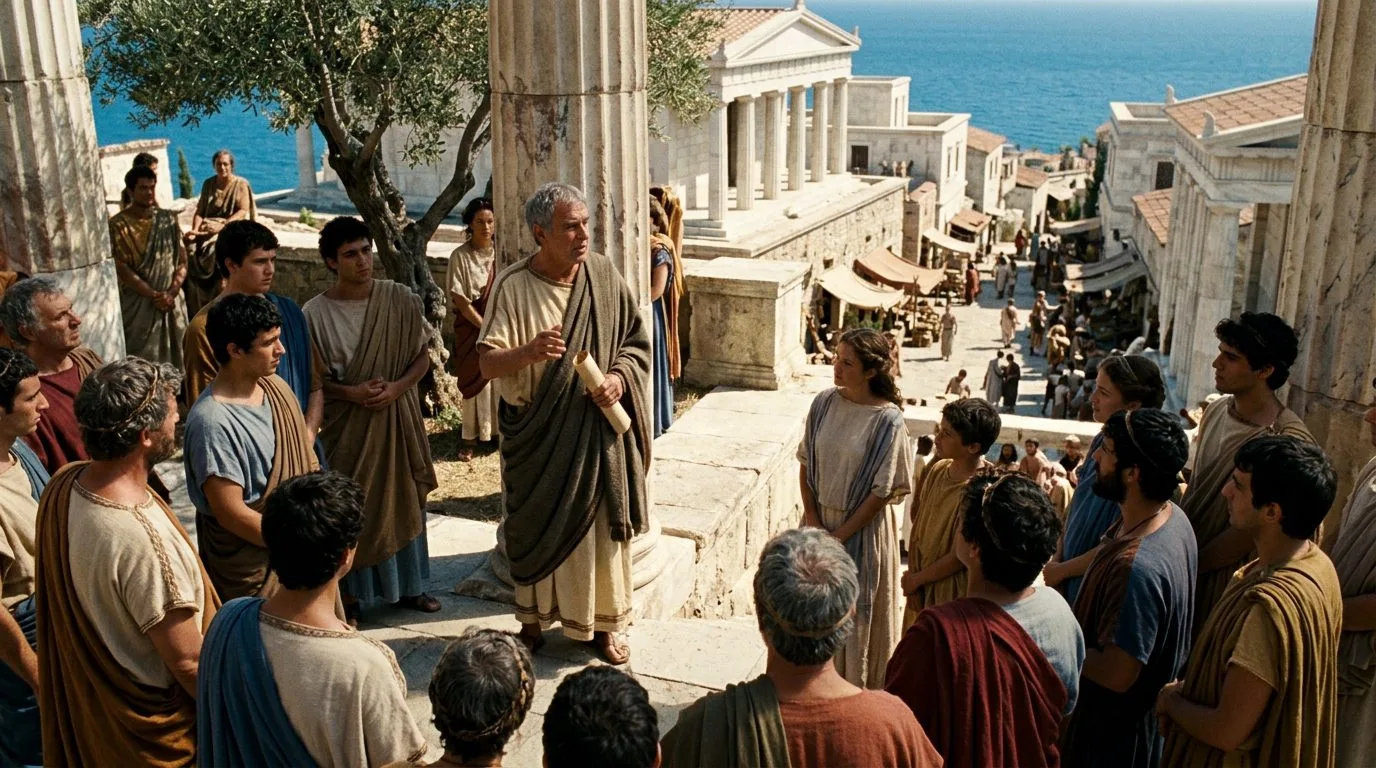
Ancient Greek physician challenging supernatural
Hippocrates of Kos transformed medicine around 400 BCE by declaring diseases had natural causes, not divine punishment. On the island of Kos, he established a medical school that taught observation over superstition. His text “On the Sacred Disease” argued epilepsy resulted from brain disorders, not demonic possession—a radical claim that threatened religious authorities. The Hippocratic Oath, still recited by physicians today, originated from his school’s ethical standards requiring doctors to “first, do no harm.” His clinical notes documented over 42 distinct diseases with unprecedented detail, creating the foundation for evidence-based medicine that persists 2,400 years later.
Source: britannica.com
2. Herophilus Performed Human Dissections in 280 BCE Alexandria
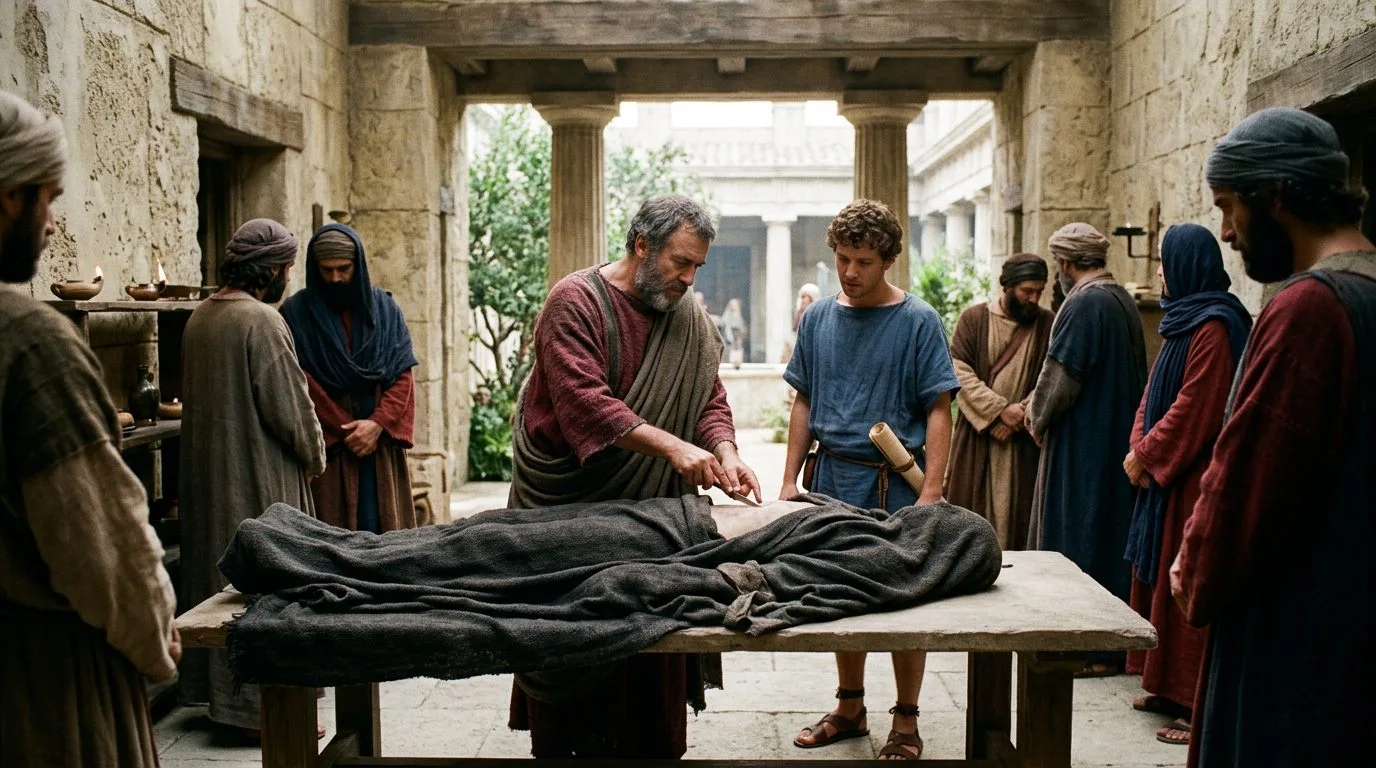
Ancient anatomist Herophilus studies the human
Herophilus conducted the first systematic human dissections in Alexandria around 280 BCE, when Ptolemaic rulers briefly permitted the practice. He dissected over 600 human bodies, distinguishing nerves from tendons and arteries from veins. His measurements showed the liver weighed approximately 1,500 grams, and he identified the duodenum, naming it for its 12-finger length. Herophilus discovered the brain’s ventricles and correctly identified the organ as the center of intelligence, overturning Aristotle’s heart-centered theory. He recognized the pulse as a diagnostic tool, counting beats against a water clock to detect irregularities—the first quantitative approach to cardiac assessment in medical history.
Source: history.com
3. Erasistratus Discovered the Nervous System’s Function in 250 BCE
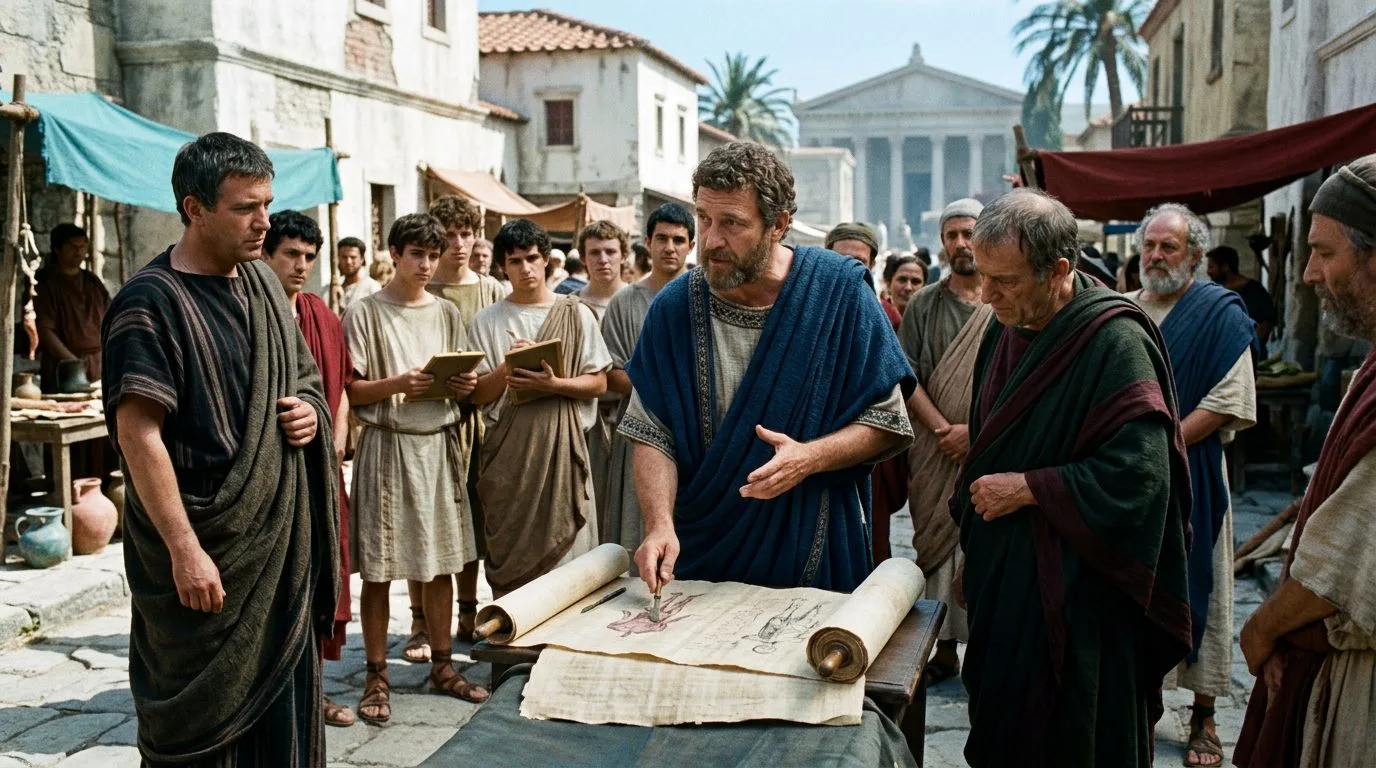
Erasistratus examining the human nervous system.
Erasistratus of Ceos worked alongside Herophilus in Alexandria around 250 BCE, revolutionizing understanding of human physiology. He traced individual nerves from the brain to specific body parts, proving the nervous system transmitted sensation and movement. His experiments demonstrated that cutting certain nerves caused paralysis in corresponding limbs—the first neurological surgery experiments. Erasistratus rejected bloodletting, the dominant treatment of his era, arguing it weakened patients rather than cured them. He counted brain convolutions in various animals, theorizing that humans’ more complex folds explained superior intelligence—a hypothesis confirmed by modern neuroscience 2,200 years later.
Source: smithsonianmag.com
4. Galen Wrote 600 Medical Texts That Dominated for 1,500 Years

Galen Wrote 600 Medical Texts That Dominated for 1
Galen of Pergamon became Rome’s most influential physician after 162 CE, serving Emperor Marcus Aurelius. He authored approximately 600 treatises covering every medical specialty, with 20,000 pages surviving today. As surgeon to gladiators in Pergamon, Galen called their wounds “windows into the body,” learning anatomy through traumatic injuries. His experiments proved the brain controlled voice by cutting a pig’s laryngeal nerve, silencing its squeals instantly. Though his anatomical errors persisted until the Renaissance, Galen’s systematic approach to diagnosis, prognosis, and treatment established the clinical method still taught in medical schools worldwide.
Source: britannica.com
5. Diocles Created the First Anatomy Textbook in 340 BCE

Diocles’ groundbreaking medical illustrations and
Diocles of Carystus compiled the earliest known anatomy textbook around 340 BCE, though only fragments survive in later citations. He invented the spoon-shaped surgical tool called a cyathiscomele for extracting arrowheads from wounds—a device used for 500 years. Diocles pioneered dietetics, prescribing specific foods for various ailments rather than relying solely on drugs. His bandaging techniques for fractures improved healing rates dramatically, with instructions so precise that Roman military surgeons followed them unchanged for centuries. He recognized that different body parts required different treatments, establishing the principle of localized medicine that challenged whole-body humor theories.
Source: history.com
6. Praxagoras Identified the Pulse as Diagnostic Tool in 320 BCE

Ancient physician discovers pulse as medical
Praxagoras of Kos discovered around 320 BCE that arteries and veins served different functions, centuries before William Harvey proved circulation. He identified 11 distinct pulse types, each indicating different diseases—the foundation of pulse diagnosis used worldwide today. Praxagoras taught that pneuma, or vital air, traveled through arteries while blood moved through veins, a partially correct theory that approached modern oxygen understanding. He pioneered abdominal surgery, performing intestinal resections with bronze scalpels and catgut sutures. His student Herophilus would surpass him, but Praxagoras established vascular medicine as a distinct specialty requiring specialized training and diagnostic skills.
Source: smithsonianmag.com
7. Soranus Revolutionized Gynecology and Obstetrics in 100 CE
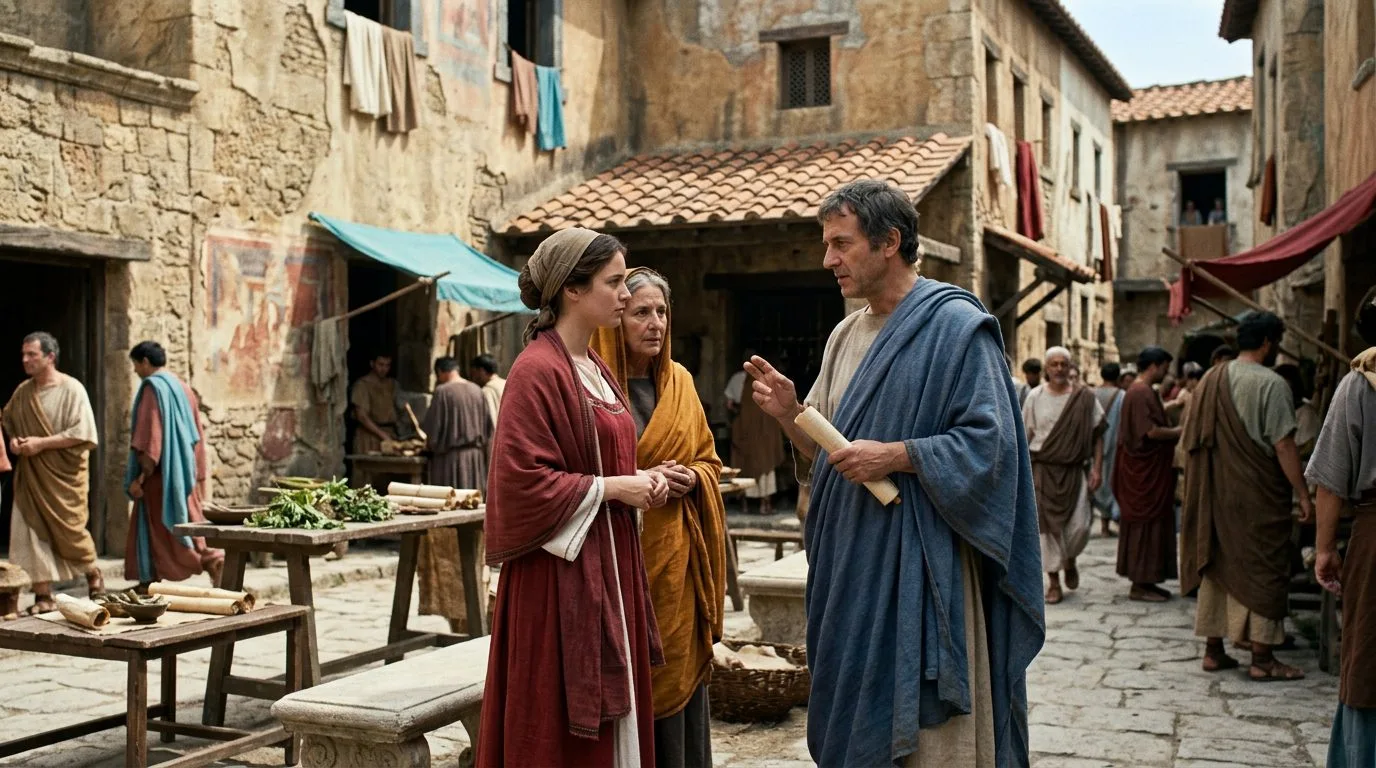
Ancient physician transformed women’s healthcare.
Soranus of Ephesus practiced in Rome around 100 CE, writing the definitive Gynecology text that remained authoritative for 1,500 years. His “Gynecology” contained 4 books covering menstruation, contraception, pregnancy, and childbirth with unprecedented detail. Soranus invented the birth chair, reducing maternal mortality by allowing gravity to assist delivery. He recommended delayed umbilical cord cutting and opposed immediate bathing of newborns—practices modern medicine has validated. His contraceptive methods included barrier devices and timing intercourse to less fertile periods, demonstrating sophisticated understanding of reproduction. Soranus trained midwives systematically, elevating their status from traditional healers to medical professionals with standardized education.
Source: britannica.com
8. Aretaeus Described Diabetes and Psychiatric Disorders in 150 CE

Aretaeus Described Diabetes and Psychiatric
Aretaeus of Cappadocia provided the first clinical description of diabetes around 150 CE, naming it from the Greek word for “siphon” after observing excessive urination. He documented that diabetic patients’ urine tasted sweet, a diagnostic method used until the 20th century. Aretaeus recognized mental illness as brain disease, describing bipolar disorder as alternating mania and melancholy—terminology still used today. His accounts of asthma, epilepsy, and migraine contained such accurate symptom descriptions that modern physicians can diagnose patients from his 1,900-year-old case notes. He pioneered humane psychiatric treatment, recommending music and conversation over restraints, anticipating modern psychotherapy by nearly 2 millennia.
Source: history.com
9. Dioscorides Catalogued 600 Plants in First Pharmacological Encyclopedia

Ancient medical manuscript detailing herbal
Pedanius Dioscorides compiled “De Materia Medica” around 70 CE while serving as Roman army physician, documenting approximately 600 medicinal plants. His five-volume encyclopedia described each plant’s preparation, dosage, and therapeutic effects based on direct observation across the Mediterranean. Dioscorides traveled with legions through Greece, Gaul, and Anatolia, collecting specimens and interviewing local healers. His entries included opium poppy for pain, willow bark for fever (containing aspirin’s precursor), and foxglove for heart conditions—remedies validated by modern pharmacology. The text remained medicine’s standard reference for 1,600 years, translated into Arabic, Latin, and Persian, making Dioscorides history’s most influential pharmacologist.
Source: smithsonianmag.com
10. Rufus of Ephesus Pioneered Pediatrics and Kidney Disease Study in 100 CE

Rufus of Ephesus revolutionized ancient medicine.
Rufus of Ephesus established pediatrics as a medical specialty around 100 CE, arguing children required different treatments than adults. He wrote the first systematic text on kidney and bladder diseases, distinguishing 8 types of urinary disorders through direct examination. Rufus developed innovative diagnostic techniques, including palpating the pulse at 10 different body locations to map disease progression. He advocated questioning patients extensively about symptoms, lifestyle, and family history—creating the medical interview format used today. His anatomical nomenclature named body parts still used in modern medicine, including descriptions of eye structures that wouldn’t be rediscovered until the invention of the microscope 1,500 years later.
Source: britannica.com
Did You Know?
These Greek physicians transformed medicine from religious ritual to scientific practice through systematic observation, human dissection, and clinical documentation. Their discoveries—from brain function to pulse diagnosis—remain fundamental to modern healthcare.